A Voice That Defined an Era: Introducing Ada Jones
Before the age of radio, television, or the internet, the phonograph reigned supreme as the primary source of home entertainment. And among the many voices captured on those early discs, few resonated as powerfully as that of Ada Jones. Born in 1873, Ada Jones wasn't merely a singer; she was a phenomenon. A prolific recording artist during the dawn of the 20th century, particularly flourishing in the 1910s, Jones carved a unique niche for herself as the "Queen of the Talking Machine." Her bright, clear soprano, coupled with a knack for comedic timing and a genuine connection with her audience, made her a household name. More than just a popular performer, Ada Jones helped to shape the very landscape of the nascent recording industry, demonstrating the power of personality and versatility in a world just beginning to understand the potential of recorded sound. 1910-1919 A cornerstone of the 1910-1919 Music Era, their influence echoes to this day.
This biography delves into the life and career of Ada Jones, exploring her musical style, her influence on popular culture, and the lasting legacy of a performer who helped to define the sound of a generation. From her energetic ragtime numbers to her charming duets, we'll examine the elements that made her recordings so appealing to audiences of the time and consider her place in the history of American music.
Musical Style and Evolution: From Ragtime Rhythms to Sentimental Ballads
Ada Jones possessed a remarkable versatility that allowed her to navigate a wide range of musical genres with ease. While she's perhaps best remembered for her lively ragtime recordings, her repertoire was far more extensive, encompassing everything from sentimental ballads to comedic sketches. Her early recordings often showcased her skill in rendering popular songs of the day, demonstrating her adaptability to evolving musical tastes. She wasn't just a singer; she was an interpreter, bringing a unique character and energy to each performance.
Ragtime formed a significant cornerstone of her work. Tracks like "Meet Me in St. Louis, Louis" and "Alexander's Ragtime Band" (often performed with Billy Murray) highlight her ability to deliver syncopated rhythms and catchy melodies with infectious enthusiasm. Her voice, clear and bright, perfectly complemented the energetic pulse of ragtime, making her a natural fit for the genre. However, she was also adept at handling more sentimental material. Ballads such as "Shine On, Harvest Moon" reveal a softer side to her vocal abilities, showcasing her capacity for nuanced emotion and heartfelt delivery. Her talent extended to comedic songs and novelty tunes, where she employed vocal inflections and character voices to create memorable and amusing performances. The duets with Billy Murray, in particular, often revolved around humorous scenarios and playful banter, demonstrating their exceptional chemistry and comedic timing. These duets were incredibly popular, creating a dynamic that audiences loved. Jones and Murray had undeniable on-record chemistry.
While Ada Jones' style remained largely consistent throughout her recording career, her choice of material reflected the changing tastes of the early 20th century. As musical styles evolved, she adapted her repertoire to include newer trends, demonstrating her commitment to remaining relevant to her audience. This willingness to embrace new sounds, while maintaining her signature style, contributed to her enduring popularity.
The 'Look': Fashion & Aesthetics Deep Dive in a Sound-Only World
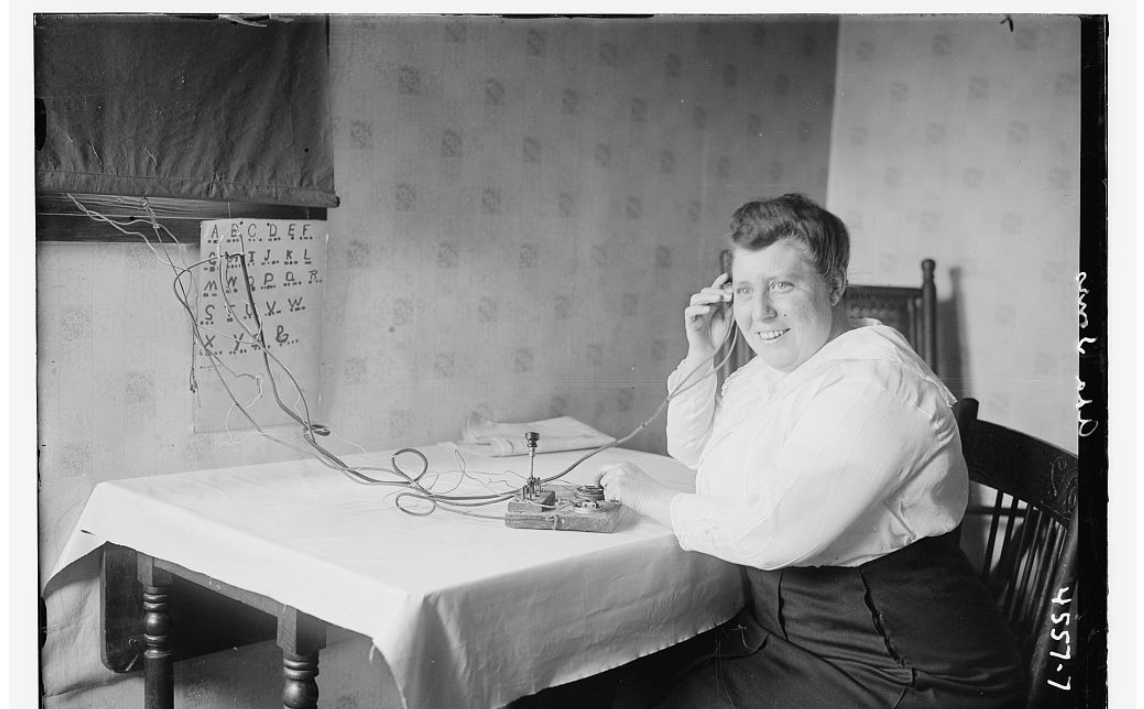
Though no visual recordings of Ada Jones exist, we can extrapolate details about her image from descriptions of the era and the context of her performances. During the 1910s, women performers were generally expected to present themselves with a sense of refined elegance and demure charm. While her voice was her primary instrument, her perceived image undoubtedly contributed to her appeal.
Fashion historians note that women's clothing in the 1910s was characterized by high necklines, long skirts, and a focus on creating an hourglass silhouette. It's highly likely that Ada Jones adopted these styles, favoring dresses that accentuated her figure while adhering to the conventions of modesty. Elaborate hats were also a staple of women's fashion during this period, and descriptions suggest that Jones was fond of wearing them, often adorned with feathers, ribbons, or flowers. These hats would have added a touch of glamour and sophistication to her overall appearance.
Beyond clothing, her demeanor likely played a crucial role in shaping her public persona. As a performer on the vaudeville stage, she would have cultivated a stage presence that was both engaging and approachable. While recordings cannot capture her physical movements, it's reasonable to assume that she presented herself with grace and confidence, using her voice and facial expressions to connect with her audience. In a world where visual entertainment was limited, these cues would have been essential for creating a lasting impression.
Engineering & Sound Production Analysis: Mastering the Acoustic Era
Recording technology in the early 20th century was a far cry from the sophisticated digital systems we use today. Ada Jones recorded during the acoustic era, meaning her voice was captured using purely mechanical means. Singers would perform into large horns connected to a diaphragm, which vibrated and etched grooves onto a wax cylinder or disc. This process presented significant challenges for performers, requiring them to project their voices clearly and maintain consistent volume levels. There was no editing, no autotune, no second takes unless the record company wanted to spend more money.
Ada Jones' success in this environment speaks volumes about her vocal prowess. Her clear diction and powerful delivery were essential for overcoming the limitations of the acoustic recording process. She had to carefully control her breathing and articulation to ensure that her voice was properly captured by the recording equipment. Her ability to project without sounding strained or unnatural was a testament to her technical skill. Her success speaks volumes about her understanding of sound production.
The acoustic recording process also influenced the arrangement of her songs. Instruments were often placed strategically around the recording horn to ensure that each element was properly balanced. Stringed instruments and brass instruments tended to record well, while percussion instruments were often omitted or minimized due to the limitations of the recording technology. Ada Jones' recordings typically feature simple arrangements that highlight her voice and allow her personality to shine through.
Cultural Impact & Legacy: Shaping the Sound of a Generation
Ada Jones was more than just a singer; she was a cultural icon. Her recordings were immensely popular during the early 20th century, selling in large numbers and making her a household name. She helped to popularize ragtime music and other contemporary styles, introducing them to a wider audience and shaping the musical tastes of a generation. Her impact extended beyond the realm of music, influencing fashion, language, and popular culture.
Her duets with Billy Murray, in particular, became cultural touchstones, capturing the spirit of the era and reflecting the changing dynamics of relationships. Their playful banter and humorous interactions resonated with audiences who were navigating new social norms and expectations. The popularity of these duets demonstrated the power of recorded sound to capture and reflect the cultural zeitgeist.
Ada Jones' legacy extends to the present day, influencing countless singers and performers. Her recordings continue to be enjoyed by vintage music enthusiasts and historians, providing a glimpse into the sounds and sensibilities of a bygone era. Her pioneering work in the recording industry helped to pave the way for future generations of female artists, demonstrating the power of talent and determination to overcome obstacles and achieve success. She proved the worth of a female artist as more than a pretty face.
Critical Reception (Then vs Now): From Popular Acclaim to Modern Reassessment
During her lifetime, Ada Jones was widely praised for her vocal talent, comedic timing, and engaging personality. Audiences loved her bright, energetic performances, and critics generally lauded her ability to connect with listeners on a personal level. Her recordings were considered to be among the best of their kind, setting a high standard for other performers in the recording industry. Her records sold very well, and that success spoke louder than any contemporary criticism.
However, some critics found her material light and formulaic, reflecting the popular taste of the early 20th century. They argued that her songs lacked depth and complexity, catering to a mass audience rather than pushing the boundaries of artistic expression. These criticisms were often rooted in a broader debate about the role of popular music in society, with some critics arguing that it was becoming too commercialized and homogenized.
In modern times, Ada Jones' work has been reassessed and reevaluated by music historians and critics. While some of the original criticisms still hold merit, her contributions to the recording industry are now widely recognized. Her pioneering work in popularizing ragtime music and her influence on future generations of female artists are acknowledged as significant achievements. Her recordings are now viewed as valuable historical artifacts, offering a glimpse into the sounds and sensibilities of a bygone era. Modern listeners can appreciate her clarity, energy, and stage presence.
Conclusion: The Enduring Voice of a Bygone Era
Ada Jones was a remarkable performer who left an indelible mark on the history of American music. Her versatility, vocal talent, and engaging personality made her a beloved figure in the early 20th century, and her recordings continue to be enjoyed by vintage music enthusiasts and historians today. More than just a singer, she was a cultural icon who helped to shape the sound of a generation. From her ragtime rhythms to her sentimental ballads, Ada Jones' music captured the spirit of the era and reflected the changing dynamics of society. Her legacy extends beyond the realm of music, influencing fashion, language, and popular culture. As the "Queen of the Talking Machine," Ada Jones reigned supreme during the dawn of the recording industry, paving the way for future generations of female artists and demonstrating the power of talent and determination to overcome obstacles and achieve success. Even today, her voice resonates, a clear, bright echo from a past that continues to inform our present.