Comprehensive Introduction
Albert Von Tilzer, born Albert Gumm in 1878, stands as a towering figure in the annals of American popular music. Though his name may not be instantly recognizable to all, his contributions to the soundscape of the early 20th century are undeniable. He was a prolific composer during the vibrant era of Tin Pan Alley, a period that saw the birth of modern American songwriting. Von Tilzer's talent for crafting catchy melodies and emotionally resonant lyrics catapulted him to fame, making him a household name and his songs staples of the American songbook. His story is one of ambition, business acumen, and a deep understanding of the public's musical tastes. He wasn't just a songwriter; he was a music publisher and a keen observer of the changing social landscape, expertly translating these observations into songs that captured the spirit of the times. 1900-1909 This career stands as a testament to the diverse sounds of the 1900-1909 Music Era.
Von Tilzer’s early life provided a solid foundation for his future success. He began his career in music as a teenager, showcasing a natural aptitude for melody and harmony. He understood the importance of accessibility, crafting songs that were easy to sing, easy to remember, and deeply relatable. Unlike some of his more classically trained contemporaries, Von Tilzer embraced the simplicity and directness that defined popular music. This approach, combined with his entrepreneurial spirit, allowed him to navigate the competitive world of Tin Pan Alley and establish himself as a leading force. He recognized the potential of sheet music sales and understood the importance of getting his songs into the hands of performers and amateur musicians alike.
His career flourished during the first decade of the 20th century, a time of rapid social and technological change. The rise of vaudeville, the increasing popularity of dance halls, and the growing availability of pianos in American homes all contributed to the demand for new and engaging music. Von Tilzer expertly capitalized on these trends, producing a string of hits that resonated with audiences across the country. Songs like "Wait 'Til the Sun Shines, Nellie" and "Take Me Out to the Ball Game" not only achieved immense popularity but also became cultural touchstones, reflecting and shaping the values and aspirations of a nation on the cusp of modernity.
In-depth Analysis of Musical Style/Evolution
Von Tilzer's musical style is characterized by its accessibility and its ability to tap into the emotions of the common person. His songs are built upon simple, yet effective, melodic structures, making them easy to learn and sing along to. He often employed a verse-chorus format, which provided a familiar and predictable structure for listeners. The melodies themselves are often diatonic, meaning they primarily use notes within a major or minor scale, avoiding complex or dissonant harmonies. This emphasis on simplicity allowed his songs to be easily adapted for various performance contexts, from solo piano performances to large-scale theatrical productions.
His harmonic language, while not groundbreaking, was nonetheless effective in creating a sense of emotional depth. He often used simple chord progressions, such as I-IV-V-I, but he would also incorporate secondary dominants and other chromatic alterations to add color and interest. His arrangements, typically intended for piano and voice, were uncluttered and straightforward, focusing attention on the melody and lyrics. While orchestrations were common for stage performances, the core of his songwriting remained rooted in the simplicity of the piano and vocal arrangement.
Lyrically, Von Tilzer’s songs often explored themes of love, loss, nostalgia, and everyday life. He had a knack for capturing the vernacular of the time, using slang and colloquialisms to create a sense of authenticity. “Wait 'Til the Sun Shines, Nellie,” for example, is a poignant ballad about enduring love and the passage of time. The lyrics evoke a sense of warmth and intimacy, painting a picture of a loving couple growing old together. In contrast, "Take Me Out to the Ball Game," co-written with Jack Norworth, is a lighthearted and energetic celebration of America's favorite pastime. The song's catchy melody and playful lyrics capture the excitement and camaraderie of attending a baseball game.
While Von Tilzer's style remained relatively consistent throughout his career, there were subtle shifts in response to changing musical tastes. As ragtime and other syncopated styles gained popularity, he incorporated elements of these genres into his compositions, adding a touch of rhythmic complexity to his melodies. However, he always maintained his focus on accessibility, ensuring that his songs remained appealing to a broad audience. He understood the power of a good hook and knew how to craft melodies that would stay in people's heads long after the performance was over.
The 'Look': Fashion & Aesthetics Deep Dive
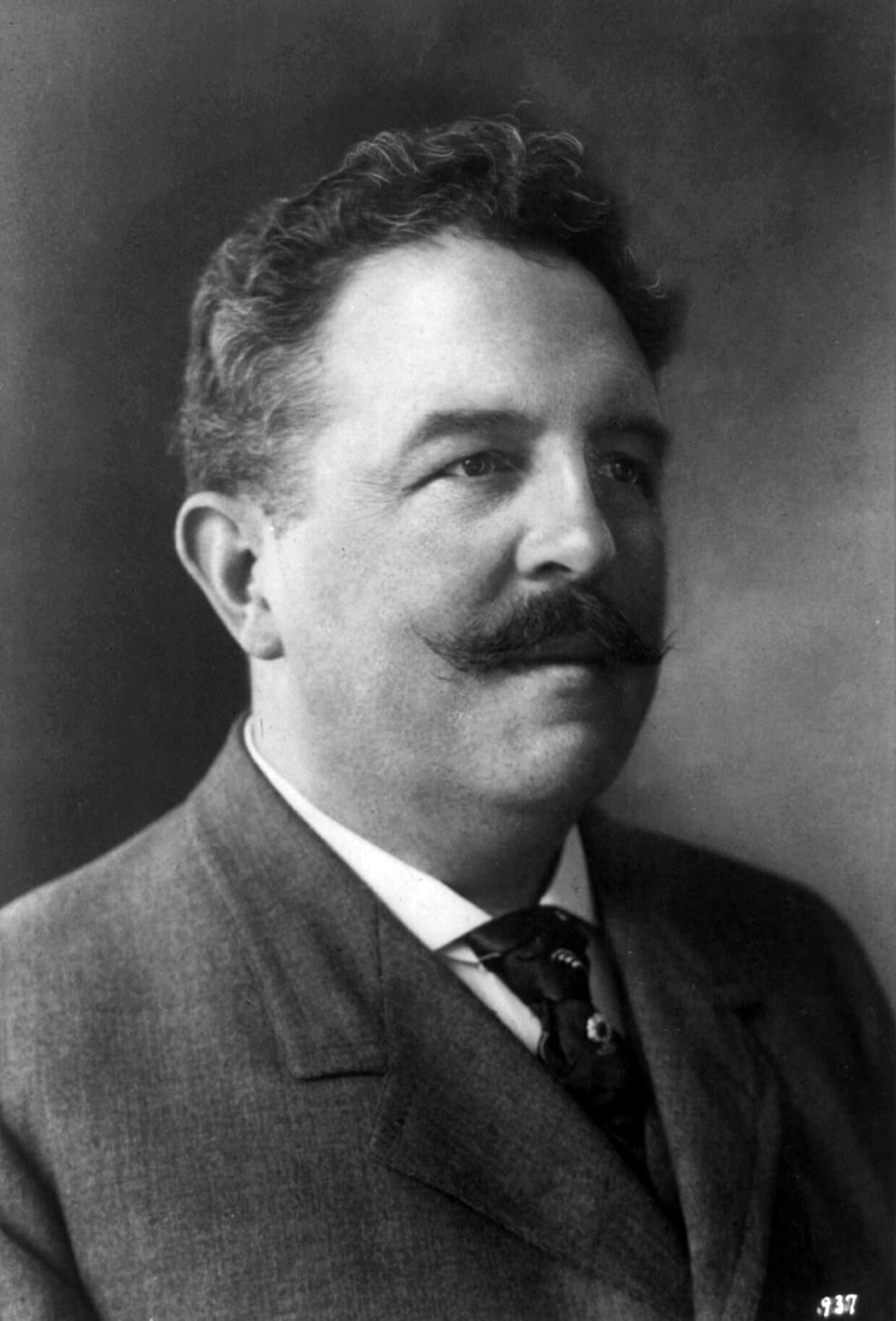
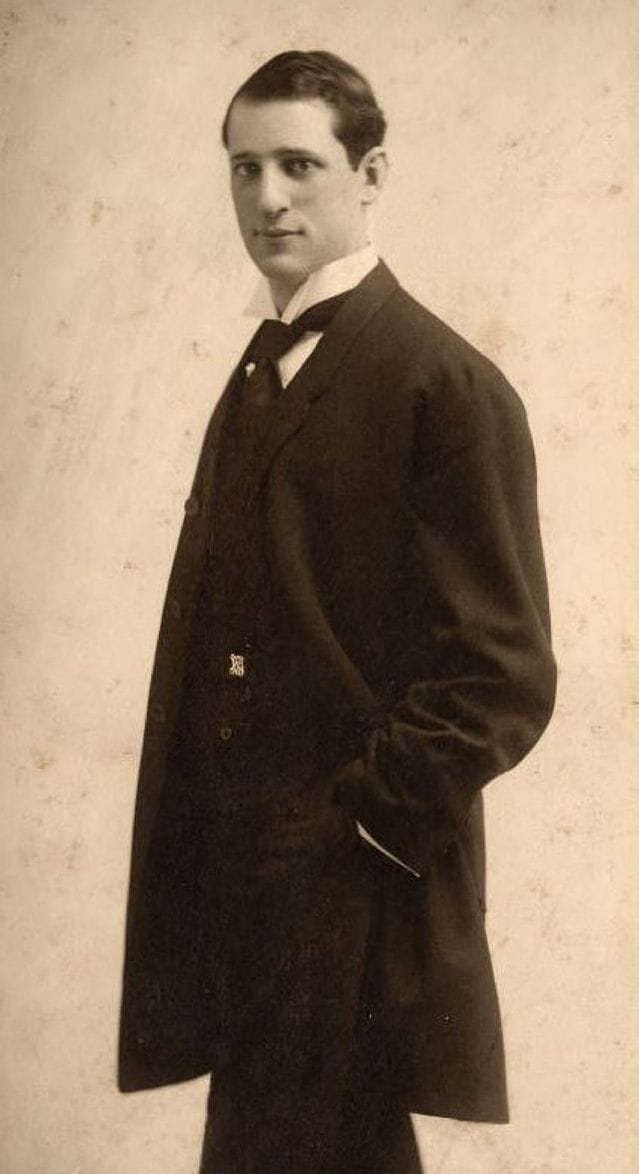
While Albert Von Tilzer’s legacy primarily rests on his musical contributions, his personal presentation and aesthetic choices offer a glimpse into the values and expectations of a Tin Pan Alley composer. Though photographic evidence is limited, we can infer certain aspects of his "look" based on the conventions of the time and the professional environment in which he operated.
The fashion of the early 1900s dictated a certain formality, especially for men in professional fields. Von Tilzer, as a successful songwriter and publisher, would have likely adhered to these standards. This would involve wearing well-tailored suits, typically in dark colors like black, navy, or gray. The suits would have been made of wool or tweed, reflecting the practical and durable nature of the era's clothing. A crisp white shirt was essential, often paired with a starched collar and a conservative tie. The tie would likely have been a simple pattern or a solid color, avoiding anything too flamboyant or attention-grabbing.
Accessories played a crucial role in completing the look. A pocket watch, often attached to a chain, was a symbol of status and punctuality. Hats were also an indispensable part of a gentleman's wardrobe, with styles like the bowler hat or fedora being popular choices. Shoes would have been polished leather, typically in black or brown. The overall impression was one of respectability and professionalism, reflecting the importance of projecting a credible image in the business world. Von Tilzer's fashion choices were not about making a bold statement, but rather about fitting into the established norms and conveying a sense of seriousness and competence.
Beyond clothing, Von Tilzer's aesthetic choices would have also been reflected in his office and home. As a successful publisher, he would have likely maintained a well-appointed office, furnished with solid wooden furniture and decorated with framed sheet music and photographs. His home, while perhaps not lavish, would have likely reflected his success and status. Pianos were essential features in the homes of musicians, and Von Tilzer would undoubtedly have had one, both for composing and entertaining. The overall aesthetic would have been one of understated elegance and respectability, reflecting the values of the middle class in the early 20th century.
Engineering & Sound Production Analysis
It's important to recognize that Albert Von Tilzer’s era predated the widespread adoption of modern recording techniques. While he wasn't directly involved in studio engineering, his compositions profoundly influenced the early development of recorded music. His work provided the raw material – the songs themselves – that early recording artists used to create the nascent soundscape of the phonograph era.
The primary focus of Von Tilzer and his contemporaries was on writing songs that would sell as sheet music. The success of a song was measured by its ability to be performed live, either by professional musicians in vaudeville theaters or by amateur musicians in their homes. Therefore, the "engineering" of his music was primarily concerned with crafting arrangements that were accessible and effective for live performance. The arrangements were typically designed for piano and voice, with additional instrumental parts often added for larger ensembles.
However, the rise of recording technology inevitably impacted Von Tilzer's work. As phonographs became more common, recording artists began to seek out popular songs to record. Von Tilzer's hits were quickly embraced by these artists, and his music became some of the earliest examples of American popular music to be widely disseminated through recordings. The limitations of early recording technology – such as the acoustic process, which required performers to project loudly into a recording horn – shaped the way these songs were performed and perceived. The emphasis was on clarity and projection, with less attention paid to nuance and subtlety.
The sonic landscape of Von Tilzer's music in its recorded form was therefore characterized by its rawness and immediacy. Early recordings often captured the sound of the room in which they were made, creating a sense of ambience and authenticity. The performers were often placed close to the recording horn, resulting in a close and intimate sound. While these early recordings may lack the polish and sophistication of modern recordings, they offer a valuable glimpse into the sound world of the early 20th century and demonstrate the crucial role that Von Tilzer's music played in shaping the development of recorded sound.
Cultural Impact & Legacy
Albert Von Tilzer's cultural impact is undeniable. He helped define the sound of Tin Pan Alley, which in turn shaped the trajectory of American popular music. His songs became ingrained in the national consciousness, reflecting and reinforcing the values and aspirations of a rapidly changing society. “Take Me Out to the Ball Game,” for instance, is not just a song; it’s a cultural anthem, inextricably linked to the experience of attending a baseball game. It transcends generations and continues to be sung in ballparks across the country, demonstrating the enduring power of his songwriting.
Beyond individual songs, Von Tilzer's success as a songwriter and publisher helped to establish the business model for the modern music industry. He understood the importance of copyright and actively protected his intellectual property. He also recognized the value of marketing and promotion, using various strategies to get his songs into the hands of performers and the public. His entrepreneurial spirit paved the way for future generations of songwriters and publishers, demonstrating the potential for commercial success in the music industry.
His legacy extends beyond the realm of popular music. His songs have been featured in countless films, television shows, and theatrical productions, ensuring their continued exposure to new audiences. They have also been interpreted by a wide range of artists, from classical singers to jazz musicians, demonstrating their versatility and enduring appeal. Von Tilzer’s music serves as a reminder of a bygone era, a time when popular music was simpler, more accessible, and more deeply ingrained in the fabric of everyday life.
His influence can also be seen in the work of subsequent generations of songwriters. His emphasis on melody, simplicity, and emotional resonance continues to inspire songwriters today. While musical styles have evolved, the fundamental principles of good songwriting – catchy melodies, relatable lyrics, and effective arrangements – remain the same. Von Tilzer’s work serves as a timeless example of these principles in action.
Critical Reception (Then vs Now)
During his lifetime, Albert Von Tilzer enjoyed immense commercial success and widespread popularity. His songs were hits on the stage, in sheet music sales, and increasingly, on early recordings. The public adored his catchy melodies and sentimental lyrics, making him a household name. However, critical reception was more mixed. While some critics praised his ability to connect with audiences and capture the spirit of the times, others viewed his music as overly sentimental and formulaic.
Critics who were less favorable often argued that Von Tilzer's music lacked originality and sophistication. They pointed to the repetitive nature of his melodies and the predictable structure of his songs. They also criticized his reliance on clichés and sentimentality, arguing that his music was overly manipulative and lacked genuine emotional depth. These criticisms were often rooted in a broader skepticism towards the mass-produced nature of Tin Pan Alley, which was seen as catering to the lowest common denominator.
In contrast, modern critics tend to view Von Tilzer's work with more nuance and appreciation. While acknowledging the criticisms of sentimentality and formulaic songwriting, they also recognize the historical context in which his music was created. They appreciate his ability to tap into the emotions of the common person and to create songs that have endured for over a century. They also recognize the importance of his work in shaping the development of American popular music and in establishing the business model for the modern music industry.
Furthermore, modern critics often emphasize the cultural significance of Von Tilzer's songs. "Take Me Out to the Ball Game," for example, is now viewed as a cultural artifact, a symbol of American identity and a reminder of a bygone era. Its enduring popularity demonstrates its ability to transcend its original context and to continue to resonate with audiences today. Ultimately, the critical reception of Von Tilzer's work has evolved over time, reflecting changing musical tastes and a greater appreciation for the historical and cultural significance of his contributions.
Conclusion
Albert Von Tilzer's legacy extends far beyond the catchy melodies and sentimental lyrics of his hit songs. He was a pivotal figure in the development of American popular music, a shrewd businessman, and a keen observer of the social and cultural trends of his time. He understood the power of music to connect with people on an emotional level and he skillfully crafted songs that reflected the hopes, dreams, and anxieties of a nation on the cusp of modernity. While his music may not have always been critically acclaimed, its enduring popularity and cultural significance cannot be denied.
Von Tilzer's contributions to the music industry are also significant. He helped to establish the business model for modern songwriting and publishing, demonstrating the potential for commercial success in the popular music field. His entrepreneurial spirit and his dedication to protecting his intellectual property paved the way for future generations of songwriters and publishers. He was a pioneer in the field of popular music, and his influence can still be felt today.
In conclusion, Albert Von Tilzer deserves to be remembered as more than just the composer of "Take Me Out to the Ball Game." He was a complex and multifaceted figure who played a crucial role in shaping the sound and the business of American popular music. His legacy continues to resonate today, reminding us of the power of music to entertain, to inspire, and to connect us to our shared history.