Before the "King of Jazz" Paul Whiteman reigned supreme, there was Art Hickman, a bandleader who arguably laid the groundwork for Whiteman's later success. Hickman, a pivotal figure in the burgeoning dance music scene of the 1910s, crafted a unique blend of ragtime, early jazz sensibilities, and popular song that captivated audiences across America. While his name may not be as widely recognized today, his influence on the development of popular music, particularly its transition into the Roaring Twenties, is undeniable. This is the story of Art Hickman, the sophisticated architect of early dance band music. 1910-1919 Few artists better represent the spirit of the 1910-1919 Music Era.
In-depth Analysis of Musical Style/Evolution
Art Hickman's musical journey began far from the glittering ballrooms where he would eventually find fame. His early musical experiences were rooted in the diverse sounds of the American West, absorbing influences from ragtime piano players, brass bands, and the emerging syncopated rhythms that would later coalesce into jazz. It was this eclectic sonic palette that Hickman drew upon when forming his orchestra, an ensemble that quickly distinguished itself from its contemporaries.
Hickman’s signature sound was characterized by its polished arrangements and melodic focus. Unlike the looser, more improvisational styles of early New Orleans jazz, Hickman's orchestra emphasized precision and blend. He carefully orchestrated the parts, creating a sound that was both energetic and sophisticated. His music was highly danceable, but it also possessed a certain elegance that appealed to a broad spectrum of listeners. This delicate balance proved incredibly successful, establishing him as a major force in the popular music landscape.
A key element of Hickman's innovative approach was his instrumentation. He was among the first bandleaders to feature two pianos prominently in his orchestra, a decision that added both rhythmic drive and harmonic richness to the ensemble's sound. This unusual configuration allowed for intricate interplay between the pianists, creating a dense and textured soundscape that was both modern and captivating. His arrangements also highlighted the saxophone, an instrument that was rapidly gaining popularity during this period, using its versatility to create both soaring melodies and punchy rhythmic accents.
Hickman’s arrangements also cleverly incorporated elements of popular melodies, often subtly weaving them into his own compositions or using them as launching points for extended improvisations. This shrewd approach not only made his music immediately accessible to a wide audience but also allowed him to showcase the virtuosity of his musicians. This seamless integration of familiar tunes with innovative arrangements became a hallmark of his style and contributed significantly to his widespread appeal.
The 'Look': Fashion & Aesthetics Deep Dive
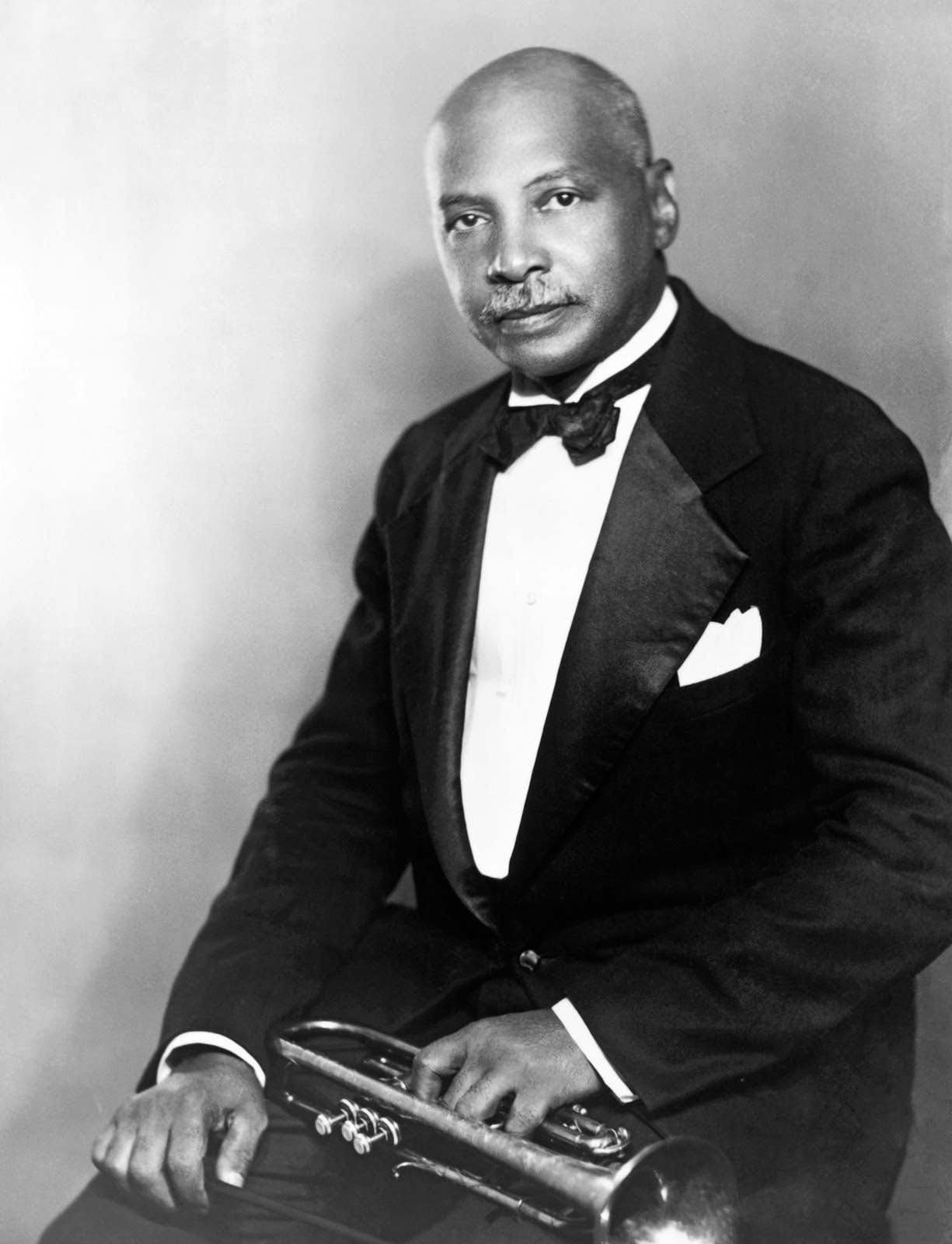
Beyond his musical innovations, Art Hickman understood the importance of visual presentation. He carefully cultivated a sophisticated image for his orchestra, recognizing that appearance played a vital role in shaping public perception. In an era where dance band musicians were often perceived as mere entertainers, Hickman sought to elevate their status, presenting them as refined and respectable performers.
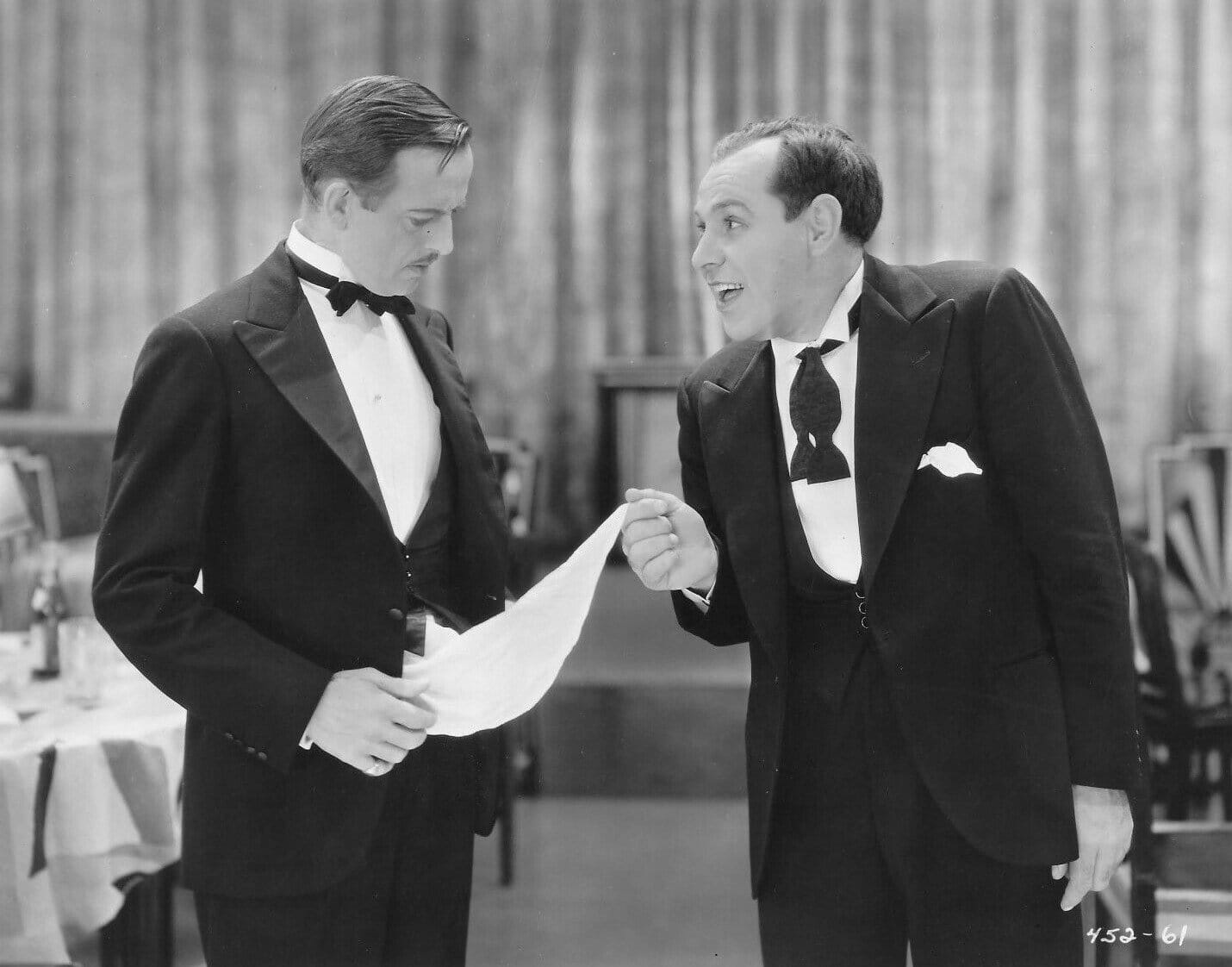
The orchestra's attire was meticulously chosen to project an image of elegance and professionalism. The musicians typically wore impeccably tailored suits, often featuring sharp lines and classic designs. Polished shoes, crisp white shirts, and carefully chosen ties completed the ensemble, creating a unified and sophisticated look. This attention to detail extended beyond the clothing itself; Hickman also emphasized the importance of grooming, ensuring that his musicians were always well-kempt and presentable.
This sharp, sophisticated aesthetic was a deliberate departure from the more casual or even disheveled appearance of some of the earlier ragtime and vaudeville performers. Hickman understood that a polished image could help to legitimize dance band music and attract a more discerning audience. By presenting his orchestra as a group of refined gentlemen, he subtly challenged the prevailing stereotypes and helped to pave the way for the acceptance of dance music as a legitimate art form.
The visual presentation of Art Hickman's orchestra was not merely about fashion; it was a carefully crafted statement about the value and artistry of dance music. By dressing his musicians in elegant attire, Hickman communicated a message of professionalism and respect, helping to elevate the status of his ensemble and the genre as a whole.
Engineering & Sound Production Analysis
While the technology of the 1910s presented significant limitations, Art Hickman was remarkably astute in his approach to sound production. Although modern ears might find the early acoustic recordings somewhat lacking in fidelity, they nonetheless offer glimpses into Hickman's sophisticated understanding of balance and ensemble sound.
Hickman was particularly focused on creating a cohesive and balanced sound within his orchestra. He understood that the individual instruments should complement each other, rather than compete for attention. His arrangements were carefully designed to showcase the strengths of each musician while also ensuring that the overall sound remained harmonious. The dual pianos, for instance, were not simply used to double the melody; instead, they were intricately interwoven, creating a rich and textured harmonic foundation.
The acoustic recording process of the time posed a significant challenge for capturing the nuances of a large orchestra. The limited dynamic range and frequency response of the early recording equipment often resulted in a compressed and somewhat muffled sound. However, Hickman was adept at working within these limitations, carefully adjusting the placement of the instruments and the microphone to achieve the best possible results. He also understood the importance of careful microphone technique, ensuring that the sound was captured as clearly and accurately as possible.
Despite the technological constraints, Hickman's recordings offer valuable insights into his musical approach. They reveal his commitment to precision, balance, and ensemble sound, highlighting his sophisticated understanding of the art of orchestration and sound production. While they may not capture the full energy and excitement of a live performance, they nonetheless provide a testament to Hickman's pioneering efforts in the field of dance band music.
Cultural Impact & Legacy
Art Hickman's cultural impact during the 1910s was substantial. He played a key role in popularizing dance music and shaping the sound of the Roaring Twenties. His orchestra was a fixture in ballrooms and dance halls across America, providing the soundtrack for a generation eager to embrace new forms of entertainment and social interaction. He helped to bridge the gap between the ragtime era and the jazz age, creating a sound that was both familiar and innovative.
Perhaps Hickman's most significant contribution was his influence on Paul Whiteman. Whiteman openly acknowledged Hickman as a major inspiration, and many critics have pointed to striking similarities between the two bandleaders' styles. Whiteman arguably built upon Hickman's foundation, taking the sophisticated dance band sound to even greater heights of popularity. However, it is important to recognize that Hickman was the pioneer, the one who first developed and refined the style that Whiteman would later make famous.
Hickman's influence extended beyond Whiteman. He inspired countless other bandleaders and musicians, helping to shape the sound of popular music in the 1920s and beyond. His emphasis on polished arrangements, melodic focus, and sophisticated presentation became hallmarks of the dance band era. He helped to establish the role of the bandleader as a respected figure in the music industry, paving the way for the success of future generations of musicians.
Critical Reception (Then vs Now)
During his lifetime, Art Hickman enjoyed widespread popularity and critical acclaim. He was praised for his innovative arrangements, his polished sound, and his sophisticated presentation. Critics recognized his talent for blending ragtime, early jazz, and popular melodies into a captivating and danceable style. He was seen as a leader in the field of dance band music, a trendsetter who was helping to shape the sound of the future.
However, in the decades since his death, Hickman's contributions have often been overshadowed by the later success of Paul Whiteman. Some critics argue that Whiteman simply borrowed Hickman's style and refined it, taking the credit for innovations that were originally Hickman's. Others maintain that Hickman's orchestra lacked the raw energy and improvisational spirit of more authentic jazz groups, viewing his style as a more sanitized and palatable version for mainstream audiences. This perspective often frames Hickman as a "proto-Whiteman," a stepping stone to a more commercially successful and influential figure.
In recent years, there has been a growing reassessment of Hickman's legacy. Scholars and music historians are beginning to recognize his significant contributions to the development of dance band music and his influence on Paul Whiteman. There is a growing appreciation for his innovative arrangements, his sophisticated presentation, and his role in shaping the sound of the Roaring Twenties. While he may not be as widely known as some of his contemporaries, his importance as a pioneer in the field of popular music is becoming increasingly clear.
Conclusion
Art Hickman was more than just a bandleader; he was a visionary who helped to shape the sound of a generation. His innovative arrangements, sophisticated presentation, and keen understanding of popular taste made him a major force in the dance music scene of the 1910s. While his contributions have sometimes been overshadowed by the later success of Paul Whiteman, his influence on the development of popular music is undeniable. Art Hickman deserves to be recognized as a key figure in the transition from ragtime to jazz, a pioneer who helped to lay the groundwork for the Roaring Twenties and beyond. His story is a testament to the power of innovation, the importance of presentation, and the enduring legacy of a true musical trailblazer.