Arthur Pryor, a name synonymous with trombone virtuosity and the golden age of American concert bands, dominated the musical landscape of the early 20th century. More than just a performer, Pryor was a composer, conductor, and musical entrepreneur whose influence shaped the sound and popularity of band music across the nation. His prodigious talent on the trombone, coupled with his charismatic stage presence and astute business sense, propelled him to international fame and secured his place as a pivotal figure in American music history. From his early days touring with the John Philip Sousa Band to his later success leading his own ensembles, Pryor consistently pushed the boundaries of instrumental performance and popular entertainment, leaving behind a legacy of musical innovation and widespread appeal. 1900-1909 Their contributions were pivotal to the evolution of the 1900-1909 Music Era.
Musical Style and Evolution: A Virtuoso's Journey
Pryor's musical style was deeply rooted in the traditions of the late 19th-century concert band, characterized by its blend of classical influences, popular melodies, and virtuosic displays. His early training as a child prodigy in his father's band provided him with a solid foundation in brass playing and ensemble performance. This foundation was further honed during his tenure with the John Philip Sousa Band, where he served as both a featured soloist and assistant conductor. Sousa's emphasis on precision, discipline, and showmanship significantly shaped Pryor's musical approach.
As a trombone soloist, Pryor was renowned for his remarkable technical facility, his smooth legato phrasing, and his warm, resonant tone. He possessed an astonishing range, effortlessly navigating the instrument's register from its deepest lows to its highest peaks. His improvisational skills were also highly regarded, adding an element of spontaneity and excitement to his performances. Pieces like "The Patriot" and "Fantastic Polka" became signature works, showcasing his virtuosity and flair.
Beyond his instrumental prowess, Pryor was a prolific composer, contributing significantly to the repertoire of American concert bands. His compositions, which included marches, waltzes, novelty pieces, and solos for various instruments, were characterized by their catchy melodies, their intricate harmonies, and their skillful orchestration. Marches like "The Whistler and His Dog" and "On Jersey Shore" were instantly popular, their lively rhythms and memorable tunes capturing the spirit of the era. His waltzes, such as "Love Thoughts Waltz," offered a more romantic and sentimental counterpoint, showcasing the lyrical potential of the trombone and the band as a whole.
The evolution of Pryor's musical style can be traced through his extensive catalog of recordings. His early recordings with the Sousa Band demonstrate a more straightforward and traditional approach, while his later recordings with his own band reveal a greater emphasis on virtuosity, showmanship, and popular appeal. He experimented with different arrangements, incorporating elements of ragtime, jazz, and other contemporary genres. He also embraced new technologies, such as the phonograph, to reach a wider audience and promote his music.
The 'Look': Fashion & Aesthetics Deep Dive
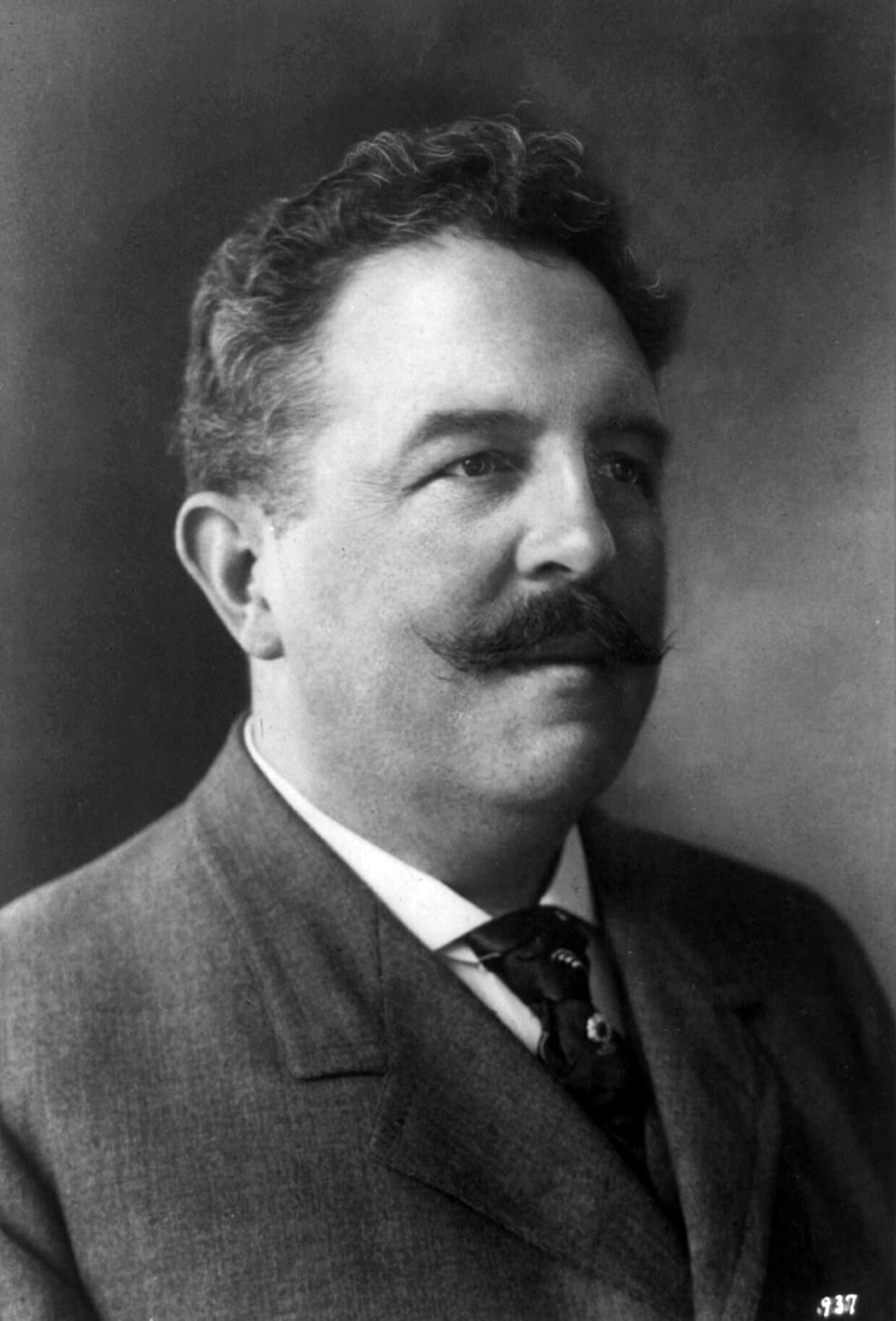
While Arthur Pryor's primary focus was undoubtedly his music, he understood the importance of projecting a professional and respectable image. He was not known for flamboyant or extravagant fashion choices, but rather for a consistent adherence to the formal attire expected of a concert musician and bandleader in the early 20th century. His clothing choices reflected the dignity and seriousness associated with classical music and the emerging concert band movement, seeking to elevate the status of popular music.
Pryor's standard performance attire consisted of well-tailored suits, typically in dark colors such as black, navy blue, or gray. These suits were usually double-breasted, a popular style of the period, and were paired with crisp white shirts and conservative ties. The choice of fabric was likely wool or a similar durable material, reflecting both the practicality of performance wear and the sartorial norms of the time. Accessories were kept to a minimum, often including a pocket watch and chain, and occasionally a discreet lapel pin.
His hairstyle was neatly groomed, usually parted and slicked back, further contributing to his polished appearance. Facial hair, if present, was meticulously maintained. He understood that his appearance was part of the overall concert experience. He presented a picture of professionalism and competence, assuring the audience that they were in the hands of a skilled and trustworthy musician. This careful attention to aesthetics extended to the presentation of his band, ensuring that all members were similarly attired in formal wear, creating a unified and impressive visual display.
Engineering & Sound Production Analysis
Analyzing Arthur Pryor's sound production requires understanding the limitations and possibilities of early 20th-century recording technology. The acoustic recording process, which was the standard method at the time, involved capturing sound vibrations directly onto a master disc using a mechanical recording horn. This process was far less sensitive than modern electronic recording methods, which meant that only the loudest and clearest sounds could be accurately captured. As a result, Pryor's recordings often lack the dynamic range and frequency response of later recordings. Nonetheless, they provide valuable insights into his technical skill and musical artistry.
Despite the limitations of the technology, Pryor's recordings showcase his exceptional tone control and breath support. His trombone playing is characterized by its smoothness, its clarity, and its consistent intonation. He was able to produce a full and resonant sound, even when playing in the upper register of the instrument. He also demonstrated a remarkable ability to articulate notes with precision and speed, executing complex passages with ease and accuracy.
Pryor was a pioneer in demonstrating the capabilities of the trombone in the recording studio. Prior to his recordings, the trombone was often perceived as a novelty instrument, primarily used for comedic effects. Pryor's virtuoso performances helped to elevate the status of the trombone and to showcase its potential as a solo instrument. He proved that the trombone could be used to play a wide range of musical styles, from classical melodies to popular tunes.
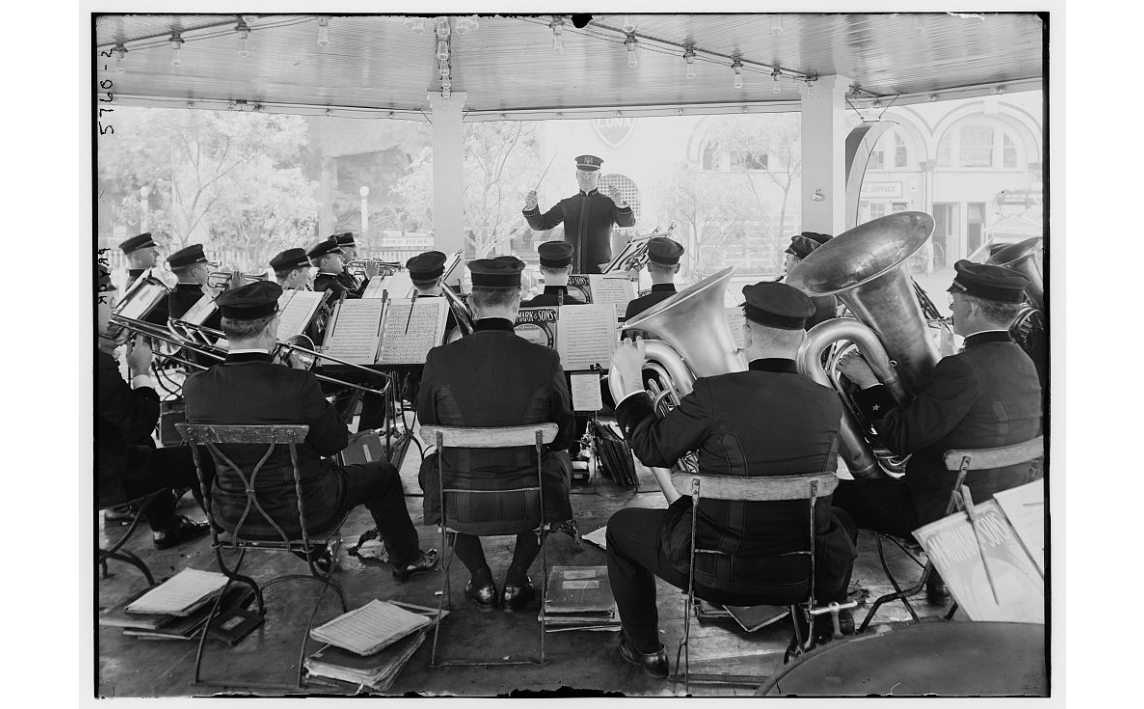
Furthermore, his recordings offer valuable information about the performance practices of early 20th-century concert bands. They reveal the characteristic instrumentation, the typical arrangements, and the overall sound aesthetic of these ensembles. They also provide a glimpse into the social and cultural context in which this music was created and consumed.
Cultural Impact & Legacy
Arthur Pryor's cultural impact was profound and far-reaching, extending beyond the realm of music to influence popular entertainment and American identity. His virtuosity on the trombone helped to popularize the instrument and to establish it as a legitimate solo voice. His compositions enriched the repertoire of American concert bands and provided a soundtrack for a generation of Americans.
As a bandleader, Pryor played a key role in shaping the sound and the image of the American concert band. He transformed the concert band from a primarily military organization into a popular entertainment vehicle, attracting large and diverse audiences. His concerts were known for their lively atmosphere, their engaging programming, and their sheer musical quality.
Pryor's entrepreneurial spirit also contributed to his cultural impact. He established his own record label, his own publishing company, and his own concert management agency. He was a master of self-promotion, using every available tool to reach a wider audience and to build his brand. His success as a musical entrepreneur paved the way for future generations of independent artists.
His legacy continues to resonate today. His recordings are still widely available, and his compositions are still performed by bands around the world. His name remains synonymous with trombone virtuosity and the golden age of American concert bands. He is remembered as a musical pioneer, a cultural innovator, and a true American icon.
Critical Reception (Then vs Now)
During his lifetime, Arthur Pryor was universally lauded as a musical genius and a national treasure. Critics praised his exceptional musicianship, his charismatic stage presence, and his contributions to American music. He was celebrated as a virtuoso performer, a prolific composer, and a visionary bandleader.
Contemporary reviews of his concerts often highlighted his technical brilliance, his expressive playing, and his ability to connect with audiences. Critics noted his warm tone, his effortless phrasing, and his remarkable range. They also praised his compositions for their catchy melodies, their intricate harmonies, and their skillful orchestration.
In contrast, some modern critics may find Pryor's music overly sentimental or simplistic compared to later developments in orchestral and brass band composition. The directness and accessibility that endeared him to mass audiences in his time might be perceived by some contemporary listeners as lacking the depth and complexity of more modern works. The unironic patriotism and optimistic tone prevalent in much of his music might also strike a different chord with audiences today.
However, even modern critics acknowledge Pryor's significant contributions to the history of American music. They recognize his importance in popularizing the trombone, in shaping the sound of the American concert band, and in paving the way for future generations of musicians. They also appreciate his technical skill and his musical artistry, even if they find his music less challenging or groundbreaking than that of some of his contemporaries.
Conclusion
Arthur Pryor was more than just a trombone player; he was a musical force of nature. His virtuosity, his creativity, and his entrepreneurial spirit combined to create a lasting legacy that continues to inspire musicians and audiences alike. He transformed the American concert band from a primarily military organization into a popular entertainment vehicle, bringing joy and excitement to millions. He demonstrated the potential of the trombone as a solo instrument and helped to elevate its status in the musical world. And he left behind a rich catalog of recordings and compositions that continue to be enjoyed and appreciated today.
While tastes and critical perspectives may evolve over time, Arthur Pryor's impact on American music remains undeniable. He represents a pivotal moment in the history of popular entertainment, a time when music was both accessible and aspirational, both entertaining and inspiring. He was a true original, a pioneer, and a national treasure.