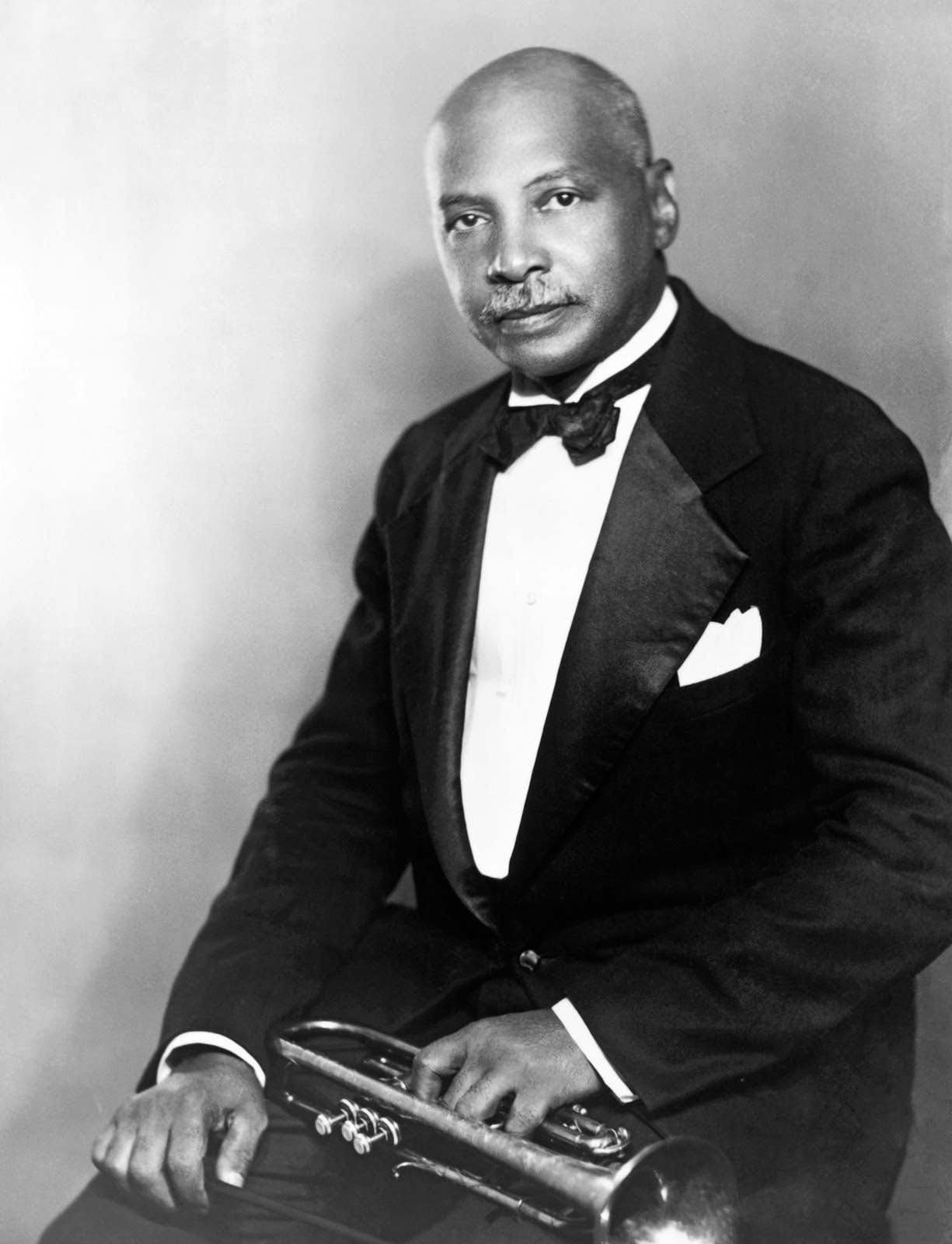
Bert Williams, a name synonymous with early 20th-century American entertainment, was far more than just a comedian. He was a groundbreaking performer, a brilliant songwriter, and a complex figure who navigated the treacherous waters of racial prejudice to become one of the most celebrated and highest-paid entertainers of his time. While his legacy is inevitably intertwined with the controversial practice of blackface, a reflection of the deeply ingrained racism of the era, a closer examination reveals a man of immense talent who used his platform to subtly challenge societal norms and expose the absurdity of racial stereotypes. This biography delves into the life, music, and cultural impact of Bert Williams, exploring the nuances of his artistry and the complexities of his historical context. 1910-1919 Historically, they are inseparable from the identity of the 1910-1919 Music Era.
In-depth Analysis of Musical Style/Evolution
Williams' musical style was a unique blend of vaudeville, blues, and ragtime, genres that were rapidly evolving in the early 1900s. His songs, often characterized by witty lyrics and melancholic undertones, explored themes of hardship, resilience, and the everyday struggles of African Americans. He wasn't simply singing; he was telling stories, creating characters, and inviting audiences into a world shaped by both humor and pain.
One of his most famous songs, "Nobody," exemplifies this blend of humor and pathos. The lyrics, which detail a string of misfortunes and a general sense of being overlooked and unappreciated, resonated deeply with audiences, both Black and white. While the song could be interpreted as a simple lament, Williams' nuanced delivery and subtle irony added layers of meaning, hinting at the systemic inequalities that contributed to the narrator's plight. "Nobody" became a signature tune, solidifying his status as a star and showcasing his ability to connect with audiences on an emotional level.
Another notable example is "I'm a Jonah Man," a song about a man plagued by bad luck, with everything he touches turning sour. The song’s bluesy melody and Williams’ expressive vocals create a sense of weary resignation, while the comedic elements prevent it from becoming overly bleak. This ability to balance comedy and tragedy was a hallmark of his style, allowing him to explore serious themes without alienating his audience.
Williams’ musical evolution can be traced through his extensive discography. His early recordings leaned heavily on the vaudeville tradition, featuring upbeat tempos and broad comedic performances. As his career progressed, his music became more sophisticated, incorporating elements of the blues and exploring more complex themes. He experimented with different vocal styles, from the exaggerated dialects of his early blackface routines to the more natural and nuanced delivery of his later recordings. This evolution reflected his growing artistic maturity and his desire to move beyond the limitations of racial stereotypes.
The 'Look': Fashion & Aesthetics Deep Dive
Bert Williams' sartorial choices, both on and off stage, were a complex reflection of the era's racial conventions and his own personal style. While he often performed in blackface, a demeaning and harmful practice that he was compelled to adopt to achieve mainstream success, his stage attire frequently incorporated dapper suits and bowler hats. This created a sartorial contrast to the stereotypical depictions he was forced to portray, subtly undermining the very caricatures he was embodying.
The use of blackface was, of course, the most defining aspect of his stage appearance. It was a deeply problematic practice, rooted in racist minstrel shows and designed to perpetuate harmful stereotypes. However, Williams approached blackface with a degree of ambivalence. He recognized its inherent offensiveness, yet he also saw it as a tool that allowed him to gain access to a wider audience and subtly critique the very stereotypes it reinforced. He once famously said, "It is no disgrace to be a Negro, but it is inconvenient." This sentiment encapsulates the tightrope he walked throughout his career, navigating the expectations of white audiences while striving to maintain his dignity and artistic integrity.
Offstage, Williams was known for his impeccable taste and sophisticated style. He favored tailored suits, elegant hats, and polished shoes, presenting himself as a man of refinement and culture. This image directly challenged the prevailing racial stereotypes that depicted African Americans as uneducated and unsophisticated. By dressing impeccably, Williams asserted his own identity and defied the limitations imposed upon him by a prejudiced society. His personal style was a subtle act of resistance, a way of reclaiming his humanity in a world that often denied it.
Furthermore, the contrast between his on-stage and off-stage personas highlights the performative nature of race in the early 20th century. Williams was acutely aware of the expectations placed upon him, and he used his clothing and appearance to manipulate those expectations, both on stage and in his personal life. His sartorial choices were not merely a matter of personal preference; they were a strategic tool for navigating a racially charged social landscape.
Engineering & Sound Production Analysis
Bert Williams' recordings, made during the infancy of the recording industry, provide a fascinating glimpse into the technological limitations and artistic possibilities of the early 20th century. While the sound quality of these recordings may seem primitive by modern standards, they showcase Williams' remarkable vocal control and nuanced delivery. His ability to convey emotion and character through his voice, even within the constraints of early recording equipment, solidified his status as a masterful performer.
The recording process at the time was primarily acoustic, relying on a large horn to capture sound vibrations and transfer them to a recording stylus. This meant that performers had to project their voices and carefully manage their dynamics to ensure that their recordings were audible and clear. Williams excelled at this, using his impeccable diction and precise vocal inflections to overcome the limitations of the technology. His recordings are a testament to his mastery of vocal technique.
Furthermore, the limitations of the recording technology may have inadvertently contributed to the unique character of Williams' recordings. The lack of high-fidelity sound forced him to rely on subtle vocal nuances and carefully crafted lyrics to convey his message. This emphasis on vocal delivery and storytelling is a defining characteristic of his musical style.
Analyzing the engineering of Williams' recordings also provides insights into the racial dynamics of the recording industry at the time. While he was a popular and successful artist, his recordings were often subject to the same discriminatory practices that affected other African American performers. He may have been given less studio time, fewer resources, or less control over the final product than his white counterparts. Understanding these constraints is crucial for appreciating the full extent of his artistic achievements.
Cultural Impact & Legacy
Bert Williams' impact on American entertainment is undeniable. He broke down racial barriers, paving the way for future generations of African American performers. He was the first Black American to take a leading role on Broadway, starring in the Ziegfeld Follies, a prestigious and highly visible platform. This achievement alone was a significant milestone in the history of racial integration in the entertainment industry.
Beyond his individual achievements, Williams' work helped to shape the development of American comedy and music. His unique blend of vaudeville, blues, and ragtime influenced countless artists, and his songs continue to be performed and studied today. His ability to balance humor and pathos, to explore serious themes through comedic means, set a new standard for American entertainment.
However, his legacy is also complicated by his participation in blackface minstrelsy. While he used the medium to subtly critique racial stereotypes, his reliance on blackface inevitably perpetuated harmful caricatures. This has led to ongoing debates about his place in history, with some critics arguing that his contributions are overshadowed by his participation in a racist practice. It's important to acknowledge the harm caused by blackface while also recognizing the significant achievements of Bert Williams and the challenges he faced in a deeply prejudiced society.
His influence can be seen in the work of later comedians and musicians who also used their platform to address social and political issues. Figures like Richard Pryor, Paul Robeson, and even contemporary artists owe a debt to Williams' pioneering work. His legacy is a reminder of the power of art to challenge societal norms and the complexities of navigating racial prejudice in the pursuit of artistic expression.
Critical Reception (Then vs Now)
During his lifetime, Bert Williams received widespread critical acclaim for his comedic and musical talents. White audiences were captivated by his performances, and he was praised for his wit, charisma, and ability to connect with audiences on an emotional level. However, his success was often contingent on his willingness to conform to racial stereotypes. Critics often lauded his blackface performances, praising him for his "authenticity" in portraying African American characters, even though these characters were often based on demeaning caricatures.
Black audiences, on the other hand, had a more complex relationship with Williams' work. While they appreciated his success in breaking down racial barriers, they were also critical of his participation in blackface minstrelsy. Some saw it as a necessary compromise, a way to gain access to a wider audience and earn a living in a racially prejudiced society. Others viewed it as a betrayal of his race, arguing that he was perpetuating harmful stereotypes for the amusement of white audiences.
In the present day, Bert Williams' legacy continues to be debated. While his artistic achievements are widely recognized, his participation in blackface is viewed with increasing scrutiny. Many critics argue that it is impossible to separate his talent from the harmful context in which it was performed. Others maintain that his subtle critiques of racial stereotypes and his groundbreaking achievements should be acknowledged, even while condemning the practice of blackface itself.
The critical reception of Bert Williams' work has evolved significantly over time, reflecting changing attitudes towards race and representation. Today, it is impossible to ignore the problematic aspects of his legacy. However, it is also important to remember the historical context in which he lived and worked, and to recognize the significant challenges he faced as an African American performer in the early 20th century. A nuanced understanding of his work requires acknowledging both his achievements and his complicity in a racist system.
Conclusion
Bert Williams was a complex and contradictory figure whose life and work reflect the complexities of race and representation in early 20th-century America. He was a groundbreaking performer, a brilliant songwriter, and a cultural icon who challenged racial barriers and paved the way for future generations of African American artists. However, his legacy is also inextricably linked to the problematic practice of blackface minstrelsy, a constant reminder of the racial prejudices that shaped his career.
Ultimately, Bert Williams' story is a reminder that even the most talented and successful individuals are not immune to the constraints of their historical context. His work forces us to confront the uncomfortable truths about race and representation in American entertainment and to grapple with the complexities of celebrating artists whose legacies are intertwined with harmful stereotypes. By engaging with his work critically and thoughtfully, we can gain a deeper understanding of the past and work towards a more just and equitable future.