Billy Murray, affectionately dubbed "The Denver Nightingale," stands as a pivotal figure in the history of American popular music. His energetic tenor voice, perfectly suited for the nascent recording technologies of the early 20th century, propelled him to unparalleled fame throughout the 1910s. Murray wasn't just a singer; he was an entertainer, a master of enunciation, and a shrewd interpreter of the popular tastes of his time. This biography delves into the life, music, and lasting impact of this ragtime king, exploring his musical style, his cultural influence, and his enduring legacy. 1910-1919 As a defining figure of the 1910-1919 Music Era, they shaped the cultural landscape.
In-depth Analysis of Musical Style/Evolution
Murray's musical style was a direct reflection of the burgeoning popular music scene of the early 20th century. He excelled in ragtime, novelty songs, and patriotic tunes, each genre showcasing different facets of his vocal talents and performance skills. His ragtime performances, most notably "Alexander's Ragtime Band," were characterized by a rhythmic drive and syncopated melodies that perfectly captured the infectious energy of the era. His crisp enunciation, honed through years of stage performance, ensured that every syllable was heard, a crucial factor in the limitations of early acoustic recordings.
The novelty songs, often humorous narratives or quirky character studies, provided Murray with a platform to showcase his comedic timing and vocal versatility. Songs like "Casey Jones" and "The Yama Yama Man" were not just songs; they were mini-dramas, brought to life by Murray's expressive delivery. These performances highlighted his ability to connect with audiences on an emotional level, turning everyday stories into memorable musical experiences.
His repertoire also included a significant number of patriotic tunes. As the United States navigated through World War I, Murray's stirring renditions of songs like "Over There" and "It's a Long Way to Tipperary" resonated deeply with the American public, solidifying his position as a national icon. These songs, infused with optimism and determination, helped to galvanize support for the war effort and provided a soundtrack for a nation at war. His ability to transition seamlessly between these diverse genres speaks to his immense talent and adaptability as a performer.
Murray's vocal delivery was powerful and precise. He understood the constraints of acoustic recording technology and tailored his performance accordingly. He sang directly into the recording horn, projecting his voice with clarity and precision. He used dynamic variation sparingly, relying instead on his enunciation and rhythmic accuracy to convey emotion and meaning. This approach, while seemingly simplistic by modern standards, was highly effective in capturing the nuances of his performance on early recordings. Furthermore, his recordings often featured backing from prominent orchestras and ensembles of the time, such as the Victor Orchestra, adding layers of instrumental texture and harmonic richness to his sound.
The 'Look': Fashion & Aesthetics Deep Dive
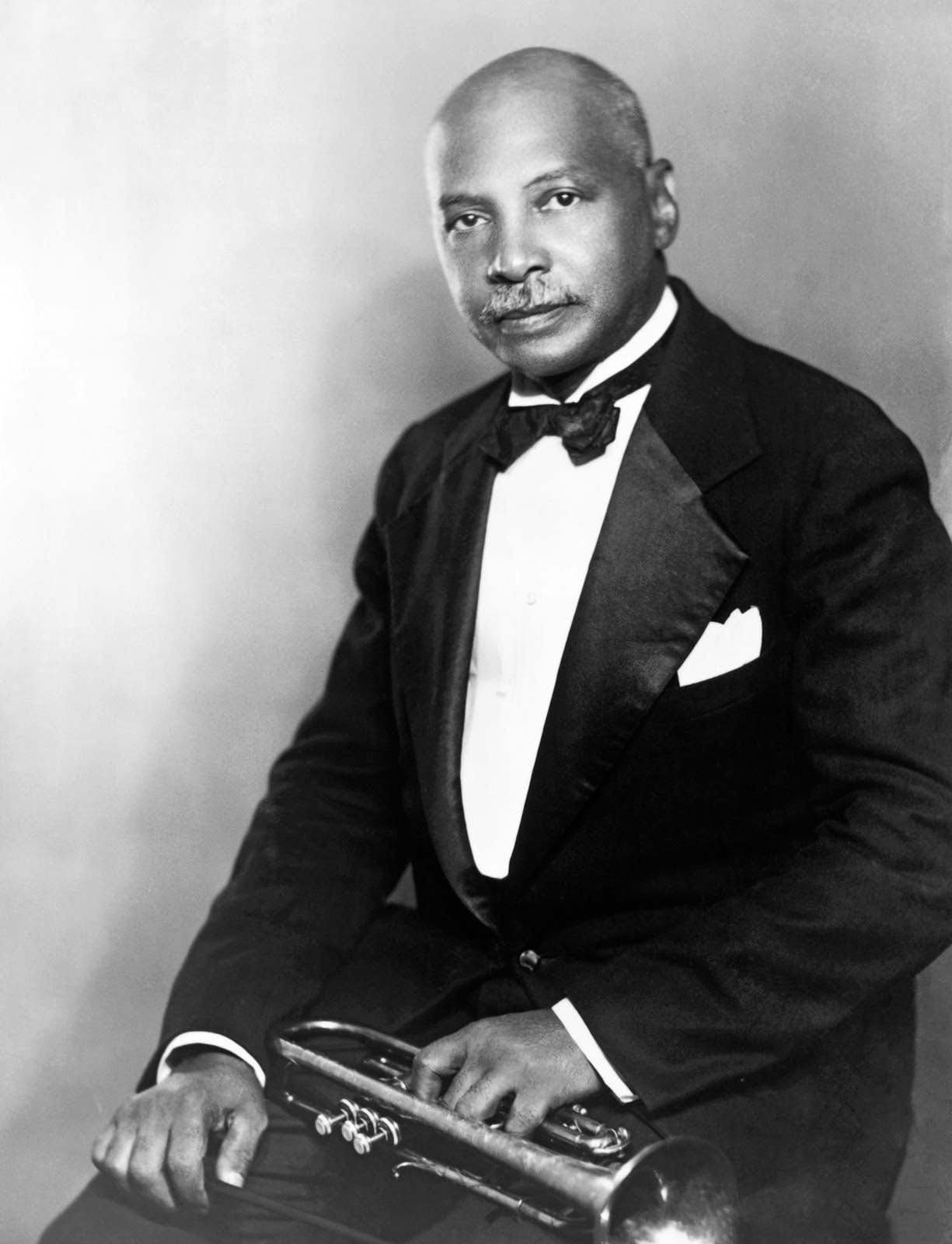
While not considered a flamboyant trendsetter, Billy Murray’s appearance contributed significantly to his image as a respectable and trustworthy entertainer. Promotional materials, including photographs and sheet music covers, typically depicted him in a dapper suit and tie, a style that reflected the sartorial norms of the early 20th century. This understated elegance conveyed a sense of professionalism and refinement, qualities that were highly valued in the burgeoning recording industry.
His attire was a reflection of the broader social and cultural values of the time. The suit, tie, and neatly groomed hair symbolized respectability and success, qualities that Murray embodied both on and off stage. This image helped to solidify his appeal to a wide range of audiences, from working-class families to affluent socialites. While other performers might have adopted more flamboyant or eccentric styles, Murray chose to present himself as a relatable and approachable figure, someone who could be trusted to deliver wholesome and entertaining performances.
Beyond his clothing, Murray's stage presence also contributed to his overall image. He was known for his confident and engaging demeanor, commanding the stage with a natural charisma that captivated audiences. His performances were carefully choreographed to maximize the impact of his voice and his message, creating a seamless blend of music and visual entertainment. This attention to detail, combined with his impeccable grooming and attire, helped to create a persona that was both appealing and respectable, a key factor in his enduring popularity.
Engineering & Sound Production Analysis
Billy Murray's success was inextricably linked to the advancements in acoustic recording technology during the first two decades of the 20th century. These early recording methods, while primitive by modern standards, allowed for the mass production and distribution of recorded music, creating a new avenue for musical expression and consumption. Murray was one of the first artists to fully embrace this technology, recognizing its potential to reach a vast audience and establish himself as a household name.
Acoustic recording involved capturing sound waves directly onto a wax or shellac disc using a large horn and a vibrating diaphragm. The limitations of this technology required singers to project their voices with considerable force and clarity. Murray's powerful tenor voice, combined with his meticulous enunciation, made him ideally suited for this process. He understood how to position himself in relation to the recording horn to maximize the volume and clarity of his voice. He also employed a variety of vocal techniques, such as breath control and precise articulation, to ensure that every syllable was captured with accuracy.
The resulting recordings, while lacking the dynamic range and frequency response of modern recordings, possessed a unique charm and intimacy. The inherent imperfections of the acoustic process, such as surface noise and limited frequency range, added to the character of the recordings, creating a distinctive sonic aesthetic that is both nostalgic and endearing. These early recordings provide a valuable glimpse into the soundscape of the early 20th century, allowing us to experience the music of that era in a raw and authentic way. The engineering challenges of the time also forced arrangers and musicians to be incredibly creative in their approach to recording, prioritizing clear melodic lines and strong rhythmic foundations. This emphasis on clarity and precision contributed to the enduring appeal of Murray's recordings.
Cultural Impact & Legacy
Billy Murray's cultural impact extended far beyond the realm of recorded music. His songs became ubiquitous in homes, theaters, and social gatherings across the United States, providing a soundtrack for a rapidly changing nation. His music helped to shape the cultural identity of the early 20th century, reflecting the hopes, dreams, and anxieties of a society undergoing profound social and technological transformations.
His influence can be seen in the popular dance crazes of the era. Songs like "Alexander's Ragtime Band" and other ragtime tunes inspired countless social dances, including the foxtrot and the one-step. These dances became a symbol of modernity and social liberation, allowing people to express themselves through movement and music. Murray's upbeat and rhythmically engaging songs fueled this dance craze, providing the soundtrack to a new era of social expression and youthful exuberance.
Furthermore, Murray's success helped to pave the way for future generations of recording artists. He demonstrated the potential of the recording industry to create a mass audience for popular music, inspiring countless other singers and musicians to pursue careers in the recording arts. His entrepreneurial spirit and his willingness to embrace new technologies helped to shape the modern music industry, laying the foundation for the commercial success of countless artists in the decades that followed. He demonstrated how artists could build a brand and connect with audiences on a national scale. His recordings continue to be enjoyed and studied today, offering valuable insights into the cultural and musical landscape of the early 20th century.
Critical Reception (Then vs Now)
During his lifetime, Billy Murray enjoyed immense popularity and widespread acclaim from the general public. His recordings sold millions of copies, and he was a highly sought-after performer on stage and radio. However, critical reception to his work was often mixed. Some critics dismissed his music as commercially driven and lacking in artistic depth, arguing that his focus on popular appeal compromised his artistic integrity.
These critics often contrasted Murray's work with that of more "serious" artists, such as opera singers and classical musicians. They argued that his music was too simplistic, too repetitive, and too focused on entertainment value to be considered true art. However, his immense popularity and undeniable contribution to the development of the recording industry cannot be denied.
In contrast, modern critics and historians have tended to view Murray's work in a more nuanced and appreciative light. They recognize his importance as a cultural figure and his significant contribution to the development of American popular music. They acknowledge the limitations of the acoustic recording technology of the time and appreciate the skill and artistry that Murray brought to his performances. Modern scholars also recognize the historical and cultural significance of his recordings, viewing them as valuable artifacts that provide insights into the social, political, and economic context of the early 20th century.
Today, Murray is celebrated as a pioneer of the recording industry and a key figure in the development of American popular music. His recordings are widely available on digital platforms and continue to be enjoyed by audiences of all ages. His legacy as "The Denver Nightingale" remains secure, ensuring that his music will continue to resonate with future generations.
Conclusion
Billy Murray's career was a testament to the power of popular music and the transformative potential of the recording industry. His energetic voice, impeccable enunciation, and savvy understanding of popular taste made him a star in the 1910s, leaving an indelible mark on the cultural landscape of the era. While critical opinions varied throughout his career, his legacy as a pioneer of the recording industry and a beloved entertainer remains firmly intact. Billy Murray, the "Denver Nightingale," secured his place in history as the Ragtime King.