Introduction: A Musical Prodigy Forged in Adversity
John William "Blind" Boone was more than just a ragtime pianist; he was a musical phenomenon, a testament to the resilience of the human spirit, and a significant, albeit often overlooked, figure in the development of American music. Born in 1864 in Miami, Missouri, Boone’s life was marked by adversity from the outset. Complications at birth, possibly involving a fever, resulted in the loss of his eyesight within his first year. However, this physical challenge became the unlikely catalyst for the emergence of an extraordinary musical talent. Boone’s story is not simply one of a blind musician, but one of a man who defied expectations, captivated audiences, and left an indelible mark on the landscape of ragtime and American popular music during the late 19th and early 20th centuries. 1900-1909 Few artists better represent the spirit of the 1900-1909 Music Era.
Boone's musical journey began inauspiciously. His family, recognizing his affinity for sound, provided him with rudimentary musical instruments. He quickly demonstrated an exceptional ability to mimic and reproduce melodies he heard. This innate musicality, coupled with an extraordinary memory, allowed him to develop a repertoire that spanned a wide range of musical styles, from classical pieces to popular tunes and the burgeoning sounds of ragtime.
Unlike many of his contemporaries, Boone lacked formal musical training. This absence of traditional instruction, rather than hindering his development, allowed him to forge a unique and improvisational style. He learned by ear, absorbing the musical landscape around him and translating it into his own distinctive voice on the piano. This self-taught approach contributed to the raw, energetic quality that characterized his performances and set him apart from other musicians of the era. His career flourished primarily during the 1900s, a pivotal period in the evolution of ragtime, allowing him to contribute significantly to its popularization and development. His story is a vital thread in the complex tapestry of American music history, deserving of recognition and deeper exploration.
In-depth Analysis of Musical Style/Evolution: Beyond Ragtime
While Blind Boone is often categorized as a ragtime pianist, his musical style transcended the narrow confines of a single genre. His repertoire was incredibly diverse, encompassing classical compositions, popular songs, hymns, and, of course, the syncopated rhythms of ragtime. What distinguished Boone was his ability to seamlessly blend these disparate influences, creating a musical tapestry that was both familiar and innovative.
His approach to ragtime was particularly noteworthy. While he embraced the characteristic syncopation and rhythmic drive of the genre, he infused it with his own unique sensibility. His playing was often described as possessing a raw, energetic quality, marked by intricate improvisations and unexpected melodic twists. He did not simply replicate existing ragtime pieces; he transformed them, adding his own personal stamp and pushing the boundaries of the genre.
Boone's lack of formal training proved to be a significant advantage in this regard. Unburdened by traditional musical conventions, he was free to experiment and explore new sonic possibilities. His improvisational skills were legendary. Audiences marveled at his ability to take a simple melody and weave it into a complex and captivating performance, filled with unexpected variations and embellishments. His performances were not simply recitals; they were spontaneous acts of creation, reflecting his unique musical vision.
Furthermore, his mastery of the keyboard was undeniable. Despite his blindness, he possessed an astonishing command of the instrument, navigating complex passages with speed, accuracy, and remarkable dexterity. His playing was characterized by a powerful left hand, providing a solid rhythmic foundation, and a nimble right hand, executing intricate melodic lines with effortless grace. His performances were a testament to his innate musical talent and years of dedicated practice.
The evolution of his musical style is challenging to trace definitively due to the limited number of surviving recordings. However, accounts suggest that his playing became increasingly sophisticated over time, as he continued to absorb new musical influences and refine his improvisational skills. He remained a compelling and innovative performer throughout his career, constantly pushing the boundaries of his own musical abilities and captivating audiences with his unique and unforgettable sound.
The 'Look': Fashion & Aesthetics Deep Dive
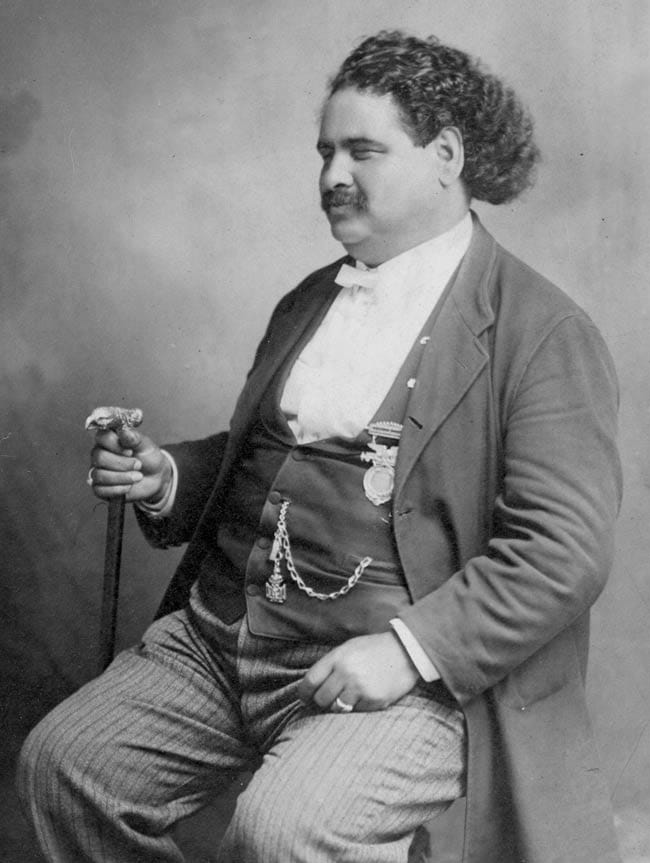
Although Blind Boone’s legacy rests primarily on his musical genius, his public persona and presentation also contributed significantly to his success and the way he was perceived by audiences. In an era where visual presentation held immense importance, particularly for performers, Boone's "look" played a crucial role in shaping his image and commanding respect.
Contemporary accounts and photographs depict Boone as a figure of dignified presence and composure. He typically appeared on stage in tailored suits, often dark in color, befitting a concert performer of the late 19th and early 20th centuries. These suits were not merely functional; they conveyed a sense of professionalism and respectability, crucial for an African-American performer navigating a racially prejudiced society.
The choice of attire was likely a conscious decision, aimed at challenging prevailing stereotypes and projecting an image of competence and artistry. By presenting himself as a polished and refined individual, Boone sought to transcend the limitations imposed upon him by his race and disability, and to be judged primarily on the merits of his musical talent. Accessories such as pocket watches and ties further enhanced this image of respectability and sophistication.
Beyond the clothing itself, Boone's demeanor on stage was equally important. He was known for his calm and collected stage presence, exuding confidence and authority. This composure, combined with his impeccable attire, created a powerful impression on audiences, commanding their attention and respect. His posture, gait, and overall presentation likely contributed to the perception of him as a serious artist, worthy of admiration and acclaim.
While direct personal accounts from Boone regarding his fashion choices are scarce, it's reasonable to infer that his presentation was carefully considered and executed. In a society where visual cues carried significant weight, Boone understood the importance of projecting a specific image. His clothing and demeanor served as a visual counterpoint to the prejudices he faced, allowing him to assert his dignity and command recognition as a gifted musician.
Engineering & Sound Production Analysis: Capturing a Legend
The preservation of Blind Boone's musical legacy is inextricably linked to the technological limitations of early sound recording. While his performances were legendary, only a handful of recordings survive, offering a tantalizing glimpse into his extraordinary talent.
Boone’s recordings were made during the nascent stages of sound recording technology. The methods used involved acoustic recording, where the sound waves were directly captured by a horn and etched onto a wax cylinder or disc. This process was inherently limited in its ability to capture the full dynamic range and tonal nuances of Boone's piano playing. The recording equipment was often bulky and cumbersome, further complicating the process.
These limitations are evident in the surviving recordings. The sound quality is often muffled and distorted, with a limited frequency range. The piano's bass notes tend to be weak, while the higher frequencies can sound shrill. The overall effect is a somewhat compressed and flattened representation of Boone's actual performance. Noise from the recording equipment and the surrounding environment further degrades the sound quality.
Despite these limitations, the recordings offer invaluable insights into Boone's musical style and virtuosity. Even through the distortions and imperfections, his improvisational brilliance and mastery of the keyboard are readily apparent. The recordings capture the raw energy and rhythmic drive of his playing, providing a tangible link to his live performances. While they do not fully convey the sonic richness of his piano playing, they serve as a crucial historical record of his unique talent.
Modern audio restoration techniques have been employed to improve the sound quality of these recordings. These techniques involve removing noise, reducing distortion, and enhancing the dynamic range. However, the extent to which the original sound can be recovered is limited by the inherent imperfections of the recording process. Nevertheless, these efforts have helped to make Boone's music more accessible to modern audiences, allowing them to appreciate his genius despite the technological constraints of the era.
Cultural Impact & Legacy: More Than Just a Musician
Blind Boone's cultural impact extends far beyond his musical performances. He was a symbol of resilience, determination, and artistic achievement in a society marked by racial prejudice and discrimination. His success challenged prevailing stereotypes and paved the way for other African-American musicians to gain recognition and acclaim.
Boone’s tours were extensive, taking him to towns and cities across the United States. His performances exposed audiences to the rich and diverse musical traditions of African-American culture, including ragtime, blues, and spirituals. He helped to popularize these genres and to break down cultural barriers. His performances were not simply musical events; they were cultural exchanges, fostering greater understanding and appreciation between different communities.
Furthermore, Boone was a role model for aspiring musicians, particularly those from marginalized communities. His story demonstrated that talent and determination could overcome adversity, and that even those with disabilities could achieve greatness. He inspired countless individuals to pursue their musical dreams, regardless of the obstacles they faced.
The legacy of Blind Boone lives on through his music and his story. His recordings continue to be studied and appreciated by music scholars and enthusiasts. His life has been the subject of biographies, documentaries, and theatrical productions, ensuring that his story is not forgotten. The Blind Boone Home and School for Negro Children in Missouri, which he helped to establish, stands as a testament to his commitment to social justice and education.
While his name may not be as widely recognized as some of his contemporaries, Blind Boone remains a significant figure in American music history. His contributions to ragtime and his inspiring story of overcoming adversity deserve greater recognition and appreciation. He was a true pioneer, a musical innovator, and a cultural icon.
Critical Reception (Then vs Now): Shifting Perspectives
The critical reception of Blind Boone's music during his lifetime was complex and often contradictory, reflecting the racial biases and cultural norms of the era. While his extraordinary talent was undeniable, his performances were sometimes viewed through the lens of prejudice and stereotype.
Many contemporary critics acknowledged Boone's technical virtuosity and improvisational skills. They marveled at his ability to play complex pieces from memory and to create spontaneous variations on familiar themes. However, some critics struggled to categorize his unique blend of musical styles, often resorting to simplistic labels that failed to capture the nuances of his playing. Some reviewers patronized him, focusing more on his disability than his musical abilities.
Despite these challenges, Boone garnered significant acclaim and recognition during his career. He was praised for his showmanship and his ability to connect with audiences. His performances were often described as captivating and energetic, drawing large crowds and generating positive reviews. His widespread popularity provided him with a platform to showcase his talent and to challenge prevailing stereotypes.
In contrast, modern critical reception of Blind Boone's music is generally more nuanced and appreciative. Scholars and enthusiasts now recognize his significant contributions to the development of ragtime and American popular music. His recordings are studied and analyzed for their historical and musical significance. His story is celebrated as an example of resilience and artistic achievement in the face of adversity.
Contemporary critics also acknowledge the limitations of the recording technology of the time and the challenges of accurately assessing Boone's talent based on the surviving recordings. However, they recognize the importance of preserving and promoting his legacy, ensuring that his contributions to American music are not forgotten. The modern perspective emphasizes Boone's unique musical voice, his improvisational genius, and his cultural impact, recognizing him as a true pioneer and a significant figure in American music history.
Conclusion: An Enduring Legacy of Sound and Spirit
Blind Boone's life and music represent a remarkable confluence of talent, resilience, and cultural significance. Despite facing profound adversity in the form of blindness and racial prejudice, he rose to become a celebrated pianist, composer, and cultural icon. His story is a testament to the power of the human spirit to overcome obstacles and to create beauty in the face of hardship.
Boone's musical legacy extends beyond the confines of ragtime. His diverse repertoire, improvisational brilliance, and mastery of the keyboard cemented his place as a true musical innovator. His performances captivated audiences and challenged prevailing stereotypes, paving the way for other African-American musicians to gain recognition and acclaim.
The limited surviving recordings of Boone's music offer a tantalizing glimpse into his extraordinary talent. Despite the technological limitations of the time, these recordings capture the raw energy and rhythmic drive of his playing, providing a tangible link to his live performances. Modern efforts to restore and preserve these recordings ensure that his music will continue to be appreciated by future generations.
Blind Boone's cultural impact is undeniable. He was a symbol of resilience, determination, and artistic achievement in a society marked by racial prejudice and discrimination. His story continues to inspire and to remind us of the importance of recognizing and celebrating the contributions of marginalized communities to the cultural landscape. John William "Blind" Boone's legacy endures, a vibrant testament to the transformative power of music and the indomitable spirit of a true American original.