Comprehensive Introduction
Byron G. Harlan occupies a unique and significant place in the history of American popular music. A prolific tenor vocalist during the first two decades of the 20th century, Harlan wasn't just a singer; he was a pioneer of the recording industry, a vital conduit connecting the music hall traditions of the late 19th century with the burgeoning world of recorded sound. Born in Kansas in 1861, Harlan's career blossomed during the acoustic era, a period defined by its rudimentary recording technology that demanded exceptional vocal projection and clarity. He became a household name, his voice emanating from phonographs across the nation, singing ragtime, novelty songs, and popular hits that defined the soundscape of a rapidly changing America. He is perhaps best known for his extensive work with Arthur Collins, forming a duo that became synonymous with upbeat, comedic recordings that captured the zeitgeist of the era. While not as widely remembered today as some of his contemporaries, Harlan’s contribution to popularizing early 20th-century music and solidifying the nascent recording industry is undeniable. His energetic performances and clear enunciation set a standard for early recording artists, and his vast discography provides a valuable window into the musical tastes and cultural sensibilities of a bygone era. 1910-1919 Within the broader context of the 1910-1919 Music Era, their work remains timeless.
In-depth Analysis of Musical Style/Evolution
Byron G. Harlan’s musical style was characterized by its versatility and its focus on popular appeal. He was not a composer in the traditional sense, but rather an interpreter, a skilled vocalist who brought life and energy to the compositions of others. His repertoire was incredibly diverse, reflecting the eclectic tastes of the American public at the turn of the century. He embraced ragtime with particular enthusiasm, a genre then sweeping the nation with its syncopated rhythms and infectious melodies. Harlan’s ragtime recordings, often performed with Arthur Collins, were marked by their speed, precision, and playful energy. Songs like "Alexander's Ragtime Band," though not originally written by Harlan, became associated with his distinctive interpretation. He had a knack for capturing the spirit of the era, projecting a sense of optimism and exuberance that resonated with audiences.
Beyond ragtime, Harlan also excelled at novelty songs, comedic numbers that often featured clever lyrics and humorous situations. These songs were often topical, commenting on current events or social trends in a lighthearted manner. His ability to deliver these songs with impeccable timing and comedic flair contributed greatly to their popularity. He also performed a wide range of popular ballads and sentimental songs, demonstrating his vocal versatility and his ability to connect with audiences on an emotional level. While his recordings were primarily aimed at entertainment, they also offer a valuable glimpse into the social and cultural landscape of the early 20th century. The themes explored in his songs – from romantic love to social commentary – reflect the hopes, dreams, and anxieties of a nation undergoing rapid transformation.
Harlan's musical evolution reflects the changes within the popular music landscape of the time. As the recording industry matured, so too did Harlan's style. While his early recordings were often characterized by a somewhat theatrical, almost vaudevillian delivery, his later work demonstrated a greater subtlety and nuance. He adapted to the changing tastes of the public, incorporating new musical styles and techniques into his performances. His collaboration with Arthur Collins was particularly crucial to his artistic development. The duo developed a distinctive vocal style, characterized by close harmonies, call-and-response patterns, and a palpable sense of camaraderie. Their performances were not simply recitations of lyrics; they were carefully crafted dialogues, full of wit and energy. The legacy of Collins & Harlan extended far beyond their individual talents; they set a standard for vocal duets in popular music that would influence generations of artists to come.
The 'Look': Fashion & Aesthetics Deep Dive
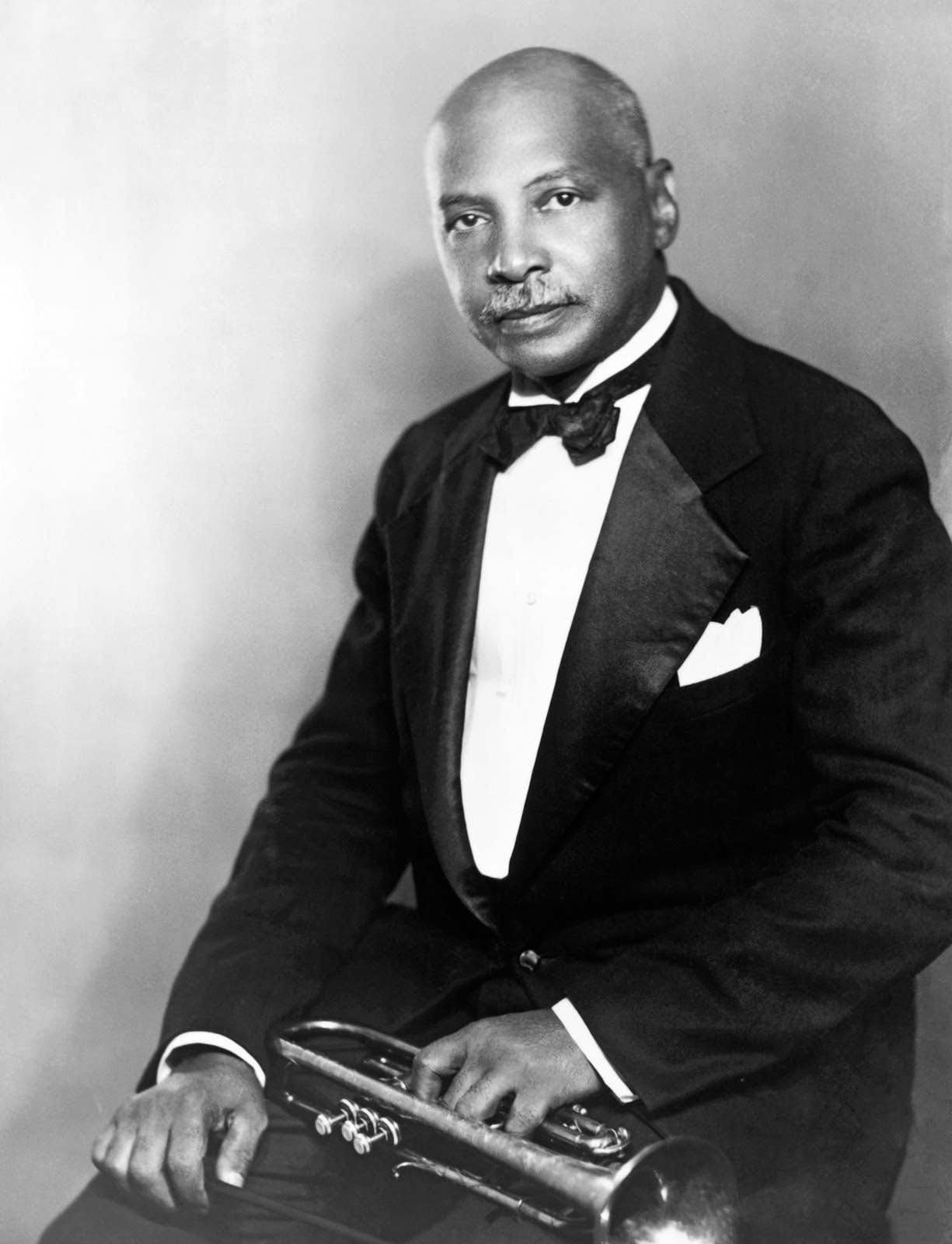
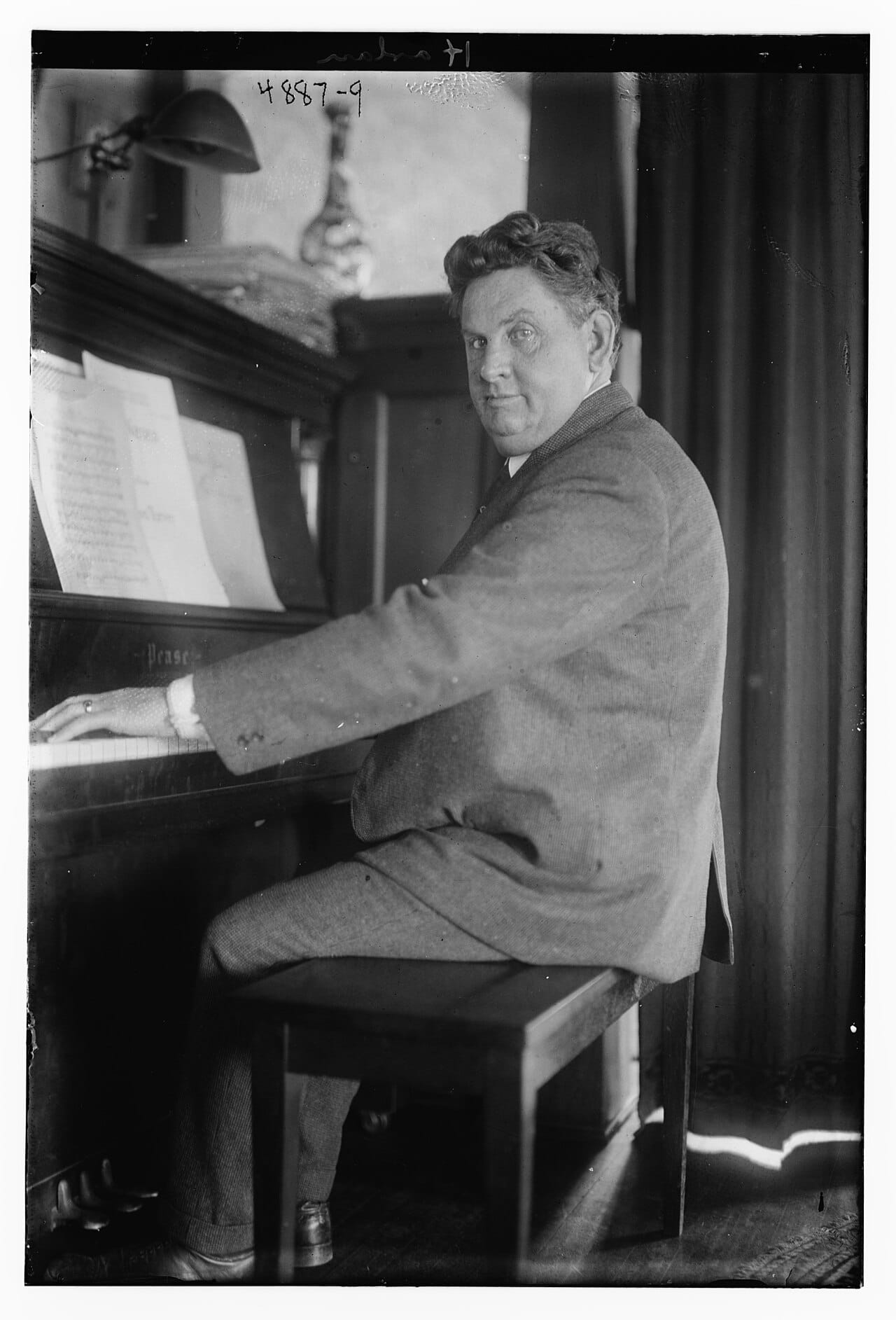
Although visual documentation of Byron G. Harlan is limited compared to modern artists, we can extrapolate his public image and aesthetic from the prevailing sartorial norms of the early 1900s and the context of his profession. As a performer in a rapidly evolving entertainment industry, maintaining a respectable and polished appearance was essential. Harlan's "look" would have been one of dignified respectability, aligning with the expectations of his audience and the social conventions of the time.
The cornerstone of Harlan's wardrobe would have been the suit. Single-breasted or double-breasted suits in dark colors like navy, grey, or black were the standard attire for men of the era. These suits were typically made of wool or tweed, reflecting the practicality and durability required for everyday wear. The cut of the suit would have been relatively formal, with structured shoulders and a fitted silhouette. Underneath the suit jacket, Harlan would have worn a crisp white shirt, meticulously pressed and starched. Collars were typically high and starched, requiring a tie or cravat to complete the ensemble. Ties were often patterned or textured, adding a touch of personality to the otherwise formal attire. Waistcoats were also a common addition, adding an extra layer of formality and sophistication.
Facial hair was also an important aspect of the early 20th-century male aesthetic. While it's difficult to say definitively what style Harlan favored, a neatly trimmed mustache would have been a likely choice. Mustaches were seen as a sign of maturity and sophistication, and they were widely adopted by men of all social classes. Hair would have been neatly groomed and parted, often with the aid of hair pomade or tonic to maintain a slicked-back appearance. The overall impression would have been one of meticulous grooming and attention to detail. While perhaps not overtly flamboyant, Harlan's "look" would have conveyed a sense of professionalism and respectability, aligning with the values and expectations of his audience. He represented a clean-cut, trustworthy image, essential for success in the burgeoning world of entertainment.
Engineering & Sound Production Analysis
Byron G. Harlan's recording career was entirely confined to the acoustic era, a period that presented unique challenges and opportunities for recording artists. Unlike modern recording techniques, which rely on microphones and electronic amplification, acoustic recording depended entirely on the artist's ability to project sound directly into a recording horn. This horn, in turn, vibrated a diaphragm that etched sound waves onto a wax cylinder or disc. The limitations of this technology demanded exceptional vocal control and precise articulation. Harlan's success in the acoustic era is a testament to his mastery of these techniques.
To achieve optimal sound quality, Harlan would have had to stand close to the recording horn, projecting his voice with considerable force. He would have had to carefully modulate his volume and intonation to avoid distortion or unwanted noise. The recording process was often physically demanding, requiring artists to maintain a consistent posture and deliver their performances with unwavering energy. Furthermore, the acoustic recording process was unforgiving. There was no opportunity for editing or overdubbing. Every performance had to be flawless, capturing the entirety of the song in a single take. This required meticulous preparation and rehearsal, as well as a high degree of confidence and skill.
The sonic characteristics of Harlan's recordings are also shaped by the limitations of the recording technology. The frequency range of acoustic recordings was relatively narrow, meaning that they captured only a limited portion of the audible spectrum. This resulted in a somewhat compressed and muffled sound, lacking the clarity and detail of modern recordings. However, the acoustic process also imparted a unique sonic character to the recordings, a warmth and intimacy that is often lacking in more technically perfect modern productions. Harlan's voice, in particular, benefits from this warmth, lending a richness and resonance to his performances that are both appealing and historically significant. His ability to adapt to these limitations and produce compelling recordings is a hallmark of his artistry.
Cultural Impact & Legacy
Byron G. Harlan's cultural impact extends far beyond his individual recordings. He was a key figure in the popularization of early 20th-century music, helping to shape the musical tastes of a generation. His recordings provided a soundtrack for a rapidly changing America, reflecting the hopes, dreams, and anxieties of a nation on the cusp of modernity. He played a crucial role in establishing the recording industry as a viable form of entertainment, paving the way for future generations of artists.
Harlan's extensive discography provides a valuable window into the social and cultural landscape of the early 20th century. His songs offer insights into the popular culture, social attitudes, and everyday life of the era. His ragtime recordings, in particular, helped to popularize this distinctly American musical genre, contributing to its widespread acceptance and cultural significance. His comedic songs, often topical and satirical, provide a glimpse into the social and political issues of the day. And his sentimental ballads offer a reflection of the romantic ideals and emotional sensibilities of the time.
Harlan's legacy also lies in his influence on future generations of recording artists. His clear enunciation, energetic performances, and mastery of the acoustic recording process set a standard for early recording artists. His collaboration with Arthur Collins helped to define the vocal duet as a popular form of entertainment, inspiring countless other duos to follow in their footsteps. While his name may not be as widely recognized today as some of his contemporaries, his contributions to the development of popular music and the recording industry are undeniable. He remains a significant figure in the history of American music, a testament to the power of popular entertainment to shape and reflect the cultural landscape of a nation.
Critical Reception (Then vs Now)
Byron G. Harlan enjoyed immense popularity during his recording career, captivating audiences with his energetic performances and accessible musical style. He was a household name, his recordings selling in large numbers and his voice a familiar presence in homes across the country. Contemporary critics, however, were sometimes less enthusiastic, often dismissing his work as novelty or light entertainment. Some perceived his songs as simplistic and lacking in artistic depth, preferring the more sophisticated sounds of opera or classical music. This criticism, however, largely reflected the prevailing cultural biases of the time, which often marginalized popular music in favor of more "serious" art forms.
Modern critics, on the other hand, tend to view Harlan's work through a more nuanced and historically informed lens. They acknowledge the limitations of the acoustic recording process and appreciate the skill and artistry required to produce compelling recordings under such constraints. They also recognize the cultural significance of his music, understanding its role in shaping the musical tastes of a generation and popularizing genres like ragtime. Modern critics are more likely to appreciate the humor and wit of his comedic songs, as well as the emotional resonance of his sentimental ballads. They also recognize the value of his recordings as historical documents, offering valuable insights into the social and cultural landscape of the early 20th century.
The shift in critical reception reflects a broader change in attitudes towards popular music. In the early 20th century, popular music was often seen as disposable entertainment, lacking the artistic merit of classical or operatic forms. Today, popular music is widely recognized as a legitimate art form, worthy of serious study and critical analysis. This change in perspective has allowed for a more appreciative and nuanced understanding of artists like Byron G. Harlan, whose contributions to the development of popular music and the recording industry are now widely acknowledged.
Conclusion
Byron G. Harlan's legacy rests not only on his impressive discography but also on his significant contributions to the nascent recording industry and the popularization of early 20th-century music. As a tenor vocalist, he possessed a rare talent for connecting with audiences, conveying energy, humor, and emotion through his performances. His adaptability allowed him to navigate the limitations of acoustic recording, becoming a pioneer of the medium. While contemporary critics sometimes overlooked his artistic merit, modern perspectives recognize the cultural significance of his work and his influence on subsequent generations of recording artists. Byron G. Harlan, the ragtime pioneer, remains a vital figure in the history of American popular music, his recordings a testament to the power of entertainment to shape and reflect the cultural landscape of a nation in transition. He was more than just a singer; he was a cultural ambassador, a voice of his time, and a key player in the development of the music industry as we know it today.