Cal Stewart, a name perhaps unfamiliar to modern ears, was a towering figure in the nascent recording industry of the early 20th century. Often hailed as "The King of Rural Humor," Stewart carved a unique niche for himself by crafting comedic monologues and dialogues steeped in the vernacular and experiences of rural America. His creation, the iconic character "Uncle Josh Weathersby," became a household name, bringing laughter and a sense of shared identity to a rapidly changing nation. This biography delves into Stewart's career during his peak years, 1900-1909, exploring his comedic style, his impact on early sound recording, his adoption of a rural aesthetic, and the lasting legacy he left on American comedy.
Comprehensive Introduction
Born in Charlotte County, Virginia, in 1856, Cal Stewart's early life provided ample fodder for his later comedic endeavors. He worked various jobs, including as a train news butcher (a vendor who sold newspapers and goods on trains), experiences that exposed him to a diverse cross-section of American life. This exposure, combined with a keen observation of human nature and a talent for storytelling, laid the groundwork for his future career. Around the turn of the century, Stewart began to record comedic monologues for companies like Edison Records, Columbia Records, and Victor Talking Machine Company. These recordings, often delivered in a distinct, drawling voice and peppered with folksy expressions, quickly gained popularity. His most famous creation, Uncle Josh Weathersby, was a quintessential rural character – shrewd, humorous, and always ready with a witty observation on the absurdities of modern life. Through Uncle Josh, Stewart tapped into a deep well of nostalgia and affection for rural traditions, resonating strongly with audiences who were either directly connected to or had recently migrated from rural communities. 1900-1909 As a defining figure of the 1900-1909 Music Era, they shaped the cultural landscape.
In-depth Analysis of Musical Style/Evolution
While not a musician in the traditional sense, Cal Stewart’s work possessed a rhythmic quality inherent in his storytelling and use of language. His performances were not songs, but rather spoken-word pieces, structured around comedic narratives. These narratives often centered on Uncle Josh's interactions with city folk, his misadventures with newfangled inventions, or his philosophical musings on the changing world. Stewart's genius lay in his ability to mimic the speech patterns, vocal inflections, and storytelling techniques of rural Americans. He skillfully employed dialect, slang, and folksy idioms, creating a sense of authenticity and immediacy. The "music" in his performances came from the cadence of his voice, the timing of his jokes, and the overall rhythm of his narratives. These were meticulously crafted performances, designed to evoke laughter and recognition from his audience. Over time, Stewart’s performances evolved slightly, incorporating more sophisticated narrative structures and a wider range of characters, while always maintaining the core appeal of rural humor and the endearing persona of Uncle Josh. His success paved the way for other comedic storytellers who embraced regional dialects and character-based humor, demonstrating the power of spoken-word comedy in the early recording era.
The 'Look': Fashion & Aesthetics Deep Dive
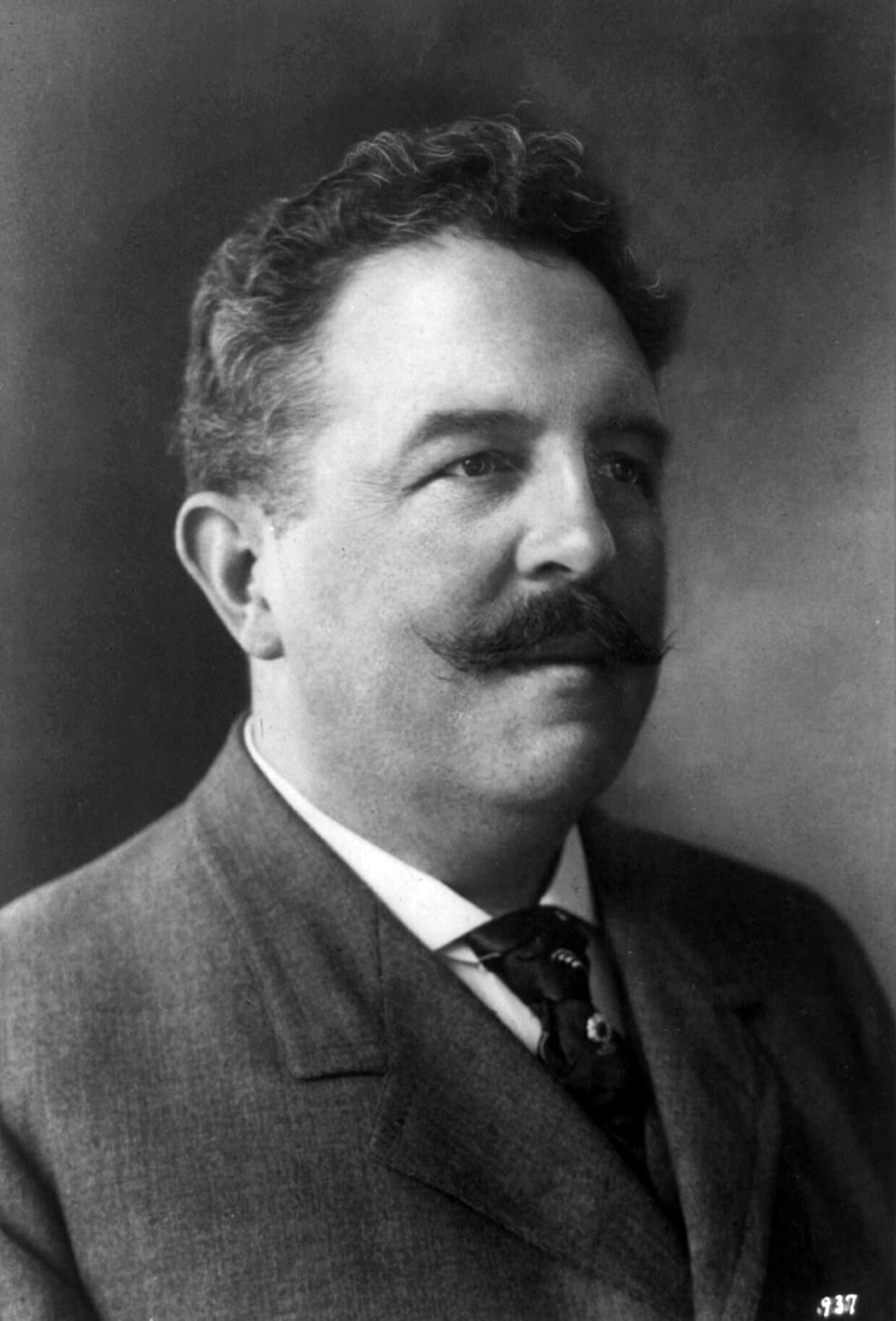
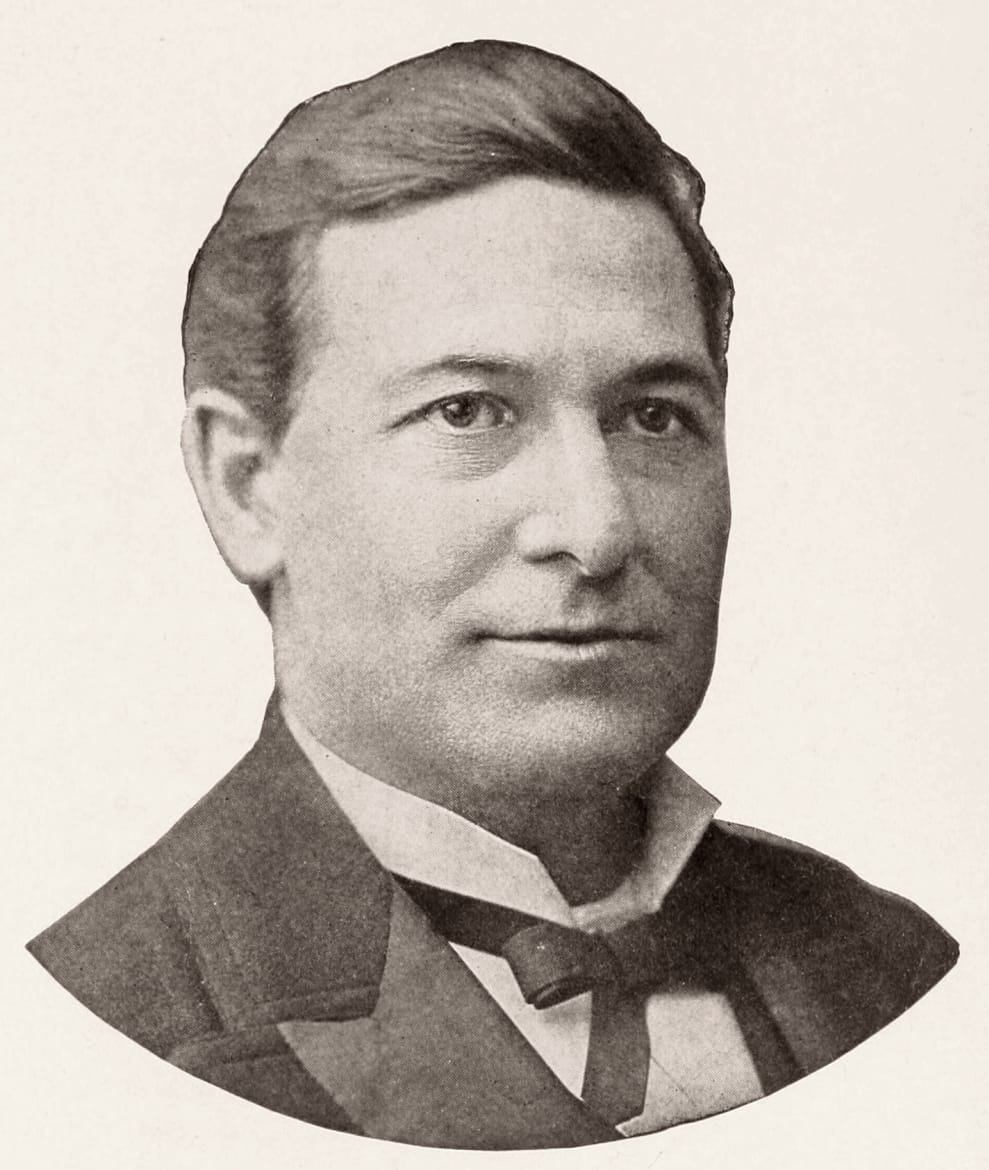
Cal Stewart's public image was deliberately crafted to reinforce his rural persona. While photographic evidence from the period is limited, descriptions and illustrations suggest a preference for simple, unpretentious attire. He wasn't known for flamboyant or fashionable clothing. Instead, he likely favored practical, comfortable garments that would have been typical of a rural farmer or small-town dweller. This might have included a simple suit, overalls, or a vest, often paired with a hat – perhaps a straw hat or a felt hat, depending on the season. The key was to project an image of authenticity and relatability. His appearance was an extension of his character, reinforcing the notion that he was a genuine voice of rural America. He likely avoided overly polished or sophisticated looks, understanding that such attire would alienate his target audience. In an era where visual media was becoming increasingly important, Stewart understood the power of image and consciously adopted a "down-home" aesthetic to enhance his comedic storytelling. This attention to detail, however subtle, contributed to his widespread appeal and solidified his position as the "King of Rural Humor."
Engineering & Sound Production Analysis
Cal Stewart's recordings offer a fascinating glimpse into the early days of sound engineering. These recordings, made primarily on wax cylinders and later on shellac discs, are inherently lo-fi by modern standards. The technology of the time was limited, resulting in recordings that often suffer from surface noise, distortion, and a narrow frequency range. Despite these limitations, Stewart's performances shine through. His strong vocal delivery, clear enunciation, and impeccable comedic timing were crucial in overcoming the technological hurdles. The recording process itself was rudimentary, often involving a simple horn into which Stewart would speak or perform. The sound vibrations would then be etched onto the recording medium. The resulting sound was direct and unfiltered, creating a sense of intimacy and immediacy. There was no room for elaborate sound effects or post-production techniques. The focus was solely on capturing Stewart's voice and his comedic timing. In this sense, the limitations of the technology actually enhanced the authenticity of the performances. The raw, unpolished sound reinforced the notion that Stewart was a genuine voice of the people, speaking directly to his audience without any artifice or embellishment. This "warts and all" approach resonated strongly with listeners who were accustomed to the limitations of early sound reproduction.
Cultural Impact & Legacy
Cal Stewart's cultural impact during the early 1900s was significant. He helped to shape the landscape of American comedy and entertainment, demonstrating the commercial viability of rural humor and character-based storytelling. His creation, Uncle Josh Weathersby, became a cultural icon, representing a nostalgic ideal of rural life and providing a source of comfort and amusement for a rapidly changing nation. Stewart's success paved the way for other comedic performers who embraced regional dialects and character-driven comedy, including figures like Minnie Pearl and Bob Burns. He also influenced the development of stand-up comedy, demonstrating the power of spoken-word performance and the importance of connecting with an audience through humor and storytelling. Beyond his comedic influence, Stewart's recordings provide a valuable historical record of early 20th-century American life. They offer insights into the language, customs, and attitudes of the time, providing a window into a bygone era. His work reminds us of the importance of preserving and celebrating regional cultures and the power of humor to connect people across generations.
Critical Reception (Then vs Now)
During his lifetime, Cal Stewart enjoyed immense popularity with the general public. His recordings sold in large numbers, and he was a sought-after performer on the vaudeville circuit. However, critical reception to his work was more mixed. Some critics dismissed his humor as simple or unsophisticated, arguing that it relied too heavily on stereotypes and folksy clichés. They viewed his performances as entertainment for the masses, lacking the intellectual depth or artistic merit of more "highbrow" forms of comedy. Other critics, however, recognized Stewart's skill as a storyteller and his ability to connect with a large audience. They praised his use of dialect, his comedic timing, and his ability to capture the spirit of rural America. Today, Stewart's work is viewed with a greater appreciation for its historical and cultural significance. Scholars recognize his importance in the development of American comedy and his role in preserving and popularizing rural traditions. While his humor may seem dated to some modern audiences, his recordings offer a valuable glimpse into the past and provide insights into the cultural landscape of the early 20th century. His work is now often studied as a form of folk art, reflecting the values and beliefs of a particular time and place.
Conclusion
Cal Stewart, the "King of Rural Humor," may not be a household name in the 21st century, but his impact on American comedy and culture remains undeniable. Through his iconic character, Uncle Josh Weathersby, Stewart captured the imagination of a nation grappling with rapid industrialization and urbanization. His comedic monologues, steeped in the vernacular and experiences of rural America, resonated deeply with audiences seeking connection and familiarity in a rapidly changing world. While his recordings reflect the limitations of early sound technology, his strong vocal delivery, impeccable comedic timing, and authentic persona shine through, offering a valuable glimpse into a bygone era. Cal Stewart's legacy extends beyond his comedic success. He helped to shape the landscape of American entertainment, paving the way for future generations of comedic storytellers and preserving a vital part of American cultural heritage. His work serves as a reminder of the power of humor to connect people, celebrate regional cultures, and provide a window into the past.