Era:
Charles K. Harris, a name perhaps less familiar today than those of his Tin Pan Alley contemporaries, nevertheless stands as a pivotal figure in the history of American popular music. More than just a songwriter, Harris was a shrewd businessman and a pioneer in the burgeoning sheet music industry of the late 19th and early 20th centuries. While his compositions might not be considered high art by today's standards, his impact on the popularization of music and the development of the music business is undeniable. He earned the moniker "King of the Tearjerkers" for his emotionally charged ballads, and his most famous song, "After the Ball," became a phenomenal success, selling millions of copies and solidifying his place in musical history. 1910-1919 To truly appreciate the 1910-1919 Music Era, one must understand the impact of this artist.
In-depth Analysis of Musical Style & Evolution
Harris's musical style was deeply rooted in the sentimental ballad tradition. His songs were characterized by their simple melodies, straightforward harmonies, and emotionally evocative lyrics. He understood the power of a good story, and his songs often told tales of love, loss, betrayal, and redemption. "After the Ball," for instance, narrates the tragic tale of a man who misinterprets a seemingly innocent encounter between his sweetheart and another man at a ball, leading to decades of heartache and loneliness. This narrative, coupled with a memorable melody, resonated deeply with audiences.
A key element of Harris's success was his mastery of the 32-bar AABA song form. This structure, which would become a staple of popular song writing, provided a framework for his melodies to unfold in a predictable yet satisfying way. The AABA form allowed for repetition, variation, and a clear sense of resolution. He rarely deviated from this format, opting instead to refine and perfect it to maximize its emotional impact. He also understood the importance of accessibility. His songs were designed to be easily played on pianos by amateur musicians in middle-class homes. The melodies were singable, the harmonies were simple, and the arrangements were relatively uncluttered. This ensured that his music could be enjoyed by a wide audience, regardless of their musical training.
While Harris's music may not have been innovative in a harmonic or rhythmic sense, it was undeniably effective in conveying emotion. His lyrics, though often sentimental and melodramatic, touched on universal themes that resonated with his listeners. He had a knack for capturing the anxieties and aspirations of the American middle class, and his songs provided an outlet for their emotions. He was not trying to push boundaries or experiment with new sounds; he was simply trying to create music that people would enjoy and connect with on an emotional level.
The 'Look': Fashion & Aesthetics Deep Dive
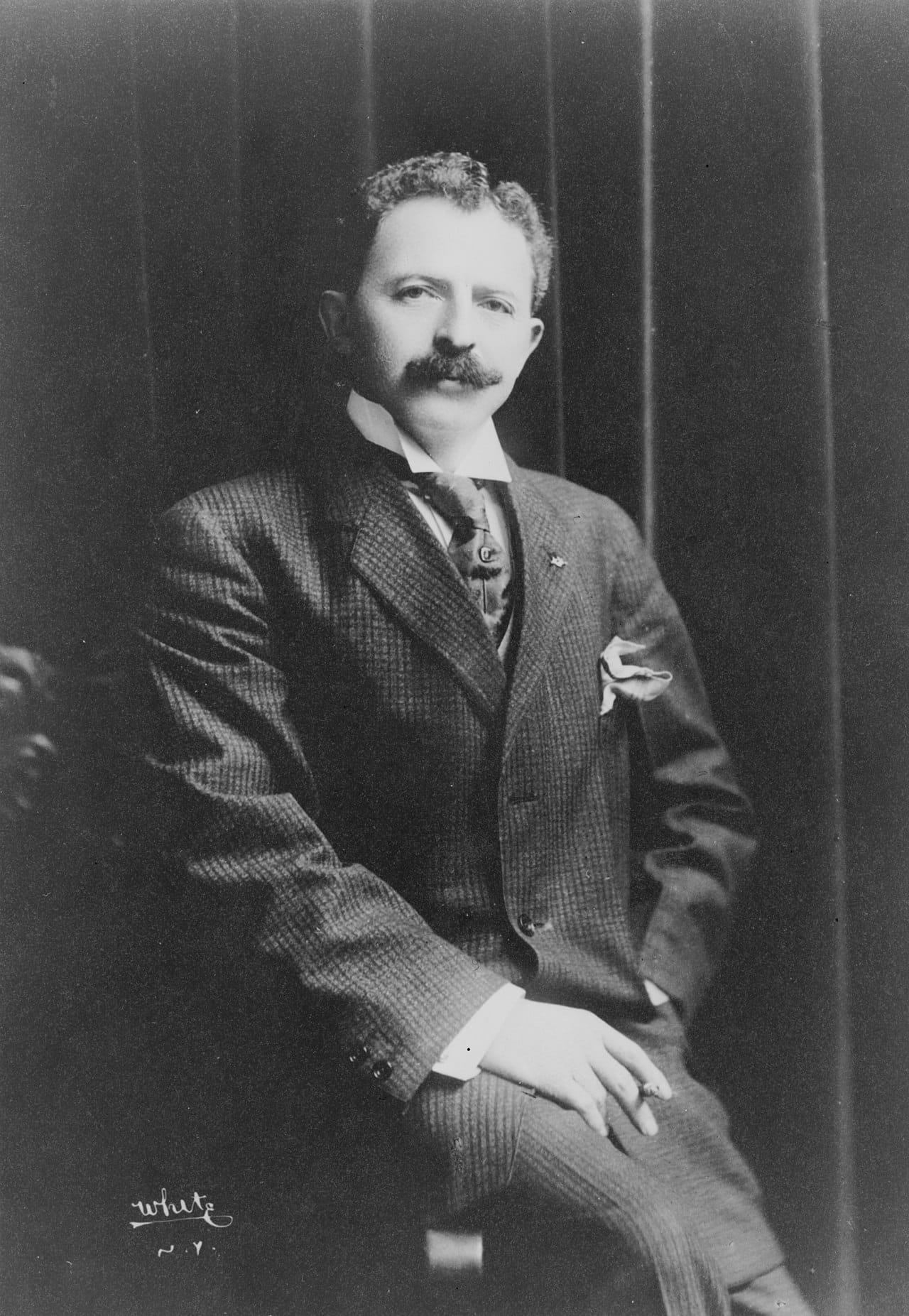
Charles K. Harris understood the importance of image in projecting success and trustworthiness to his audience. He wasn't a flamboyant performer known for outrageous costumes or shocking stage presence. Instead, he cultivated an image of respectable, middle-class gentility. His public persona was carefully crafted to appeal to the conservative tastes of his target demographic.
His attire typically consisted of well-tailored suits, often in dark colors, worn with crisp white shirts and conservative ties. He favored a clean-shaven appearance or a neatly trimmed mustache, projecting an air of professionalism and trustworthiness. This image was consistent across his photographs, sheet music covers, and public appearances. He understood that his appearance was part of his brand, and he used it to reinforce the idea that he was a reliable and respectable source of entertainment.
The aesthetic of his sheet music covers also reflected this emphasis on respectability and sentimentality. The covers often featured idealized images of families, couples in love, or scenes from everyday life. The typography was elegant and understated, and the overall design conveyed a sense of refinement and sophistication. The sheet music itself was often adorned with decorative elements, such as floral borders or ornamental fonts, further enhancing its appeal to a middle-class audience.
Unlike later generations of pop stars who embraced counter-cultural fashion, Harris understood that his audience valued tradition and conformity. His style was a reflection of this understanding, and it played a significant role in his commercial success. He presented himself as one of them, someone who shared their values and understood their aspirations.
Engineering & Sound Production Analysis
Charles K. Harris's impact on the music industry was less about revolutionizing sound production and more about mastering the engineering of mass distribution and accessibility. While he wasn't a technical innovator in the recording studio (as recordings were in their infancy during his peak), his profound understanding of the sheet music business was revolutionary. He recognized that the key to success lay in getting his music into as many homes as possible.
His focus was on crafting melodies that were easy to play on the pianos that were increasingly becoming a fixture in middle-class homes. He understood that the vast majority of his audience were amateur musicians, and he tailored his music to their skill level. The arrangements were simple and uncluttered, allowing even novice players to produce a pleasing sound. This emphasis on accessibility was a key factor in his success.
He was also a pioneer in the self-publishing of sheet music. He founded his own publishing company, which allowed him to retain control over his music and maximize his profits. He understood the importance of effective marketing and distribution, and he invested heavily in promoting his songs. He hired salesmen to travel the country, showcasing his music to retailers and consumers. He also used print advertising extensively, placing ads in newspapers and magazines to reach a wider audience.
While he didn't directly influence the development of recording technology, his success paved the way for the rise of the modern music industry. He demonstrated the power of mass production and distribution, and he showed how music could be transformed into a profitable commodity. His business acumen was as important as his musical talent in shaping the landscape of popular music.
Cultural Impact & Legacy
Charles K. Harris's cultural impact extended far beyond the realm of music. He helped to shape the social and cultural landscape of the late 19th and early 20th centuries by providing the soundtrack for countless social gatherings. His songs were played in parlors, at dances, and at public events across the country, fostering a sense of community and shared musical experience.
His music reflected the values and aspirations of the American middle class, and it helped to solidify their cultural identity. His songs celebrated love, family, and patriotism, and they provided an emotional outlet for a generation grappling with rapid social and economic change. He captured the anxieties and hopes of a nation on the cusp of modernity, and his music resonated deeply with his listeners.
Beyond his musical contributions, Harris left a lasting legacy as a pioneer in the music business. He demonstrated the power of self-publishing, effective marketing, and mass distribution. He helped to transform music from a niche art form into a mass entertainment industry. His business practices laid the foundation for the modern music industry, and his influence can still be felt today.
Though his music is less frequently heard today, his impact on the popularization of music and the development of the music business is undeniable. He was a key figure in shaping the cultural landscape of his time, and his legacy continues to resonate in the music industry today.
Critical Reception (Then vs Now)
During his lifetime, Charles K. Harris enjoyed immense commercial success, but his music also faced criticism from some quarters. While his songs were beloved by the general public, some critics derided them as formulaic, sentimental, and lacking in artistic depth. They argued that his music was designed to manipulate emotions rather than to express genuine feeling. They contrasted his popular appeal with the more sophisticated musical styles of classical composers and jazz musicians.
In retrospect, it's clear that Harris's music served a different purpose than that of high art. He wasn't trying to create timeless masterpieces; he was trying to create music that would resonate with the emotions of the masses. He understood the power of simplicity and accessibility, and he used these qualities to his advantage. His music may not have been groundbreaking in a harmonic or rhythmic sense, but it was undeniably effective in conveying emotion and creating a sense of community.
Today, Harris's music is often viewed with a mixture of nostalgia and historical interest. While it may not be considered high art, it is recognized as an important part of American popular culture. His songs provide a glimpse into the values and aspirations of a bygone era, and they offer a valuable insight into the development of the music industry.
Contemporary critics often acknowledge the historical significance of Harris's work, even if they are not particularly fond of his musical style. They recognize that he played a crucial role in popularizing music and shaping the music business, and they appreciate his understanding of marketing and distribution. While his music may not appeal to modern sensibilities, his legacy as a pioneer in the music industry is undeniable.
Conclusion
Charles K. Harris, the "King of the Tearjerkers," stands as a testament to the power of understanding one's audience. While his compositions might not be considered musically complex by today's standards, his impact on the popularization of music and the development of the music business is undeniable. He was a shrewd businessman, a master of the sentimental ballad, and a pioneer in the self-publishing of sheet music. He understood the importance of accessibility, effective marketing, and mass distribution. His legacy extends far beyond his musical compositions, shaping the social and cultural landscape of the late 19th and early 20th centuries. He paved the way for the modern music industry, demonstrating the power of music as a profitable commodity and a unifying force in American society. Though tastes have evolved and musical landscapes have shifted, the echoes of Charles K. Harris's influence continue to resonate in the way we create, distribute, and consume music today.
© Music Artist Vault. All rights reserved.