A Pivotal Figure in the Dawn of Recorded Music
Comprehensive Introduction
Dan W. Quinn, a name perhaps unfamiliar to the casual listener of today, stands as a giant in the history of recorded music. Active during the crucial formative years of the recording industry (roughly 1900-1909), Quinn was a prolific and immensely popular tenor vocalist. He wasn't just a singer; he was a key player in shaping popular taste and defining the sound of the era. His extensive discography, primarily recorded for Berliner and Victor Talking Machine Company, provides a fascinating window into the musical landscape of the early 20th century. Quinn’s career trajectory mirrored the burgeoning popularity of the phonograph, and his success was inextricably linked to the technological advancements and shifting cultural norms that defined the period. Before the advent of radio and the widespread availability of recorded music, artists like Quinn were instrumental in bringing popular songs and sentimental ballads into homes across America, effectively democratizing access to musical entertainment. 1900-1909 They played a crucial role in the development of the 1900-1909 Music Era.
To understand Quinn's significance, one must appreciate the context of his era. The turn of the century was a time of immense social and technological change. The United States was rapidly industrializing, urbanizing, and witnessing a massive influx of immigrants. The phonograph, initially a novelty, was quickly evolving into a powerful medium for entertainment and cultural dissemination. Quinn, with his clear diction, pleasing vocal tone, and shrewd selection of repertoire, perfectly captured the spirit of the age. He offered a blend of patriotic fervor, sentimental romance, and lighthearted humor that resonated deeply with a broad spectrum of listeners. He wasn’t just singing songs; he was reflecting and shaping the collective emotional experience of a nation on the cusp of modernity.
In-depth Analysis of Musical Style/Evolution
Dan W. Quinn's musical style was firmly rooted in the popular song traditions of his time. He was primarily a tenor, possessing a voice characterized by its clarity, strength, and pleasing timbre. He sang with a characteristic vibrato, common among singers of the era, and his diction was exceptionally precise, a necessity given the limitations of early recording technology. His repertoire consisted largely of sentimental ballads, comic songs, patriotic anthems, and minstrel tunes (a genre whose problematic racial stereotypes must be acknowledged and critically examined). He had a knack for selecting songs that were both melodically appealing and thematically relevant to his audience.
Analyzing Quinn's musical evolution is challenging due to the limited availability of biographical information and the relatively short span of his peak popularity. However, by listening to his recordings chronologically, one can discern subtle shifts in his vocal approach and song selection. In his earlier recordings, one notices a slightly more formal and operatic delivery, perhaps reflecting the lingering influence of 19th-century vocal traditions. As his career progressed, he seemed to adapt his style to the evolving tastes of the listening public, embracing a more relaxed and conversational approach. He also began to incorporate more contemporary songs into his repertoire, reflecting the changing musical landscape.
His arrangements were generally straightforward, reflecting the limitations of the acoustic recording process. Typically, he was accompanied by a small ensemble of instruments, often including piano, banjo, and strings. These arrangements prioritized clarity and rhythmic precision, ensuring that Quinn's voice remained the focal point. While not pushing the boundaries of musical innovation, Quinn possessed an innate understanding of what appealed to his audience. He understood the power of a catchy melody, a heartfelt lyric, and a well-delivered performance. It was this combination of vocal skill, astute song selection, and engaging delivery that propelled him to stardom in the early 1900s.
The 'Look': Fashion & Aesthetics Deep Dive
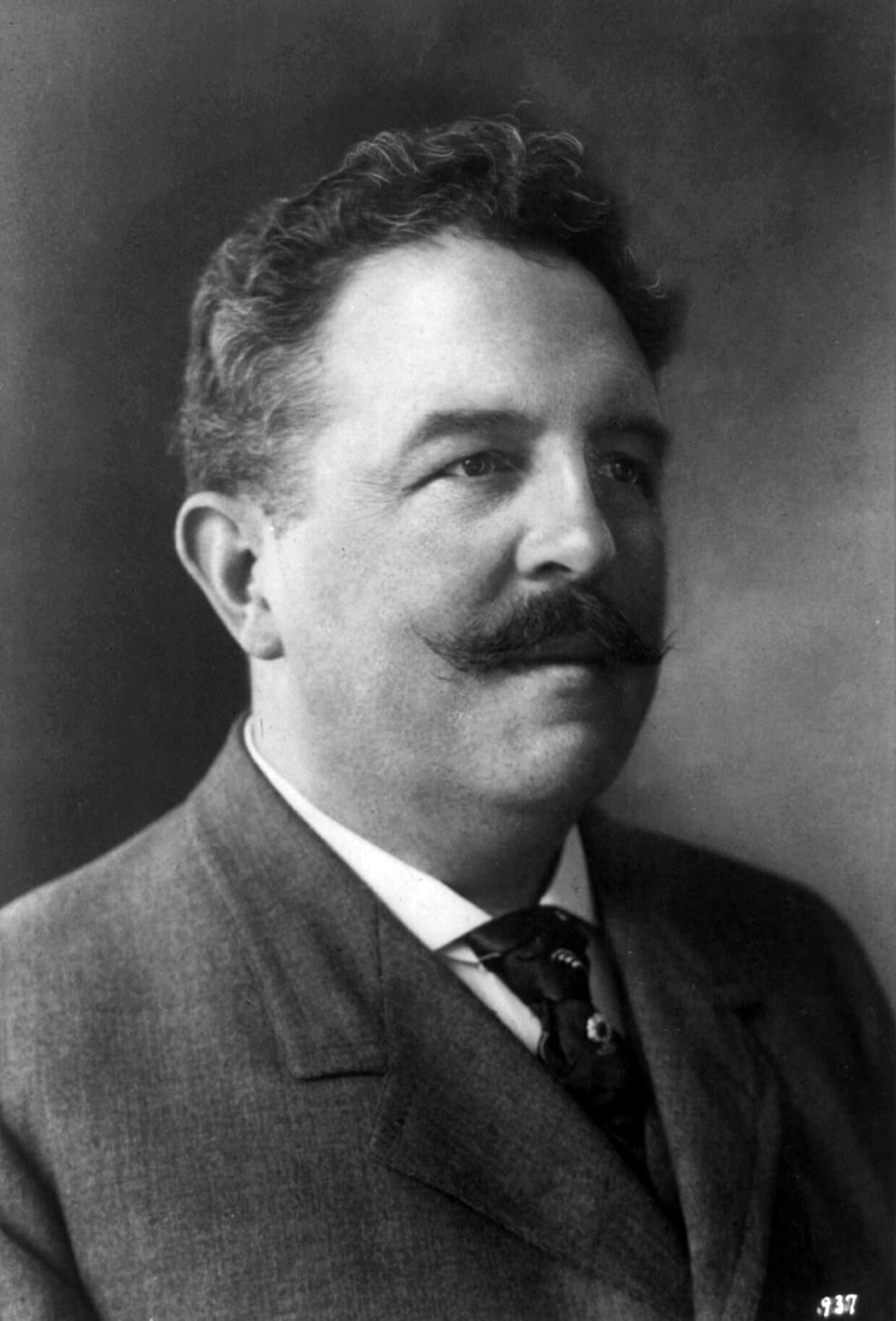
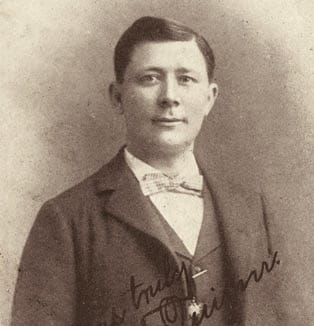
While photographic and visual records of Dan W. Quinn are relatively scarce, we can infer his personal style from the prevailing sartorial norms of the early 1900s and the expectations placed upon performers of the era. As a successful recording artist, he would have likely presented himself in a manner that exuded respectability and professionalism. This meant adhering to the formal attire of the time, particularly for recording sessions and any public appearances.
It's highly probable that Quinn favored well-tailored suits or jackets, likely made of wool or tweed, in dark and muted colors such as navy, gray, or brown. Waistcoats were a common element of men's fashion during this period, adding another layer of formality. Shirts would have been high-collared and often starched, paired with ties or cravats. Given the emphasis on formality, his footwear likely consisted of polished leather shoes or boots. While flamboyant displays of wealth were frowned upon, subtle indicators of success, such as a quality pocket watch or a stylish hat (bowler or fedora), would have been appropriate.
His overall aesthetic would have been one of understated elegance and professionalism. He would have presented himself as a man of refinement and taste, reflecting the values of the era and the expectations of his audience. While not a revolutionary fashion icon, Quinn's appearance would have been carefully curated to enhance his image as a respected and admired performer. The absence of extensive visual documentation highlights the ephemeral nature of early recording artists' public personas, relying more on auditory impression than visual spectacle.
Engineering & Sound Production Analysis
Dan W. Quinn's recordings offer a valuable insight into the technical challenges and creative solutions employed during the acoustic era of sound recording. Unlike modern recording techniques that rely on electronic amplification and sophisticated microphone technology, acoustic recording involved capturing sound vibrations directly onto a wax or shellac master disc using a purely mechanical process. This placed significant demands on both the performer and the recording engineer.
<
To create a recording, Quinn would have had to stand in front of a large horn, projecting his voice directly into it. The vibrations of his voice would then be transferred through a diaphragm to a stylus, which would cut a groove into the rotating wax disc. The limitations of this process meant that only the loudest and most direct sounds could be effectively captured. This required Quinn to possess exceptional vocal control and projection. He had to modulate his voice carefully, ensuring that it was loud enough to register on the recording while also maintaining clarity and avoiding distortion.
The placement of the performer and the instruments was also crucial. Engineers experimented with different arrangements to optimize the balance and clarity of the recording. Instruments that produced louder sounds, such as brass instruments, would have been placed further away from the horn, while quieter instruments, such as strings, would have been positioned closer. The recording process was also highly susceptible to external noise. Any unwanted sounds, such as street traffic or coughs from the audience, could be inadvertently captured on the recording. As a result, recording sessions were often conducted in specially designed studios that were insulated from external noise. Despite these limitations, the engineers and performers of the acoustic era were able to produce recordings of remarkable quality. Dan W. Quinn's recordings stand as a testament to their ingenuity and artistic skill.
Cultural Impact & Legacy
Dan W. Quinn's cultural impact during the early 1900s was considerable. As one of the most popular recording artists of his time, he played a significant role in shaping popular taste and disseminating musical entertainment across the United States. His recordings brought a diverse range of songs, from sentimental ballads to comic tunes, into homes across the country, contributing to the democratization of musical culture. Before the advent of radio and widespread access to live performances, recordings were the primary means by which people experienced music. Quinn, along with other prominent recording artists of the era, effectively became the voice of the nation, providing a soundtrack for everyday life.
His popularity also contributed to the growth and development of the recording industry. As demand for his records increased, record labels invested in new technologies and expanded their distribution networks. This, in turn, led to the creation of a broader market for recorded music, paving the way for the rise of future generations of recording artists. While his name may not be as widely recognized today as some of his contemporaries, his contribution to the history of popular music is undeniable. He helped to establish the recording industry as a viable and influential force in American culture.
Furthermore, his recordings serve as a valuable historical record of the musical styles and cultural values of the early 20th century. They offer a glimpse into the lives and experiences of ordinary Americans, reflecting their hopes, dreams, and anxieties. By listening to Quinn's recordings, we can gain a deeper understanding of the social and cultural context in which they were created. In this sense, his legacy extends beyond mere entertainment; he has become a valuable historical resource for scholars and researchers interested in the history of popular music and American culture.
Critical Reception (Then vs Now)
During his active years, Dan W. Quinn enjoyed considerable popular acclaim. Audiences were drawn to his clear voice, engaging delivery, and the emotional resonance of his songs. He was a consistent hit-maker, with many of his recordings achieving widespread commercial success. Contemporary reviews often praised his vocal clarity and his ability to connect with listeners on an emotional level. However, some critics also expressed reservations about his repertoire, which they found somewhat predictable and occasionally overly sentimental.
In retrospect, Quinn's critical reception is more nuanced. While his contributions to the early recording industry are widely acknowledged, some modern critics view his musical style as somewhat dated and lacking in artistic innovation. The sentimental ballads and minstrel tunes that formed a significant part of his repertoire are viewed with greater scrutiny today, reflecting a greater awareness of the problematic racial stereotypes that were prevalent in popular culture during the early 20th century. It is essential to contextualize his work within the historical context in which it was created, acknowledging both its strengths and its limitations.
Despite these criticisms, Quinn's importance as a pioneer of recorded music remains undiminished. He was a key figure in shaping the sound of the early 1900s, and his recordings provide a valuable window into the musical tastes and cultural values of the era. While his music may not appeal to all listeners today, his legacy as a pivotal figure in the history of popular music is secure. A fair critical assessment must acknowledge his impact on the developing sound recording industry and its place in the lives of average Americans.
Conclusion
Dan W. Quinn's career offers a compelling case study of an artist whose success was deeply intertwined with the rise of the recording industry. He was more than just a singer; he was a cultural ambassador, bringing music and entertainment into homes across America during a period of profound social and technological change. His clear tenor voice, engaging performance style, and shrewd selection of repertoire made him one of the most popular recording artists of his time.
While his musical style may seem somewhat dated to modern ears, his contributions to the development of popular music are undeniable. He helped to establish the recording industry as a viable and influential force in American culture, paving the way for future generations of artists. His recordings also serve as a valuable historical record of the musical tastes and cultural values of the early 20th century, providing a glimpse into the lives and experiences of ordinary Americans. Though often overlooked in contemporary discussions of music history, Dan W. Quinn deserves recognition as a significant figure in the dawn of recorded sound, a voice that helped to define an era and shape the future of popular music.