Earl Fuller's Famous Jazz Band occupies a crucial, if somewhat under-acknowledged, position in the genesis of jazz music. Emerging in the late 1910s, at a time when the boundaries between ragtime, novelty music, and early jazz were fluid and contested, Fuller's ensemble straddled these genres, offering a glimpse into the evolving soundscape of American popular music. While their recorded output was relatively brief, and hampered by the limitations of early recording technology, their impact on popularizing a nascent jazz idiom is undeniable. This biography and analysis delves into the band's musical style, visual presentation, technical limitations, cultural impact, and critical reception to paint a comprehensive picture of Earl Fuller's contribution to music history. 1910-1919 Historically, they are inseparable from the identity of the 1910-1919 Music Era.
In-depth Analysis of Musical Style/Evolution
Earl Fuller's Famous Jazz Band's musical style is best understood as a transitional phase between the structured formalism of ragtime and the looser, more improvisational nature of early jazz. While the band certainly employed syncopation, a hallmark of ragtime, they also incorporated elements that would later become central to jazz vocabulary. This included a greater emphasis on collective improvisation, albeit within a relatively constrained harmonic and melodic framework. The instrumentation, typically consisting of cornet, clarinet, trombone, piano, drums, and often banjo, was fairly standard for the era. However, the way these instruments interacted was where Fuller's band began to deviate from established norms.
Unlike the more rigidly arranged performances of many ragtime ensembles, Fuller encouraged a degree of spontaneous variation within the arrangements. This can be heard in the interplay between the cornet and clarinet, where call-and-response patterns and brief improvised solos began to emerge. The trombone, often played with a boisterous and slightly humorous style, added a distinctive "slapstick" element that appealed to popular audiences. The rhythm section, anchored by the piano and drums, provided a steady, danceable pulse, but even here, subtle variations in tempo and rhythmic accents hinted at the rhythmic complexities that would later characterize more developed forms of jazz.
A close listening to their recordings reveals a constant negotiation between written arrangements and spontaneous improvisation. Certain sections are clearly pre-determined, with melodies and harmonies strictly adhered to. Other sections, however, offer glimpses of the musicians' individual personalities, with brief solos or improvised fills that add a layer of unpredictability to the music. This blend of structure and spontaneity was a key factor in the band's appeal, as it provided listeners with a familiar framework while also introducing them to the exciting possibilities of improvised music. Titles like "Slippery Hank" and "Yah-De-Dah" highlight the band's playful approach and appeal to a broad audience, blending musical innovation with entertainment.
The 'Look': Fashion & Aesthetics Deep Dive
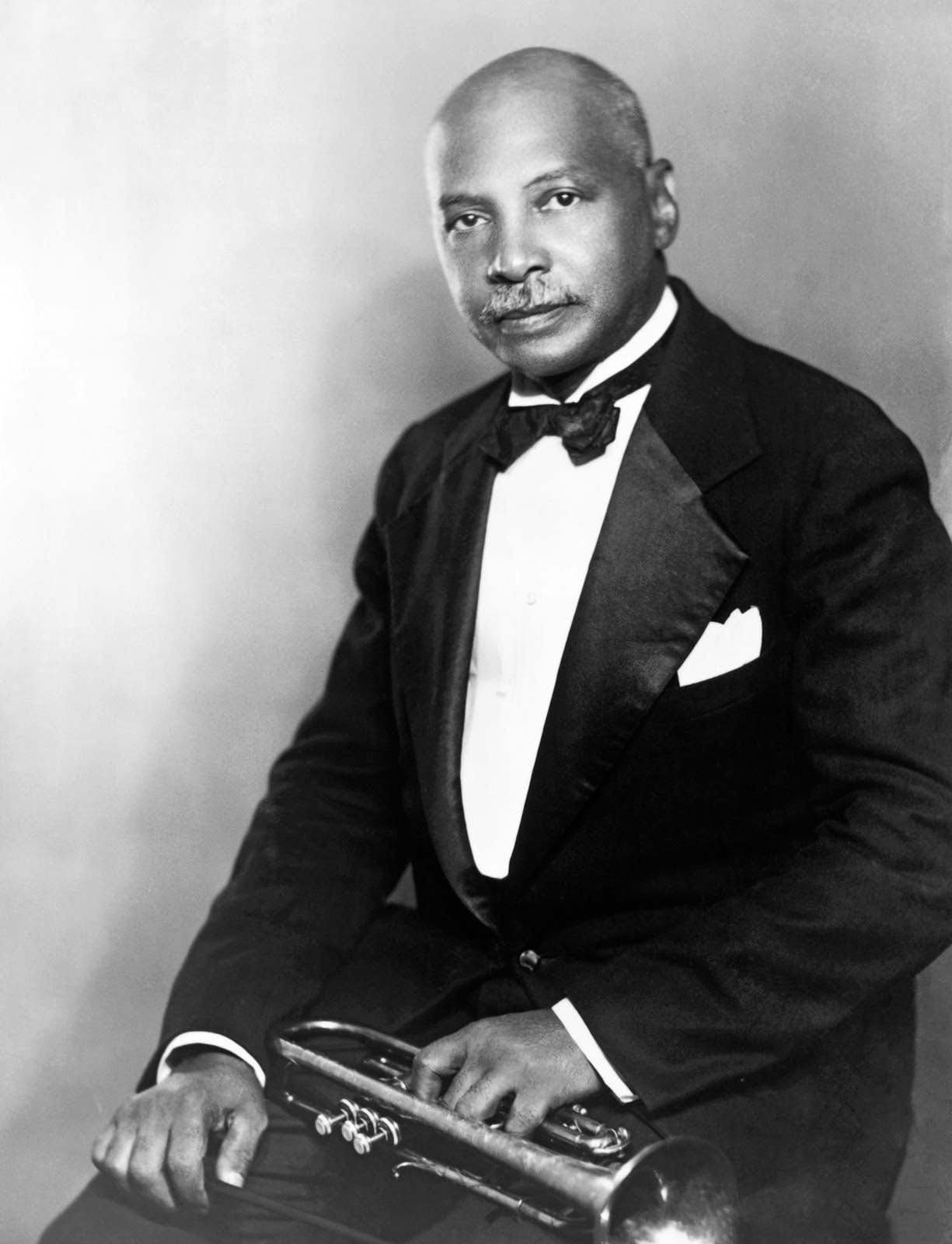
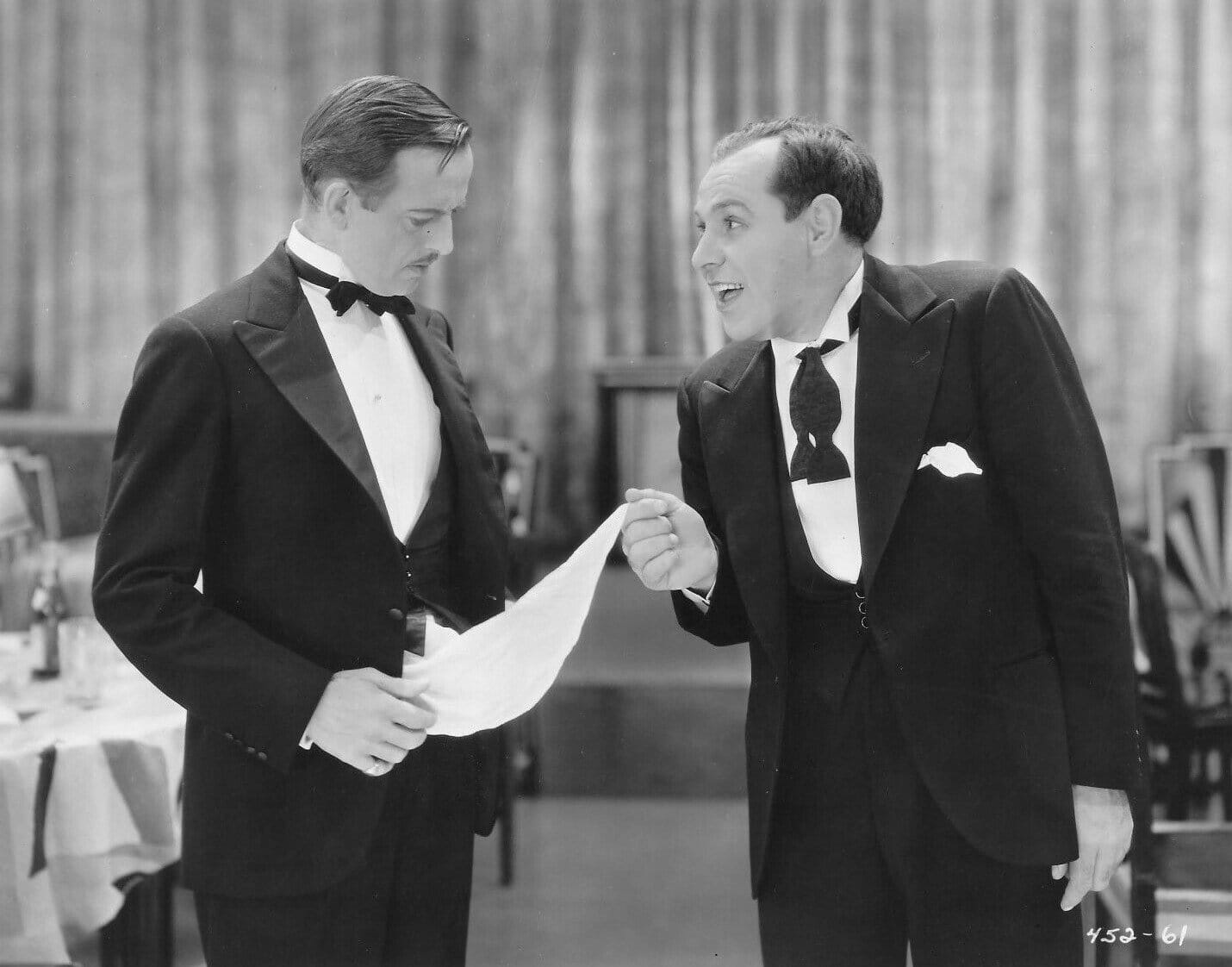
While visual documentation of Earl Fuller's Famous Jazz Band is limited, we can infer their aesthetic presentation from the cultural norms of the time and the available evidence, such as publicity photos and reviews. In an era when formality was still highly valued, particularly in public performances, the band likely presented a carefully cultivated image of respectability. This would have translated into formal attire, typically consisting of suits, ties, and polished shoes for all members. The specific style of the suits may have varied slightly, but the overall impression would have been one of professionalism and decorum.
This emphasis on formality was not merely a matter of personal preference. It was also a strategic decision, aimed at gaining acceptance for a new and somewhat controversial form of music. Jazz, in its early days, was often viewed with suspicion by the cultural establishment, who saw it as vulgar, unsophisticated, and even morally questionable. By presenting themselves as respectable and professional musicians, Fuller and his band were attempting to counteract these negative stereotypes and legitimize their music in the eyes of a broader audience.
Beyond the clothing itself, the band's overall demeanor would have contributed to their visual presentation. Photographs suggest a serious, focused attitude towards their music, with each member appearing intent on delivering a polished and professional performance. This commitment to professionalism, combined with their formal attire, helped to create an image of sophistication that set them apart from some of the more raucous and less formally presented jazz ensembles of the era. It was a calculated move to carve a space for this new music within the existing cultural landscape, softening the edges of a revolutionary sound with a veneer of familiar respectability.
Engineering & Sound Production Analysis
The recordings of Earl Fuller's Famous Jazz Band offer a fascinating glimpse into the early days of sound recording technology. Limited to acoustic recording methods, these recordings present significant challenges for modern listeners accustomed to the clarity and dynamic range of contemporary sound production. Acoustic recording involved capturing sound vibrations directly onto a wax or shellac disc using a mechanical horn and stylus. This process was inherently limited in its ability to capture the full frequency range of the music, resulting in a sound that is often compressed, muffled, and lacking in detail.
The limitations of acoustic recording also impacted the way the band performed. Musicians had to position themselves strategically around the recording horn to achieve the best possible balance. Louder instruments, such as the drums and trombone, often had to be placed further away to avoid overwhelming the recording, while quieter instruments, such as the clarinet, had to be positioned closer to ensure they were audible. This artificial arrangement often resulted in a distorted representation of the band's actual sound, with certain instruments being emphasized at the expense of others.
Furthermore, the dynamic range of acoustic recording was severely limited. Loud passages had to be carefully controlled to avoid distortion, while quiet passages often became lost in the background noise. This meant that the band had to sacrifice some of their expressive range, playing with a narrower dynamic palette than they would have in a live performance. Despite these limitations, the recordings of Earl Fuller's Famous Jazz Band remain valuable historical documents, providing a unique snapshot of the early development of jazz music. While the sound quality may not be ideal, the energy and enthusiasm of the performances still manage to shine through, offering a tantalizing glimpse into the vibrant musical scene of the late 1910s.
Cultural Impact & Legacy
Earl Fuller's Famous Jazz Band, though not a household name today, played a significant role in popularizing early jazz music and paving the way for future generations of jazz musicians. Their recordings, though limited in number, reached a wide audience, introducing many listeners to the exciting new sounds of syncopated music and improvisation. By bridging the gap between ragtime and early jazz, Fuller's band helped to legitimize jazz as a form of popular entertainment, paving the way for its eventual acceptance as a legitimate art form.
The band's energetic performances and catchy melodies also contributed to the growing dance craze of the era. Their music provided the soundtrack for countless social gatherings, encouraging people to move and express themselves in new and exciting ways. In doing so, Fuller's band helped to break down social barriers and promote a more open and inclusive culture. The impact of their music extended beyond the dance floor, influencing the fashion, language, and attitudes of the younger generation.
While Fuller's band may not have been at the forefront of jazz innovation, their contribution to the popularization and dissemination of the music should not be underestimated. They served as a crucial stepping stone between the structured formalism of ragtime and the more adventurous experimentation of later jazz styles. Their legacy lies in their ability to connect with a broad audience, introducing them to the joys of jazz and helping to establish it as a vital and enduring part of American culture. They helped normalize this new sound for a broader public, making it more palatable and accessible, which in turn, opened doors for more avant-garde artists to experiment and push the boundaries of the genre.
Critical Reception (Then vs Now)
Contemporary critical reception of Earl Fuller's Famous Jazz Band was mixed, reflecting the uncertainty and debate surrounding the definition of "jazz" in its early years. Some critics embraced the band as an exciting evolution of ragtime, praising their energetic performances and catchy melodies. Others dismissed their music as novelty or cacophony, questioning its artistic merit and accusing them of pandering to popular taste. The very term "jazz" was itself a subject of contention, with many critics unsure whether Fuller's music truly qualified as such.
Those who praised the band often focused on their ability to entertain and engage audiences. They appreciated the band's infectious rhythms, their playful improvisations, and their overall sense of fun. These critics saw Fuller's band as a welcome departure from the more staid and formal music of the past, embracing their music as a symbol of modernity and progress. They recognized the energy and excitement that the band brought to the stage, and they appreciated their ability to connect with audiences on a visceral level.
On the other hand, those who criticized the band often focused on their perceived lack of musical sophistication. They accused the band of sacrificing artistic integrity for commercial success, arguing that their music was too simplistic, repetitive, and lacking in depth. These critics often lamented the decline of traditional musical values, seeing jazz as a threat to the established order. Today, Earl Fuller's Famous Jazz Band is viewed with a more nuanced perspective. While their music may not be considered groundbreaking by modern standards, their historical significance is undeniable. They are recognized as important pioneers of early jazz, who played a crucial role in popularizing the music and paving the way for future generations of jazz musicians. Their recordings are now valued as historical documents, offering a valuable glimpse into the early development of a uniquely American art form.
Conclusion
Earl Fuller's Famous Jazz Band occupies a vital, if often overlooked, position in the history of early jazz. Their music, a blend of ragtime's structure and jazz's nascent improvisational spirit, helped bridge the gap between these evolving genres. Though limited by the constraints of early recording technology and subject to the biases of contemporary critics, their impact on popularizing jazz is undeniable. They presented a respectable image, helping to legitimize the genre for a wider audience. Their legacy lies in their role as popularizers and bridge-builders, making jazz accessible and paving the way for the more adventurous innovations that would follow. By understanding their place within the cultural and technological landscape of the late 1910s, we can appreciate their contribution to the rich and complex tapestry of American music history.