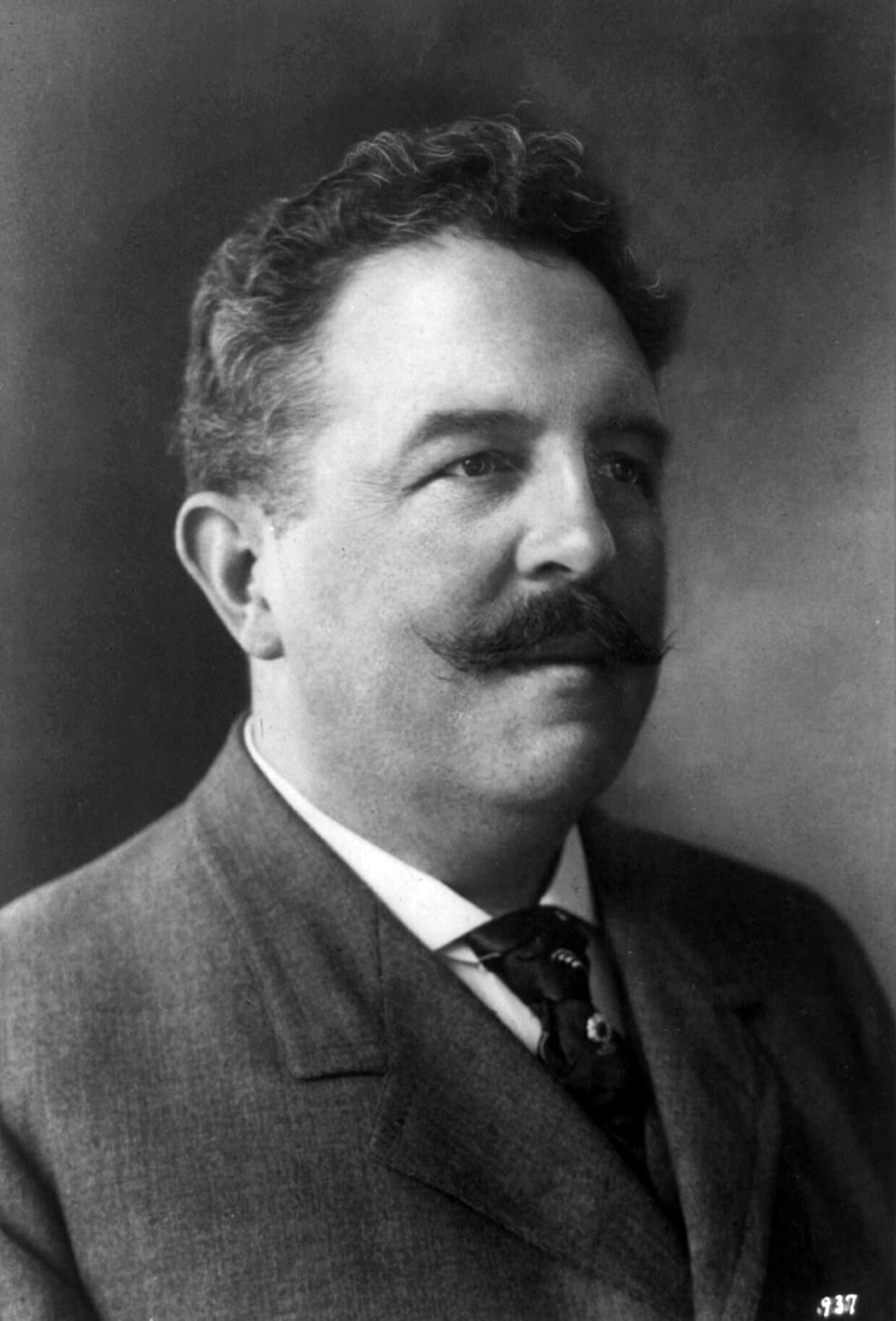
Emile Berliner, though not a musician or performer himself, stands as a titan in the history of sound recording and playback. His invention of the gramophone, a device utilizing flat, laterally-cut discs, irrevocably changed the landscape of music, entertainment, and cultural dissemination in the late 19th and early 20th centuries. More than just an inventor, Berliner was a visionary, an entrepreneur, and a catalyst for the modern music industry. He envisioned a world where recorded music was accessible to the masses, a vision he relentlessly pursued with ingenuity and determination. This biography explores his life, inventions, and enduring legacy, examining the profound impact his work had on music, engineering, social customs, and the burgeoning commercialization of sound. 1900-1909 They played a crucial role in the development of the 1900-1909 Music Era.
In-depth Analysis of Musical Style/Evolution (Facilitated by Berliner's Invention)
While Berliner wasn’t composing symphonies or writing popular songs, his contribution to musical evolution is arguably more significant than many performing artists. Before the gramophone, music consumption was largely limited to live performances or participation as an amateur musician. The gramophone democratized access to music, opening up a world of sonic possibilities for the average person. This newfound accessibility fueled the evolution of musical styles in several key ways.
Firstly, the gramophone facilitated the preservation and dissemination of diverse musical traditions. Folk music from various cultures, previously confined to specific geographic regions and oral traditions, could now be recorded and shared across continents. This cross-pollination of musical ideas led to the blending of genres and the emergence of new musical forms. Secondly, the gramophone fostered the growth of popular music. Artists could now reach a far wider audience than ever before, leading to the development of star systems and the rise of professional songwriters and music publishers. The standardization of the 78 rpm record, a direct result of Berliner’s work, created a unified format that encouraged the creation and distribution of music tailored for mass consumption. Ragtime, early jazz, and vaudeville all benefited immensely from this newfound platform, reaching audiences previously inaccessible.
Moreover, the gramophone encouraged experimentation in musical performance. Performers were now acutely aware that their music would be meticulously captured and repeatedly replayed. This led to a greater emphasis on clarity, precision, and dynamic range in recordings. Composers and arrangers began to write specifically for the gramophone, taking into account the limitations and possibilities of the medium. The advent of recording also spurred the development of new recording techniques and technologies, further enhancing the quality and artistic possibilities of recorded music.
The 'Look': Fashion & Aesthetics Deep Dive
Emile Berliner’s image was carefully cultivated to project an aura of scientific respectability and trustworthiness. Unlike the flamboyant performers whose voices and music his invention would bring to the masses, Berliner’s fashion choices emphasized his role as an inventor and engineer. His attire was consistently formal, typically consisting of a well-tailored suit, often in dark colors such as black or navy, paired with a crisp white shirt and a conservative tie. This sartorial presentation was deliberate, aligning him with the established scientific community and reassuring potential investors and customers that the gramophone was not a frivolous novelty but a serious technological advancement.
This approach contrasted sharply with the emerging culture of celebrity that his own invention was helping to create. While singers and performers might adopt extravagant or theatrical styles, Berliner remained steadfast in his professional appearance. His neatly trimmed beard and serious demeanor further reinforced his image as a dedicated and methodical scientist. His photographs and promotional materials invariably depicted him surrounded by his inventions, emphasizing the intellectual rigor behind his creation. The visual message was clear: Berliner was the embodiment of scientific progress, a man of reason and innovation bringing the wonders of sound to the world.
Beyond his personal style, the aesthetic surrounding the gramophone itself also played a significant role. Early gramophones were often housed in elegant wooden cabinets, designed to blend seamlessly into middle-class homes. These cabinets were not merely functional; they were carefully crafted pieces of furniture, reflecting the status and cultural aspirations of their owners. The gramophone was not just a machine; it was a symbol of modernity, sophistication, and access to culture.
Engineering & Sound Production Analysis
Berliner's gramophone represented a paradigm shift in sound recording and playback technology. Prior to his invention, Thomas Edison's phonograph, which utilized cylinders with vertically-cut grooves, was the dominant technology. Berliner's innovation lay in the use of flat discs with laterally-cut grooves. This seemingly simple change had profound implications for the mass production and sound quality of recordings.
The laterally-cut grooves of Berliner's discs were significantly easier to mass produce than the vertically-cut grooves of cylinders. Berliner developed a process for creating master discs that could be used to stamp out multiple copies, making mass production far more efficient and cost-effective. This scalability was crucial for the commercial success of the gramophone. The flat disc format also offered superior sound quality. Lateral recording allowed for greater amplitude and a wider frequency range, resulting in a richer and more dynamic sound than the phonograph cylinder. This improved fidelity was a key factor in the gramophone's growing popularity.
Another critical aspect of Berliner's engineering achievement was the design of the playback mechanism. The gramophone employed a stylus that traced the grooves of the disc, vibrating in response to the lateral undulations. These vibrations were amplified by a horn, typically made of metal or wood, which projected the sound into the surrounding environment. The design of the horn was crucial for optimizing sound quality and volume. Berliner experimented with various horn shapes and materials to achieve the best possible acoustic performance.
Furthermore, Berliner's commitment to standardization played a vital role in the gramophone's success. He established a standard disc size and rotational speed (78 rpm), ensuring compatibility between different gramophones and records. This standardization fostered a thriving market for recorded music, as consumers could be confident that any 78 rpm record would play on any gramophone. The engineering brilliance behind the gramophone, coupled with Berliner’s astute business decisions, laid the foundation for the modern recording industry.
Cultural Impact & Legacy
The cultural impact of Emile Berliner's gramophone is undeniable and far-reaching. It revolutionized the way people experienced and consumed music, transforming it from a primarily live experience to a readily accessible commodity. The gramophone democratized music, bringing a wider range of genres and artists into homes and public spaces. It also fostered the growth of a global music industry, creating new opportunities for performers, composers, and entrepreneurs.
The gramophone's influence extended beyond the realm of music. It played a significant role in shaping social customs and cultural identities. Families gathered around the gramophone to listen to music, creating shared experiences and strengthening social bonds. The gramophone also facilitated the dissemination of news, speeches, and other forms of audio content, contributing to the spread of information and ideas. Moreover, the gramophone became a symbol of modernity and technological progress, representing a new era of communication and entertainment.
Berliner's legacy extends far beyond his invention of the gramophone. His commitment to innovation and standardization set a precedent for the development of subsequent audio technologies. The principles he established for recording and playback continue to inform the design of modern audio systems. From the LP record to the CD to digital audio files, all owe a debt to Berliner's pioneering work. He is rightly regarded as one of the most important figures in the history of recorded sound, a visionary who transformed the way we listen to and experience music.
Critical Reception (Then vs Now)
Initially, the gramophone faced skepticism and criticism, particularly regarding its sound fidelity. Compared to the experience of a live performance, early recordings were often described as tinny, distorted, and lacking in dynamic range. Critics questioned whether recorded music could ever truly capture the nuances and emotional depth of a live performance. However, the gramophone's affordability and accessibility quickly won over the public. While the sound quality may not have been perfect, it was far more convenient and affordable than attending live concerts regularly. The ability to listen to music at home, at any time, proved to be a powerful draw.
Berliner's business practices also faced scrutiny. He aggressively pursued patents and established a dominant position in the burgeoning recording industry. Some accused him of monopolistic practices, but his supporters argued that his aggressive approach was necessary to protect his inventions and foster the growth of the industry. Regardless of the criticism, Berliner's vision and determination were instrumental in shaping the modern music industry.
Today, Emile Berliner is universally recognized as a pivotal figure in the history of sound recording. His invention of the gramophone is hailed as a transformative technological achievement that revolutionized music and culture. He is celebrated for his ingenuity, his entrepreneurial spirit, and his enduring legacy. His contributions are studied in universities and museums around the world, and his name remains synonymous with innovation and progress in the field of audio technology. Modern listeners, accustomed to the pristine sound quality of digital recordings, may not fully appreciate the limitations of early gramophone recordings. However, it is important to remember that Berliner's invention was a revolutionary step forward, laying the foundation for the sophisticated audio technologies we enjoy today.
Conclusion
Emile Berliner was more than just an inventor; he was a cultural architect who reshaped the landscape of music and entertainment. His gramophone brought music to the masses, democratizing access and fostering the growth of a global music industry. His engineering innovations, business acumen, and unwavering vision left an indelible mark on the world. While criticisms of sound fidelity and business practices surfaced, his contribution to the democratization of music and entertainment is undeniable. Berliner's legacy endures, solidifying his place as a true pioneer of sound and a transformative figure in the history of culture.