Emma Calvé, born Rosa Emma Calvet in 1858, remains a captivating figure in operatic history, particularly renowned for her intensely dramatic portrayal of Carmen. Her career, which blossomed during the late 19th and early 20th centuries, placed her at the pinnacle of international opera, captivating audiences with her powerful voice, striking stage presence, and innovative approach to character interpretation. More than just a celebrated soprano, Calvé was a cultural icon, a trendsetter, and a vocal explorer, pushing the boundaries of what was expected of an operatic performer. This biography delves into the multifaceted world of Emma Calvé, examining her musical style, her unique aesthetic, her vocal technique, her lasting impact, and the critical reception she garnered, both then and now. 1900-1909 This career stands as a testament to the diverse sounds of the 1900-1909 Music Era.
The Making of a Diva: Early Life and Training
Born in Decazeville, France, Calvé’s early life was marked by hardship. Her family faced financial struggles, and she witnessed firsthand the harsh realities of poverty. This early exposure to human suffering arguably informed her later dramatic interpretations, lending them a depth of authenticity that resonated with audiences. Her vocal talent was evident from a young age, and she began her formal training in Paris with Jules Puget and later with Mathilde Marchesi, a renowned voice teacher known for her rigorous technical approach. Marchesi instilled in Calvé a solid foundation in vocal technique, emphasizing breath control, legato phrasing, and clear diction. However, Calvé’s artistic spirit yearned for something more than mere technical proficiency. She sought to infuse her performances with genuine emotion and dramatic intensity, a quality that would become her trademark.
In-depth Analysis of Musical Style & Evolution
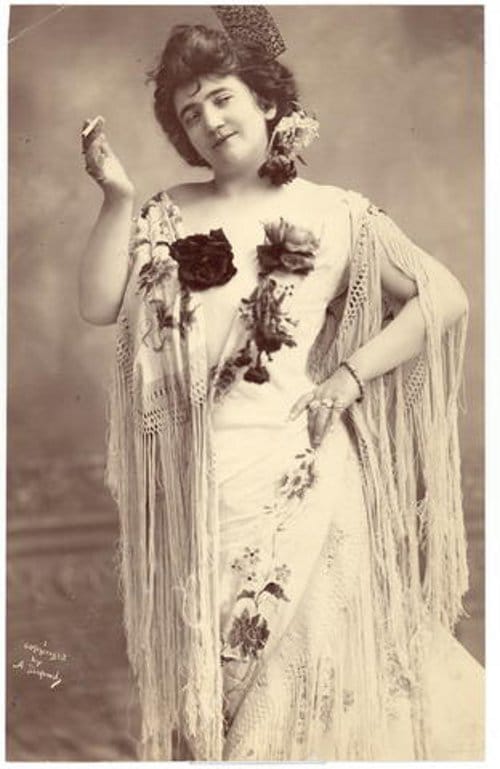
Calvé's repertoire was diverse, spanning both French and Italian opera. While she achieved international fame as Carmen, her performances in roles such as Marguerite in Gounod’s Faust, Ophélie in Thomas's Hamlet, and Santuzza in Mascagni's Cavalleria Rusticana were also highly acclaimed. Her interpretation of Carmen, however, transcended mere performance; it became an embodiment. Calvé explored the character's complexities, portraying her not just as a seductive temptress, but as a fiercely independent woman fighting for her freedom in a patriarchal society. This nuanced approach was groundbreaking for its time. Musically, Calvé possessed a powerful voice with a wide range and impressive agility. Her singing was characterized by its dramatic intensity and emotional depth. She didn't simply sing the notes; she inhabited them, conveying the character's inner turmoil and desires through her vocal inflections and phrasing. As her career progressed, Calvé became increasingly interested in exploring folk music and traditional songs. She incorporated these influences into her performances, further enriching her character interpretations and adding a layer of authenticity to her stage presence. This fusion of operatic technique and folk sensibilities was a distinctive feature of her musical style.
The 'Look': Fashion & Aesthetics Deep Dive
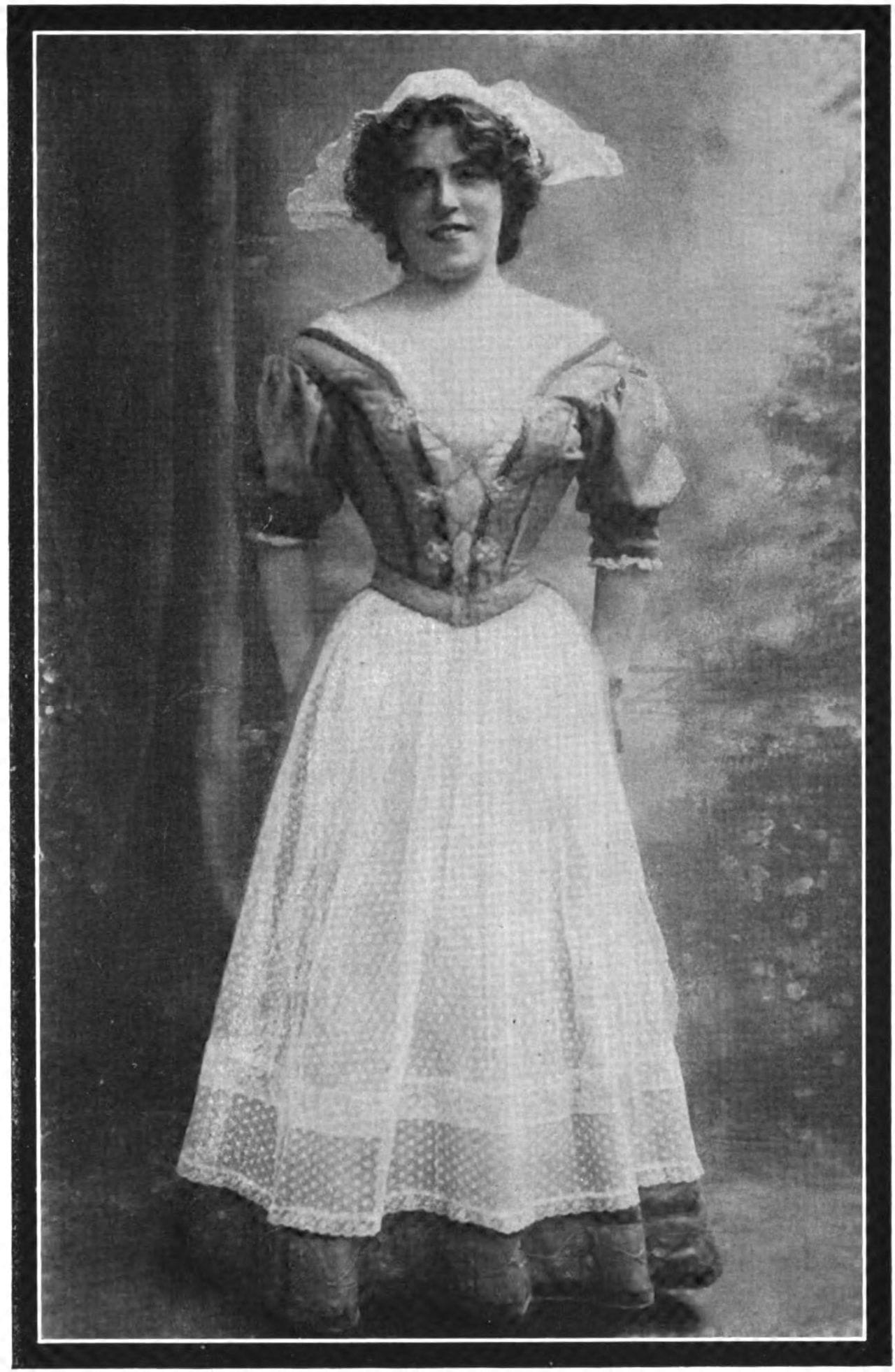
Emma Calvé was a pioneer in cultivating a distinct personal and stage image. She deliberately embraced a bohemian aesthetic, often incorporating elements of folklore and peasant dress into her costumes and personal attire. This was a radical departure from the more traditional and rigidly formal styles favored by many opera singers of her era. Her Carmen costumes, in particular, were meticulously designed to reflect the character's Spanish Romani heritage. She researched authentic regional dress, incorporating details such as vibrant colors, intricate embroidery, and flowing skirts. This commitment to authenticity extended beyond her costumes. Calvé often wore her hair in elaborate braids adorned with flowers and ribbons, further enhancing her connection to the character. Offstage, she favored flowing gowns, shawls, and unconventional jewelry, creating a striking and memorable image. Her fashion choices were not merely decorative; they were a deliberate statement of her artistic individuality and her commitment to representing authentic cultural traditions. This theatrical aesthetic contributed significantly to her overall mystique and solidified her status as a captivating and unconventional performer. She understood the power of visual storytelling and used her appearance to enhance her performances and connect with her audience on a deeper level. Calvé’s fashion sense predated the modern concept of celebrity styling, showcasing her inherent understanding of image and its importance in the entertainment world.
Engineering & Sound Production Analysis
Calvé's vocal prowess was built on a foundation of rigorous training and a deep understanding of vocal mechanics. She was particularly admired for her exceptional breath control and legato phrasing, allowing her to sustain long, expressive vocal lines with remarkable ease. This mastery of breath control enabled her to execute complex coloratura passages with precision and clarity, while her legato phrasing created a seamless connection between notes, enhancing the emotional impact of her singing. Furthermore, Calvé was an early adopter of advanced vocal techniques, constantly exploring new methods of resonating tone and expanding her vocal color. She experimented with different vocal placements, manipulating her resonators to create a wide range of tonal effects, from the bright, sparkling tones of a youthful ingénue to the dark, dramatic tones of a tragic heroine. This willingness to experiment and innovate set her apart from many of her contemporaries and contributed to the unique character of her voice. Her vocal agility was notable, with effortless navigation through complex ornamentation and trills. She employed a wide range of dynamics, from delicate pianissimos to powerful fortissimos, further enhancing the dramatic impact of her performances. Calvé's voice, combined with her acting skills, created a complete and compelling theatrical experience. She wasn't just a singer; she was a vocal storyteller, using her voice as a powerful instrument to convey the emotions and complexities of her characters.
Cultural Impact & Legacy
Emma Calvé’s impact on the world of opera extended far beyond her individual performances. She helped to popularize the role of Carmen, making it one of the most frequently performed and beloved operas in the repertoire. Her interpretation of the character became the standard against which all subsequent Carmens were measured. Furthermore, Calvé's embrace of folk music and traditional songs helped to broaden the horizons of operatic performance, introducing audiences to new musical styles and cultural traditions. She demonstrated that opera could be more than just a showcase for vocal virtuosity; it could be a powerful vehicle for cultural exchange and understanding. Calvé’s influence on subsequent generations of singers is undeniable. Her commitment to dramatic truthfulness, her willingness to experiment with vocal technique, and her pioneering approach to stage image all served as inspiration for aspiring performers. She paved the way for singers to embrace their individuality and to use their voices as instruments of dramatic expression. Beyond the operatic stage, Calvé became a symbol of female empowerment and artistic independence. Her unconventional lifestyle and her unwavering dedication to her craft challenged the traditional expectations of women in society. She demonstrated that women could be both successful artists and independent individuals, a powerful message that resonated with audiences around the world.
Critical Reception (Then vs Now)
During her career, Emma Calvé was almost universally celebrated for her powerful voice, her dramatic interpretations, and her captivating stage presence. Critics praised her ability to embody her characters with remarkable intensity and emotional depth. Her Carmen, in particular, was lauded as a masterpiece of dramatic interpretation. However, some critics occasionally found her acting to be overly theatrical, suggesting that she sometimes prioritized dramatic effect over vocal refinement. These criticisms were relatively minor, however, and were often outweighed by the widespread acclaim she received. In retrospect, Calvé’s legacy has only grown stronger over time. Her innovative approach to character interpretation, her willingness to experiment with vocal technique, and her pioneering approach to stage image are all recognized as significant contributions to the history of opera. Modern critics appreciate the depth and complexity of her performances, recognizing that her seemingly “theatrical” acting was actually a deliberate and effective means of conveying the emotional turmoil of her characters. Today, Calvé is remembered not only as a great singer, but also as a visionary artist who challenged the conventions of her time and paved the way for future generations of performers. Her recordings, though limited by the technology of the era, offer a glimpse into the power and artistry of her voice, allowing audiences to experience the magic of her performances firsthand. They are invaluable historical documents, providing insight into the operatic traditions of the late 19th and early 20th centuries and showcasing the unique talent of Emma Calvé.
Conclusion
Emma Calvé was more than just an opera singer; she was a force of nature. Her powerful voice, combined with her dramatic intensity and her unconventional approach to performance, captivated audiences around the world. She was a pioneer in cultivating a distinct personal and stage image, embracing a bohemian aesthetic and incorporating elements of folklore and traditional dress into her costumes. Her influence on subsequent generations of singers is undeniable, and her legacy as a visionary artist continues to inspire performers today. She transcended the limitations of her era to become a true icon, leaving an indelible mark on the world of opera and beyond. Emma Calvé's fiery spirit and unwavering dedication to her craft cemented her place as a trailblazer, forever remembered as opera's definitive Carmen and a vocal innovator.