Eva Tanguay, a name synonymous with audacity and unparalleled stage presence, exploded onto the vaudeville scene in the early 20th century, captivating and scandalizing audiences in equal measure. More than just a performer, Tanguay was a force of nature, a whirlwind of unrestrained energy who shattered conventions and redefined the boundaries of entertainment. This biography delves into the life, career, and enduring legacy of the "I Don't Care" girl, exploring her groundbreaking musical style, her deliberately provocative fashion choices, and the lasting cultural impact of her rebellious spirit. 1900-1909 Within the broader context of the 1900-1909 Music Era, their work remains timeless.
In-depth Analysis of Musical Style/Evolution
While often described as a singer, Eva Tanguay’s artistry transcended simple vocal performance. Her musical style was a potent cocktail of ragtime syncopation, popular melodies of the era, and, most importantly, her own personalized, often satirical lyrics. Tanguay wasn't afraid to inject social commentary and personal anecdotes into her songs, creating a highly engaging and individualistic performance style. She didn’t possess a technically perfect voice in the classical sense, but her powerful projection, clear enunciation, and impeccable timing allowed her to command attention and convey emotion with remarkable effectiveness.
Her signature song, "I Don't Care," became an anthem for a generation embracing newfound freedoms. The lyrics, simple yet defiant, resonated with audiences eager to break free from societal constraints. Tanguay’s delivery of the song was crucial to its success. She didn't just sing the words; she embodied the sentiment, projecting an attitude of unapologetic self-assurance that was both thrilling and empowering. This resonated particularly with women beginning to question traditional roles. Other songs in her repertoire touched on similar themes of independence, consumerism, and the changing social landscape. She frequently updated her lyrics to reflect current events or poke fun at celebrities of the day, ensuring her material remained fresh and relevant.
The musical arrangements supporting Tanguay’s performances were typically straightforward, designed to showcase her personality rather than overwhelm it. Piano accompaniment was the most common, often supplemented by other instruments like drums or horns for added rhythmic drive. The focus remained firmly on Tanguay's vocal delivery and stage antics. While some critics dismissed her music as unsophisticated, it was precisely this accessibility that contributed to her widespread popularity. She connected with audiences on a visceral level, bypassing the need for complex arrangements or overly refined vocal techniques.
The 'Look': Fashion & Aesthetics Deep Dive
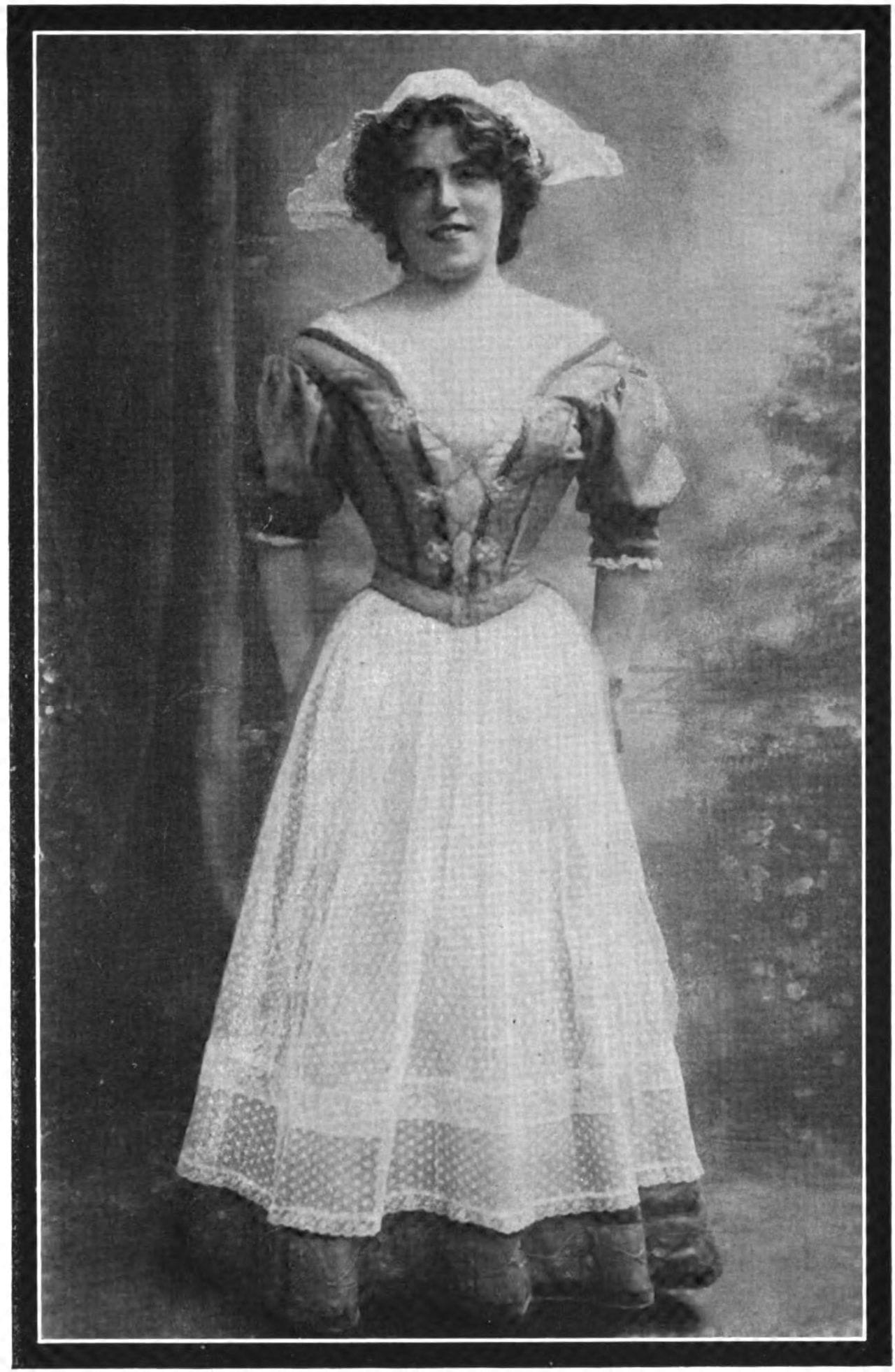
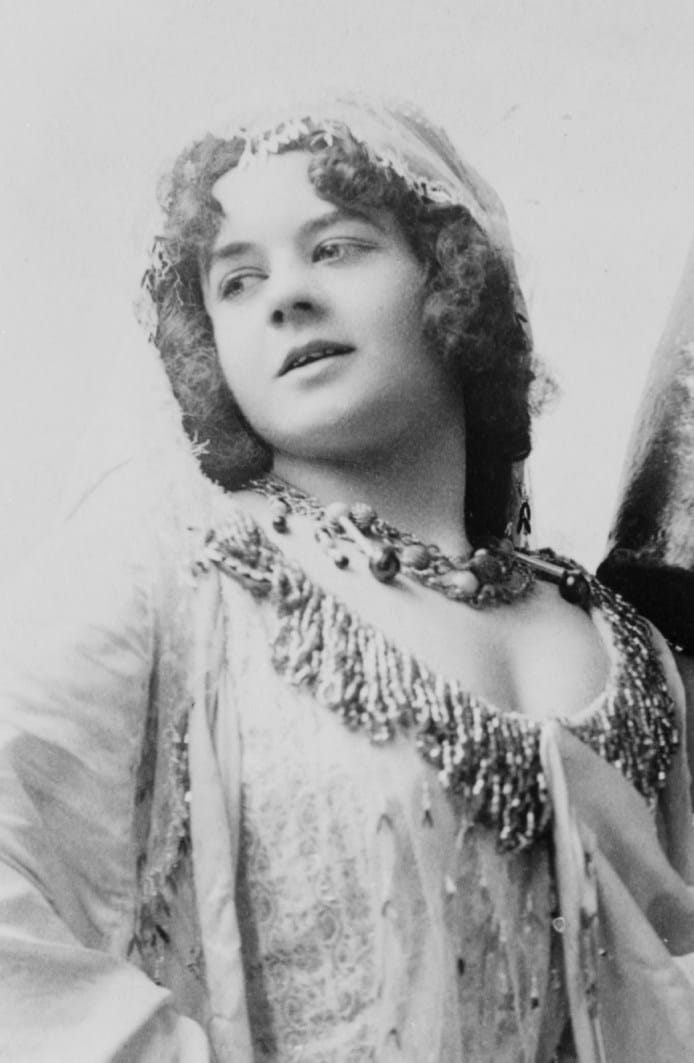
Eva Tanguay's fashion choices were as carefully constructed and deliberately provocative as her musical performances. She understood the power of visual spectacle and used clothing as a tool to amplify her rebellious image and capture attention. Her costumes were often flamboyant, bordering on the outrageous, and incorporated shocking or unconventional elements that challenged prevailing social norms.
She was known for wearing dresses adorned with coins, symbolizing both wealth and a rejection of traditional feminine modesty. These "money dresses" were a visual representation of her independence and her refusal to conform to societal expectations of how a woman should behave. She embraced bright colors, bold patterns, and unconventional silhouettes that accentuated her energetic movements and commanding stage presence. Sequins, feathers, and other shimmering embellishments were used liberally to create a dazzling effect under the stage lights.
Beyond the extravagant costumes, Tanguay's makeup and hairstyle also contributed to her overall image. She favored heavy eyeliner and rouge, creating a striking and unforgettable facial appearance. Her hair, often styled in a messy, untamed fashion, further reinforced her image as a rebellious spirit. It wasn't just about looking pretty; it was about making a statement. She was a walking, talking advertisement for a new kind of woman – one who was confident, independent, and unapologetically herself. By deliberately flouting fashion conventions, Tanguay asserted her individuality and challenged the rigid social norms of the era.
Engineering & Sound Production Analysis
Recordings of Eva Tanguay are relatively scarce, reflecting the limitations of early 20th-century recording technology. The acoustic recording process, prevalent at the time, required performers to project their voices directly into a large horn, which then vibrated a stylus that etched grooves onto a wax disc. This process favored loud, clear voices and simple arrangements. While it captured the essence of Tanguay's vocal power, it inevitably lacked the nuance and fidelity of later recording techniques.
The surviving recordings of Tanguay offer a glimpse into her vocal projection and enunciation. Even with the limitations of the technology, her voice comes through with remarkable clarity, suggesting a powerful and well-trained instrument. The arrangements are typically sparse, featuring piano accompaniment and sometimes other instruments like drums or horns. These arrangements served to highlight Tanguay’s voice and personality without overwhelming her performance. The sonic quality of these recordings is naturally imperfect, with surface noise and limited dynamic range. However, they serve as invaluable historical documents, offering a tangible connection to a legendary performer.
Analyzing these recordings requires an understanding of the historical context in which they were made. The emphasis was on capturing a clear and audible performance, rather than achieving a high level of sonic fidelity. The engineers of the time were primarily concerned with accurately translating the sound waves into a physical recording, and artistic considerations often took a backseat to technical limitations. Despite these limitations, Tanguay's personality shines through, demonstrating her ability to captivate audiences even through the filter of early recording technology. It is a testament to her commanding presence that she could overcome the constraints of the recording process and still deliver a compelling performance.
Cultural Impact & Legacy
Eva Tanguay's cultural impact extended far beyond the realm of vaudeville. She became a symbol of female empowerment and a pioneer of individuality at a time when women were largely confined to traditional roles. Her unapologetic self-expression and rejection of societal norms inspired a generation of women to challenge expectations and embrace their own identities. She was a controversial figure, to be sure, but her willingness to defy convention paved the way for future female performers to push boundaries and express themselves freely.
Her influence can be seen in the work of later female entertainers who embraced a similar sense of theatricality and independence. From Mae West to Madonna, artists who dared to challenge social norms and push the boundaries of performance owe a debt to Eva Tanguay. She demonstrated that women could be powerful, successful, and unapologetically themselves, even in a world that often tried to silence them. She also foreshadowed the rise of celebrity culture, understanding the importance of self-promotion and creating a distinct public persona.
Tanguay's legacy is one of defiance, innovation, and lasting impact. She may not be a household name today, but her contributions to the world of entertainment and her influence on subsequent generations of female performers are undeniable. She was a true original, a trailblazer who dared to be different and inspired others to do the same.
Critical Reception (Then vs Now)
Eva Tanguay was a polarizing figure during her time. Critics and audiences alike were divided in their opinions of her performances. Some praised her uninhibited energy, her willingness to challenge social norms, and her undeniable stage presence. They saw her as a breath of fresh air, a liberating force in a world of rigid conventions. They celebrated her individuality and her ability to connect with audiences on a visceral level.
However, others condemned her as vulgar, morally corrupt, and lacking in artistic merit. They criticized her unconventional behavior, her provocative costumes, and her perceived lack of vocal talent. They viewed her as a threat to traditional values and a negative influence on young women. Her detractors often focused on her perceived lack of refinement and her willingness to exploit her sexuality for commercial gain.
Today, Eva Tanguay is viewed with a more nuanced and appreciative perspective. Her groundbreaking contributions to vaudeville and her influence on subsequent generations of female performers are widely recognized. Scholars and critics now appreciate her subversion of traditional gender roles and her willingness to challenge social norms. Her flaws are seen as part of her overall appeal, a reflection of her humanity and her unwavering commitment to self-expression. She is no longer dismissed as a mere novelty act, but rather celebrated as a pioneer of female empowerment and a true original in the world of entertainment. The passage of time has allowed for a more objective assessment of her work, free from the biases and prejudices of her era.
Conclusion
Eva Tanguay was more than just a vaudeville star; she was a cultural phenomenon. Her audacious performances, rebellious spirit, and unwavering commitment to self-expression captivated audiences and challenged social norms. She may have divided opinions during her time, but her enduring legacy as a pioneer of female empowerment and a true original in the world of entertainment is undeniable. The "I Don't Care" girl left an indelible mark on the cultural landscape, paving the way for future generations of performers to push boundaries and express themselves freely. Her story serves as a reminder of the power of individuality and the importance of challenging convention in the pursuit of artistic expression.