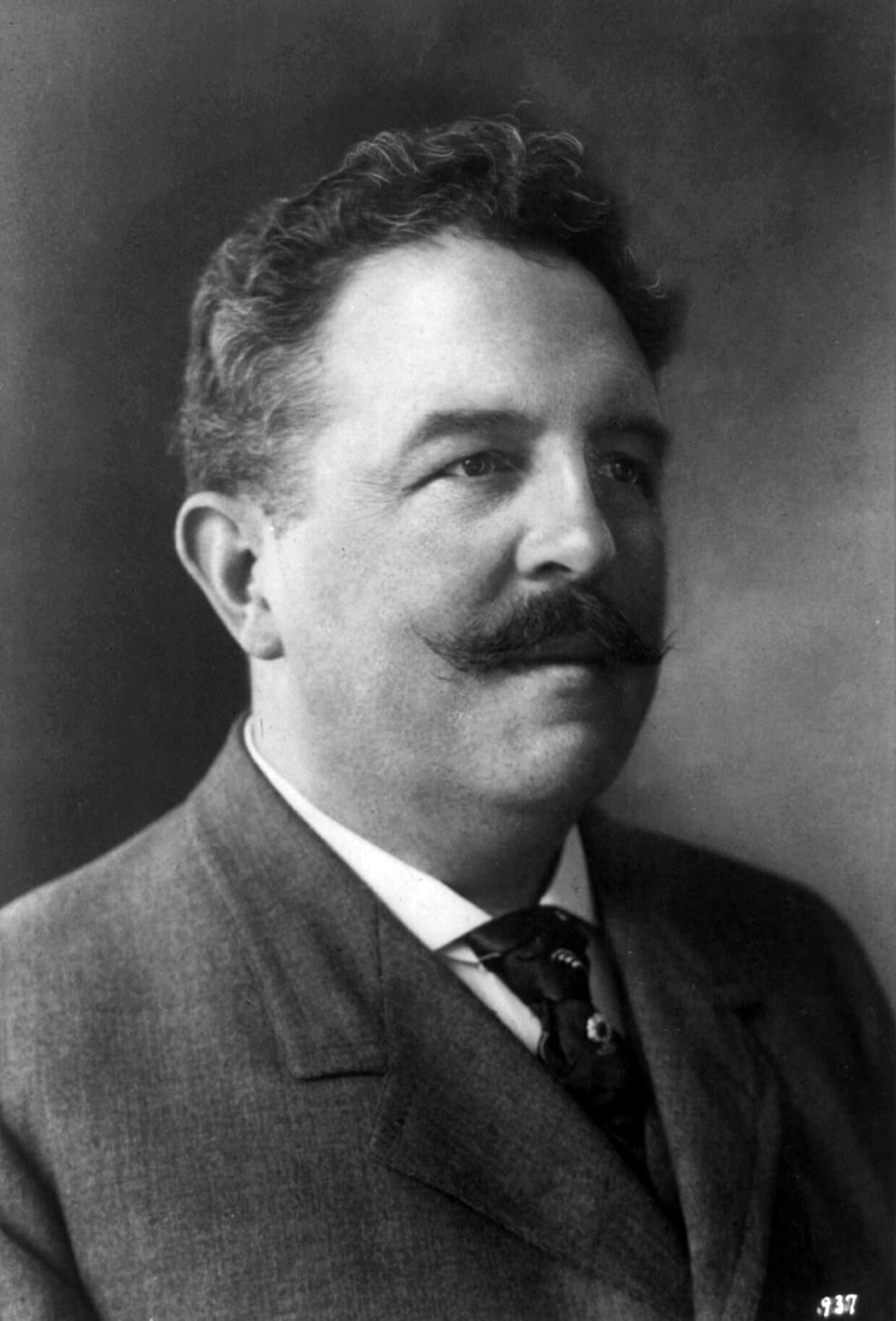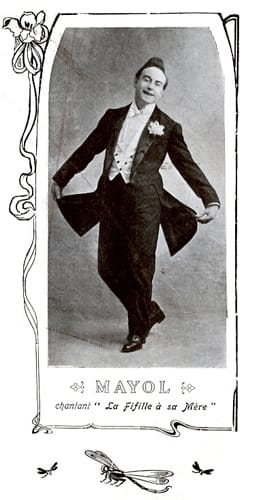
Félix Mayol, a name synonymous with the effervescent spirit of the Belle Époque, was more than just a singer; he was a cultural phenomenon. Bursting onto the Parisian stage in the early 1900s, Mayol captivated audiences with his charming persona, catchy tunes, and distinctive style. He embodied the optimism and exuberance of the era, becoming a beloved figure whose influence extended far beyond the music hall. This is the story of Félix Mayol, a close look at his music, his image, and his lasting impact on French culture. 1900-1909 To truly appreciate the 1900-1909 Music Era, one must understand the impact of this artist.
In-depth Analysis of Musical Style/Evolution
Mayol’s musical style was firmly rooted in the tradition of the chanson, the quintessential French song form. However, he infused it with a playful, accessible quality that resonated deeply with the Parisian public. His repertoire was a tapestry of lighthearted narratives, often revolving around themes of love, courtship, and the everyday joys and tribulations of city life. He sang of flirtatious encounters in bustling cafes, romantic strolls along the Seine, and the simple pleasures of Parisian society.
His early hits, like "Viens Poupoule," perfectly exemplify his signature sound. "Viens Poupoule," a playful invitation to a dance, quickly became an anthem of Parisian nightlife. The melody is simple yet infectious, the lyrics witty and suggestive, capturing the carefree spirit of the time. This song, and others like it, cemented Mayol's reputation as a purveyor of popular entertainment, a singer who understood the pulse of the city.
Another notable example is "La Mattchiche," a song that popularized the dance of the same name. The Mattchiche, with its energetic steps and playful interactions, was the perfect complement to Mayol's lively performance style. The song's success was inextricably linked to the dance craze it ignited, further solidifying Mayol's position at the forefront of popular culture. His clever integration of dance into his performance also helped propel the dance into the mainstream, showcasing his keen understanding of his audience's desires.
While Mayol's musical style remained largely consistent throughout his career, one can observe a subtle evolution in his later works. As the Belle Époque gave way to the more turbulent years leading up to World War I, some of his songs began to reflect a slightly more reflective, even melancholic, tone. While still maintaining his characteristic charm, these later pieces hint at a deeper emotional range, demonstrating his ability to adapt his artistry to the changing times.
Beyond the subject matter, Mayol's musicality shone through in his phrasing and delivery. His diction was impeccable, ensuring that every word was crystal clear to the audience. He possessed a natural gift for storytelling, using his voice to convey a wide range of emotions, from playful flirtation to heartfelt longing. This clarity and expressiveness were crucial in the early days of recording technology, allowing his songs to translate effectively to the new medium.
The 'Look': Fashion & Aesthetics Deep Dive
Félix Mayol was a master of self-presentation, carefully crafting an image that resonated with his audience. His signature attire was instantly recognizable: a boater hat adorned with a single daisy, a neatly tailored suit, and an air of unassuming charm. This carefully cultivated look was a deliberate departure from the more flamboyant and often eccentric styles of some of his contemporaries. Mayol understood the power of simplicity, opting for a look that projected approachability and authenticity.
The boater hat with the daisy became his trademark, a symbol of his unique brand. The daisy, a seemingly simple flower, carried a wealth of symbolic meaning. It represented innocence, purity, and the unpretentious beauty of nature. By incorporating this symbol into his attire, Mayol subtly conveyed a sense of sincerity and genuine connection with his audience. The choice of the daisy over more elaborate floral arrangements also spoke volumes about his desire to present himself as a man of the people.
His tailored suits, typically in dark colors, further contributed to his understated elegance. The impeccable fit and classic design of his suits projected an image of respectability and professionalism. While many performers of the era favored flashy costumes and theatrical makeup, Mayol opted for a more subdued look, allowing his personality and talent to take center stage. This deliberate choice to downplay his appearance allowed him to connect with audiences on a more personal level, as they felt they were seeing the real Félix Mayol.
The overall effect of Mayol's carefully curated image was one of approachable charm and genuine warmth. He presented himself as a man of the people, someone who understood their joys, their sorrows, and their aspirations. This carefully crafted persona was a key factor in his widespread popularity, allowing him to build a loyal following that spanned all social classes.
Engineering & Sound Production Analysis
Félix Mayol's career coincided with the burgeoning era of sound recording. While the technology was still in its nascent stages, the ability to capture and reproduce sound revolutionized the music industry, allowing artists like Mayol to reach audiences far beyond the confines of the music hall. He was among the first generation of performers to fully embrace this new medium, recognizing its potential to amplify his reach and solidify his legacy.
Early recording techniques were primitive by today's standards, often relying on purely acoustic methods. Performers would sing or play into a large horn, which would vibrate a diaphragm connected to a stylus that etched grooves onto a wax cylinder or disc. The quality of these early recordings was often limited, with significant distortion and background noise. However, Mayol's clear diction and carefully crafted delivery ensured that his songs translated remarkably well to this new medium.
The limitations of early recording technology also influenced Mayol's performance style. He likely had to project his voice more forcefully than he would have in a live setting to ensure it was captured effectively by the recording apparatus. He also had to be particularly mindful of his enunciation, as any muddiness or slurring would be amplified by the recording process.
Despite these challenges, Mayol's recordings were immensely popular, allowing his songs to be disseminated widely and enjoyed by countless listeners. These early recordings not only contributed to his fame but also provided a valuable historical record of his artistry. They offer a glimpse into the sound of the Belle Époque, capturing the unique timbre of Mayol's voice and the distinctive instrumentation of the era.
Cultural Impact & Legacy
Félix Mayol's cultural impact extended far beyond the realm of music. He became a symbol of the Belle Époque, embodying the optimism, exuberance, and joie de vivre that characterized the era. His songs became anthems of Parisian life, celebrating the city's vibrant culture and the simple pleasures of everyday existence. He was more than just a singer; he was a cultural icon, a figure whose image and music were deeply embedded in the collective consciousness of France.
His influence can be seen in the numerous artists who followed in his footsteps, adopting his style, his themes, and his persona. He paved the way for a new generation of French chansonniers, demonstrating the power of connecting with audiences through relatable stories and engaging performances. His emphasis on clarity, simplicity, and genuine emotion resonated with listeners across all social classes, making him a truly beloved figure.
Mayol's legacy is also evident in the enduring popularity of his songs. "Viens Poupoule" and "La Mattchiche" remain instantly recognizable tunes, still fondly remembered and performed today. They evoke a sense of nostalgia for the Belle Époque, transporting listeners back to a time of elegance, romance, and carefree enjoyment.
Furthermore, Mayol's image continues to resonate in popular culture. His signature boater hat and daisy have become iconic symbols of French style, frequently referenced in film, television, and fashion. He represents a quintessential image of Parisian charm, a reminder of a bygone era of elegance and sophistication.
Critical Reception (Then vs Now)
During his lifetime, Félix Mayol enjoyed immense popularity with the public. His concerts were consistently sold out, and his recordings were in high demand. He was hailed as a national treasure, a singer who captured the spirit of France and brought joy to millions. However, critical reception to his work was often more mixed.
Some critics dismissed Mayol's songs as lightweight and lacking in serious artistic merit. They argued that his focus on popular themes and catchy melodies sacrificed depth and complexity. They viewed his work as mere entertainment, lacking the intellectual rigor and emotional weight of more "serious" art forms.
However, other critics recognized the unique qualities of Mayol's artistry. They praised his clear diction, his expressive delivery, and his ability to connect with audiences on a personal level. They acknowledged that his songs, while seemingly simple, possessed a subtle charm and a genuine warmth that resonated deeply with listeners. These critics understood that Mayol's popularity was not simply a matter of fleeting trends; it was a testament to his ability to capture the essence of the human experience in his music.
In retrospect, Mayol's work is viewed with greater appreciation and understanding. While his songs may not be considered high art by some, their cultural significance is undeniable. They provide a valuable glimpse into the social and cultural landscape of the Belle Époque, offering insights into the values, aspirations, and anxieties of the time. His enduring popularity is a testament to the power of connecting with audiences through relatable themes and engaging performances, regardless of critical acclaim.
Conclusion
Félix Mayol was a true original, a singer who captured the spirit of the Belle Époque and left an indelible mark on French culture. He was more than just a performer; he was a cultural icon, a symbol of Parisian charm, and a master of connecting with audiences. His songs continue to resonate today, evoking a sense of nostalgia for a bygone era of elegance and joie de vivre. While critical reception to his work may have been mixed during his lifetime, his enduring legacy demonstrates the power of connecting with audiences through relatable themes and engaging performances. Félix Mayol remains, and will likely always remain, an iconic figure of the French Belle Époque.