Comprehensive Introduction
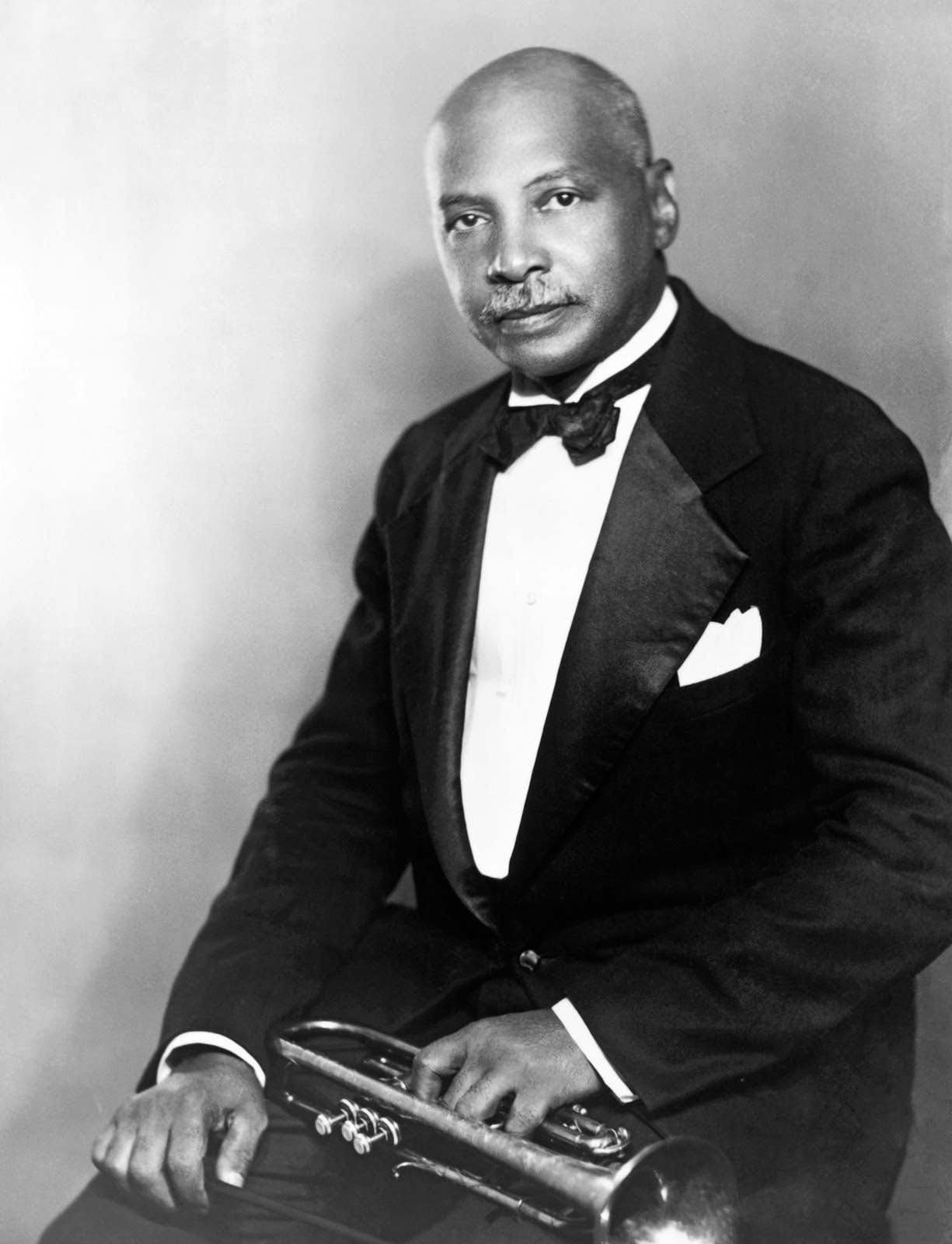
Ford Thompson Dabney (1883-1958) stands as a pivotal, yet often overlooked, figure in the history of American music. Emerging in the early 20th century, Dabney carved a unique niche for himself as a bandleader, composer, and conductor during a transformative era in American musical landscape. He was a prominent African American musician whose influence rippled through the vibrant cultural scene of the 1910s and beyond, particularly in Harlem. Dabney’s contribution lies in his innovative blend of ragtime, early jazz elements, and sophisticated orchestral arrangements, making him a key player in the evolution of American popular music. He successfully navigated the complex racial dynamics of the time, leading successful orchestras that entertained both black and white audiences, significantly contributing to the burgeoning Harlem Renaissance and paving the way for future generations of African American musicians. 1910-1919 Their unique style helped define the boundaries of the 1910-1919 Music Era.
Born in Washington, D.C., Dabney displayed an early aptitude for music. His initial training was classical, providing him with a solid foundation in music theory and performance. This formal education, unusually thorough for African American musicians of the era, proved invaluable as he navigated the evolving musical styles and demands of the entertainment industry. Dabney's early career involved performing in various ensembles and gaining experience in arranging and conducting. This period saw him honing his skills and developing a keen understanding of what resonated with audiences. It was during this time that he began to experiment with blending formal musical training with the syncopated rhythms of ragtime, foreshadowing his later innovative work.
The 1910s marked a turning point for Dabney. He formed his own orchestra, which quickly gained recognition for its polished performances and its unique repertoire. Dabney's orchestra became a fixture in high society circles, performing at prestigious venues and private events. This success was due, in part, to Dabney's ability to adapt his music to suit the tastes of his diverse audiences. He understood the importance of presentation and cultivated a sophisticated image for his orchestra, which helped them to break down racial barriers and gain acceptance in a segregated society. The orchestra's performances were not merely entertainment; they were a demonstration of African American talent and artistry, challenging prevailing stereotypes and contributing to a broader cultural shift.
In-depth Analysis of Musical Style/Evolution
Ford Dabney’s musical style represents a fascinating intersection of ragtime, early jazz, and classical influences. His contribution was not merely to play these styles, but to synthesize them into a cohesive and innovative sound. Ragtime, with its syncopated rhythms and lively melodies, formed the foundation of Dabney's music. However, Dabney went beyond the traditional ragtime structure, incorporating elements of improvisation and harmonic complexity that hinted at the burgeoning jazz scene. This fusion created a sound that was both familiar and fresh, appealing to a wide range of listeners.
The transition from ragtime to jazz was not a sudden shift, but a gradual evolution. Dabney's music reflects this transition perfectly. He retained the structured arrangements and melodic focus of ragtime, but introduced more freedom in the rhythm section and allowed for individual instrumentalists to showcase their improvisational skills. This blending of structure and improvisation was a key characteristic of early jazz, and Dabney's contribution in bridging the gap between the two genres is significant.
Dabney's arrangements were notable for their sophistication and attention to detail. He was a master of orchestration, capable of creating complex textures and harmonies that showcased the talent of his musicians. His arrangements often featured intricate interplay between different instrumental sections, creating a dynamic and engaging listening experience. Dabney also incorporated elements of classical music into his arrangements, adding a touch of elegance and refinement to his music. This fusion of different musical styles was a hallmark of Dabney's unique sound.
His compositions, while often based on popular songs of the day, were infused with his unique musical personality. He would often re-harmonize melodies, add unexpected rhythmic variations, and incorporate improvisational sections to create something entirely new and exciting. Dabney's talent for arrangement and composition allowed him to create a repertoire that was both entertaining and musically challenging, solidifying his reputation as a leading figure in the world of popular music.
The 'Look': Fashion & Aesthetics Deep Dive
While specific details on Ford Dabney's personal fashion choices remain scarce, the visual presentation of his orchestra was meticulously crafted and played a vital role in their success. In an era defined by strict social codes and racial prejudices, the orchestra's polished and sophisticated image was a deliberate strategy to gain acceptance and respect within elite social circles. Their appearance was as carefully considered as their music, reflecting a desire to project professionalism, dignity, and artistic excellence.
Photographs and descriptions from the period suggest that Dabney's orchestra adhered to the standards of high-society bands. Members typically wore formal attire, including tailored suits or tuxedos, crisp white shirts, and polished shoes. The uniformity of dress conveyed a sense of discipline and professionalism, reinforcing the image of a well-rehearsed and highly skilled ensemble. The choice of formal attire also signaled respect for the audience and the venue, demonstrating that the orchestra took their performance seriously.
Beyond the clothing itself, the orchestra's overall presentation was characterized by attention to detail. Grooming was impeccable, with neatly styled hair and clean-shaven faces. Instruments were well-maintained and presented in a polished manner. Even the way the musicians carried themselves on stage conveyed a sense of confidence and professionalism. This meticulous attention to detail contributed to the orchestra's appeal within prestigious performance venues and among discerning audiences.
In a racially charged environment, the orchestra's dignified appearance served as a powerful statement. By presenting themselves as polished and professional, they challenged prevailing stereotypes about African American musicians and demonstrated their artistic merit. Their success in gaining access to elite social circles was, in part, a testament to their ability to project an image that transcended racial prejudice. This carefully cultivated aesthetic was not merely a matter of personal preference; it was a strategic tool that helped Dabney's orchestra break down barriers and achieve widespread recognition.
Engineering & Sound Production Analysis
Ford Dabney's recording career occurred during the nascent stages of sound recording technology. The acoustic recording process prevalent in the 1910s presented significant limitations, requiring musicians to perform directly into a large horn, which would then vibrate a stylus to etch grooves onto a wax master. Despite these constraints, Dabney's recordings offer valuable insights into his musical style and the capabilities of his orchestra.
Given the limited dynamic range of acoustic recording, Dabney's arrangements had to be carefully tailored to ensure clarity and balance. Loud instruments, such as drums and brass, had to be positioned strategically to avoid overpowering the softer instruments. Dabney's meticulous attention to detail is evident in the way he balanced the different instrumental sections, ensuring that each instrument could be heard clearly despite the limitations of the recording process. His deep understanding of acoustics allowed him to maximize the fidelity of the recordings.
While the sound quality of these early recordings may seem rudimentary by modern standards, they nonetheless showcase the remarkable musicianship of Dabney's orchestra. The clarity and precision of their playing are evident, even through the surface noise and limited frequency response. The recordings capture the energy and excitement of their live performances, offering a glimpse into the vibrant musical scene of the 1910s.
Furthermore, the limitations of early recording technology often forced musicians to adopt a more direct and unadorned style of playing. This can be seen as a positive aspect of Dabney's recordings, as it allows the listener to appreciate the raw talent and musicality of the performers. The absence of artificial effects or enhancements creates a more intimate and authentic listening experience. While the technology was rudimentary, Dabney's artistic vision and the skill of his musicians shone through, leaving behind a valuable historical record of his contribution to American music.
Cultural Impact & Legacy
Ford Dabney's cultural impact extends far beyond his immediate success as a bandleader and composer. He played a significant role in shaping the cultural landscape of the early 20th century, particularly during the Harlem Renaissance. His success in breaking down racial barriers and gaining acceptance in high society circles helped to pave the way for future generations of African American musicians.
Dabney's orchestra provided a platform for talented African American musicians to showcase their skills and gain recognition. Many of the musicians who played in his orchestra went on to have successful careers in their own right, further extending Dabney's influence. His commitment to promoting African American talent helped to create a more inclusive and diverse musical landscape.
Furthermore, Dabney's music helped to bridge the gap between different communities and cultures. His ability to appeal to both black and white audiences made him a cultural ambassador, promoting understanding and appreciation between different groups. His music served as a unifying force, bringing people together through a shared love of music.
Although he may not be as widely known as some of his contemporaries, Ford Dabney's legacy as a pioneer and innovator in American music is undeniable. His contributions to the evolution of ragtime and jazz, his success in breaking down racial barriers, and his commitment to promoting African American talent have left an indelible mark on American culture. His work continues to inspire musicians and scholars today, ensuring that his legacy will endure for generations to come.
Critical Reception (Then vs Now)
During his active years, Ford Dabney and his orchestra largely received positive reviews, particularly from audiences who attended their live performances. Critics often praised their sophisticated arrangements, energetic performances, and ability to create a lively and engaging atmosphere. Their success in gaining acceptance within high society circles was also noted, highlighting their ability to transcend racial barriers.
However, like many African American artists of the period, Dabney's work was often marginalized or overlooked by mainstream historical accounts. The racial biases prevalent at the time meant that his contributions were not always fully recognized or appreciated. His music was often categorized as "popular" or "entertainment," rather than being treated as a serious artistic endeavor.
In recent years, there has been a growing effort to re-evaluate Dabney's contributions and to recognize his importance in the history of American music. Scholars and historians are now giving greater attention to his innovative blend of ragtime, jazz, and classical influences, and his role in shaping the cultural landscape of the early 20th century. His work is being analyzed in a more nuanced and comprehensive way, taking into account the social and historical context in which it was created.
Today, Dabney is increasingly recognized as a pivotal figure in the transition from ragtime to early jazz, and as a key contributor to the Harlem Renaissance. His music is being rediscovered and reinterpreted by contemporary musicians, ensuring that his legacy will continue to grow. While he may not have received the recognition he deserved during his lifetime, Ford Dabney is now being celebrated as a true pioneer and innovator in American music.
Conclusion
Ford Dabney's story is one of musical innovation, cultural significance, and perseverance in the face of racial prejudice. His unique blend of ragtime, early jazz, and classical influences created a sound that was both captivating and groundbreaking, helping to shape the future of American popular music. As a bandleader, he provided a platform for talented African American musicians and broke down barriers in a segregated society. His meticulous attention to detail, sophisticated arrangements, and unwavering commitment to excellence set him apart as a true artist.
While his contributions may have been overlooked for many years, Ford Dabney is now rightfully being recognized as a pivotal figure in American music history. His legacy as a pioneer, innovator, and cultural ambassador continues to inspire musicians and scholars today. By re-examining his work and celebrating his achievements, we can gain a deeper understanding of the rich and diverse history of American music and the contributions of African American artists who helped to shape it. Ford Dabney's music and his story serve as a reminder of the power of art to transcend boundaries and to promote understanding and appreciation between different cultures.