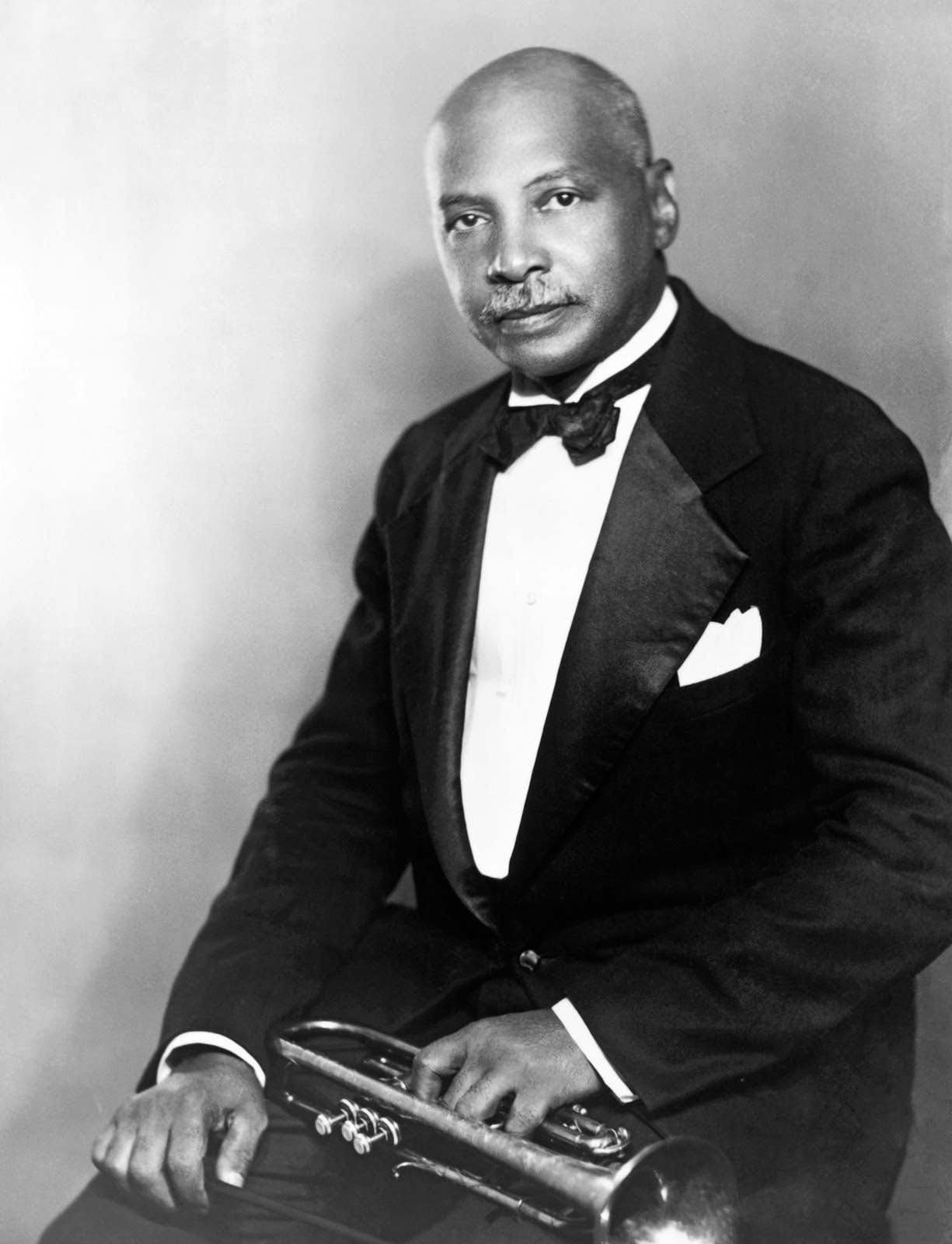
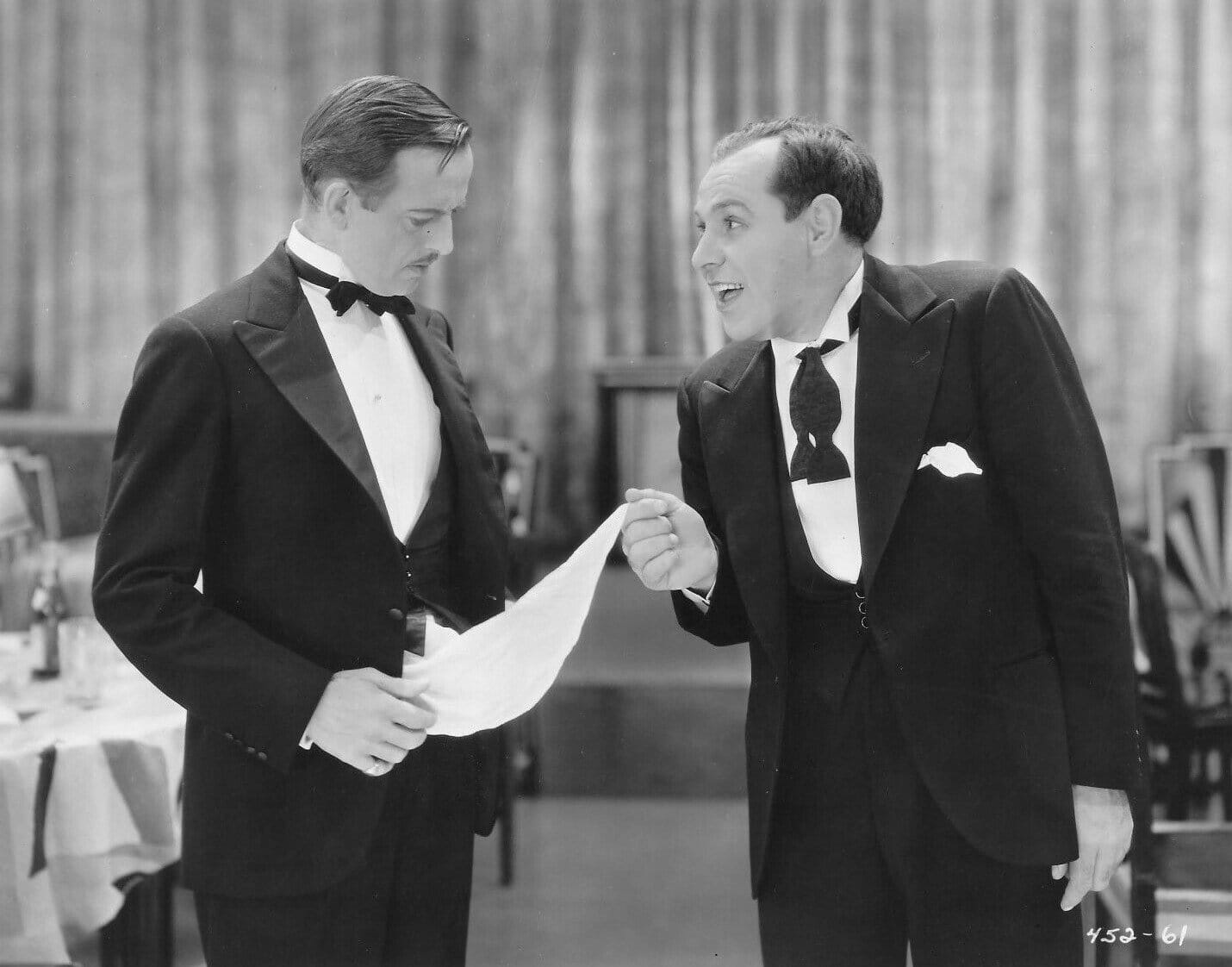
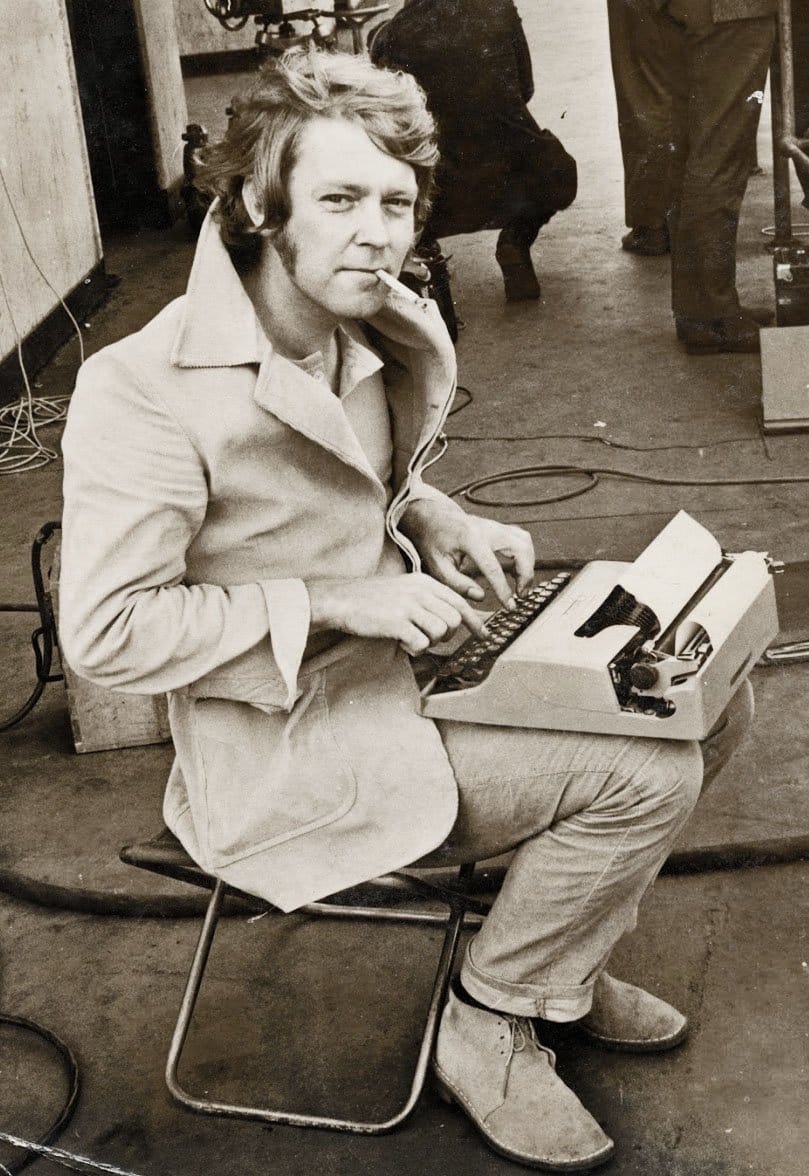
Gene Buck, though perhaps not a household name today, stands as a pivotal figure in the evolution of American musical theater during the first two decades of the 20th century. As the primary lyricist and librettist for the legendary Ziegfeld Follies, Buck helped define the era's theatrical landscape, contributing immensely to the spectacle, sentimentality, and sheer entertainment value that characterized these iconic productions. His work, often overlooked in favor of the performers and the visual extravagance, was nonetheless foundational to the Follies' enduring appeal and significant cultural impact. Buck's influence extended beyond mere lyric writing; he shaped the narratives, influenced the visual presentation, and ultimately contributed to the creation of a distinctly American form of entertainment that captured the nation's imagination. 1910-1919 They played a crucial role in the development of the 1910-1919 Music Era.
The Architect of Broadway Spectacle: Gene Buck's Musical Style & Evolution
Gene Buck's musical style was inextricably linked to the demands and aesthetic of the Ziegfeld Follies. Unlike composers who developed independent artistic voices, Buck's primary function was to serve the needs of the production, crafting lyrics and libretti that supported the extravagant visual elements and the star performers. His work, therefore, evolved in tandem with the Follies themselves, reflecting the changing tastes and cultural trends of the era. He wasn't an innovator in musical form; instead, he excelled at adapting existing styles and conventions to create catchy, memorable songs that would resonate with a broad audience.
His lyrics were often characterized by a lighthearted sentimentality, romantic idealism, and a touch of gentle humor. He understood the power of simple melodies and relatable themes, crafting lyrics that were easily understood and emotionally engaging. While not always groundbreaking in their poetic sophistication, Buck's lyrics were undeniably effective in conveying the desired mood and advancing the narratives within the Follies. He frequently employed traditional rhyme schemes and meter, prioritizing clarity and memorability over complex or obscure imagery.
Buck's evolution as a lyricist can be traced through his collaborations with various composers. His work with Dave Stamper, Louis Hirsch, and Victor Herbert, among others, showcases a range of musical styles, from vaudeville-inspired tunes to more sophisticated operetta-style melodies. While he adapted his lyrical style to fit the composer's musical vision, he consistently maintained a focus on creating accessible and emotionally resonant songs. Over time, as the Follies became more elaborate and sophisticated, Buck's lyrics also evolved, incorporating more topical references and social commentary, albeit in a light and entertaining manner.
His influence can be seen in the popularization of certain song structures and lyrical themes that became staples of Broadway musicals. The use of catchy choruses, sentimental ballads, and humorous patter songs can all be attributed, in part, to Buck's consistent application of these techniques within the Follies. He helped establish a template for successful Broadway songwriting, prioritizing audience engagement and emotional connection over purely artistic experimentation.
The 'Look': Fashion & Aesthetics Deep Dive
While Gene Buck wasn't a designer or performer, his contribution to the visual splendor of the Ziegfeld Follies was significant. He was the narrative architect, crafting the stories and scenarios that provided the framework for the elaborate costumes, set designs, and overall visual aesthetic. His lyrics and libretti were not merely words on a page; they were blueprints for visual spectacle. They dictated the themes, settings, and characters that would inspire the designers and costume creators to conjure up the dazzling and often fantastical imagery that defined the Follies.
The Follies were renowned for their extravagant costumes, showcasing the latest fashions and pushing the boundaries of theatrical design. Buck's lyrics often provided specific cues for these costumes, referencing particular colors, fabrics, and styles. He might describe a character as wearing a shimmering gown of silver and gold, or evoke a scene set in a tropical paradise, prompting the designers to create costumes and sets that reflected these descriptions. In essence, Buck's words were the foundation upon which the visual world of the Follies was built.
Furthermore, Buck's narratives often incorporated topical references and social commentary, which further influenced the visual presentation. The Follies were known for their satirical sketches and parodies of current events, and Buck's lyrics would often provide the satirical edge that informed the costumes and set designs. For instance, a sketch mocking a prominent politician might feature costumes that exaggerated their physical features or symbolic props that satirized their policies. In this way, Buck's lyrics contributed to the Follies' ability to both entertain and subtly critique the social and political landscape of the time.
Beyond the costumes, Buck's work shaped the overall aesthetic of the Follies by influencing the stage direction, lighting, and choreography. His lyrics often suggested specific movements and gestures for the performers, contributing to the overall visual dynamism of the production. Similarly, his descriptions of settings and moods would inform the lighting design, creating a visual atmosphere that enhanced the emotional impact of the songs and dances.
Engineering & Sound Production Analysis
Although Gene Buck's direct involvement in audio engineering was minimal, his contributions were crucial to the overall sonic experience of the Ziegfeld Follies. In the early 20th century, stage technology was still developing, and the projection of sound relied heavily on the power and clarity of the performers' voices. Buck's lyrics were crafted with this limitation in mind, designed to be easily understood and projected across a large theater. His words had to be clear, concise, and vocally resonant, allowing the singers to deliver their performances with maximum impact.
The orchestrations of the Follies were often elaborate, featuring large orchestras that provided a lush and dynamic accompaniment to the vocal performances. Buck's lyrics worked in tandem with these orchestrations, creating a sonic tapestry that enhanced the emotional impact of the songs. He understood the importance of timing and phrasing, crafting lyrics that allowed the singers to breathe and deliver their lines with clarity and expression. His work served as a roadmap for the vocal performances, dictating the pace, rhythm, and emotional tone of the singing.
Furthermore, the Follies often featured sound effects and musical cues that enhanced the dramatic impact of the scenes. Buck's lyrics would often incorporate these sound effects into the narrative, creating a more immersive and engaging experience for the audience. He might write lyrics that called for the sound of a train whistle, a gunshot, or a burst of applause, seamlessly integrating these auditory elements into the overall sonic landscape of the production.
While he wasn't directly manipulating microphones or soundboards, Buck's lyrics essentially functioned as the raw material for the sound engineers and performers of the time. He crafted the words that would be amplified, projected, and ultimately experienced by the audience, contributing significantly to the overall sonic impact of the Ziegfeld Follies.
Cultural Impact & Legacy
Gene Buck's cultural impact is deeply intertwined with the legacy of the Ziegfeld Follies. He played a key role in shaping the Follies into a cultural phenomenon, a symbol of American entertainment and a showcase for the nation's talent and creativity. His lyrics and libretti helped define the sound and style of early 20th-century Broadway, influencing countless songwriters and performers who followed in his footsteps.
The Follies were more than just entertainment; they were a reflection of American society, capturing the spirit of the times and reflecting the nation's evolving values and attitudes. Buck's lyrics often touched upon topical issues, offering a lighthearted commentary on the social and political landscape. He helped to create a sense of shared experience and national identity, bringing people together to celebrate the American dream.
His influence can be seen in the enduring popularity of certain musical styles and theatrical conventions that he helped to popularize. The use of spectacle, sentimentality, and humor in Broadway musicals can all be traced, in part, to Buck's work on the Ziegfeld Follies. He helped to establish a template for successful Broadway entertainment that continues to influence the industry today.
While his name may not be as widely recognized as those of the performers and composers he collaborated with, Gene Buck's contribution to American musical theater is undeniable. He was a key architect of the Ziegfeld Follies, shaping their narrative structure, influencing their visual aesthetic, and contributing significantly to their enduring cultural impact.
Critical Reception (Then vs Now)
During his time, Gene Buck's work was generally well-received by audiences eager for lighthearted entertainment. The Ziegfeld Follies were enormously popular, and Buck's lyrics were praised for their catchy melodies and sentimental themes. He was seen as a skilled craftsman, capable of creating songs that resonated with a broad audience and contributed to the overall success of the productions.
However, some critics found the Follies' emphasis on spectacle over substance to be frivolous and superficial. They argued that the productions lacked artistic depth and intellectual rigor, relying too heavily on visual extravagance and sentimental themes. Buck's lyrics were sometimes criticized for being overly simplistic and predictable, lacking the poetic sophistication of more literary songwriters.
In contemporary assessments, Gene Buck's work is often viewed in a more nuanced light. While acknowledging the criticisms leveled against the Follies, modern scholars recognize the cultural significance of these productions and the important role that Buck played in shaping them. His lyrics are now seen as a reflection of the social and cultural values of the time, providing valuable insights into the American experience in the early 20th century.
Furthermore, modern critics appreciate Buck's skill in crafting lyrics that were both accessible and emotionally engaging. They recognize the challenges of writing for a mass audience and the importance of creating songs that could resonate with a diverse range of listeners. While his lyrics may not always have been groundbreaking in their artistic innovation, they were undeniably effective in conveying the desired mood and advancing the narratives within the Follies.
Ultimately, the critical reception of Gene Buck's work has evolved over time, reflecting changing attitudes towards popular entertainment and the recognition of the cultural significance of the Ziegfeld Follies. While he may not be considered a literary giant, his contribution to American musical theater is now widely acknowledged and appreciated.
Conclusion
Gene Buck's legacy resides not in groundbreaking innovation, but in the masterful execution of a particular craft within a specific context. He was a vital component of the Ziegfeld Follies machine, crafting the lyrical narratives that brought the spectacle to life and resonated with a nation eager for escapism and entertainment. His work, though sometimes dismissed as frivolous, offers a valuable window into the cultural landscape of early 20th-century America. By understanding Buck's contributions, we gain a deeper appreciation for the evolution of American musical theater and the enduring power of spectacle and song to captivate and reflect the spirit of a nation.