Comprehensive Introduction
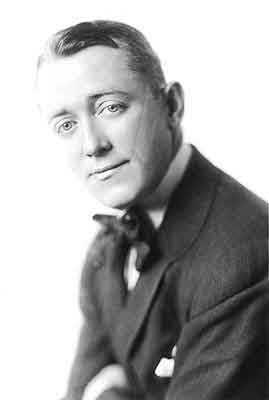
George Michael Cohan (July 3, 1878 – November 5, 1942) stands as a titan in the annals of American musical theatre. More than just a songwriter, composer, playwright, actor, dancer, and producer, Cohan was a one-man entertainment industry, a quintessential figure who embodied the brash optimism and patriotic fervor of the early 20th century. His influence permeated Broadway and beyond, shaping the very fabric of American popular culture. Born in Providence, Rhode Island, into a family of vaudeville performers known as "The Four Cohans," his life was intrinsically intertwined with the stage from his earliest days. This immersive upbringing instilled in him not only a deep understanding of showmanship but also a relentless drive to succeed. The 1910s were arguably Cohan's peak years, a decade where he consolidated his position as a leading figure on Broadway, churning out hit after hit and leaving an indelible mark on the theatrical landscape. He wasn't just creating entertainment; he was crafting a distinctly American identity for the musical stage. 1910-1919 They played a crucial role in the development of the 1910-1919 Music Era.
In-depth Analysis of Musical Style/Evolution
Cohan's musical style was a direct reflection of his personality: energetic, optimistic, and unapologetically American. His songs, particularly those written and popularized during the 1910s, became instant classics, anthems of a burgeoning nation eager to embrace its own identity. He eschewed the European operetta traditions that had dominated the American stage, instead forging a new path with music that was accessible, catchy, and relatable. "You're a Grand Old Flag," "Over There," and "Give My Regards to Broadway" are prime examples of his signature style. They possess a deceptively simple structure, relying on memorable melodies, singable lyrics, and rousing rhythms that inspired audiences to tap their feet and wave the flag.
The genius of Cohan lay in his ability to tap into the collective consciousness of the American public. His songs celebrated everyday heroes, the spirit of perseverance, and the boundless possibilities of the American dream. "Over There," penned in 1917 during the height of World War I, became the unofficial anthem of the American war effort. Its infectious melody and patriotic lyrics boosted morale and galvanized support for the troops. "You're a Grand Old Flag," initially titled "You're a Grand Old Rag," showcased his ability to blend patriotism with humor. While the original title faced some controversy, Cohan’s unwavering belief in its sentiment led him to modify it, resulting in an enduring symbol of American pride. He understood that music could be a powerful tool for uniting people, for instilling a sense of shared identity, and for celebrating the values that defined the nation.
While his core style remained consistent throughout the 1910s, Cohan wasn't afraid to experiment. He incorporated elements of ragtime and other popular musical forms into his compositions, reflecting the evolving musical landscape of the era. His dance numbers were equally innovative, drawing inspiration from vaudeville and popular social dances. He wasn't just writing songs; he was creating complete theatrical experiences that resonated with audiences on multiple levels. His musicals were fast-paced, filled with witty dialogue, and punctuated by memorable musical numbers that left audiences humming on their way home.
The 'Look': Fashion & Aesthetics Deep Dive
George M. Cohan's fashion sense was as carefully curated as his stage performances, reflecting his ambition and embodying the spirit of the American "go-getter." He favored tailored suits that exuded confidence and success. Sharp lines, impeccable fit, and classic fabrics were hallmarks of his wardrobe. His suits weren't flashy or ostentatious; they were understated yet undeniably stylish, projecting an image of respectability and upward mobility. He understood the power of appearance and used his attire to reinforce his persona as a successful and influential figure.
Beyond the suits, Cohan paid meticulous attention to details. His ties were always perfectly knotted, his shoes impeccably shined, and his hats strategically chosen to complement his overall look. He often sported a bowler hat, a classic accessory that added a touch of sophistication to his appearance. His grooming was equally precise; his hair was neatly styled, and his mustache impeccably maintained. He presented himself as a man of impeccable taste and unwavering confidence, a reflection of the values he espoused in his music and plays.
Cohan's aesthetic extended beyond his personal attire. His stage productions were meticulously designed, with attention paid to every detail, from the sets and costumes to the lighting and choreography. He understood the importance of creating a visually appealing spectacle that would captivate audiences and enhance the overall theatrical experience. He wanted his productions to be not only entertaining but also visually stunning, a reflection of the boundless possibilities of the American stage.
Engineering & Sound Production Analysis
While George M. Cohan was not a studio engineer in the modern sense, his deep understanding of musical structure and audience psychology functioned as a form of "sonic engineering" in its own right. He possessed an innate ability to craft melodies and lyrics that were instantly memorable and emotionally resonant. In an era predating widespread recording technology, Cohan's focus was on live performance, and his skill lay in creating songs that would translate powerfully within the theatre setting. His attention to rhythm, tempo, and dynamics ensured that his music energized audiences and compelled them to engage with the performance.
His compositions were designed to be easily amplified by the human voice, with clear enunciation and powerful projection taking precedence over complex arrangements. He understood that clarity and accessibility were key to connecting with a large audience. The simplicity of his song structures, characterized by repeated phrases and catchy hooks, facilitated memorization and encouraged audience participation. This strategic use of repetition and rhythmic drive can be seen as a form of early "sound design," aimed at maximizing the impact of his music within the limitations of the technology available at the time. His focus wasn't on studio trickery but on crafting a sonic experience that was both engaging and memorable, leaving a lasting impression on the listener long after the curtain fell.
Cohan's use of orchestration, while not documented in detail, likely favored arrangements that supported his vocal performance and emphasized the rhythmic energy of his songs. He likely collaborated with orchestrators who understood his vision and could translate his musical ideas into arrangements that would resonate with audiences. While the specific details of his sound production techniques may be lost to time, his enduring legacy as a songwriter and performer testifies to his inherent understanding of how to create music that connects with the human heart.
Cultural Impact & Legacy
George M. Cohan's cultural impact is undeniable. He helped to define the sound and spirit of early 20th-century America. His patriotic anthems, such as "You're a Grand Old Flag" and "Over There," became ingrained in the national consciousness, symbols of American pride and optimism. His musicals, filled with catchy tunes, witty dialogue, and exuberant dance numbers, entertained countless audiences and helped to establish Broadway as the epicenter of American musical theatre.
He was a trailblazer, a pioneer who paved the way for future generations of American songwriters and performers. His emphasis on American themes, his embrace of popular musical forms, and his energetic stage presence helped to create a distinctly American style of musical theatre that continues to influence artists to this day. Cohan's legacy extends beyond the stage. He inspired a sense of national pride and unity at a time when America was undergoing profound social and political changes. His music provided a soundtrack for a nation on the rise, a nation eager to embrace its own identity and assert its place on the world stage.
Even in the 21st century, Cohan's music continues to be performed and celebrated. His songs have been featured in countless films, television shows, and commercials, ensuring that his legacy endures for generations to come. He remains a symbol of American ingenuity, creativity, and unwavering optimism, a true Broadway legend whose contributions to American popular culture will never be forgotten.
Critical Reception (Then vs Now)
During his lifetime, George M. Cohan was largely celebrated as a national treasure. Critics lauded his songwriting abilities, his energetic performances, and his contributions to American musical theatre. His patriotic anthems were particularly well-received, resonating with audiences who were eager to express their love of country. However, even during his peak, some critics found his work to be overly simplistic or sentimental. His unabashed patriotism was sometimes seen as bordering on jingoism, particularly after the disillusionment that followed World War I. Some argued that his focus on catchy melodies and upbeat rhythms came at the expense of artistic depth.
In retrospect, Cohan's critical reception has become more nuanced. While his contributions to American musical theatre are still widely acknowledged, modern critics are more likely to examine the social and political context in which his work was created. Some have questioned the underlying assumptions of his patriotism, pointing to the exclusion of marginalized groups from his vision of America. Others have praised his ability to capture the spirit of his era, arguing that his music provides a valuable window into the hopes and anxieties of early 20th-century America.
Despite these criticisms, Cohan's legacy as a pioneer of American musical theatre remains secure. His songs continue to be enjoyed by audiences of all ages, and his influence on subsequent generations of songwriters and performers is undeniable. He was a product of his time, but his work transcends its historical context, continuing to resonate with audiences who appreciate his infectious energy, his catchy melodies, and his unwavering belief in the American dream.
Conclusion
George M. Cohan was more than just a performer; he was an institution. A quintessential American showman, he single-handedly shaped the landscape of early 20th-century musical theatre with his infectious energy, patriotic fervor, and undeniable talent. The 1910s were a pivotal decade in solidifying his legacy, birthing some of his most iconic works and establishing him as a true Broadway legend. While critical perspectives have evolved over time, Cohan's enduring influence on American popular culture remains undeniable. He embodied the spirit of a nation on the rise, a nation eager to embrace its own identity and assert its place on the world stage. His music continues to inspire, entertain, and evoke a sense of national pride, ensuring that his name will forever be synonymous with the golden age of American musical theatre. "The Yankee Doodle Boy" may have left the stage, but his music and his spirit live on.