Era:
George Walker, a name often inextricably linked with that of his performance partner Bert Williams, stands as a pivotal figure in the history of American entertainment. Emerging as a star in the vaudeville circuit during the early 20th century, Walker not only captivated audiences with his dynamic stage presence and innovative performances but also navigated the complex and often treacherous landscape of racial prejudice that defined the era. His career, though tragically cut short, left an indelible mark on the development of American musical theater and paved the way for future generations of Black performers. This biography delves into the life, artistry, and enduring legacy of George Walker, exploring his contributions to music, dance, fashion, and his complex relationship with the societal constraints of his time. 1910-1919 As a defining figure of the 1910-1919 Music Era, they shaped the cultural landscape.
In-depth Analysis of Musical Style/Evolution
George Walker's musical style was deeply rooted in the traditions of minstrelsy, a dominant form of entertainment at the time, but it also sought to transcend its inherent limitations. Early in his career, like many Black performers of the era, Walker engaged with "coon songs," a genre characterized by exaggerated dialect and often demeaning portrayals of African Americans. These songs, while providing a platform for performance, were fraught with racial stereotypes. However, Walker, along with Williams, skillfully subverted these tropes, injecting their performances with a level of wit, nuance, and theatrical flair that challenged the prevailing caricatures. They used the minstrel format as a vehicle to express their own experiences and perspectives, albeit within the constraints of a racist society.
As vaudeville gained prominence, Walker and Williams' act evolved to incorporate elements of ragtime, a burgeoning musical genre characterized by its syncopated rhythms and infectious melodies. Walker's powerful vocals, combined with his innate sense of rhythm, made him a natural fit for this style. He brought a unique theatricality to his musical performances, utilizing expressive gestures and engaging stage presence to connect with audiences on a personal level. While recordings of Walker's voice are scarce, accounts from the time describe a commanding baritone voice capable of both comedic delivery and moments of genuine pathos. His musical performances were not simply about singing songs; they were about telling stories and creating a vibrant theatrical experience that transcended the limitations of the minstrelsy tradition.
The duo's collaboration was crucial in redefining the sound of early 20th-century popular music. Walker’s ability to interpret and elevate existing musical forms allowed him, alongside Williams, to appeal to diverse audiences, ultimately contributing to the mainstreaming of African-American musical styles.
The 'Look': Fashion & Aesthetics Deep Dive
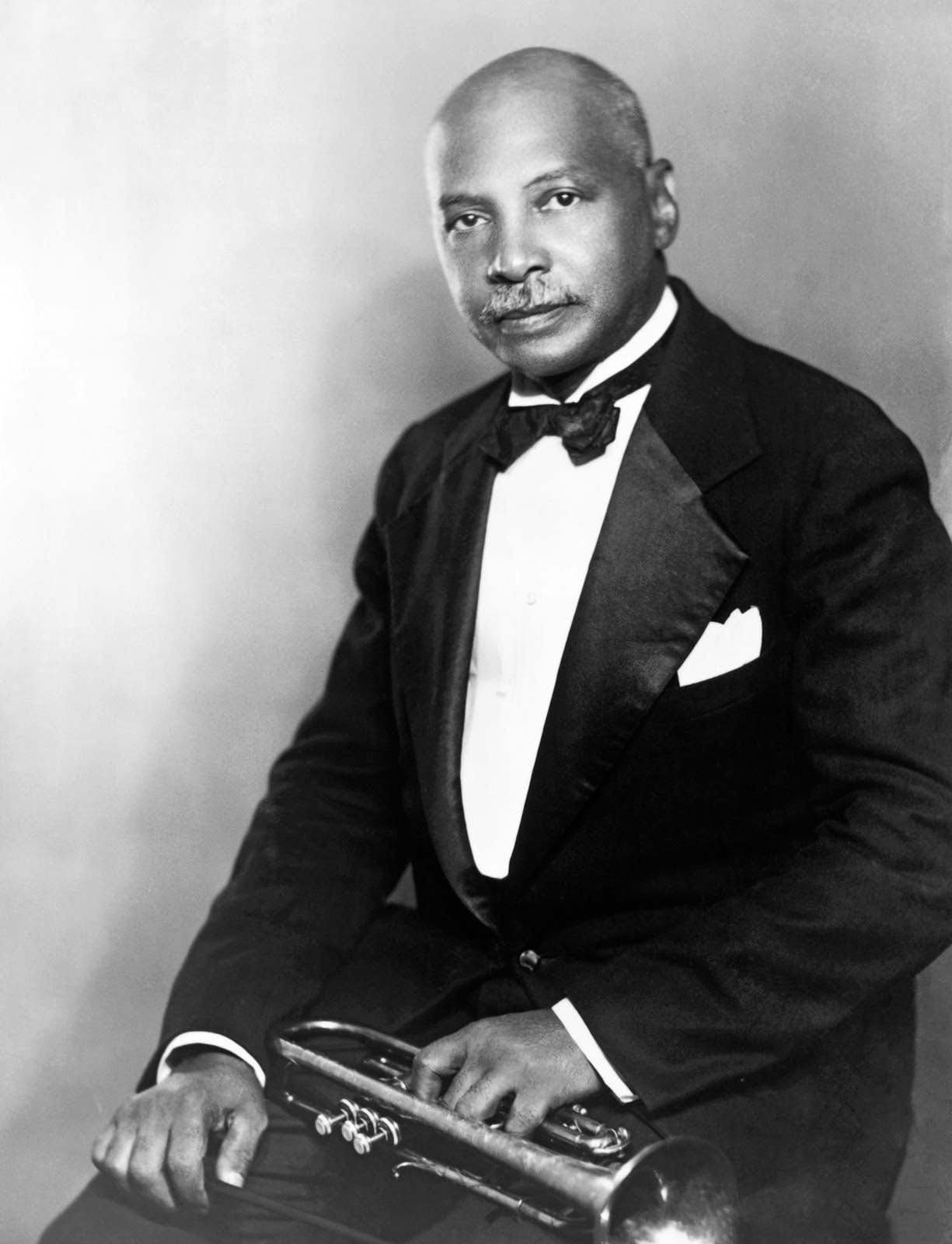
George Walker understood the power of presentation. In an era defined by rigid social codes and entrenched racial stereotypes, his sartorial choices became a form of silent protest and a testament to his self-respect. He was renowned for his impeccable suits, often tailored to perfection and accessorized with stylish hats, ties, and pocket squares. This attention to detail was not merely a matter of personal vanity; it was a deliberate attempt to counter the demeaning images of Black men that were prevalent in popular culture.
Walker's refined appearance challenged the crude caricatures of minstrelsy and presented a more sophisticated and dignified image of African Americans. His clothing choices reflected the dapper aesthetic of the era, drawing inspiration from the styles of European aristocracy and the emerging trends of the Jazz Age. By embracing elegance and sophistication, Walker and Williams consciously disrupted the prevailing narrative that Black men were inherently inferior or incapable of refinement. This visual statement was particularly powerful in the context of vaudeville, where audiences were accustomed to seeing Black performers in clownish costumes and exaggerated makeup.
The duo’s carefully crafted stage presence, from their clothing to their mannerisms, influenced not only their immediate audiences but also future generations of Black performers who sought to challenge racial stereotypes through their artistry and personal style. They set a precedent for Black entertainers to take control of their image and to present themselves with pride and dignity, regardless of the limitations imposed by society.
Engineering & Sound Production Analysis
It is important to acknowledge the limitations in exploring the engineering and sound production aspects of George Walker's career. He predated the widespread adoption of recording technology, and consequently, very few recordings of his voice exist. While Bert Williams' voice was captured on wax cylinder and early disc recordings, Walker's contributions remain largely undocumented in recorded form. This makes it challenging to analyze his vocal technique or his interaction with early sound production methods.
However, we can glean insights into his performance style from contemporary accounts and reviews. These sources consistently describe Walker as having a powerful and resonant voice that commanded attention on stage. He was known for his clear enunciation, his ability to project his voice effectively, and his masterful use of vocal inflection to convey emotion and humor. In an era before amplification, these skills were essential for any performer who wanted to connect with a large audience. Walker's performances relied on raw talent, masterful showmanship, and a deep understanding of how to engage with a live audience. The lack of technological enhancements placed greater emphasis on the performer's inherent abilities, and in this regard, Walker excelled.
Although he didn’t benefit from advanced sound engineering, the very nature of vaudeville theaters, with their unique acoustics, would have played a role in shaping the audience's experience of his performance. Walker was a master of his environment, using his voice and stage presence to create an immersive experience for his audience.
Dance: Movement and Mastery
Dance was an integral component of George Walker’s stage presence and artistic identity. He was particularly celebrated for his rendition of the cakewalk, a dance that originated in African-American communities and evolved into a popular feature in minstrel shows and vaudeville. Walker, however, transformed the cakewalk from a simple parody into a sophisticated display of grace, athleticism, and theatricality. His energetic movements, combined with his expressive gestures and engaging personality, captivated audiences and made him a highly sought-after dancer.
Beyond the cakewalk, Walker was known for his innovative choreography and his ability to seamlessly blend different dance styles. He incorporated elements of tap dance, soft shoe, and other popular forms of dance into his performances, creating a dynamic and visually engaging spectacle. His dance routines were not merely decorative; they were integral to the storytelling and comedic aspects of his act. He used his body to communicate emotion, to create humor, and to connect with his audience on a visceral level.
The dynamic partnership with Bert Williams further amplified the impact of Walker’s dancing. While Williams often played the role of the comedic foil, Walker was the charismatic and energetic leading man. This contrast in styles created a compelling dynamic on stage, with Walker’s athleticism and grace complementing Williams’ wit and understated humor. Together, they revolutionized the way dance was used in vaudeville, elevating it from a simple novelty act to an integral part of their overall artistic vision.
Cultural Impact & Legacy
George Walker's cultural impact extends far beyond his accomplishments on the vaudeville stage. He, along with Bert Williams, broke down racial barriers and challenged prevailing stereotypes in the entertainment industry. Their success paved the way for future generations of Black performers and helped to create a more inclusive and diverse landscape in American musical theater. They were among the first Black artists to achieve mainstream success, earning critical acclaim and widespread recognition for their talent and artistry.
However, their legacy is also complex and fraught with the contradictions of their time. As Black performers in a predominantly white industry, they faced constant pressure to conform to racial stereotypes and to cater to the expectations of white audiences. Their act, while groundbreaking in many respects, also relied on elements of minstrelsy that are now widely recognized as offensive and demeaning. It is important to acknowledge these complexities and to understand the historical context in which they operated.
Despite these challenges, Walker and Williams' contributions to American culture are undeniable. They demonstrated that Black performers were capable of achieving artistic excellence and of challenging the status quo through their artistry. They inspired countless other Black artists to pursue their dreams and to fight for greater representation and equality in the entertainment industry. Their influence can be seen in the work of later performers such as Bill "Bojangles" Robinson, Paul Robeson, and Lena Horne, all of whom built upon the foundation that Walker and Williams laid.
Critical Reception (Then vs Now)
During his lifetime, George Walker received both praise and criticism for his work. He was lauded for his talent, his charisma, and his ability to connect with audiences. Critics often praised his dynamic stage presence, his powerful vocals, and his innovative dance routines. He and Williams were celebrated as pioneers of American musical theater and as important voices in the Black community. However, they also faced criticism for perpetuating racial stereotypes and for catering to the expectations of white audiences. Some critics argued that their act reinforced harmful caricatures of African Americans and that they should have used their platform to challenge racial inequality more directly.
In contemporary assessments, George Walker's work is viewed with a more nuanced and critical lens. While his talent and contributions to American culture are still recognized, there is a greater awareness of the problematic aspects of his act and the historical context in which he operated. Scholars and critics acknowledge that he and Williams were constrained by the limitations of their time and that they had to navigate a complex and often hostile environment. There is also a greater understanding of the ways in which their act both reinforced and subverted racial stereotypes. Today, Walker's legacy is viewed as a complex and multifaceted one, reflecting the contradictions and complexities of race in American history.
Modern audiences and scholars recognize the constraints imposed by the era, including the limited opportunities and prevailing racism, yet celebrate their undeniable talent and strategic use of performance to challenge societal norms within those constraints. This updated critical perspective provides a balanced view, acknowledging both the accomplishments and limitations of Walker's work.
Conclusion
George Walker's life and career represent a pivotal chapter in the history of American entertainment. As a pioneering Black vaudeville star, he broke down racial barriers, challenged prevailing stereotypes, and paved the way for future generations of Black performers. His talent, charisma, and innovative artistry captivated audiences and earned him widespread recognition. While his act was not without its complexities and contradictions, his contributions to American culture are undeniable. George Walker's legacy serves as a reminder of the power of art to challenge social norms, to inspire hope, and to create a more inclusive and equitable world. He remains a vital figure in understanding the evolution of American musical theater and the ongoing struggle for racial equality in the entertainment industry.
© Music Artist Vault. All rights reserved.