Introduction: A Phantom of the Piano
The name Gitz Rice may not immediately resonate within the pantheon of early 20th-century music legends, yet his story is a vital thread in the vibrant tapestry of ragtime's evolution into jazz. Emerging during a pivotal decade, the 1910s, Rice captivated audiences with his energetic performances and innovative compositions. Though no known recordings survive to directly convey his artistry, his influence echoes through the sheet music he left behind, the accounts of contemporaries, and the dances his music inspired. He remains a tantalizing figure, a phantom of the piano whose impact on the cultural landscape of the era deserves a deeper exploration. This biography seeks to reconstruct the world of Gitz Rice, piecing together fragments of information to illuminate the life and legacy of a remarkable, yet often overlooked, ragtime artist. 1910-1919 This career stands as a testament to the diverse sounds of the 1910-1919 Music Era.
In-depth Analysis of Musical Style/Evolution: Bridging Ragtime and Jazz
Gitz Rice’s musical style existed in the crucial transitional period between the structured syncopation of traditional ragtime and the improvisational freedom of early jazz. While rooted in the rhythmic complexities and melodic charm of ragtime, he incorporated elements that foreshadowed the burgeoning jazz idiom. His sheet music, though limited, reveals a composer unafraid to experiment with harmonic structures and melodic phrasing. Think of him as a musical chemist, blending the established ingredients of ragtime with proto-jazz elements, resulting in something wholly unique.
One key characteristic of Rice's style was his emphasis on improvisation during live performances. While the printed score provided the framework, eyewitness accounts suggest he embellished and altered his pieces spontaneously, a hallmark of jazz to come. This improvisational spirit likely extended to the integration of "blue notes" and a looser, more relaxed rhythmic feel compared to the strict adherence often associated with earlier ragtime composers. He wasn't simply playing the notes on the page; he was breathing life into them, molding them into something fresh and exciting each time he sat at the piano.
Furthermore, it's plausible that Rice's work contained subtle influences from other contemporary musical styles, such as early blues and popular song. The exchange of ideas between genres was common in the musically fertile environment of the 1910s, and it would be surprising if Rice hadn't absorbed some of these influences into his compositions and performances. The syncopated rhythms of ragtime provided a natural bridge for blues tonalities, creating a sound that was both familiar and innovative.
Unfortunately, without recordings, a complete picture of his musical evolution remains elusive. We can only speculate on the nuances of his technique, his improvisational choices, and the subtleties of his rhythmic phrasing. However, based on available evidence, it's clear that Gitz Rice was more than just a ragtime musician; he was a musical innovator who played a crucial role in the development of early jazz.
The 'Look': Fashion & Aesthetics Deep Dive
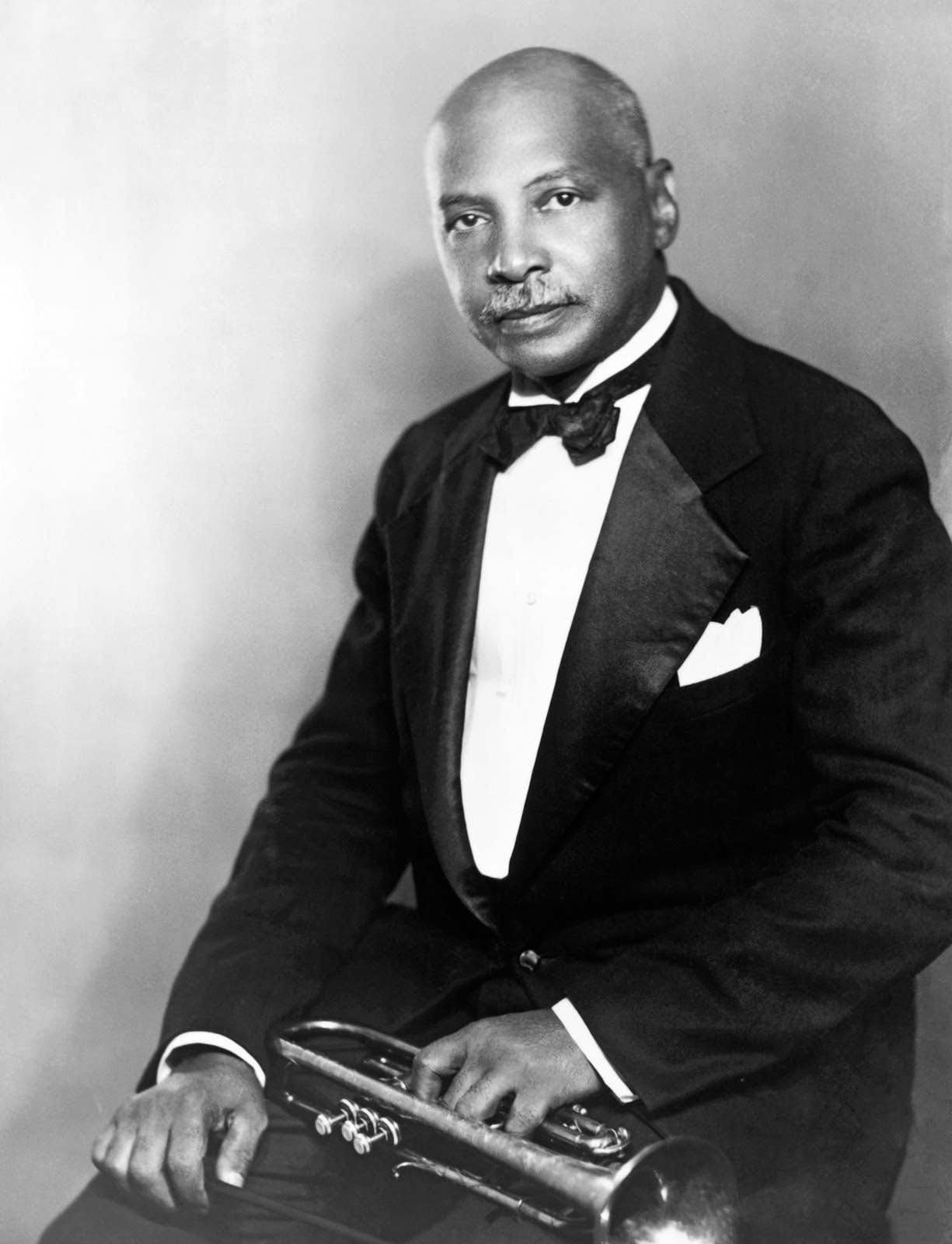
While visual documentation of Gitz Rice is regrettably scarce, we can extrapolate from the broader cultural context of the 1910s to understand his likely aesthetic. The fashion of the era reflected the optimism and modernity that characterized the pre-World War I years, and this spirit undoubtedly influenced the appearance of prominent musicians like Rice. He likely cultivated a debonair image, fitting for a performer who entertained audiences with lively and energetic music.
Given the prevalence of tailored suits amongst male musicians of the time, it's probable that Rice favored this style. A well-fitted suit, often in dark colors like charcoal grey or navy, would have projected an air of sophistication and professionalism. The cut of the suit would have been relatively slim, reflecting the gradual shift away from the more formal and restrictive clothing of the Victorian era. Accessories would have played a crucial role in completing the look. A crisp white shirt, often with a detachable collar, would have been a staple. A tie, perhaps patterned or textured, would have added a touch of personality. And, of course, a pocket square, carefully folded, would have indicated attention to detail and a sense of style.
A well-groomed mustache was practically de rigueur for men of the period, and it's highly likely that Rice sported one as well. The mustache, carefully styled and maintained, served as a visual marker of masculinity and sophistication. Beyond clothing, personal grooming would have been essential. A neatly trimmed haircut, often parted to the side, and a clean-shaven face (aside from the mustache, of course) would have completed the image of a polished and confident performer.
The overall aesthetic of Gitz Rice, therefore, would have been one of refined elegance and understated confidence. He presented himself as a modern man, embracing the optimism and energy of the era. His appearance, like his music, would have resonated with audiences who were eager to embrace new forms of entertainment and self-expression. He projected the image of a successful artist, someone who understood the importance of presentation in shaping public perception.
Engineering & Sound Production Analysis: Echoes in the Absence of Sound
Analyzing the "engineering and sound production" of Gitz Rice presents a unique challenge, as no known recordings of his performances exist. We are forced to rely on secondary sources, such as sheet music and contemporary accounts, to reconstruct a picture of his sonic world. The limitations of recording technology in the 1910s further complicate the task. Acoustic recording methods, which relied on capturing sound vibrations through a mechanical horn, were still in their infancy. Electrical recording, which offered significantly improved fidelity, was just beginning to emerge towards the end of the decade.
Therefore, Rice's performances were primarily experienced live, in theaters, dance halls, and private gatherings. The acoustics of these spaces would have played a significant role in shaping the sound of his music. The size and shape of the room, the materials used in its construction, and the presence of an audience would have all influenced the way his piano playing was perceived.
Sheet music provides some clues about his arrangements and harmonic structures, but it offers little insight into the nuances of his performance style. It doesn't capture the subtle variations in tempo, dynamics, and articulation that would have characterized his playing. Contemporary accounts, while valuable, are often subjective and impressionistic. They can describe the energy and excitement of his performances, but they rarely provide detailed analyses of his sonic techniques.
Given these limitations, we can only speculate about the specific techniques that Rice employed. He likely utilized a variety of voicings and chord inversions to create a rich and textured sound. He may have experimented with different pedaling techniques to sustain notes and create harmonic effects. And he undoubtedly possessed a keen sense of rhythm and timing, essential for conveying the infectious energy of ragtime. While we may never be able to fully recreate the sound of Gitz Rice, the available evidence allows us to appreciate the artistry and skill of this influential musician.
Cultural Impact & Legacy: A Catalyst for Dance and Social Change
Gitz Rice's cultural impact extended beyond the realm of music. He played a vital role in popularizing ragtime music and fostering a vibrant dance culture in the 1910s. His energetic performances encouraged audiences to move and express themselves, contributing to the burgeoning social dance scene of the era. He was a catalyst for social change, helping to break down traditional barriers and promote a more relaxed and inclusive atmosphere.
His music provided the soundtrack for the emerging social dances of the time, such as the Foxtrot, the One-Step, and even early iterations of the Charleston. These dances, characterized by their lively rhythms and improvisational movements, were a departure from the more formal and structured dances of the Victorian era. They represented a new spirit of freedom and experimentation, reflecting the changing social norms of the time.
Rice's live shows were likely highly interactive, encouraging audience participation and improvisation. He created an atmosphere where people felt comfortable letting loose and expressing themselves through dance. He was a facilitator of social interaction, bringing people together through the shared experience of music and movement. He fostered a sense of community and belonging, helping to break down social barriers and promote a more inclusive culture.
Although he is not as widely known today as some of his contemporaries, Gitz Rice's legacy lives on through the music and dance traditions that he helped to shape. He was a key figure in the transition from ragtime to jazz, and his influence can be heard in the work of subsequent generations of musicians. He was also a pioneer in the development of social dance, helping to create a culture of freedom and self-expression that continues to resonate today. His contribution to the evolution of American music and dance should not be underestimated.
Critical Reception (Then vs Now): From Novelty to Reverence
Contemporary reviews of Gitz Rice's performances were generally positive, praising his virtuosity and ability to engage audiences. He was recognized as a talented and innovative musician who brought a fresh perspective to the ragtime scene. However, like many ragtime musicians, he also faced some criticism from those who viewed the genre as "vulgar" or simply a passing fad. The older generation, accustomed to more formal and traditional forms of music, often struggled to appreciate the syncopated rhythms and improvisational nature of ragtime.
Some critics dismissed ragtime as mere novelty music, lacking the depth and complexity of classical compositions. They viewed it as a threat to established musical traditions, a sign of cultural decline. Others were more accepting, recognizing the energy and excitement that ragtime brought to the music scene. They appreciated the skill and artistry of the performers, even if they didn't fully embrace the genre.
Today, Gitz Rice is viewed with a greater sense of reverence and historical appreciation. His contributions to the development of ragtime and early jazz are now recognized by music historians and scholars. While the lack of recordings makes it difficult to fully assess his artistry, his sheet music and contemporary accounts provide valuable insights into his musical style and influence. He is no longer seen as a mere novelty act but as an important figure in the evolution of American music.
The shift in critical reception reflects a broader change in attitudes towards ragtime and early jazz. These genres are now recognized as vital components of American musical heritage, representing a unique blend of African and European influences. Gitz Rice, as a key figure in this movement, deserves to be remembered and celebrated for his contributions to the rich and diverse tapestry of American music.
Conclusion: An Enduring Echo
Gitz Rice's story is a testament to the enduring power of music to shape culture and inspire change. Though his performances are lost to time, his influence reverberates through the music and dance traditions that he helped to create. He was a pivotal figure in the transition from ragtime to jazz, a catalyst for social change, and a skilled musician who captivated audiences with his energy and innovation. His legacy serves as a reminder that even those whose names are not widely known can make a profound impact on the world. He was, and remains, a vital, if somewhat ghostly, member of ragtime royalty, and his contribution to American musical history deserves continued recognition and celebration.