Gus Edwards was more than just a composer; he was an architect of American popular entertainment during the formative years of the 20th century. His name, synonymous with the glitz and glamour of vaudeville, resonated through the 1910s as he churned out hit after hit, solidifying his place as a kingpin of catchy melodies and optimistic themes. While his artistry may be seen through a lens of simplicity by today’s standards, Edwards’ influence on the landscape of early popular music, his savvy adoption of nascent recording technologies, and his keen understanding of what audiences craved solidified his enduring legacy. This biography delves into the multifaceted career of Gus Edwards, exploring his musical style, stage presence, technological contributions, and the enduring cultural impact that cemented his position as a pivotal figure in American entertainment. 1910-1919 Historically, they are inseparable from the identity of the 1910-1919 Music Era.
In-depth Analysis of Musical Style/Evolution
Gus Edwards' musical genius lay in his ability to craft melodies that were instantly memorable and inherently singable. His compositions were infused with the spirit of ragtime, a genre that was sweeping the nation with its syncopated rhythms and infectious energy. However, Edwards wasn't a pure ragtime composer in the vein of Scott Joplin. Instead, he expertly blended ragtime elements with the sentimental strains of popular ballads, creating a unique style that appealed to a broad audience. His songs were often characterized by upbeat tempos, major key harmonies, and lyrics that celebrated the joys of everyday life, love, and patriotism.
A hallmark of Edwards' style was his focus on accessibility. He understood that the key to success in vaudeville was creating music that could be easily learned and enjoyed by the masses. His arrangements were relatively simple, avoiding complex harmonies or intricate instrumental parts. This allowed for amateur musicians and theatergoers alike to participate in the music-making process, further contributing to the popularity of his songs. Edwards’ music was designed to be performed, shared, and absorbed into the cultural consciousness. The songs weren’t just pieces of music; they were social lubricants.
While many of Edwards’ hits featured the lively syncopation of ragtime, he also incorporated other popular musical forms of the era, like the waltz and the two-step. This versatility allowed him to cater to a wide range of tastes and adapt his music to different performance contexts. Notably, many of his songs included opportunities for audience participation, such as sing-along choruses or simple dance steps, further blurring the line between performer and spectator and fostering a sense of community. Think of it as the early 20th century equivalent of a pop concert where the whole audience knows the words.
Examining his musical evolution throughout the decade reveals a subtle but persistent refinement. While the core elements of his style remained consistent, later works showcased a slightly more sophisticated harmonic palette and more nuanced lyrical themes. He began experimenting with incorporating elements of early jazz into his compositions, reflecting the changing musical landscape of the time. However, he always remained true to his core aesthetic of creating accessible and entertaining music for the masses, refusing to sacrifice popularity for the sake of artistic experimentation.
The 'Look': Fashion & Aesthetics Deep Dive
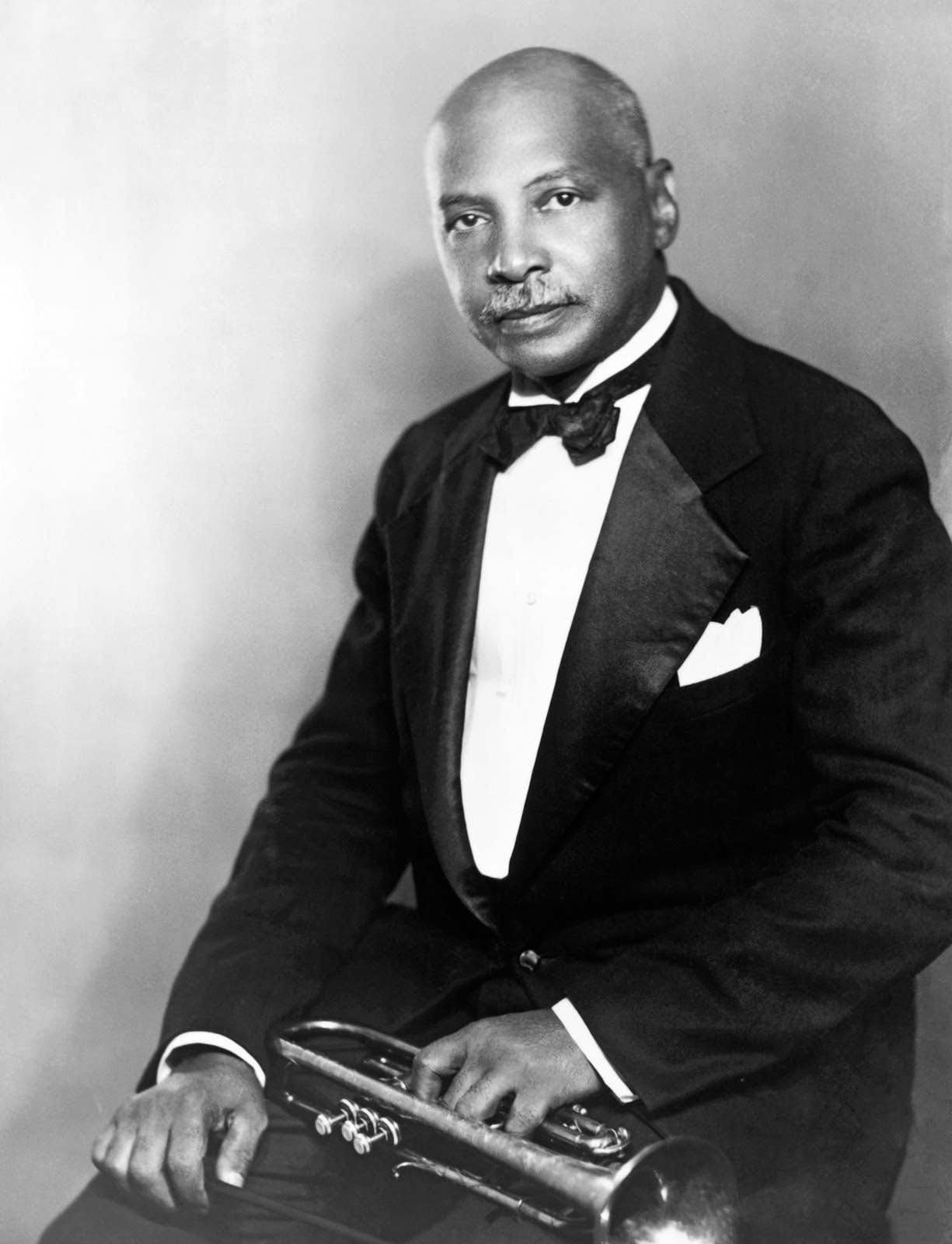
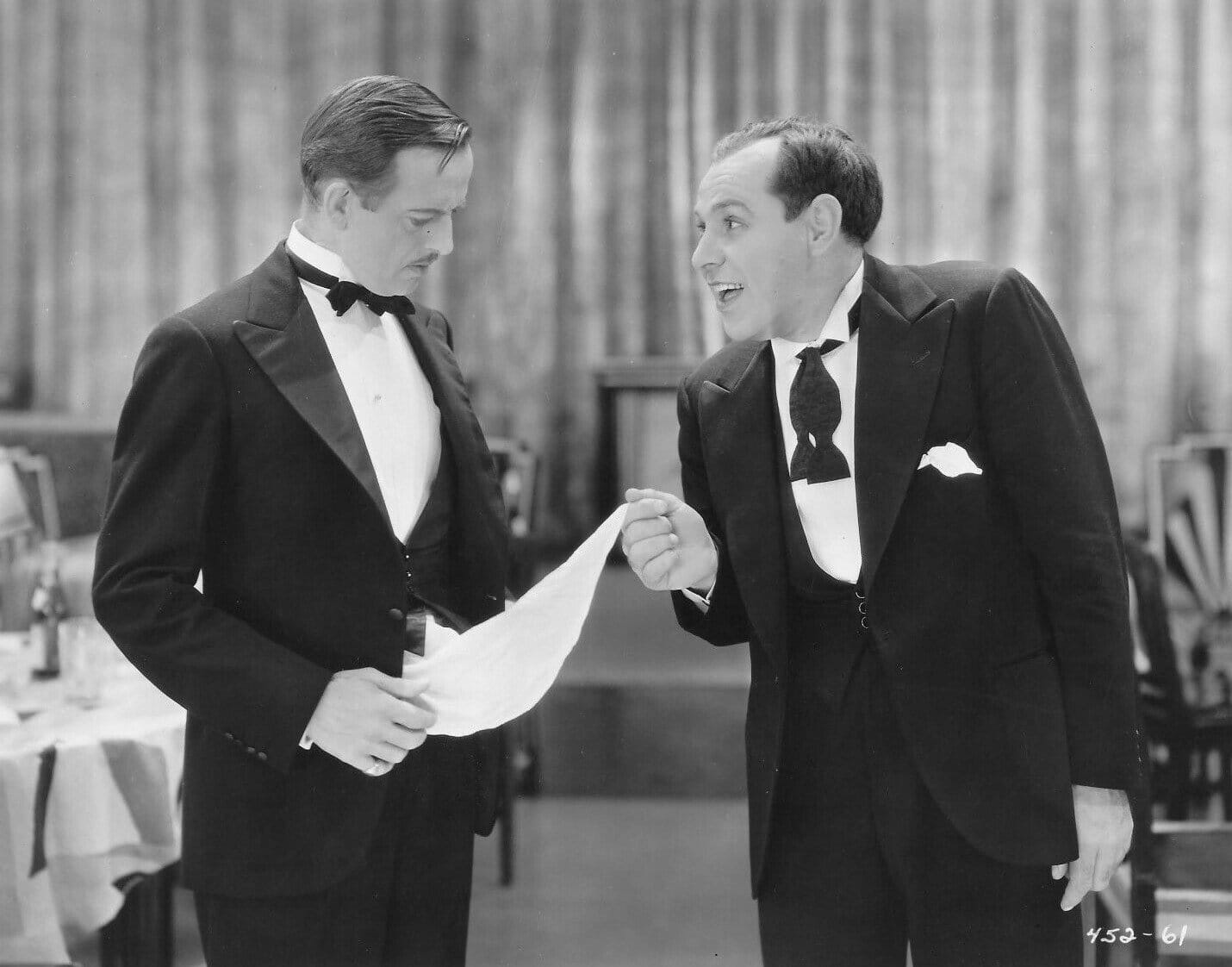
Gus Edwards' stage presence was as carefully cultivated as his music. He understood that in the world of vaudeville, appearance was everything. His attire was always impeccably tailored and reflected the sartorial standards of the era. Dapper suits were his signature look, often featuring sharp lines, padded shoulders, and expertly pressed trousers. His choice of fabrics typically favored classic wools and tweeds in muted tones, complemented by contrasting vests and ties. The overall impression was one of sophistication, success, and undeniable charm.
Beyond the clothing itself, Edwards paid meticulous attention to the details. A perfectly knotted tie, a gleaming pocket watch, and a well-placed boutonniere were all essential components of his stage persona. His hair was always neatly groomed, typically styled with a side part and a touch of pomade to maintain its shape. This commitment to grooming extended to his facial hair, which was often styled in a clean and classic manner, reflecting the prevailing fashions of the time.
The 'Gus Edwards Look' wasn't just about personal style; it was also about projecting an image of success and respectability. In an era where social mobility was on the rise, Edwards' polished appearance resonated with audiences who aspired to a better life. He embodied the aspirational ideal of the self-made man, demonstrating that hard work and dedication could lead to financial success and social acceptance. He was, in essence, packaging the American dream.
This carefully constructed image also served to enhance his performances. By presenting himself as a refined and sophisticated entertainer, Edwards elevated the perceived value of his music. Audiences were more likely to embrace his songs if they were presented by a performer who looked the part. His visual aesthetic was, therefore, an integral component of his overall artistic success.
Engineering & Sound Production Analysis
Gus Edwards' recording career coincided with a period of rapid technological advancement in the field of sound recording. The early 1910s witnessed the transition from acoustic recording methods to electrical recording, a development that significantly improved the fidelity and clarity of recorded music. While Edwards' earliest recordings were made using acoustic techniques, he quickly embraced the new electrical process, recognizing its potential to capture the nuances of his music with greater accuracy.
Even within the limitations of these early recording technologies, Edwards' attention to detail is evident in his recordings. His vocals are always clear and prominent, ensuring that the lyrics of his songs are easily understood. The instrumentation, while often sparse, is well-balanced and supportive of the vocal melody. The recordings showcase a clear understanding of microphone placement and studio acoustics, demonstrating a keen awareness of the technical aspects of sound production.
The engineering choices made in Edwards' recordings also reflect his emphasis on accessibility. The arrangements were carefully crafted to translate well to the limitations of the recording equipment. Complex instrumentation was avoided in favor of simple, clean sounds that could be captured effectively. This pragmatic approach ensured that his music would sound as good as possible on the phonographs of the time, maximizing its commercial appeal.
Analyzing the sonic texture of Edwards’ recordings also provides insights into the prevailing aesthetic preferences of the era. The emphasis on clarity and simplicity reflects a desire for recordings that accurately captured the essence of a live performance. There was little experimentation with studio effects or electronic manipulation, as the goal was to reproduce the sound of the music as faithfully as possible. In essence, the technology served the music, not the other way around.
Cultural Impact & Legacy
Gus Edwards' impact on American popular culture during the 1910s was profound. His songs became ubiquitous, permeating vaudeville shows, sheet music sales, and early radio broadcasts. His catchy melodies and optimistic lyrics provided a soundtrack to a nation undergoing rapid social and economic change. He captured the spirit of the era, reflecting the aspirations and anxieties of a generation eager to embrace the future.
Edwards' legacy extends beyond the immediate popularity of his songs. He played a pivotal role in shaping the landscape of American musical theater. His ability to craft memorable tunes and engaging stage performances influenced countless subsequent generations of composers and performers. Many of the tropes and conventions of early musical theater can be traced back to Edwards' groundbreaking work.
Moreover, Edwards' success paved the way for other songwriters and performers to break into the burgeoning entertainment industry. His story served as an inspiration to aspiring artists, demonstrating that talent and hard work could lead to fame and fortune. He helped to democratize the entertainment industry, creating opportunities for individuals from diverse backgrounds to pursue their dreams.
His influence is also evident in the evolution of popular music. By blending ragtime with sentimental ballads, Edwards helped to create a hybrid style that appealed to a broad audience. This fusion of musical genres laid the groundwork for the development of later styles such as Tin Pan Alley and early jazz. His contribution to the melting pot of American music cannot be overstated.
Critical Reception (Then vs Now)
During his heyday, Gus Edwards was widely celebrated as a master of popular entertainment. Critics praised his ability to craft catchy melodies, his engaging stage presence, and his keen understanding of what audiences wanted. He was seen as a symbol of American ingenuity and entrepreneurial spirit, a self-made man who had achieved remarkable success through talent and hard work. He was a darling of the vaudeville circuit and a recognized figure in the popular press.
However, some contemporary critics dismissed Edwards' work as overly sentimental and lacking in artistic depth. They argued that his songs were too simplistic and formulaic, catering to the lowest common denominator. These critiques often reflected a broader cultural divide between high art and popular entertainment, with Edwards firmly positioned on the side of the latter.
In retrospect, Gus Edwards' work is viewed with greater appreciation for its historical significance. While his music may not possess the same level of complexity as that of some of his contemporaries, its undeniable impact on the development of American popular culture cannot be denied. He is now recognized as a pioneer of early musical theater and a key figure in the popularization of ragtime music. His songs are appreciated for their charm, their energy, and their ability to capture the spirit of a bygone era.
Modern critics also acknowledge the technological challenges that Edwards faced. The limitations of early recording technology are taken into consideration when evaluating the sonic quality of his recordings. His ability to create engaging and entertaining music within these constraints is seen as a testament to his ingenuity and creativity. He is now understood not just as a composer, but as an innovator who helped to shape the future of the entertainment industry.
Conclusion
Gus Edwards' career, spanning the vibrant decade of the 1910s, provides a fascinating window into the world of early 20th-century American entertainment. He was a master of his craft, expertly blending ragtime rhythms with sentimental melodies to create music that resonated with audiences across the nation. His dapper style, coupled with his keen understanding of studio technology, cemented his image as a consummate performer and innovator. While some critics may have dismissed his work as overly simplistic, his enduring popularity and lasting influence on subsequent generations of performers cannot be denied. Gus Edwards was more than just a composer; he was a cultural icon who helped to define the sound and spirit of an era, leaving an indelible mark on the landscape of American popular music.