Gussie L. Davis stands as a pivotal, yet often overlooked, figure in the annals of American popular music. A pioneering African American songwriter who rose to prominence during the late 19th and early 20th centuries, Davis carved a unique niche for himself with his emotionally resonant ballads and subtle, yet significant, contributions to the nascent ragtime scene. While facing the pervasive racial prejudice of his era, he achieved remarkable commercial success, captivating audiences with songs that explored universal themes of love, loss, and the everyday struggles of life. His story is a testament to the power of talent to transcend societal barriers and a reminder of the vital contributions African American artists have made to shaping the musical landscape of America. This biography delves into the life, music, and lasting impact of Gussie L. Davis, exploring his artistic evolution, his role in the cultural fabric of his time, and the critical reception he faced, both then and now. 1900-1909 A cornerstone of the 1900-1909 Music Era, their influence echoes to this day.
In-depth Analysis of Musical Style/Evolution
Gussie L. Davis's musical style is characterized by its heartfelt sentimentality and a deft blend of popular song structures with emerging ragtime elements. He was, first and foremost, a master of the ballad. His most famous works, such as "In the Baggage Coach Ahead" (1896) and "The Fatal Wedding" (1893), are prime examples of the genre. These songs typically feature straightforward melodies, easily memorable hooks, and lyrics that tell poignant stories. Davis possessed a remarkable ability to tap into the emotional core of his listeners, crafting narratives that resonated deeply with their experiences of love, loss, and the challenges of daily life.
The power of Davis’s ballads resided in their accessibility. He crafted simple, singable melodies, often adhering to familiar harmonic progressions that were common in parlor songs of the era. This accessibility made his songs easy to learn and perform, contributing to their widespread popularity in homes and at social gatherings. However, it was the narratives woven into his lyrics that truly set him apart. "In the Baggage Coach Ahead," for instance, tells the story of a man encountering a crying baby on a train and subsequently discovering the child is his own, abandoned by its dying mother. The pathos and emotional depth of the story, combined with Davis's evocative melody, created a powerful and unforgettable listening experience.
Beyond his mastery of the ballad, Davis also made subtle but important contributions to the development of early ragtime. While not primarily known as a ragtime composer, his songs often incorporated elements of syncopation and rhythmic complexity that foreshadowed the genre's full emergence. Listen closely to the rhythmic undercurrent in some of his faster-paced compositions, and you'll discern hints of the "ragged" rhythms that would become a defining characteristic of ragtime. This blending of sentimental balladry with nascent ragtime elements showcases Davis's versatility as a songwriter and his keen awareness of the evolving musical trends of his time. He was not simply replicating existing forms; he was actively contributing to the creation of new musical possibilities.
His evolution as a songwriter likely stemmed from a combination of innate talent, formal musical training, and exposure to the diverse musical influences present in late 19th-century America. While specific details about his early musical education are scarce, it is clear that he possessed a strong understanding of musical theory and composition. This foundation, coupled with his ability to connect with audiences on an emotional level, allowed him to create songs that were both artistically compelling and commercially successful. The fact that his songs were adopted and performed by a wide range of artists, both black and white, further speaks to their universal appeal and enduring quality.
The 'Look': Fashion & Aesthetics Deep Dive
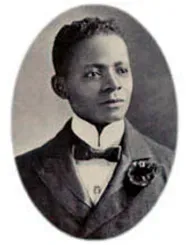
While detailed accounts of Gussie L. Davis’s personal style are limited, the available visual evidence – primarily photographs – provides valuable insights into the image he cultivated as a successful musician in the late 19th and early 20th centuries. Davis consistently presented himself in formal attire, a sartorial choice that reflected the professionalism and respectability he sought to project in a racially charged era. His clothing was not merely functional; it was a carefully constructed statement of identity and aspiration.
Photographs reveal Davis typically favored tailored suits, often paired with vests and accessorized with a bow tie or cravat. The suits themselves likely varied in fabric and cut depending on the occasion, but the overall impression was one of understated elegance and meticulous attention to detail. The vest, a ubiquitous garment in men's fashion of the period, added an extra layer of formality and sophistication to his appearance. The choice of a bow tie or cravat, rather than a more casual necktie, further reinforced his commitment to projecting an image of refined respectability.
Beyond the specific garments, Davis’s grooming also played a crucial role in shaping his overall aesthetic. He typically sported a neatly trimmed mustache and carefully coiffed hair, further contributing to his polished and professional appearance. In an era where personal presentation was considered paramount, Davis understood the importance of projecting an image of success and competence, particularly as an African American artist navigating a society rife with racial prejudice.
His choice of attire can be interpreted as a strategic response to the racial biases of the time. By adhering to the sartorial conventions of the white middle class, Davis sought to challenge prevailing stereotypes and demonstrate that African Americans were capable of achieving success and respectability in the mainstream culture. His formal attire served as a visual declaration of his artistic merit and his right to be taken seriously as a composer and performer.
Engineering & Sound Production Analysis
In the early 1900s, the field of audio engineering was still in its infancy, far removed from the sophisticated digital technologies we have today. While Gussie L. Davis would not have directly influenced studio engineering in the way modern artists do, his work undoubtedly impacted the demands placed on vocalists and recording techniques of the time.
The recording process in the late 19th and early 20th centuries was primarily acoustic. Performers would sing or play into a large horn connected to a diaphragm, which vibrated and etched a groove onto a wax cylinder or disc. This process was inherently limited in its ability to capture the full dynamic range and nuance of a performance. As such, clarity of vocal delivery was paramount. Davis’s emotionally charged ballads required singers to convey a wide range of emotions through their voices alone, without the aid of amplification or sophisticated effects. This necessitated a high level of vocal control, diction, and expressiveness.
The popularity of Davis’s songs likely encouraged performers to develop techniques for connecting with listeners on a deeply emotional level. In the pre-microphone era, singers had to project their voices powerfully while simultaneously maintaining a sense of intimacy and vulnerability. This required a mastery of breath control, phrasing, and dynamic variation. The raw emotional expression demanded by Davis’s work pushed the boundaries of what was considered possible in early recorded performances.
Furthermore, the success of Davis’s songs may have indirectly spurred innovations in recording technology. As demand for his music grew, engineers would have been motivated to improve the fidelity and clarity of recordings in order to better capture the emotional impact of his compositions. While direct evidence of this influence may be difficult to ascertain, it is reasonable to assume that the popularity of sentimental ballads like those written by Davis contributed to the ongoing quest for better sound recording techniques.
Cultural Impact & Legacy
Gussie L. Davis's cultural impact is undeniable. He was one of the first African American songwriters to achieve widespread commercial success in the mainstream music industry. His songs, with their relatable themes and catchy melodies, transcended racial and social barriers, captivating audiences across the country. He paved the way for future generations of African American artists to break into the music industry and achieve recognition for their talent.
His success challenged the prevailing racial stereotypes of the time and demonstrated the creative potential of African American artists. He proved that African Americans were capable of producing music that resonated with a broad audience, regardless of their race or background. In doing so, he helped to break down barriers and promote a more inclusive and equitable music industry.
Davis’s legacy extends beyond his individual achievements. He represents a crucial chapter in the history of American popular music and a testament to the resilience and creativity of African American artists in the face of adversity. His songs continue to be performed and appreciated today, serving as a reminder of his enduring contribution to American culture. Moreover, he served as an inspiration for countless aspiring musicians, both black and white, who sought to emulate his success and make their own mark on the world of music.
Critical Reception (Then vs Now)
Gussie L. Davis achieved significant commercial success during his lifetime, a testament to the undeniable appeal of his music. However, the critical reception to his work was often shaped by the racial prejudices prevalent in American society at the turn of the century. While many critics acknowledged his talent, some subtly diminished his achievements due to his race, either explicitly or through veiled language.
Some contemporary reviews focused primarily on the sentimental nature of his songs, sometimes dismissing them as overly emotional or melodramatic. While such criticisms may have been leveled at other songwriters as well, the underlying racial bias often colored the perception of Davis’s work. Some critics may have been reluctant to fully acknowledge the artistic merit of an African American composer, instead focusing on perceived flaws or limitations.
In contrast, modern critical perspectives tend to view Davis’s work with greater appreciation and understanding. Scholars and music historians now recognize the significant challenges he faced as an African American artist in a racially segregated society and acknowledge the importance of his contributions to American popular music. His success is seen as a triumph over adversity, and his songs are celebrated for their emotional depth, melodic ingenuity, and cultural significance.
Modern critics also recognize the subtle but important role Davis played in the development of early ragtime. His incorporation of syncopated rhythms and other ragtime elements into his ballads is now seen as a sign of his musical versatility and his keen awareness of the evolving musical landscape of his time. This renewed appreciation for Davis’s work reflects a growing understanding of the complex and often overlooked contributions of African American artists to the development of American music.
Conclusion
Gussie L. Davis's story is a compelling narrative of artistic achievement in the face of adversity. He was a pioneering African American songwriter who overcame the pervasive racial prejudice of his era to achieve widespread commercial success. His emotionally resonant ballads and subtle contributions to early ragtime earned him a lasting place in the history of American popular music. While his work may have been initially underestimated due to racial bias, modern critical perspectives recognize his significant contributions and celebrate his enduring legacy. Gussie L. Davis stands as a testament to the power of talent to transcend societal barriers and a reminder of the vital role African American artists have played in shaping the musical landscape of America.