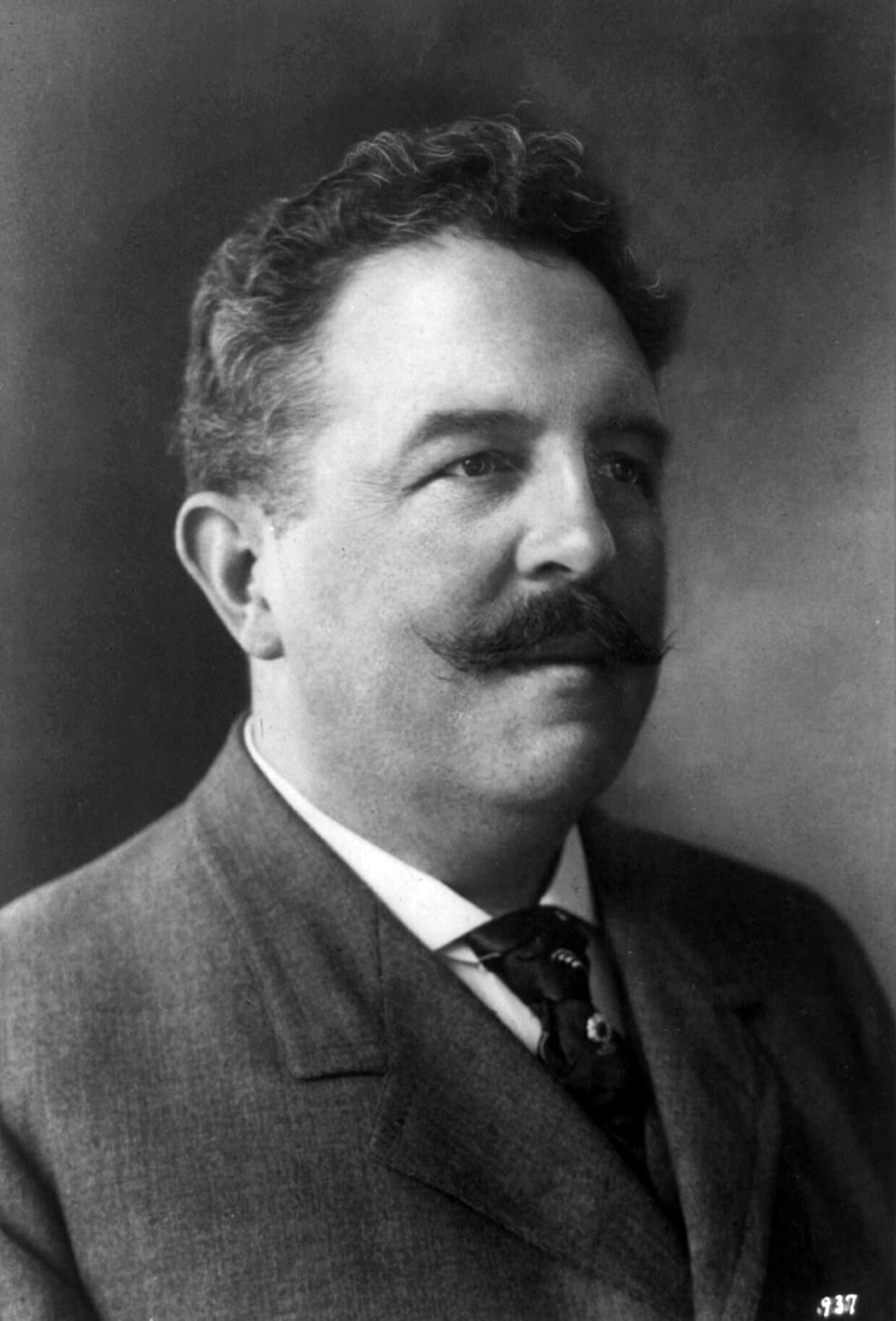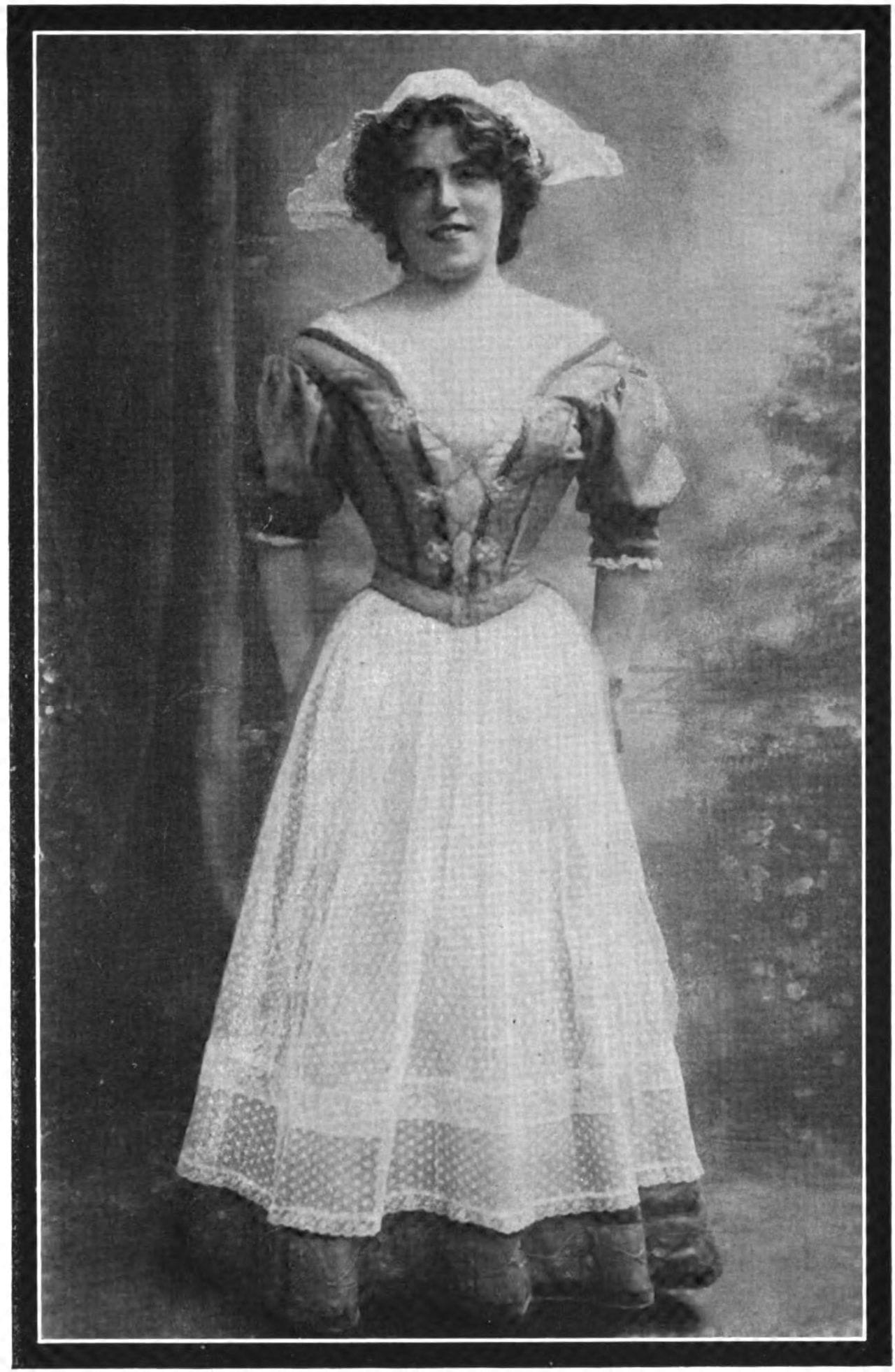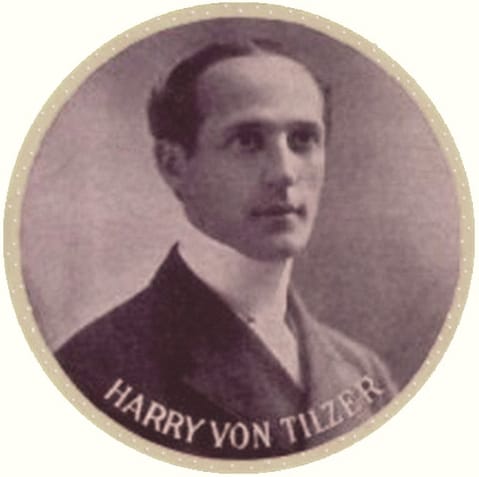
Harry Von Tilzer, a name synonymous with the golden age of Tin Pan Alley, reigned as one of the most prolific and commercially successful songwriters of the late 19th and early 20th centuries. While not a household name today, his songs – often sentimental, sometimes humorous, and always catchy – were ubiquitous in American homes, theaters, and dance halls during his heyday. This biography delves into Von Tilzer's life, music, cultural impact, and enduring legacy, offering a comprehensive look at the man behind some of America’s most beloved early popular songs.
Comprehensive Introduction
Born Harry Gumm in Detroit, Michigan, on July 8, 1872, Von Tilzer adopted his stage name early in his career. The name "Von Tilzer" was a deliberate attempt to sound more sophisticated and potentially European, a common practice among entertainers of the era seeking to enhance their appeal. The "Von" was added, and "Tilzer" was a simplified, more pronounceable version of his mother’s maiden name, Tilitzer. This rebranding was a shrewd move, aligning him with the perceived glamour and artistic prestige often associated with European culture. 1900-1909 Within the broader context of the 1900-1909 Music Era, their work remains timeless.
His early life was marked by a variety of experiences that shaped his musical sensibilities. He began performing at a young age, traveling with minstrel shows and circuses. This exposure to diverse audiences and performance styles proved invaluable, allowing him to hone his skills and understand what resonated with the masses. He also worked in theaters and music publishing houses, gaining a comprehensive understanding of the music business from the ground up. This practical experience, combined with his innate talent, laid the foundation for his future success.
Von Tilzer's career took off in the late 1890s and early 1900s, coinciding with the rapid growth of the popular music industry in New York City. He quickly established himself as a leading figure in Tin Pan Alley, the collection of music publishers and songwriters clustered in Manhattan, known for churning out a constant stream of popular songs. His ability to craft memorable melodies and emotionally evocative lyrics made him a sought-after composer, and his songs were performed by leading entertainers of the day, further solidifying his reputation.
In-depth Analysis of Musical Style/Evolution
Von Tilzer’s musical style is characterized by its accessibility and emotional directness. He understood the power of simple melodies and relatable themes, crafting songs that could be easily learned and sung by amateur musicians. His compositions often featured catchy hooks and memorable choruses, ensuring that they would stick in the listener’s mind long after the performance was over.
His repertoire was diverse, ranging from sentimental ballads to humorous novelty tunes. Songs like "A Bird in a Gilded Cage" exemplify his ability to tap into the prevailing emotions of the time, exploring themes of lost love, betrayal, and social inequality. The song tells the story of a woman trapped in a loveless marriage for financial security, a theme that resonated with many listeners in an era of rapid social change and evolving gender roles. The melancholic melody and poignant lyrics contributed to its immense popularity, making it one of Von Tilzer's signature songs.
On the other hand, he also wrote upbeat and comedic songs that captured the lighter side of life. These novelty tunes often featured playful lyrics and lively melodies, providing a welcome respite from the more serious themes prevalent in his ballads. This versatility allowed him to appeal to a broad audience and maintain his popularity across different segments of society.
Von Tilzer's songs were typically written in a straightforward, unpretentious style, reflecting the tastes of the mass market. He avoided complex harmonies and sophisticated arrangements, focusing instead on creating music that was easy to listen to and understand. This simplicity was a key factor in his success, allowing his songs to be readily adopted by amateur musicians and performed in homes and social gatherings across the country.
While his style remained largely consistent throughout his career, there is evidence of subtle evolution over time. As musical tastes changed, he adapted his compositions to incorporate new trends and influences, ensuring that his music remained relevant and appealing to contemporary audiences. This adaptability was crucial to his long-term success and cemented his position as a leading figure in the popular music industry.
The 'Look': Fashion & Aesthetics Deep Dive
While concrete details regarding Harry Von Tilzer's personal fashion choices are limited by the scarcity of photographic evidence, we can extrapolate based on the conventions of the era and the context of his profession. Period illustrations and descriptions suggest that Von Tilzer likely favored the smart, businesslike attire that was common among publishers and composers of the time. This would have included tailored suits, often in dark colors like black or navy, reflecting the formality and professionalism expected in the business world.
High collars, stiff shirts, and carefully knotted ties would have been standard elements of his wardrobe. These details reinforced the image of respectability and success, crucial for a composer seeking to attract performers and promote his songs. Grooming would have been equally meticulous, with neatly trimmed hair and a clean-shaven appearance. While beards and mustaches were fashionable at the time, it's likely that Von Tilzer opted for a more clean-cut look to project an image of competence and reliability.
The aesthetic of Tin Pan Alley itself was one of bustling energy and commercial ambition. The offices of music publishers were often adorned with posters and sheet music covers, creating a visually stimulating environment that reflected the constant churn of new songs and artists. While Von Tilzer himself may not have been directly involved in the visual design of his sheet music, he undoubtedly understood the importance of attractive and eye-catching covers in promoting his work. These covers often featured colorful illustrations and elaborate typography, designed to capture the attention of potential buyers and convey the mood and themes of the song.
Engineering & Sound Production Analysis
Harry Von Tilzer’s era predates the sophisticated recording techniques we know today. His focus was entirely on creating songs that could be easily disseminated through sheet music sales and performed live. Therefore, his "engineering" was less about manipulating sound in a studio and more about crafting songs that were inherently singable, playable, and emotionally impactful.
His skill lay in understanding the capabilities and limitations of the instruments and voices of his time. He wrote primarily for the piano and voice, the most common instruments found in American homes. His arrangements were typically simple and straightforward, designed to be easily learned and performed by amateur musicians. He understood the importance of clear melodies and harmonies, ensuring that his songs would sound appealing even when performed by less experienced players.
The "sound production" of his era was largely dependent on the acoustics of the performance space and the skill of the performers. Singers relied on their vocal projection and stage presence to captivate audiences, while instrumentalists focused on creating a clear and balanced sound. The absence of amplification meant that performers had to be particularly skilled at projecting their voices and instruments to fill the room.
Sheet music was the primary medium for distributing and preserving Von Tilzer’s music. The quality of the printing and engraving was crucial, as it determined the clarity and legibility of the music. Publishers invested in high-quality materials and skilled engravers to ensure that their sheet music was both visually appealing and easy to read. This attention to detail was essential for maximizing sales and ensuring that Von Tilzer's music reached the widest possible audience.
Cultural Impact & Legacy
Harry Von Tilzer's cultural impact is undeniable. His songs permeated American society during a period of significant social and cultural change. His music provided a soundtrack for countless dances, social gatherings, and theatrical performances, helping to shape the popular culture of the early 20th century.
His sentimental ballads, such as "A Bird in a Gilded Cage," reflected the anxieties and aspirations of a rapidly changing society. They offered listeners a sense of emotional catharsis and provided a shared language for expressing their feelings. His humorous novelty tunes, on the other hand, offered a welcome escape from the stresses of everyday life, providing moments of lighthearted entertainment and amusement.
Von Tilzer's success helped to establish Tin Pan Alley as the center of the American popular music industry. His influence can be seen in the work of countless songwriters who followed in his footsteps. He helped to define the conventions of popular song writing, establishing a formula that would be replicated and adapted for decades to come.
His legacy extends beyond his individual songs. He played a key role in shaping the landscape of American popular music and contributing to the development of a distinctively American musical identity. While his name may not be as well-known today as some of his contemporaries, his music continues to resonate with those who appreciate the history of American popular song.
Critical Reception (Then vs Now)
During his lifetime, Harry Von Tilzer enjoyed widespread critical acclaim and commercial success. His songs were praised for their catchy melodies, relatable lyrics, and ability to connect with audiences on an emotional level. While some critics occasionally dismissed his work as overly sentimental or simplistic, the vast majority acknowledged his talent and his contribution to American popular music.
However, it is also important to acknowledge a different perspective. Some contemporary critics, particularly those focused on more "serious" or "artistic" music, might have viewed Von Tilzer's work as formulaic or lacking in originality. The very qualities that made his music popular – its simplicity and emotional directness – could have been seen as limitations by those with more elevated artistic tastes.
In the modern era, Von Tilzer's music is often viewed through a lens of nostalgia and historical appreciation. While his songs may not be as widely performed or listened to as they once were, they are recognized as important artifacts of American popular culture. Music historians and scholars study his work to gain insights into the social, cultural, and economic forces that shaped the music industry of the early 20th century.
His songs are also appreciated for their enduring appeal and their ability to evoke a sense of time and place. They offer a glimpse into a bygone era, allowing us to connect with the emotions and experiences of those who lived in a different time. While critical opinions may vary, there is no denying the historical significance and cultural impact of Harry Von Tilzer's music.
Conclusion
Harry Von Tilzer's story is a testament to the power of simple melodies, relatable lyrics, and a deep understanding of the human heart. He was a master craftsman of popular song, a key figure in the development of Tin Pan Alley, and a significant contributor to the cultural landscape of early 20th-century America. Though his name may not be immediately recognizable to modern audiences, his music continues to resonate, offering a glimpse into a bygone era and reminding us of the enduring power of popular song to connect with our emotions and shape our collective memory. His legacy lives on not just in the notes on the page, but in the echo of his melodies that continue to whisper through the halls of American music history.