A Voice for a Generation: The Enduring Appeal of Henry Burr
Henry Burr, a name synonymous with the dawn of popular music recording, remains a pivotal, if often overlooked, figure in the history of American song. Born Harry Haley McClaskey in 1882 in Mooreland, New Brunswick, Canada, Burr's journey from aspiring singer to recording phenomenon encapsulates the transformative period of the early 20th century. His career, spanning from the late 1890s through the early 1940s, witnessed the evolution of recording technology, the rise of the popular song, and the burgeoning commercialization of music. Burr's prolific output, estimated to be in the tens of thousands of recordings, cemented his status as one of the most recorded vocalists of all time, and his impact on the musical landscape of the era is undeniable. While today he may not be a household name, his voice, often uncredited due to contractual obligations and pseudonyms, permeated homes across North America and beyond, shaping the soundscape of a generation. 1910-1919 Few artists better represent the spirit of the 1910-1919 Music Era.
Burr's story is one of ambition, adaptability, and a keen understanding of the evolving demands of the entertainment industry. He recognized the potential of the burgeoning recording industry early on, and he tirelessly pursued opportunities to establish himself as a leading vocalist. He wasn't just a singer; he was a shrewd businessman, navigating the complexities of record contracts, royalties, and the competitive world of vaudeville and early radio. He embraced new technologies and platforms, always seeking to expand his reach and solidify his position as a leading voice of his time. This biography will delve into the multifaceted career of Henry Burr, exploring his musical style, his aesthetic presentation, his mastery of recording techniques, and his enduring legacy as a cornerstone of early popular music.
In-Depth Analysis of Musical Style and Evolution
Burr's musical style was firmly rooted in the sentimental ballad tradition, a genre that resonated deeply with audiences seeking emotional solace and connection in a rapidly changing world. His clear, resonant tenor voice was ideally suited to conveying the poignant narratives and heartfelt emotions that characterized these songs. He possessed a remarkable ability to imbue even the simplest melodies with a sense of sincerity and warmth, drawing listeners into the world of the song. Songs like "Just Awearyin' for You" and "In the Shade of the Old Apple Tree" became immensely popular, showcasing his ability to tap into universal human emotions.
However, Burr's repertoire was far more diverse than just sentimental ballads. He recorded a wide range of material, including patriotic anthems like "When the Boys Come Home," lively comic songs, and popular dance tunes. His versatility allowed him to appeal to a broad audience and maintain his popularity over a long period. He often collaborated with other artists, forming successful duets and ensembles, further expanding his musical range and appealing to diverse tastes. His collaborations with Albert Campbell, in particular, produced a string of popular recordings that showcased their vocal harmonies and engaging stage presence.
The evolution of Burr's style mirrored the changes in popular music during his career. As jazz and ragtime began to gain popularity, Burr incorporated elements of these genres into his repertoire, demonstrating his ability to adapt to changing musical tastes. While his core style remained rooted in the sentimental ballad, he experimented with different vocal techniques and arrangements, keeping his sound fresh and relevant. This adaptability was crucial to his long-term success, allowing him to remain a prominent figure in the music industry for decades.
The 'Look': Fashion & Aesthetics Deep Dive
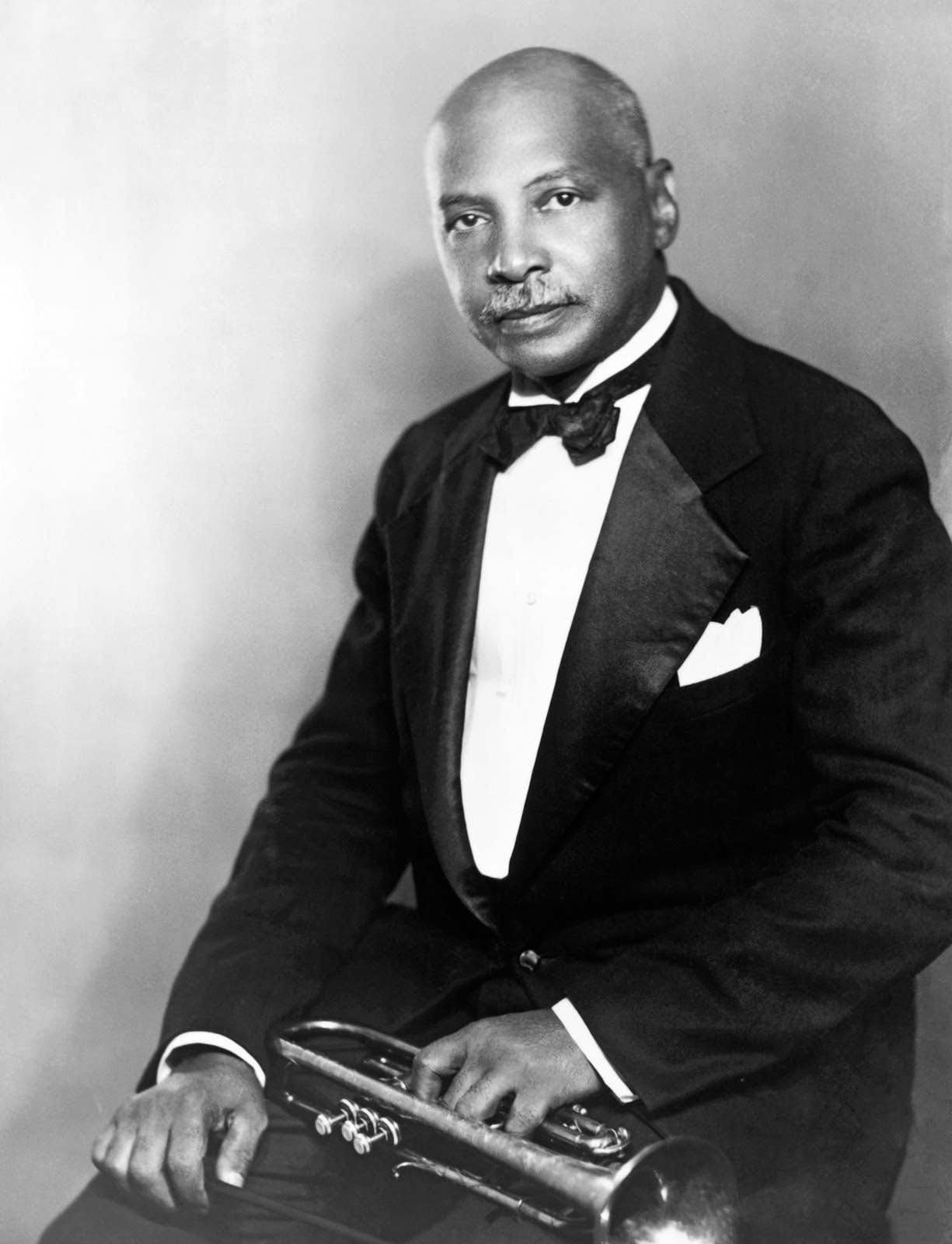
While Henry Burr primarily existed as a voice emanating from phonographs and radios, his visual presentation played a subtle but significant role in shaping his public image. Surviving photographs paint a picture of a man who understood the importance of projecting an image of respectability and trustworthiness, qualities that were highly valued in the early 20th century. His attire consistently reflected the conservative fashion sensibilities of the era.
Burr favored tailored suits, typically dark in color, which conveyed a sense of formality and professionalism. The suits were often paired with crisp white shirts and neatly knotted ties, completing the picture of a well-groomed and presentable performer. Pocket squares, subtly peeking from the breast pocket, added a touch of sophistication. This deliberate choice of attire aligned him with the values and expectations of his predominantly middle-class audience, reinforcing his image as a reliable and wholesome entertainer.
Beyond his clothing, Burr's grooming habits further contributed to his carefully crafted image. His hair was neatly styled, often parted and slicked back, and his facial features were typically clean-shaven. This meticulous attention to detail underscored his professionalism and suggested a man who took pride in his appearance. While not flamboyant or cutting-edge, Burr's aesthetic choices were carefully considered to project an image of trustworthiness and respectability, qualities that were essential for a popular singer aiming to connect with a broad audience.
Engineering & Sound Production Analysis
Henry Burr's career coincided with the rapid development of recording technology, and his recordings offer a fascinating glimpse into the evolution of sound production in the early 20th century. Early acoustic recording techniques, which relied on purely mechanical processes, presented significant challenges to performers. Burr's success in this environment underscores his exceptional vocal control and his understanding of the technical demands of the recording process.
Acoustic recording required performers to project their voices directly into a large horn, which vibrated a diaphragm connected to a stylus that etched grooves onto a wax cylinder or disc. This process demanded precise microphone placement and performance discipline. Burr had to project powerfully to ensure a strong recording signal, while simultaneously maintaining nuance and clarity. His ability to modulate his voice and control his breathing was crucial to achieving a balanced and listenable recording.
As electrical recording technology emerged in the mid-1920s, Burr adapted to the new techniques, which allowed for greater dynamic range and improved sound quality. Electrical recording enabled the use of microphones and amplifiers, resulting in recordings with richer tones and greater fidelity. Burr's later recordings demonstrate his ability to take advantage of these advancements, showcasing his vocal prowess with greater clarity and depth. The evolution of recording technology not only enhanced the quality of his recordings but also broadened his artistic possibilities, allowing him to explore new vocal techniques and arrangements.
Cultural Impact & Legacy
Henry Burr's cultural impact on the early 20th century is undeniable. He was a dominant force in the popular music scene, his voice reaching millions of homes through phonograph records, radio broadcasts, and live performances. He helped to shape the musical tastes of a generation, popularizing sentimental ballads and patriotic anthems that resonated deeply with audiences. His recordings provided a soundtrack for everyday life, offering comfort, entertainment, and a sense of shared identity in a rapidly changing world.
Burr's prolific output also played a significant role in the development of the recording industry. His success demonstrated the commercial potential of recorded music, encouraging record companies to invest in new technologies and expand their operations. He helped to establish the role of the recording artist as a central figure in the entertainment industry, paving the way for future generations of singers and musicians. His willingness to embrace new technologies and platforms, from phonograph records to radio broadcasting, ensured his continued relevance and solidified his place as a pioneer in the field.
While Burr's name may not be as widely recognized today as some of his contemporaries, his legacy as a foundational figure in the history of popular music remains secure. His recordings continue to be studied and enjoyed by music historians and enthusiasts, offering a valuable glimpse into the musical landscape of the early 20th century. His contributions to the development of the recording industry and his impact on the cultural tastes of a generation ensure his place as a significant figure in American musical history.
Critical Reception (Then vs Now)
During his lifetime, Henry Burr enjoyed immense popularity with the general public, his recordings selling in vast quantities and his live performances drawing enthusiastic crowds. His clear tenor voice, his emotional delivery, and his carefully chosen repertoire resonated deeply with audiences seeking comfort and connection in a rapidly changing world. However, critical reception to his work was often more mixed.
Some critics found Burr's style overly sentimental and formulaic, accusing him of pandering to popular tastes rather than pursuing artistic innovation. They argued that his repertoire lacked depth and originality, relying instead on well-worn tropes and predictable melodies. These critics often contrasted Burr's work with that of more experimental or avant-garde artists, highlighting the perceived limitations of his commercial appeal.
In contrast, contemporary assessments of Burr's work tend to be more nuanced and appreciative. While acknowledging the sentimental nature of his repertoire, modern critics recognize his exceptional vocal talent, his mastery of recording techniques, and his significant contributions to the development of the recording industry. They also emphasize the cultural context in which Burr operated, recognizing that his music provided a valuable source of comfort and connection for audiences during a period of profound social and economic change. Today, Burr is viewed less as a purveyor of simple sentimentality and more as a skilled interpreter of popular song, whose recordings offer a valuable window into the musical tastes and cultural values of the early 20th century.
Conclusion: The Enduring Voice of an Era
Henry Burr's story is a testament to the power of talent, adaptability, and a keen understanding of the evolving demands of the entertainment industry. From his humble beginnings in rural Canada to his status as a recording phenomenon, Burr's journey encapsulates the transformative period of the early 20th century. His clear tenor voice, his emotional delivery, and his prolific output made him a dominant force in popular music, shaping the musical tastes of a generation and paving the way for future generations of singers and musicians.
While critical reception to his work was often mixed, his undeniable talent and his significant contributions to the development of the recording industry have secured his place as a pivotal figure in American musical history. His recordings continue to be studied and enjoyed by music historians and enthusiasts, offering a valuable glimpse into the musical landscape of the early 20th century. Henry Burr may not be a household name today, but his voice, once ubiquitous in homes across North America and beyond, continues to resonate as a reminder of the power of music to connect, comfort, and inspire.