Comprehensive Introduction
Ignacy Jan Paderewski, a name synonymous with piano virtuosity, Polish patriotism, and a captivating stage presence, dominated the concert stages of the late 19th and early 20th centuries. This biography delves into the period between 1900 and 1909, a pivotal decade in his career when he solidified his international fame, continued to champion the cause of Polish independence, and navigated the burgeoning world of recording technology. More than just a performer, Paderewski was a composer, a diplomat, and a philanthropist, a true Renaissance man whose influence extended far beyond the realm of music. During this decade, his performances reached fever pitch, his recordings offered a tantalizing glimpse of his artistry, and his political activities began to take on a more defined and crucial role. He became, undeniably, a cultural icon. 1900-1909 Their contributions were pivotal to the evolution of the 1900-1909 Music Era.
Born in Kuryłówka, Poland (then part of the Russian Empire), in 1860, Paderewski initially faced challenges in his musical education. However, his prodigious talent and unwavering determination eventually led him to the Warsaw Conservatory and later to Vienna, where he studied with Theodor Leschetizky. He made his formal debut in Vienna in 1887, launching a career that would take him to the most prestigious concert halls in Europe and the Americas. By 1900, he was already a household name, commanding enormous fees and adulation. The decade would see him not only maintain his position but further cement his legacy.
This period is particularly significant as it captures Paderewski at the height of his powers as a performer. His interpretations of Romantic composers like Chopin and Liszt were legendary, and he continued to compose and perform his own works, including the opera *Manru* and the *Polish Fantasy for Piano and Orchestra*. Furthermore, it marked the beginning of his foray into the then-nascent field of recording, allowing future generations a glimpse into his artistry. Crucially, this decade also saw the intensification of his political activism, laying the groundwork for his future role as Prime Minister of a newly independent Poland after World War I.
In-depth Analysis of Musical Style/Evolution
Paderewski's musical style was characterized by its expressive intensity, technical brilliance, and a deep understanding of Romantic aesthetics. His interpretations were never merely note-perfect renditions; he imbued each piece with his own personality and emotional depth. He was particularly renowned for his performances of Chopin, a composer whose works resonated deeply with Paderewski's own Polish identity. He brought out the lyrical beauty and melancholic longing in Chopin's music, often emphasizing the rubato and dynamic contrasts to create a dramatic and moving experience.
Liszt's compositions were another cornerstone of Paderewski's repertoire. He approached Liszt's demanding technical passages with ease and virtuosity, while also highlighting the composer's romantic grandeur and dramatic flair. Paderewski understood that Liszt, despite his showmanship, also possessed a profound musical intellect, and he sought to reveal both aspects in his performances.
However, Paderewski was not just an interpreter; he was also a composer of considerable talent. His opera *Manru*, premiered in Dresden in 1901, was a significant success, demonstrating his ability to write compelling melodies and orchestrate effectively. While *Manru*'s plot, centered on a tragic love story involving a Roma man, might seem somewhat dated today, the opera's musical richness and dramatic intensity are undeniable. His *Polish Fantasy for Piano and Orchestra* is another example of his compositional prowess, a patriotic and virtuosic work that showcased both his technical abilities and his national pride. The Fantasy expertly blends Polish folk melodies with Romantic harmonies and orchestral colors, creating a powerful and evocative musical statement.
During the 1900-1909 period, his style continued to evolve, reflecting both his deepening musical understanding and the changing cultural landscape. While he maintained his core Romantic sensibility, he also began to incorporate elements of more modern musical idioms, particularly in his own compositions. This evolution, however subtle, demonstrated his willingness to adapt and experiment, ensuring that his music remained relevant and engaging for contemporary audiences.
The 'Look': Fashion & Aesthetics Deep Dive
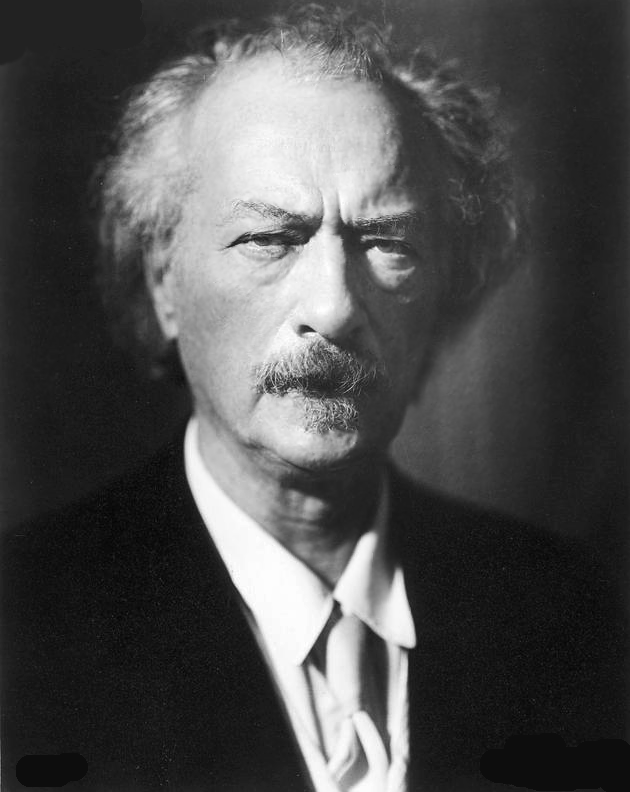
Paderewski understood the power of image, cultivating a persona that enhanced his artistic mystique. He was, in essence, a master of branding, long before the term became commonplace. His carefully constructed image contributed significantly to his widespread appeal and helped solidify his status as a cultural icon. Paderewski's fashion sense was impeccable. He favored impeccably tailored suits, often in dark colors, which exuded an air of sophistication and authority. These suits were not merely functional; they were carefully chosen to complement his physical presence and project an image of artistic gravitas.
Beyond his clothing, his distinctive hairstyle became his trademark. His long, flowing hair, often described as leonine, framed his face and added to his aura of romantic genius. This hairstyle, carefully maintained and styled, was instantly recognizable and contributed significantly to his visual identity. The hair, coupled with his intense, piercing gaze, created a powerful and unforgettable impression on audiences.
His stage presence was equally carefully crafted. He exuded an air of quiet confidence and intense concentration. His movements were deliberate and graceful, avoiding unnecessary theatrics but conveying a sense of profound connection with the music. His posture, his facial expressions, and even the way he walked onto the stage were all meticulously planned to create a captivating and memorable experience for the audience.
The overall effect was one of intellectual and artistic authority. He presented himself as more than just a performer; he was an artist, a thinker, and a cultural ambassador. This carefully cultivated image resonated deeply with audiences, who saw in Paderewski not only a brilliant musician but also a symbol of Polish national pride and artistic excellence. In short, he understood the theatre of performance, and expertly used it to his advantage.
Engineering & Sound Production Analysis
The early 1900s were a time of rapid development in sound recording technology. While the recordings of Paderewski from this period offer invaluable insights into his playing, they are inevitably limited by the technological constraints of the time. These recordings, typically made using acoustic methods, lacked the high-fidelity sound of later electric recordings. The dynamic range was limited, and the frequency response was restricted, resulting in a somewhat compressed and muffled sound quality.
Despite these limitations, the recordings capture essential elements of Paderewski's artistry. They reveal his remarkable technical control, his dynamic range, and his expressive phrasing. One can hear the distinctness of his articulation, even if the full tonal palette of the piano is not captured. The subtleties of his rubato and his nuanced pedaling are also discernible, providing valuable clues to his interpretative approach.
It's crucial to remember the context in which these recordings were made. The process was painstaking, requiring the artist to play directly into a recording horn. The volume of the instrument was directly translated into grooves on a wax cylinder or disc. Multiple takes were often necessary to achieve a satisfactory result. Considering these challenges, the quality of the recordings is remarkable. They represent a significant achievement in early sound recording and provide a tangible link to a legendary performer.
Modern remastering techniques can help to improve the sound quality of these historical recordings, reducing surface noise and enhancing the clarity of the audio. While these techniques cannot fully overcome the limitations of the original recording process, they can make the recordings more accessible and enjoyable for contemporary listeners. These technological advances, while unable to completely recapture the live experience, allow us a greater appreciation for the talent of Paderewski and preserve a piece of musical history.
Cultural Impact & Legacy
Paderewski's impact on the cultural landscape of the early 20th century was immense. He was a global superstar, attracting huge crowds to his concerts and commanding enormous fees. But his influence extended far beyond the concert hall. He was a symbol of Polish national pride, using his fame and influence to advocate for Polish independence. His concerts often included Polish folk music, introducing audiences around the world to the rich cultural heritage of his homeland. He donated generously to Polish charities and organizations, supporting the arts and education.
His legacy as a pianist is undeniable. He inspired generations of pianists with his virtuosity, his expressiveness, and his dedication to his art. His recordings continue to be studied and admired by musicians and music lovers alike. He helped to popularize the Romantic repertoire, bringing the music of Chopin and Liszt to a wider audience. His compositions, particularly the *Polish Fantasy*, remain popular and continue to be performed today.
Beyond his musical achievements, Paderewski left a lasting legacy as a statesman. After World War I, he played a crucial role in the creation of an independent Poland, serving as its Prime Minister and later as its representative to the League of Nations. His diplomatic skills and his unwavering commitment to his country were instrumental in securing Poland's place on the world stage. His transformation from celebrated musician to respected statesman is a testament to his extraordinary versatility and his unwavering dedication to the cause of Polish freedom.
Paderewski’s life and career serve as a powerful example of how art and politics can intersect. He demonstrated that artists can play a vital role in shaping society and advocating for positive change. His legacy continues to inspire artists and activists around the world.
Critical Reception (Then vs Now)
During his lifetime, Paderewski enjoyed widespread critical acclaim and popular adulation. Critics praised his technical brilliance, his expressive interpretations, and his charismatic stage presence. His concerts were often described as transformative experiences, capable of moving audiences to tears. He was seen as a true musical genius, a worthy successor to the great Romantic composers.
However, some critics also accused him of being overly sentimental or catering to popular taste. They argued that his performances sometimes lacked intellectual rigor and that he prioritized emotional impact over musical accuracy. These criticisms were often fueled by his immense popularity, which some saw as evidence of a lack of artistic integrity.
Today, Paderewski's legacy is viewed with a more nuanced perspective. While his virtuosity and his expressive power are still widely recognized, his interpretations are sometimes seen as being somewhat dated or overly romanticized. Some modern critics find his style to be too sentimental or emotionally indulgent. However, his contributions to music and to Polish national identity are undeniable.
The availability of historical recordings has allowed for a more informed assessment of his playing. While the sound quality of these recordings is limited, they provide valuable insights into his interpretative approach and his technical abilities. Modern listeners can now experience Paderewski's playing for themselves and form their own judgments about his artistry. Furthermore, renewed interest in his compositional output offers a wider view of his talent than was previously available. Time and perspective allow for a more balanced and complete understanding of his contributions.
Conclusion
Ignacy Jan Paderewski was more than just a pianist; he was a cultural phenomenon, a symbol of Polish national pride, and a significant figure in the history of music and politics. The decade between 1900 and 1909 was a pivotal period in his career, solidifying his international fame, showcasing his artistic virtuosity, and laying the groundwork for his future role as a statesman. His performances captivated audiences around the world, his recordings offered a glimpse into his artistry, and his political activities demonstrated his unwavering commitment to the cause of Polish independence.
While critical opinions of his playing have evolved over time, his legacy as a pianist and a patriot remains secure. He inspired generations of musicians and political leaders, and his contributions to music and to Polish culture are undeniable. Paderewski's story is a testament to the power of art to transcend national boundaries and to inspire hope and freedom. His life serves as a reminder that artists can play a vital role in shaping society and advocating for positive change.
Ultimately, Ignacy Jan Paderewski stands as a towering figure, a testament to the power of music and the enduring spirit of a nation. His name will forever be associated with piano virtuosity, Polish patriotism, and a life dedicated to art and freedom. His influence continues to resonate today, inspiring musicians, political leaders, and all those who believe in the power of the human spirit.