Comprehensive Introduction
Irving Berlin, born Israel Isidore Baline in 1888, emerged as one of the most influential and prolific songwriters in American history. While his career spanned decades, his ascendance to fame during the 1910s cemented his place as a pivotal figure in the development of American popular music. This decade saw Berlin transform from a struggling immigrant youth to the "Ragtime King" of Tin Pan Alley, a nickname that reflected not only his mastery of the genre but also his ability to capture the zeitgeist of a rapidly changing nation. His story is a quintessential American narrative: a tale of ambition, innovation, and the power of music to transcend social barriers. 1910-1919 Historically, they are inseparable from the identity of the 1910-1919 Music Era.
The 1910s were a period of immense social and cultural transformation in the United States. Urbanization, industrialization, and immigration were reshaping the nation's demographics and cultural landscape. New technologies like the phonograph and the player piano were democratizing access to music, while the rise of vaudeville and the Broadway stage created new platforms for popular entertainment. Amidst this dynamic environment, Irving Berlin's music resonated deeply with audiences seeking escapism, novelty, and a sense of shared identity. He understood the pulse of the American people and translated their hopes, dreams, and anxieties into catchy melodies and relatable lyrics.
Berlin's early life provided a foundation for his unique perspective. Born in Russia, he immigrated to the United States with his family as a young child, escaping the pogroms that plagued Jewish communities in Eastern Europe. Growing up in the tenements of New York City's Lower East Side, he experienced poverty and hardship firsthand. This upbringing instilled in him a strong work ethic and a keen understanding of the struggles faced by ordinary Americans. He began his musical career as a singing waiter in a Chinatown saloon, honing his performance skills and learning to connect with diverse audiences. This immersion in the vibrant, multicultural environment of early 20th-century New York City profoundly shaped his musical sensibilities.
In-depth Analysis of Musical Style/Evolution
Irving Berlin's musical style during the 1910s was characterized by its infectious melodies, simple harmonies, and relatable lyrics. While he lacked formal musical training, his natural talent for songwriting was undeniable. He possessed an uncanny ability to craft tunes that were both memorable and emotionally resonant, often incorporating elements of ragtime, blues, and Tin Pan Alley pop into his compositions.
His early hits, such as "Alexander's Ragtime Band" (1911), were instrumental in popularizing ragtime music across the United States and beyond. Although not a true rag, "Alexander's Ragtime Band" captured the energetic and syncopated rhythms of the genre, while also incorporating elements of march music and popular song. The song's success launched a nationwide dance craze and established Berlin as a major force in the music industry. It's important to note that Berlin's "ragtime" was often a stylized, accessible interpretation of the genre, appealing to a broader audience than traditional ragtime compositions.
Beyond ragtime, Berlin also excelled at writing sentimental ballads that touched the hearts of listeners. Songs like "When I Lost You" (1912), written after the death of his first wife Dorothy Goetz, revealed a deeper emotional side to his songwriting. These ballads showcased his ability to convey profound emotion through simple, direct lyrics and heartfelt melodies. The contrast between his upbeat ragtime tunes and his melancholic ballads demonstrated his versatility as a songwriter and his understanding of the diverse emotional needs of his audience.
Throughout the 1910s, Berlin's songwriting evolved, reflecting the changing tastes of the American public. He continued to experiment with different musical styles, incorporating elements of foxtrot and other popular dance rhythms into his compositions. His songs increasingly reflected the themes of love, loss, and the challenges of modern life, resonating with a generation grappling with rapid social and technological change. The simplicity and directness of his lyrics were key to his success, allowing listeners to easily connect with the emotions and experiences he conveyed in his songs.
The 'Look': Fashion & Aesthetics Deep Dive
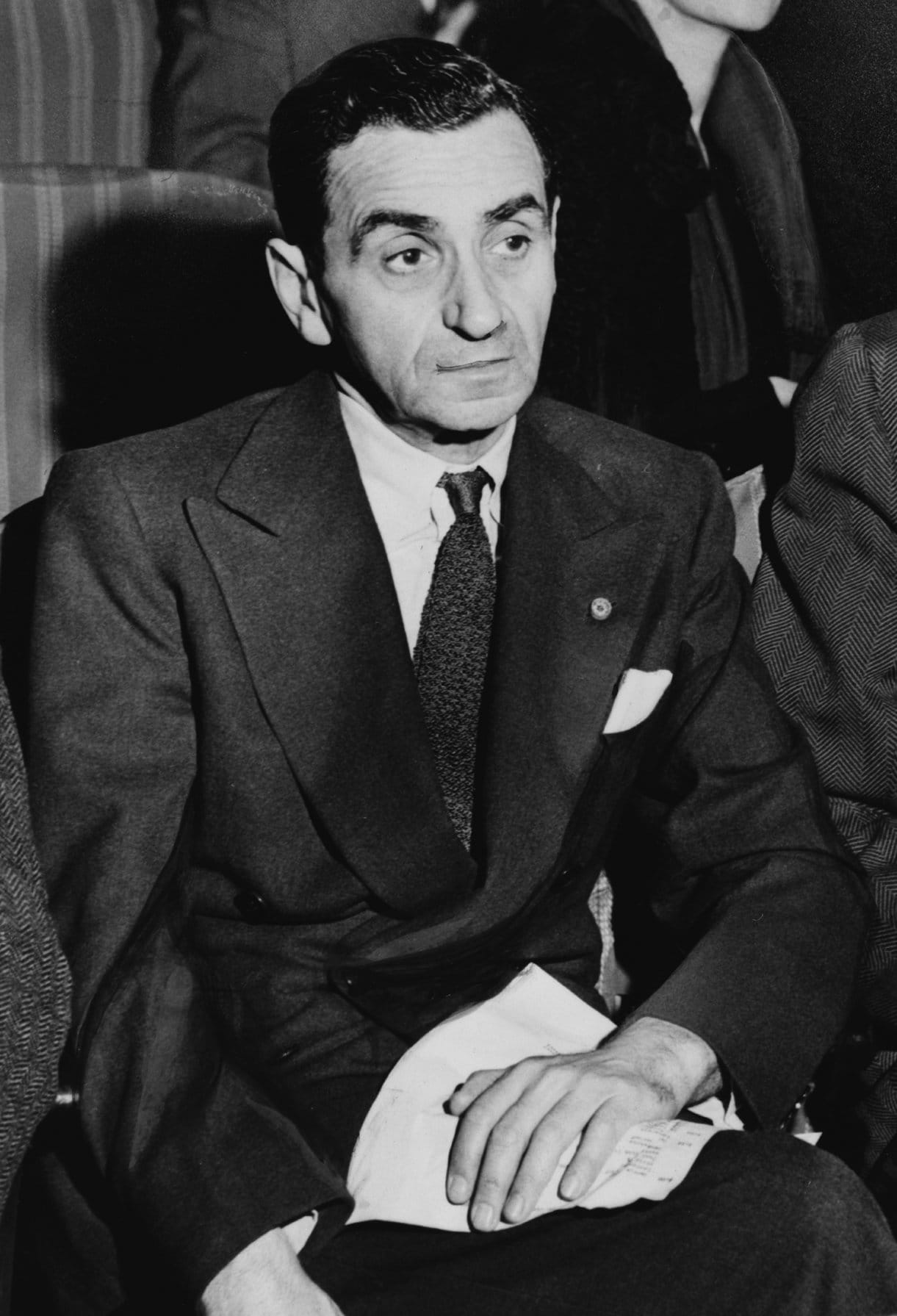
Irving Berlin's public image, while not overtly flamboyant, was carefully cultivated to project an image of respectability and accessibility. He understood the importance of aligning his appearance with the expectations of his audience, favoring tailored suits and formal wear that conveyed success and professionalism.
In an era where fashion was often seen as a marker of social status, Berlin's attire reflected his aspirations and his desire to be accepted by mainstream society. His well-fitted suits, often paired with crisp shirts and ties, projected an image of upward mobility and success. While he may not have been a trendsetter, his commitment to classic, elegant attire reinforced his image as a reliable and trustworthy entertainer.
Beyond his personal style, Berlin also understood the importance of stage presence. As a performer, he presented himself as a charismatic and engaging figure, connecting with audiences through his music and his personality. His stage persona was carefully crafted to convey both confidence and humility, allowing him to appeal to a wide range of listeners. His clothing choices were part of this overall strategy, contributing to his image as a successful and approachable entertainer.
The aesthetics surrounding Berlin's performances also contributed to his appeal. The use of lighting, stage design, and choreography all played a role in enhancing the emotional impact of his music. While he was primarily known for his songwriting, he also understood the importance of creating a visually appealing and engaging experience for his audience. This attention to detail helped to solidify his position as a leading figure in American popular entertainment.
Engineering & Sound Production Analysis
While Irving Berlin was not an engineer in the modern sense, he possessed a keen understanding of musical arrangement and its impact on the listening experience. In the 1910s, sound recording technology was still in its infancy, and the process of capturing and reproducing music was far more challenging than it is today. Berlin's success depended in part on his ability to write songs that translated well to the limitations of the era's recording technology.
His songs, despite their often simple harmonies and structures, were skillfully crafted for maximum emotional resonance and audience engagement. He understood how to use melody, rhythm, and dynamics to create a powerful impact on listeners. His arrangements, while often straightforward, were carefully designed to highlight the key elements of his songs and to ensure that they were easily accessible to a wide audience.
Furthermore, Berlin's work with publishers and orchestrators was crucial to shaping the final sound of his recordings. He collaborated with talented arrangers who could translate his musical ideas into fully realized scores for orchestras and bands. These arrangers played a vital role in shaping the sonic landscape of Berlin's music, adding depth and complexity to his simple melodies.
The limitations of early recording technology also influenced Berlin's songwriting. He tended to write songs with clear, distinct melodies and lyrics that were easy to understand, even through the relatively poor sound quality of early phonographs. This focus on clarity and accessibility helped to ensure that his music resonated with a broad audience and that his songs could be easily reproduced in homes and dance halls across the country.
Cultural Impact & Legacy
Irving Berlin's cultural impact during the 1910s was immense. He not only popularized ragtime music but also helped to shape the sound of American popular music for decades to come. His songs fueled social dancing across America, encouraging a spirit of freedom and exuberance in the dance halls and homes of the era. He provided a soundtrack for a generation grappling with rapid social and technological change, capturing their hopes, dreams, and anxieties in his music.
His success as an immigrant songwriter also challenged existing social barriers and helped to create a more inclusive cultural landscape. His story resonated with millions of Americans who were themselves immigrants or the children of immigrants, demonstrating the power of music to transcend social divisions. He became a symbol of the American Dream, proving that anyone could achieve success through hard work and talent.
Berlin's legacy extends far beyond the 1910s. His songs continue to be performed and enjoyed by audiences around the world, and his influence can be heard in the work of countless songwriters and musicians. He is remembered as one of the greatest songwriters of the 20th century, a master of melody and lyricism who captured the spirit of the American people.
Furthermore, his business acumen and his commitment to protecting his intellectual property helped to establish the modern music publishing industry. He was a strong advocate for songwriters' rights and played a key role in shaping the legal framework that governs the creation and distribution of music. His contributions to the music industry extend far beyond his songwriting, solidifying his position as a visionary and a leader.
Critical Reception (Then vs Now)
Initially, Irving Berlin faced some criticism for his relatively unsophisticated musical training and his reliance on formulaic structures. Some critics dismissed his music as being too simple and lacking in artistic depth. However, his undeniable talent for melody and lyricism quickly won over audiences and many critics alike, establishing him as a major force in American popular music.
His ability to connect with audiences on an emotional level was widely recognized, even by those who were initially skeptical of his musical abilities. His songs were praised for their catchy melodies, relatable lyrics, and their ability to capture the spirit of the times. He became a popular favorite, and his music was embraced by people from all walks of life.
In retrospect, Berlin's contributions to American popular music are widely celebrated. He is now recognized as one of the most important songwriters of the 20th century, a master of melody and lyricism who helped to shape the sound of American culture. His songs are considered classics, and his influence can be heard in the work of countless songwriters and musicians.
While some critics may still point to the simplicity of his music, most acknowledge his undeniable talent for songwriting and his profound impact on American culture. His ability to connect with audiences on an emotional level is now seen as a testament to his genius, and his songs continue to be enjoyed and celebrated around the world.
Conclusion
Irving Berlin's rise to prominence during the 1910s marked a pivotal moment in the history of American popular music. He transformed from an immigrant youth struggling to make a living into the "Ragtime King" of Tin Pan Alley, capturing the spirit of a nation on the cusp of modernity. His infectious melodies, relatable lyrics, and astute understanding of the American psyche propelled him to stardom and established him as a cultural icon.
His influence extended far beyond his own compositions, shaping the sound of American popular music for decades to come and challenging existing social barriers. He left behind a legacy of timeless songs and business innovations that continue to inspire and influence musicians and entrepreneurs today. Irving Berlin's story is a testament to the power of music to transcend social divisions and to unite people through shared experiences. His contribution to the American songbook remains unparalleled, and his impact on American culture is undeniable.