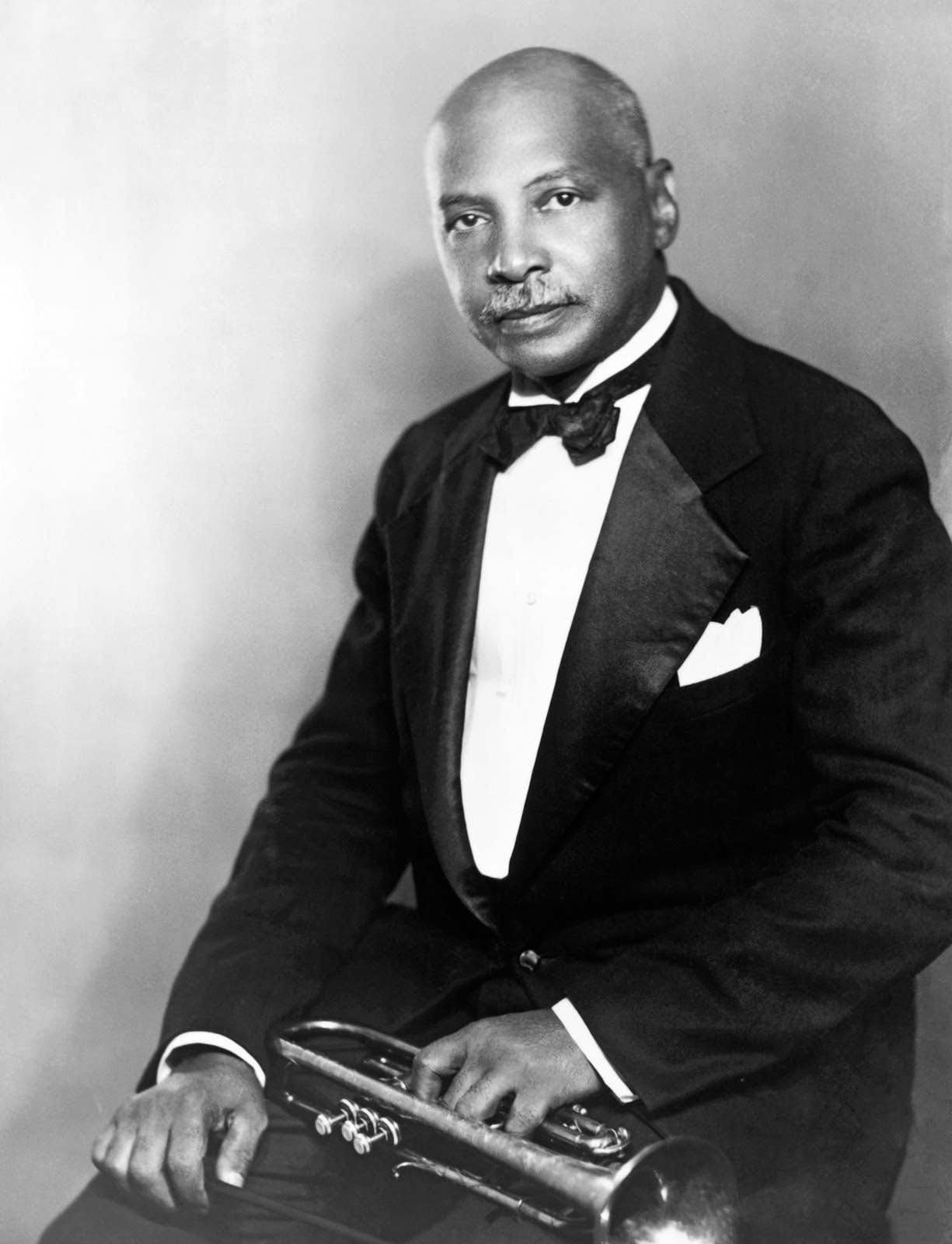
James Reese Europe, a name often overshadowed in mainstream historical accounts, stands as a pivotal figure in the genesis of American music. More than just a bandleader, composer, and arranger, Europe was a cultural trailblazer who, in the tumultuous years of the early 20th century, helped to legitimize African-American music on both sides of the Atlantic. His influence permeated the realms of dance, fashion, and social consciousness, leaving an indelible mark on the path towards the Jazz Age. This biography delves into the life, music, and enduring legacy of James Reese Europe, revealing how he became the “King of Jazz” before the genre even fully crystallized. 1910-1919 Their unique style helped define the boundaries of the 1910-1919 Music Era.
Early Life and Musical Beginnings
Born in Mobile, Alabama, in 1880, James Reese Europe was immersed in music from a young age. His family, part of the burgeoning Black middle class, valued education and the arts. Europe received formal musical training, studying violin and piano, and developing a deep understanding of both classical and popular musical forms. This foundation proved crucial as he navigated the complex landscape of the music industry. In 1904, he moved to New York City, a hub of cultural innovation and also a breeding ground for racial inequality. It was here that he began to carve his niche, recognizing the limited opportunities for Black musicians within established white-dominated orchestras.
Europe's early career in New York was marked by a relentless drive to create opportunities for himself and other African-American musicians. He founded the Clef Club in 1910, a musicians' union and booking agency that quickly became a central force in the city's Black musical community. The Clef Club Orchestra, an ensemble of staggering size (often numbering over 100 musicians), presented a new vision of orchestral performance, blending European instrumentation with African-American musical idioms. The orchestra’s performances, particularly its concerts at Carnegie Hall starting in 1912, were groundbreaking, bringing syncopated rhythms and improvisational elements to a concert hall setting and challenging prevailing racial stereotypes about African-American musical capabilities.
In-depth Analysis of Musical Style/Evolution
James Reese Europe's musical style was a dynamic synthesis of ragtime, popular dance music, and orchestral traditions. He didn't simply play ragtime tunes with a large orchestra; he meticulously arranged them, incorporating elements of European orchestration while retaining the infectious rhythmic drive and syncopation that characterized the genre. His music was not jazz in the purest sense – improvisation, while present, was not the dominant element. Instead, his genius lay in his arrangements and his ability to harness the power of a large ensemble to create a unique and exciting sound.
Europe's arrangements often featured call-and-response patterns between different sections of the orchestra, creating a vibrant and engaging texture. He used brass instruments for bold, assertive statements and woodwinds for intricate melodic lines. Percussion played a crucial role, providing the rhythmic backbone that propelled the music forward. Listen to recordings such as "Castle House Rag" or "Down Home Rag" to hear the distinct blend of precision and energy that defined his style. The instrumentation, while rooted in the European orchestra, was deployed in a way that anticipated the sonic landscape of jazz. The interplay between sections, the emphasis on rhythm, and the occasional bluesy inflections pointed towards the musical revolution that was just around the corner.
His experiences during World War I further shaped his musical evolution. Leading the 369th Infantry Regiment band, known as the "Harlem Hellfighters" band, in France, Europe was exposed to European military music and, more importantly, to the vibrant musical culture of France. He integrated new sounds and techniques into his arrangements, further expanding his musical palette. The band's performances in France were wildly popular, introducing American syncopated music to European audiences and laying the groundwork for the international spread of jazz in the years to come.
The 'Look': Fashion & Aesthetics Deep Dive
James Reese Europe understood the power of image. He carefully cultivated a visual aesthetic that projected professionalism, sophistication, and pride. His orchestras, whether the Clef Club Orchestra or the 369th Infantry Regiment band, were always impeccably dressed. This meticulous attention to appearance was not mere vanity; it was a deliberate strategy to challenge racial stereotypes and demonstrate the dignity and artistry of African-American musicians.
During civilian performances, Europe and his band members typically wore sharply tailored suits. These weren't just any suits; they were carefully chosen to convey an image of respectability and success. The look was clean, modern, and undeniably stylish. In contrast, the "Harlem Hellfighters" band presented a different, yet equally powerful, visual. Their military uniforms, meticulously maintained and proudly worn, symbolized their service to their country and their unwavering commitment to excellence. The uniforms, coupled with their musical prowess, shattered expectations and challenged the prevailing racial biases of the time.
Beyond clothing, Europe understood the importance of stage presence. His band members were trained to maintain a polished and professional demeanor, projecting confidence and engaging with the audience. This holistic approach to aesthetics contributed significantly to the band's appeal and helped to break down racial barriers in the entertainment world. The visual impact of a well-dressed, disciplined, and incredibly talented African-American orchestra was profound, leaving a lasting impression on audiences and paving the way for future generations of Black musicians.
Engineering & Sound Production Analysis
Recording technology was still in its infancy during James Reese Europe's prime. Early recordings, made using acoustic methods, presented significant challenges in capturing the nuances of a large orchestra. Despite these limitations, Europe's meticulous arrangements and the sheer energy of his performances shine through. Analyzing these early recordings reveals a keen understanding of how to maximize the impact of the available technology.
Europe strategically used instrumental sections to create dynamic shifts. The brass section, for instance, was often employed for loud, dramatic passages, while the woodwinds were used for more delicate and intricate melodic lines. This careful orchestration helped to create a sense of depth and texture, even in the limited sonic environment of early recordings. He also understood the importance of microphone placement, carefully positioning instruments to achieve the best possible balance and clarity.
While modern listeners might find the sound quality of these recordings somewhat primitive, it's important to remember the historical context. These recordings offer a glimpse into a pivotal moment in musical history, capturing the raw energy and innovative spirit of James Reese Europe's music. They serve as a testament to his ingenuity and his ability to overcome technological limitations to create a compelling and impactful listening experience.
Cultural Impact & Legacy
James Reese Europe's cultural impact extends far beyond his musical achievements. He played a vital role in challenging racial stereotypes, promoting African-American artistic expression, and paving the way for the integration of Black musicians into the mainstream music industry. His success with the Clef Club Orchestra and the 369th Infantry Regiment band demonstrated the talent and professionalism of African-American musicians, helping to break down racial barriers and inspire future generations.
His work also helped to popularize African-American musical forms among white audiences. The widespread appeal of his music contributed to a growing appreciation for Black culture and helped to foster a sense of shared experience across racial lines. While racial prejudice remained a pervasive force in American society, Europe's music offered a powerful message of unity and hope.
Furthermore, Europe's influence on the development of jazz is undeniable. While his music wasn't jazz in the strictest sense, it laid the groundwork for the genre's emergence. His emphasis on syncopation, his use of call-and-response patterns, and his innovative arrangements all contributed to the evolution of jazz. Many of the early jazz musicians were directly influenced by Europe's music, and his legacy can be heard in the sounds of Jelly Roll Morton, Louis Armstrong, and countless others.
Critical Reception (Then vs Now)
During his lifetime, James Reese Europe enjoyed immense popularity and critical acclaim. His performances were often met with enthusiastic reviews, and he was widely recognized as a leading figure in the music industry. However, he also faced racial prejudice and resistance. Some critics dismissed his music as novelty, failing to recognize its complexity and significant cultural impact. Others simply refused to acknowledge the talent and artistry of African-American musicians.
In the decades following his tragic death in 1919, Europe's contributions were often overlooked in mainstream historical accounts. The focus shifted to the development of jazz as a primarily improvisational form, and Europe's role as a pioneering arranger and bandleader was often minimized. However, in recent years, there has been a growing recognition of his importance. Music historians and scholars have begun to re-evaluate his work, highlighting his innovative arrangements, his cultural impact, and his enduring legacy.
Today, James Reese Europe is increasingly recognized as a pivotal figure in the history of American music. His music continues to be studied and performed, and his story serves as an inspiration to musicians and artists of all backgrounds. His legacy as a cultural trailblazer and a musical innovator is finally being fully appreciated.
Conclusion
James Reese Europe's life was tragically cut short, but his impact on American music and culture remains profound. He was more than just a bandleader; he was a visionary who challenged racial stereotypes, promoted African-American artistic expression, and laid the groundwork for the Jazz Age. His meticulous arrangements, his captivating performances, and his unwavering commitment to excellence made him a true "King of Jazz" – a title he richly deserved. By understanding his life and music, we gain a deeper appreciation for the rich and complex history of American music and the crucial role that African-American artists have played in shaping its evolution.