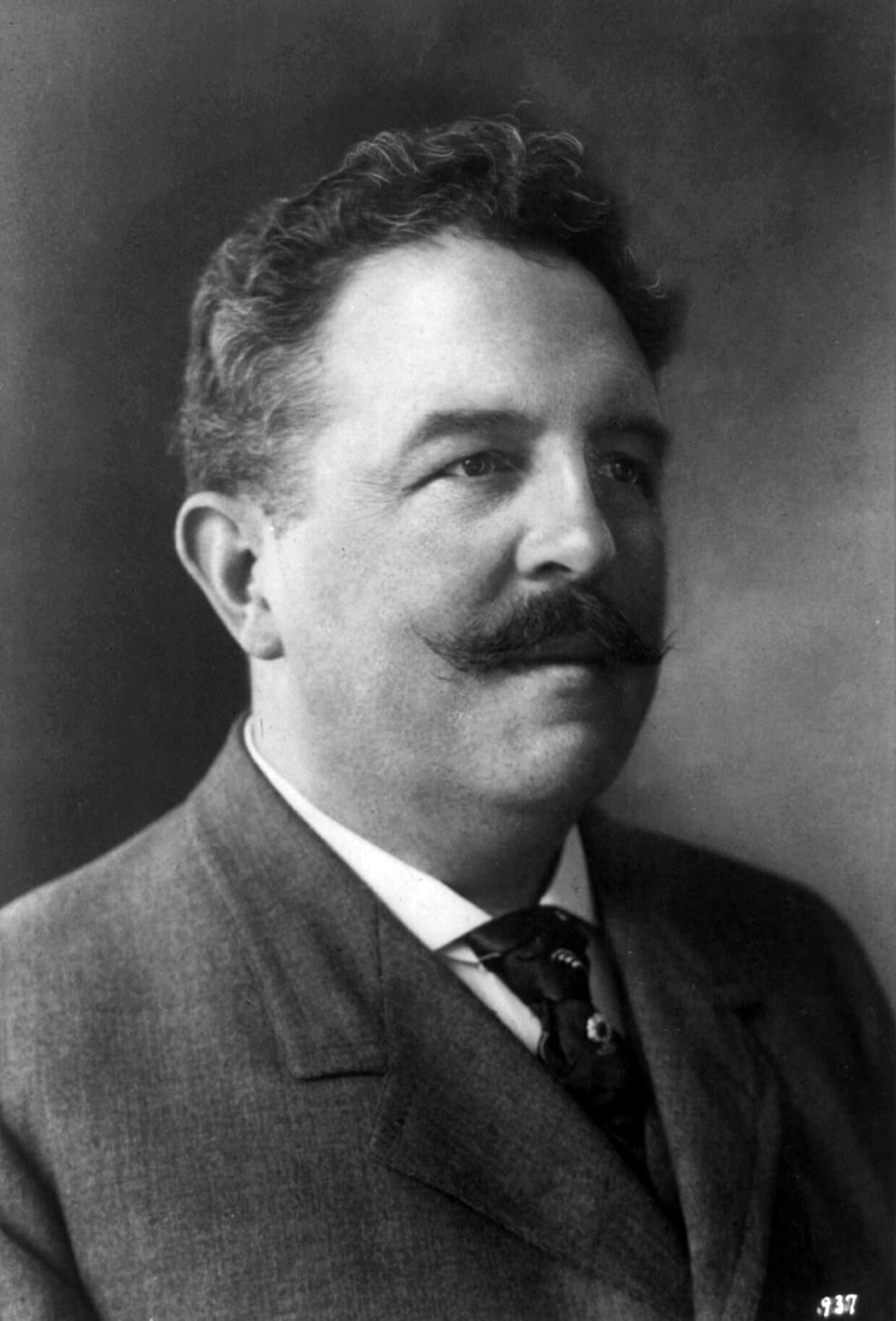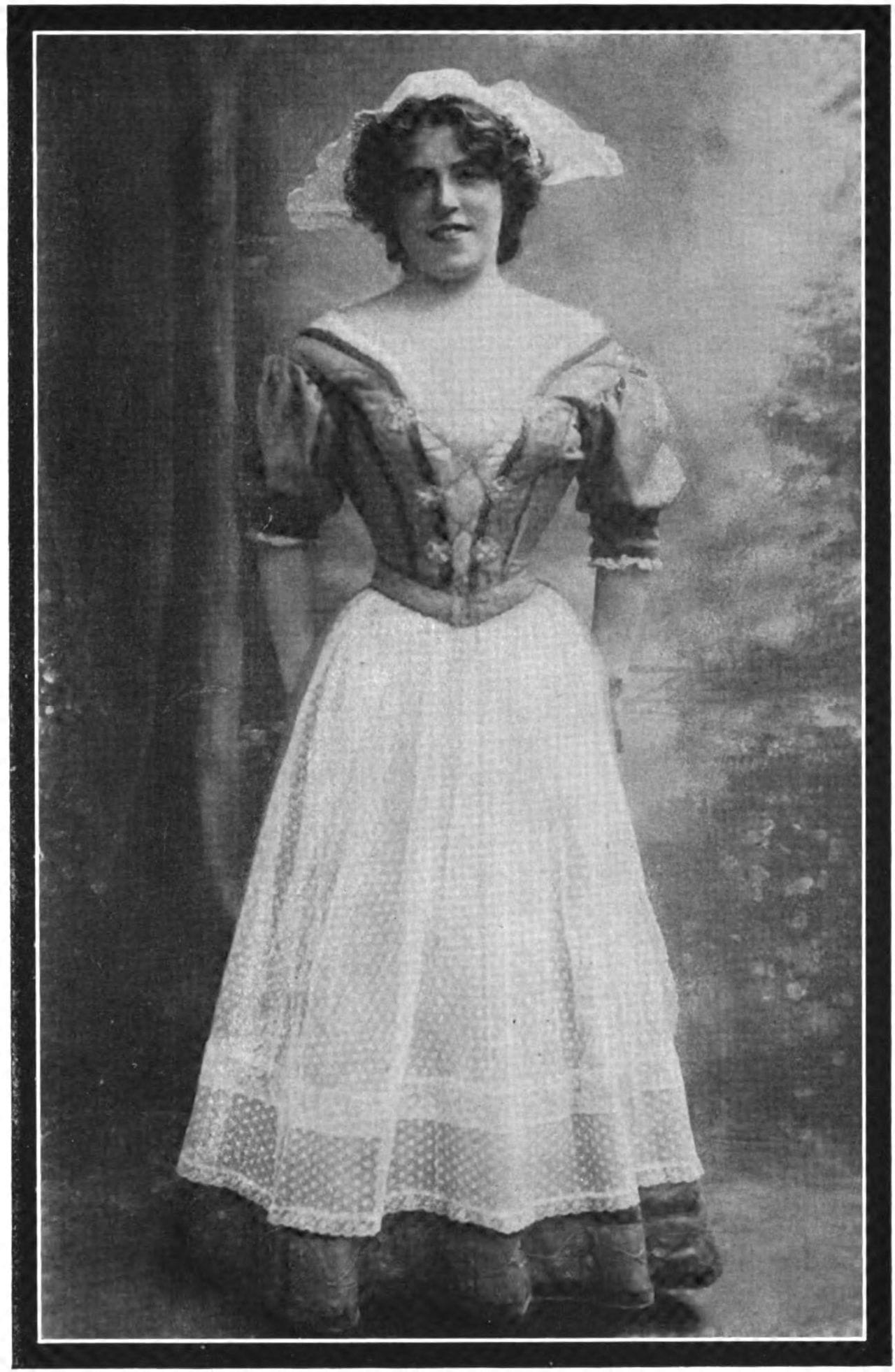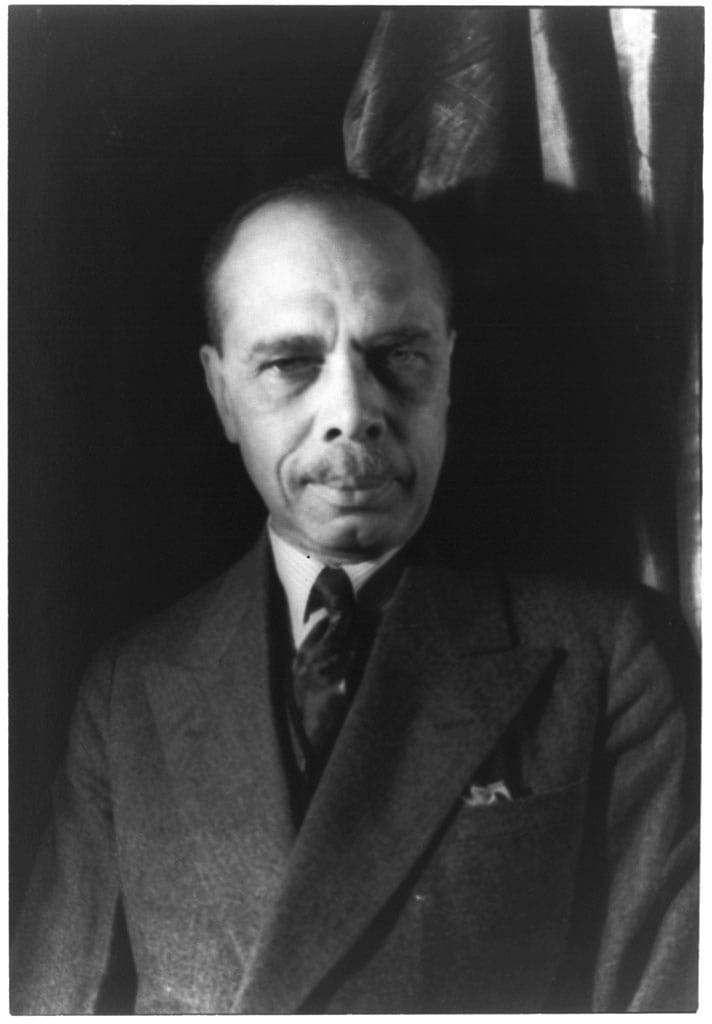
James Weldon Johnson was a towering figure of the early 20th century, embodying a rare combination of artistic talent, political acumen, and unwavering dedication to the advancement of African Americans. Best known for his contributions to literature and music, particularly his seminal poem "Lift Every Voice and Sing," Johnson was also a diplomat, lawyer, educator, and civil rights activist. His work during the first decade of the 1900s laid the groundwork for the Harlem Renaissance and continues to resonate with its powerful message of hope, resilience, and the pursuit of equality. 1900-1909 To truly appreciate the 1900-1909 Music Era, one must understand the impact of this artist.
In-depth Analysis of Musical Style/Evolution
Johnson's musical contributions, though perhaps less widely discussed than his literary achievements, are nonetheless significant and deeply intertwined with the cultural landscape of the period. His most enduring work, "Lift Every Voice and Sing," transcends mere song; it is a cultural anthem that captures the hopes and aspirations of a people striving for freedom and justice. Written in 1900 with his brother, J. Rosamond Johnson, who composed the music, the song was initially intended for a celebration of Abraham Lincoln's birthday. However, its impact was far greater than a single event. It quickly spread throughout the African American community, becoming a powerful expression of collective identity and a source of strength during a time of widespread racial discrimination.
The musical style of "Lift Every Voice and Sing" is notable for its blend of European hymnody and African American musical traditions. J. Rosamond Johnson's melody is stately and dignified, reminiscent of a traditional hymn, but it also incorporates elements of the Black spiritual tradition, particularly in its call-and-response structure and its emotional intensity. This fusion of styles speaks to the complex cultural identity of African Americans at the turn of the century, who were both deeply rooted in their African heritage and increasingly integrated into American society.
Beyond "Lift Every Voice and Sing," the Johnson brothers collaborated on numerous other musical projects, primarily in the realm of musical theater. They wrote songs for Broadway productions, often incorporating ragtime and other popular musical styles of the day. These works, while less overtly political than "Lift Every Voice and Sing," still reflected the African American experience, often offering nuanced portrayals of Black life and culture. While some critics argued that their work catered to white audiences and perpetuated certain stereotypes, the Johnson brothers were also breaking down barriers and paving the way for greater representation of African Americans in the entertainment industry. Their ability to navigate the complexities of the entertainment world while maintaining a commitment to their community is a testament to their talent and their strategic thinking.
The 'Look': Fashion & Aesthetics Deep Dive
While James Weldon Johnson is primarily remembered for his intellectual and artistic contributions, his sartorial choices also played a role in shaping his public image and projecting an air of authority. In a time when African Americans faced constant scrutiny and discrimination, Johnson understood the importance of presenting himself as a dignified and respectable figure. His clothing choices, therefore, were not merely a matter of personal preference but a deliberate strategy for navigating the racial biases of the era.
Johnson favored tailored suits and ties, often opting for dark colors and classic designs. His attire exuded professionalism and suggested a man of education and refinement. He understood that his appearance would be judged, and he consciously used it to counter negative stereotypes and command respect. His commitment to sartorial elegance can be seen as a form of cultural resistance, a way of asserting his dignity and humanity in a society that often sought to deny it.
Beyond clothing, Johnson's overall aesthetic was one of intellectual gravitas. He was a man of letters, and his demeanor reflected his dedication to learning and scholarship. He cultivated an image of seriousness and purpose, which further enhanced his credibility as a writer, diplomat, and civil rights leader. His careful attention to detail, both in his personal appearance and in his professional endeavors, underscores his commitment to excellence and his unwavering belief in the power of representation.
Engineering & Sound Production Analysis
While James Weldon Johnson was not directly involved in studio engineering or sound production in the modern sense, his deep understanding of musical structure and lyrical composition had a profound impact on the effectiveness of his work. The enduring power of "Lift Every Voice and Sing," for example, is due in large part to the careful crafting of its lyrics and the way they interact with J. Rosamond Johnson's melody.
Johnson's ability to choose words that resonated deeply with audiences stemmed from his keen understanding of rhythm, meter, and rhyme. He understood how to create a sense of emotional intensity through the careful manipulation of language. His lyrics are both poetic and accessible, capturing the essence of the African American experience in a way that is both powerful and moving. The song's structure, with its soaring melody and its hopeful message, is a testament to Johnson's compositional skill.
Furthermore, Johnson's theatrical works demonstrate an understanding of how music and lyrics can be used to enhance storytelling and create a sense of dramatic tension. His collaborations with his brother involved a careful consideration of pacing, dynamics, and orchestration, all of which contributed to the overall impact of the performances. While the recording technology of the early 20th century was limited, Johnson's ability to craft compelling lyrics and musical narratives ensured that his work would resonate with audiences for generations to come.
Cultural Impact & Legacy
James Weldon Johnson's cultural impact is immeasurable. "Lift Every Voice and Sing" remains a cornerstone of African American culture, a song sung at countless gatherings, celebrations, and commemorations. It serves as a reminder of the struggles and triumphs of Black Americans and a testament to the enduring power of hope and resilience.
Beyond "Lift Every Voice and Sing," Johnson's work as a writer, diplomat, and civil rights activist helped to shape the course of the 20th century. His novel, The Autobiography of an Ex-Colored Man, explored themes of racial identity and social alienation, offering a powerful critique of racial prejudice and a nuanced portrayal of the complexities of the Black experience. His work as a diplomat in Venezuela and Nicaragua provided him with a unique perspective on international relations and the challenges of promoting democracy and human rights abroad. As a leader of the NAACP, he played a crucial role in the fight for civil rights and social justice, advocating for equal opportunities and an end to racial discrimination.
Johnson's legacy extends far beyond his individual achievements. He inspired countless artists, writers, and activists to use their talents to fight for a more just and equitable world. His life and work serve as a reminder of the power of art and activism to transform society and the importance of standing up for what is right, even in the face of adversity.
Critical Reception (Then vs Now)
James Weldon Johnson's work received a mixed reception during his lifetime, reflecting the racial biases and social inequalities of the era. While his literary and musical achievements were often lauded by both Black and white critics, he also faced challenges navigating the racial politics of the time. Some critics, particularly white critics, questioned the authenticity of his portrayal of Black dialect and culture, while others accused him of catering to white audiences and perpetuating stereotypes. These criticisms underscore the complexities of representing the African American experience in a society dominated by white perspectives.
In contrast, contemporary critics generally recognize Johnson as a pioneering figure who broke down barriers and paved the way for greater representation of African Americans in the arts and politics. His work is now widely celebrated for its eloquence, its intellectual depth, and its unwavering commitment to social justice. "Lift Every Voice and Sing" is universally recognized as a cultural treasure, and his other literary and musical works are increasingly studied and appreciated for their historical and artistic significance.
The shift in critical reception reflects a broader change in attitudes toward race and representation in American society. As our understanding of history and culture has evolved, so too has our appreciation for the contributions of African Americans like James Weldon Johnson. His work continues to resonate with audiences today, offering valuable insights into the complexities of race, identity, and the ongoing struggle for equality.
Conclusion
James Weldon Johnson was a multifaceted figure whose contributions to American society spanned the realms of literature, music, diplomacy, and civil rights. His work during the 1900s laid the foundation for a career dedicated to uplifting the African American community and fighting for social justice. "Lift Every Voice and Sing" stands as a testament to his enduring legacy, a song that continues to inspire hope, resilience, and a unwavering commitment to the pursuit of equality. His life serves as a powerful reminder of the transformative potential of art, activism, and intellectual leadership.