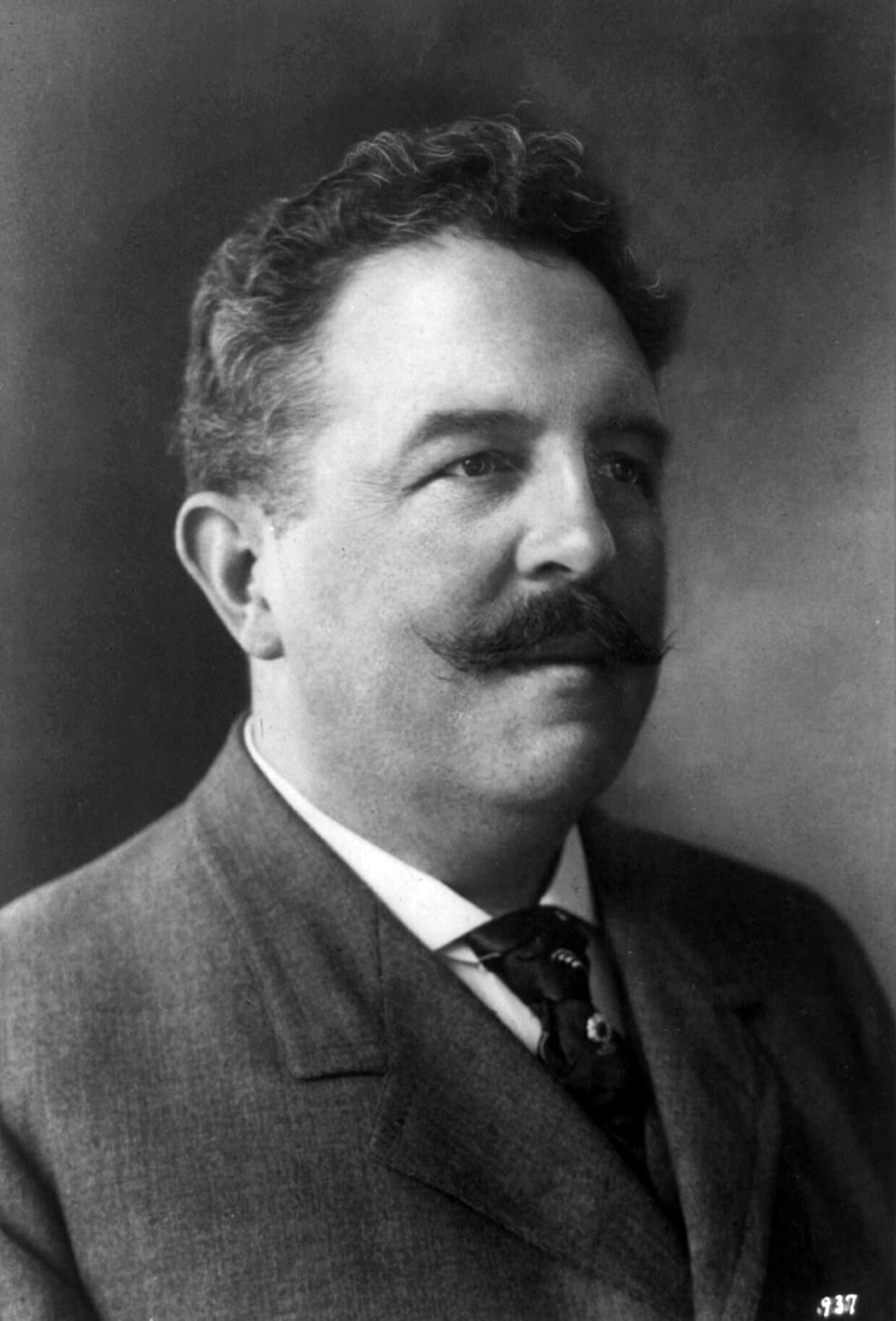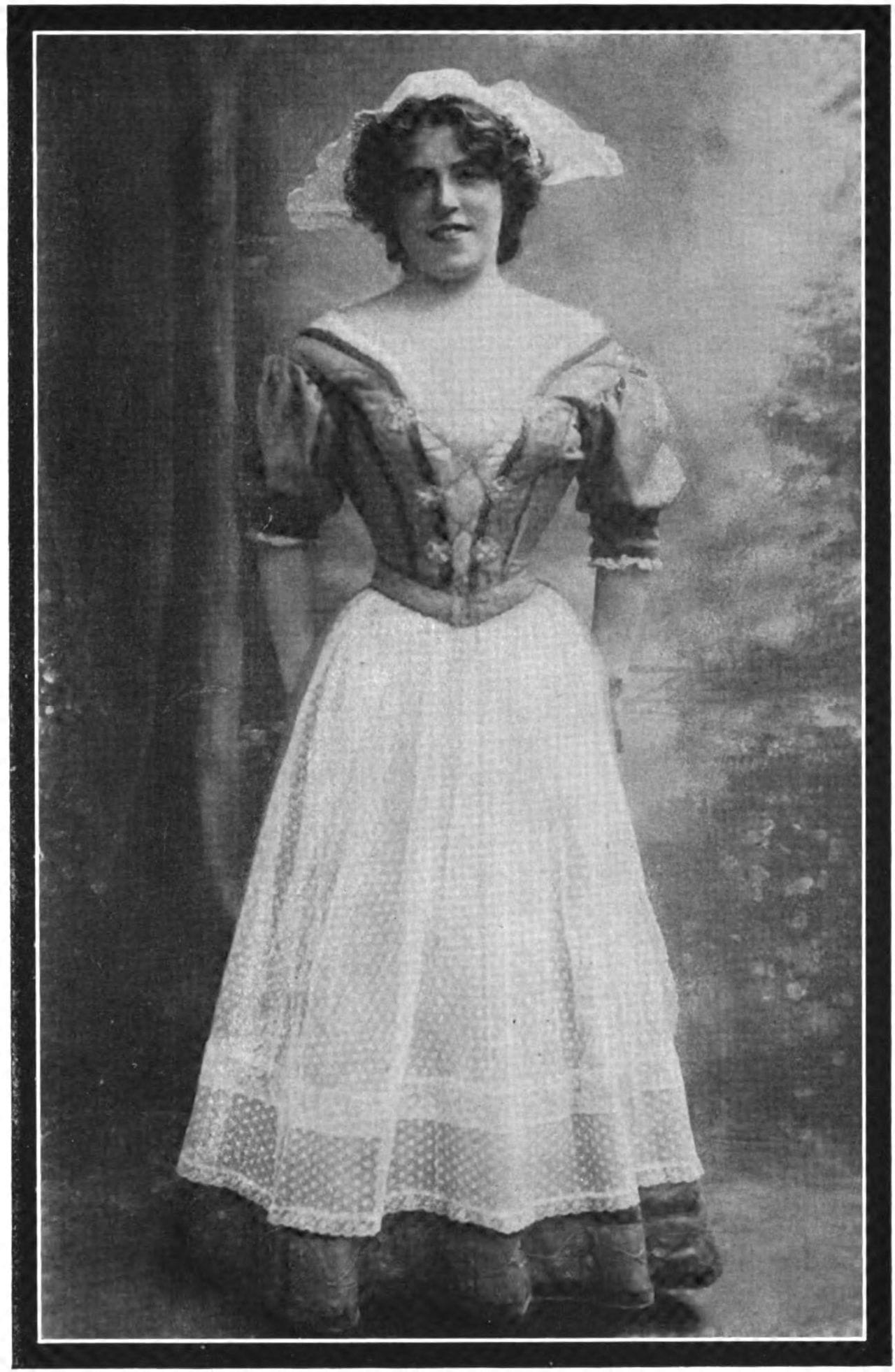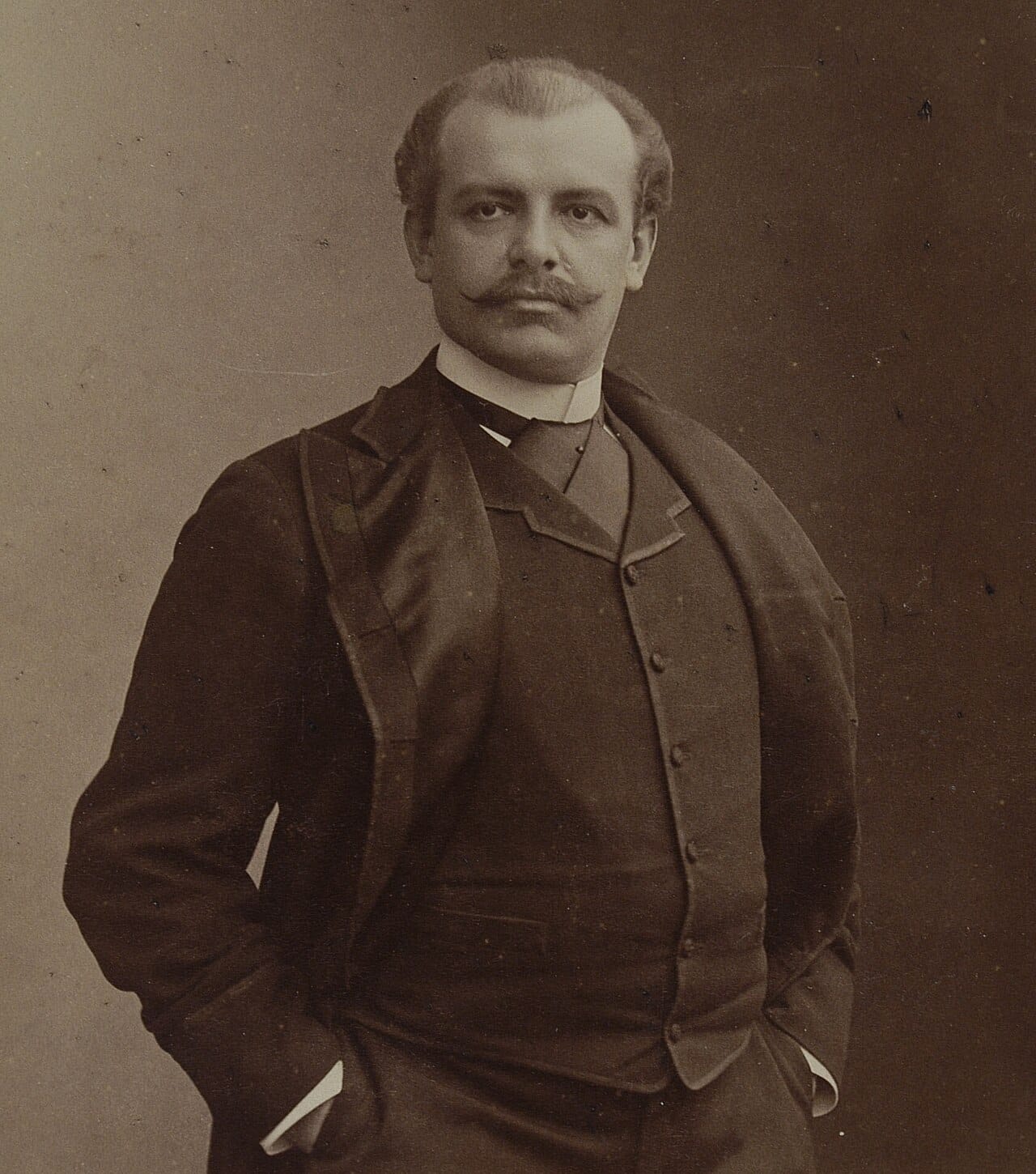
Introduction: A Voice for the Ages
Jean de Reszke, a name synonymous with vocal power, dramatic intensity, and groundbreaking interpretations, reigned as one of the most celebrated tenors of the late 19th and early 20th centuries. More than just a singer, de Reszke was a complete artist, a master of stagecraft who embodied the romantic ideal of the heroic tenor. He captivated audiences on both sides of the Atlantic with his performances in a diverse repertoire ranging from Wagnerian epics to French lyrical dramas, leaving an indelible mark on the world of opera and shaping the expectations of generations of operatic performers. 1900-1909 As a defining figure of the 1900-1909 Music Era, they shaped the cultural landscape.
Born Jan Mieczysław Reszke in Poland in 1850, his journey to becoming "Jean de Reszke" – a name carefully crafted for the international operatic stage – was one of rigorous training, strategic reinvention, and unwavering dedication. Initially destined for a career in law, his innate musical talent quickly became undeniable. He initially studied law, but music proved to be his true calling. His transition from baritone to tenor, guided by his brother and sister, both accomplished singers themselves, was a pivotal moment, unlocking the full potential of his exceptional vocal instrument. He initially sang as a baritone before, with his siblings' help, he trained to become a tenor.
This biography delves into the life and career of Jean de Reszke, exploring his musical style, stage presence, technical prowess, and enduring legacy. We will examine the critical reception he received during his lifetime and analyze how his contributions continue to influence operatic performance today. From his carefully cultivated public image to his innovative vocal techniques, we will uncover the multifaceted artistry that made Jean de Reszke a true operatic legend.
In-depth Analysis of Musical Style/Evolution: From Baritone Beginnings to Tenor Triumphs
De Reszke's musical journey was marked by a significant transformation. He began his career as a baritone, debuting in that register in 1874. However, recognizing the limitations of his baritone voice and guided by the astute advice of his siblings, Josephine and Édouard de Reszke, both celebrated opera singers, he embarked on a rigorous period of retraining. This metamorphosis into a tenor was not merely a change in vocal register; it represented a complete reimagining of his artistic identity.
The transition to tenor allowed de Reszke to explore a wider range of dramatic roles and exploit the full potential of his vocal instrument. His early tenor roles showcased a powerful and heroic sound, perfectly suited to the demands of Wagnerian opera. He quickly became renowned for his interpretations of roles like Lohengrin, Walther von Stolzing (in *Die Meistersinger*), and Siegfried. His Wagnerian performances were characterized by their vocal stamina, dramatic intensity, and profound understanding of the composer's complex musical language. He infused these roles with a depth of emotion and psychological complexity that resonated deeply with audiences.
However, de Reszke's artistry extended far beyond the Wagnerian repertoire. He possessed a remarkable versatility that allowed him to excel in French opera as well. His performances in operas such as *Faust*, *Roméo et Juliette*, and *Manon* showcased his lyrical sensitivity, refined phrasing, and impeccable diction. He brought a distinctly French elegance and charm to these roles, captivating audiences with his passionate interpretations of these beloved characters.
Throughout his career, de Reszke demonstrated a keen understanding of musical style and dramatic expression. He was a meticulous interpreter of scores, paying close attention to the composer's intentions while also bringing his own unique artistic vision to each role. His performances were characterized by their attention to detail, nuanced phrasing, and profound emotional depth. He understood the importance of connecting with the audience on an emotional level and consistently delivered performances that were both dramatically compelling and musically satisfying.
The 'Look': Fashion & Aesthetics Deep Dive
While not a trendsetter in the modern sense of haute couture, Jean de Reszke understood the power of image and stage presence. His "look" was carefully cultivated to project an aura of aristocratic elegance and heroic grandeur, perfectly complementing the characters he portrayed. He wasn't simply wearing costumes; he was embodying a role from the moment he stepped onto the stage.
De Reszke's costumes were meticulously tailored, often incorporating historically accurate details to enhance the authenticity of his performances. He understood the importance of costume design in conveying character and setting the mood. Whether he was clad in shining armor as Lohengrin or a romantic tunic as Roméo, his costumes were always impeccably crafted and perfectly suited to the role. The fabrics chosen, the cut of the garments, and the overall design were all carefully considered to create a visually stunning and dramatically effective stage presence.
Beyond costume, de Reszke's physical presence was commanding. He possessed a natural stage presence that drew the audience's attention. His posture was erect, his movements were deliberate, and his facial expressions were nuanced and expressive. He moved with grace and authority, commanding the stage and captivating the audience with his presence. He understood the importance of physical acting in conveying character and emotion, and he used his body language to communicate subtle nuances and deepen the dramatic impact of his performances.
His overall aesthetic embodied the romantic ideal of the heroic tenor: a figure of strength, passion, and refinement. This carefully constructed image influenced audience expectations of male operatic performers for years to come. He set a standard for stage presence, costuming, and overall presentation that continues to inspire opera singers today. He demonstrated that being an opera star was about more than just vocal ability; it was about creating a complete and compelling artistic persona.
Engineering & Sound Production Analysis: The De Reszke Vocal Machine
Jean de Reszke's vocal technique was legendary, a testament to years of rigorous training and innate talent. His voice was renowned for its exceptional breath control, allowing him to sustain long phrases and navigate demanding vocal passages with seemingly effortless ease. He possessed remarkable control over his diaphragm and rib cage, enabling him to regulate his breath with precision and maintain a consistent tone throughout his vocal range.
His clear diction was another hallmark of his singing. He enunciated every syllable with precision, ensuring that his words were easily understood by the audience, regardless of the size of the theater. He believed that the text was an integral part of the music and that the singer had a responsibility to communicate the meaning of the words with clarity and accuracy. His commitment to clear diction contributed significantly to the dramatic impact of his performances.
De Reszke's dynamic range was also exceptional. He could sing with both power and tenderness, seamlessly transitioning between dramatic fortissimo passages and delicate pianissimo phrases. This ability to control the volume and intensity of his voice allowed him to create a wide range of emotional effects, from moments of heroic triumph to expressions of profound sorrow. He understood the importance of using dynamics to shape the musical line and enhance the dramatic impact of his performances.
Perhaps most remarkably, de Reszke possessed an incredibly durable voice. He was able to tackle demanding roles night after night, maintaining his vocal health and delivering consistently high-quality performances. This durability was a testament to his sound technique, disciplined approach to vocal hygiene, and deep understanding of his own vocal instrument. He knew how to pace himself, conserve his energy, and avoid straining his voice, allowing him to perform at his best night after night.
His vocal prowess was not simply a matter of natural talent; it was the result of years of dedicated training and unwavering commitment to his craft. He approached singing as a science, studying the anatomy of the voice, experimenting with different vocal techniques, and constantly striving to improve his performance. His dedication to vocal excellence made him a role model for aspiring opera singers and a pioneer in the field of vocal pedagogy.
Cultural Impact & Legacy: Shaping the Future of Opera
Jean de Reszke's cultural impact extended far beyond his immediate performances. He helped to elevate the status of opera as a form of art and entertainment, attracting a wider audience and inspiring a new generation of opera singers. His artistry helped to solidify opera's place in the cultural landscape and contributed to its enduring popularity.
He also played a significant role in popularizing Wagnerian opera, particularly in the English-speaking world. His performances of *Lohengrin*, *Die Meistersinger*, and *Siegfried* introduced these complex and demanding works to new audiences and helped to establish Wagner as one of the most important composers of the 19th century. He championed Wagner's music with passion and conviction, helping to overcome initial skepticism and paving the way for its widespread acceptance.
De Reszke's influence on operatic performance is undeniable. He set a new standard for vocal excellence, dramatic interpretation, and stage presence. His performances were characterized by their technical brilliance, emotional depth, and artistic integrity. He inspired countless aspiring opera singers to pursue their dreams and strive for excellence in their own performances.
His legacy continues to be felt today through the recordings and writings of his contemporaries, as well as through the teachings of his students. He left behind a wealth of knowledge and experience that has been passed down through generations of opera singers. His commitment to vocal excellence, dramatic expression, and artistic integrity continues to inspire opera singers around the world.
Moreover, de Reszke contributed to the development of opera education. After retiring from the stage, he dedicated his life to teaching, passing on his vast knowledge and experience to aspiring singers. His students went on to become successful opera singers in their own right, carrying on his legacy and spreading his influence throughout the operatic world. He established a renowned vocal studio in Paris, where he mentored countless singers and helped them to develop their vocal skills and artistic potential.
Critical Reception (Then vs Now): A Shifting Perspective
During his career, Jean de Reszke was largely lauded as one of the greatest tenors of his time. Critics praised his powerful voice, dramatic interpretations, and commanding stage presence. He was hailed as a true artist, a master of both vocal technique and dramatic expression. Audiences adored him, packing theaters to witness his performances and showering him with accolades.
However, even during his lifetime, some critics found fault with de Reszke's interpretations. Some argued that his performances were overly mannered or lacked spontaneity. They contrasted his style with the more straightforward approach of some of his contemporaries, finding his interpretations to be too self-conscious or affected.
In retrospect, critical opinion on de Reszke remains somewhat divided. While his vocal prowess and stage presence are universally acknowledged, some modern critics continue to find his interpretations to be somewhat stylized or lacking in naturalness. They argue that his emphasis on technique sometimes overshadowed his ability to connect with the audience on an emotional level.
However, other critics defend de Reszke's approach, arguing that his attention to detail and nuanced phrasing were essential to his artistry. They contend that his interpretations were deeply considered and carefully crafted, reflecting a profound understanding of the music and drama. They also point to his influence on subsequent generations of opera singers, arguing that his innovative techniques and dramatic insights helped to shape the future of operatic performance.
Ultimately, the critical reception of Jean de Reszke reflects the evolving nature of operatic performance. As styles and tastes change, so too do the criteria by which singers are judged. While some may find his interpretations to be dated or overly stylized, his vocal prowess, stage presence, and enduring influence on operatic performance remain undeniable.
Conclusion: An Enduring Star
Jean de Reszke was more than just a great tenor; he was a complete artist, a master of vocal technique, dramatic interpretation, and stage presence. His performances captivated audiences on both sides of the Atlantic and helped to shape the future of operatic performance. He was a pioneer in the field of vocal pedagogy, passing on his knowledge and experience to generations of aspiring singers. His legacy continues to inspire opera singers around the world.
While critical opinion on de Reszke may be somewhat divided, his vocal prowess and enduring influence are undeniable. He remains one of the most important and influential tenors in the history of opera. His commitment to vocal excellence, dramatic expression, and artistic integrity set a new standard for operatic performance and helped to elevate the status of opera as a form of art and entertainment.
Jean de Reszke's name will forever be associated with vocal power, dramatic intensity, and groundbreaking interpretations. He was a true operatic legend, a voice for the ages, and a pioneer who helped to shape the future of opera. His artistry continues to inspire and captivate audiences around the world.