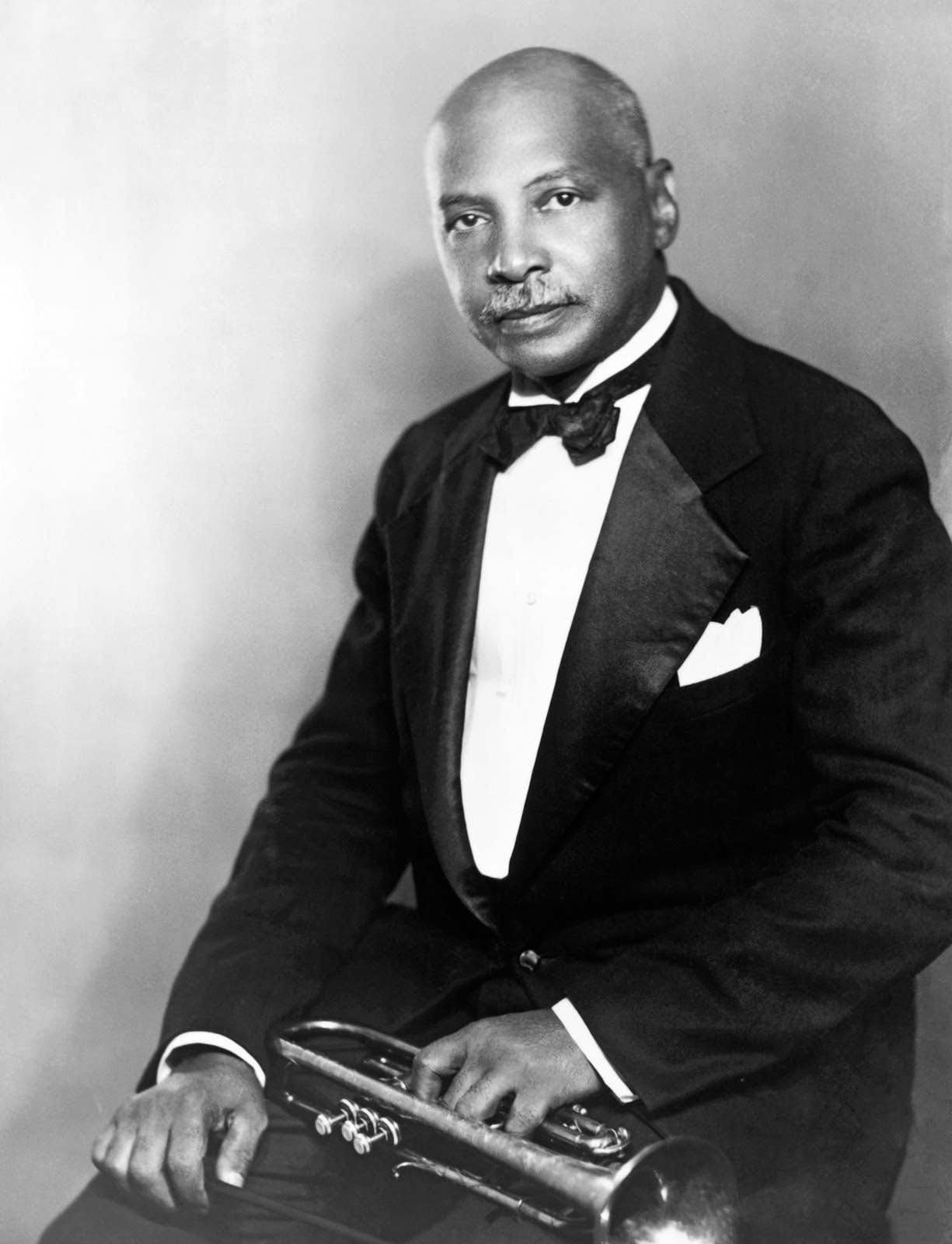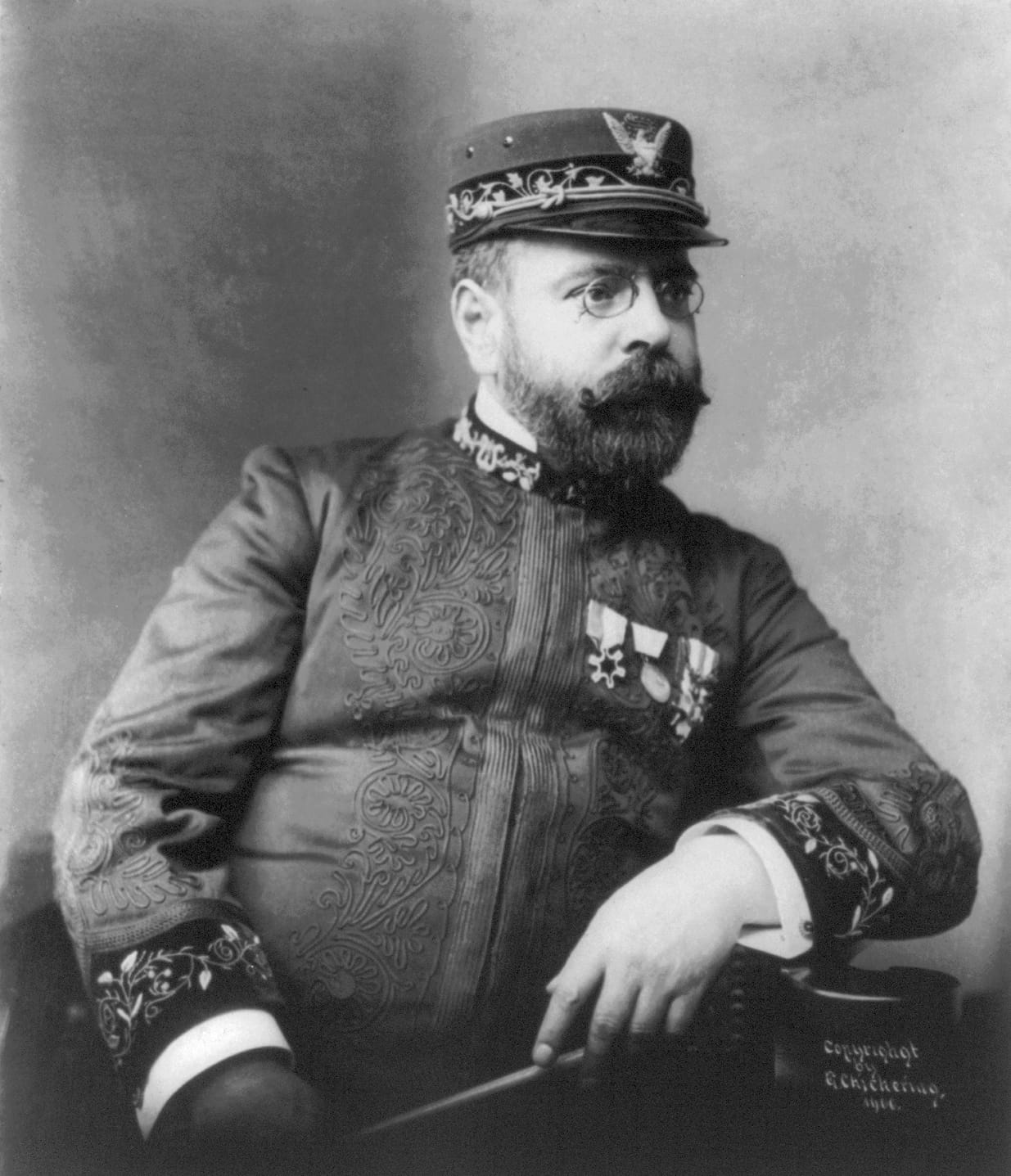
The decade of the 1910s represents a crucial chapter in the enduring legacy of John Philip Sousa, America's "March King." Already a household name by the dawn of the decade, Sousa continued to solidify his reputation as the foremost composer and conductor of American marching music. This period witnessed not only the continued performance and celebration of his beloved existing works but also the creation of new compositions that further cemented his place in the pantheon of American musical icons. From the concert stage to the patriotic parade route, Sousa’s music resonated deeply with a nation grappling with progress, anxieties about war, and a burgeoning sense of national identity. His bands, meticulously crafted and vibrantly performed, provided a soundtrack to a pivotal era in American history, reflecting and shaping the national mood with their infectious energy and unbridled patriotism. This biography delves into the multifaceted career of John Philip Sousa during the 1910s, exploring his musical evolution, the aesthetics he cultivated, his innovative approach to sound production, his profound cultural impact, and the critical reception of his work, both then and now. 1910-1919 To truly appreciate the 1910-1919 Music Era, one must understand the impact of this artist.
In-depth Analysis of Musical Style/Evolution
John Philip Sousa's musical style in the 1910s remained largely consistent with the formula that had brought him widespread acclaim in previous decades. He continued to masterfully blend elements of classical European tradition with distinctly American popular melodies, creating a sound that was both sophisticated and accessible to a broad audience. His marches, the cornerstone of his output, were characterized by their driving rhythms, memorable melodic hooks, and skillful orchestration. The brass section, particularly the trumpets and trombones, played a prominent role, providing the powerful and triumphant sound that became synonymous with Sousa's music. Woodwinds offered contrasting textures and lyrical melodies, while percussion provided the essential rhythmic foundation. Sousa understood the importance of balance within his ensemble, carefully orchestrating each part to create a rich and dynamic sound.
During this decade, Sousa continued to refine his compositional techniques, paying close attention to form and structure. His marches typically followed a predictable but effective pattern: an introduction, followed by several strains or sections, each with its own distinct melody and character. He often incorporated a trio section, a more lyrical and contrasting melody, which provided a respite from the more bombastic strains. This section usually culminated in a powerful "dogfight" or break strain, showcasing the band's virtuosity and dynamic range. While adhering to this established format, Sousa continued to innovate within it, exploring new harmonic and melodic possibilities, and experimenting with different instrumental combinations to keep his music fresh and engaging.
Compositions like "The Liberty Bell" (written earlier but remaining incredibly popular) and "Stars and Stripes Forever" (also prior to 1910 but played ad nauseam) continued to be staples of his performances, but Sousa also composed new marches during this period. These new works, while perhaps not achieving the same iconic status as his earlier hits, demonstrated his continued mastery of the form and his ability to capture the spirit of the times. The patriotic fervor surrounding World War I undoubtedly influenced his compositions, with many of his marches reflecting themes of duty, sacrifice, and national pride. Though specifics of pieces crafted exactly in this period may be debated, the performance and continued resonance of his existing catalog held immense cultural weight.
The 'Look': Fashion & Aesthetics Deep Dive
While John Philip Sousa wasn't necessarily known for flamboyant personal style, his meticulous attention to the visual presentation of his band played a significant role in shaping his image and reinforcing the patriotic message of his music. The uniforms worn by the Sousa Band were not merely functional garments; they were carefully designed to project an image of precision, discipline, and national pride.
Typically, the band members wore elaborate military-style uniforms, often featuring dark blue or navy jackets adorned with gold braid, buttons, and epaulets. Trousers were usually of a matching color, and often included a stripe down the side. Headwear varied, but often consisted of peaked caps or elaborate shakos, again adorned with gold braid and patriotic emblems. The overall effect was one of impressive formality and military precision, reflecting the disciplined nature of the ensemble and the patriotic themes of their music. These uniforms were more than just clothing; they were visual symbols of the band's professionalism and dedication to their art.
Sousa himself typically adopted a more formal and dignified appearance. He often wore a dark suit, complete with a crisp white shirt, tie, and waistcoat. His most distinguishing feature was his well-groomed mustache, which added to his aura of authority and sophistication. Sousa understood the importance of projecting an image of respectability and leadership, and his attire reflected his commitment to upholding the highest standards of professionalism. His appearance, combined with his commanding presence on the podium, helped to establish him as a respected figure in American society.
Beyond the uniforms, the overall aesthetic of the Sousa Band performances was carefully curated. Concert halls were often decorated with American flags and patriotic banners, creating a visually stimulating environment that reinforced the themes of nationalism and civic pride. Sousa understood that the concert experience was about more than just the music; it was about creating a complete sensory experience that would leave a lasting impression on the audience. The visual elements of his performances, from the uniforms to the stage decorations, were carefully considered to enhance the overall impact of his music.
Engineering & Sound Production Analysis
While the term "engineering" might seem anachronistic in the context of early 20th-century music, John Philip Sousa was a pioneer in his approach to sound production, particularly through meticulous rehearsal techniques and the early adoption of recording technology. He understood that achieving a powerful and balanced sound required a rigorous and disciplined approach to rehearsal.
Sousa was known for his demanding rehearsal schedule, pushing his band members to achieve the highest levels of technical proficiency and ensemble unity. He paid close attention to intonation, articulation, and dynamic range, ensuring that every note was played with precision and clarity. He was a stickler for detail, often spending hours working on specific passages until he was satisfied with the result. His rehearsals were not simply about learning the notes; they were about crafting a cohesive and unified sound that would captivate audiences. He aimed for, and achieved, a level of sonic polish rarely heard at the time.
The advent of recording technology presented both challenges and opportunities for Sousa. Early recordings were limited by the technology of the time, often capturing only a fraction of the band's dynamic range and sonic complexity. However, Sousa recognized the potential of recordings to reach a wider audience and preserve his music for posterity. He embraced the recording process, working with engineers to optimize the sound quality and capture the essence of his performances. While the early recordings may not fully capture the power and grandeur of a live Sousa Band concert, they provide valuable insights into his musical style and the performance practices of the era. These recordings are artifacts that documented the aural landscape of a nation.
Sousa's understanding of acoustics also played a crucial role in his sound production. He carefully selected venues for his performances, taking into account the acoustic properties of each space. He understood how different venues could affect the sound of his band, and he adjusted his performance accordingly. He was also known for his use of risers and other staging techniques to optimize the sound projection and ensure that every member of the audience could hear the music clearly. He understood, intrinsically, the impact of sonic architecture upon his music.
Cultural Impact & Legacy
John Philip Sousa's cultural impact during the 1910s was immense, solidifying his position as a national icon and a symbol of American patriotism. His music became inextricably linked with national holidays, patriotic celebrations, and military ceremonies. His marches were played at parades, rallies, and sporting events, providing a stirring soundtrack to American life.
Sousa's bands toured extensively throughout the United States and the world, bringing his music to millions of people. His concerts were not simply musical performances; they were cultural events that celebrated American identity and values. Sousa's music resonated deeply with audiences, inspiring feelings of patriotism, pride, and unity. He was more than just a composer; he was a cultural ambassador who helped to shape the national identity of the United States.
Beyond his immediate impact, Sousa's legacy continues to endure today. His marches remain staples of band repertoires around the world, and his music continues to be performed and enjoyed by audiences of all ages. He is remembered as one of America's greatest composers and conductors, and his contributions to American music and culture are widely celebrated. His influence can be seen in the work of countless composers and musicians who have followed in his footsteps.
Sousa's impact also extended to the development of music education in the United States. His advocacy for music in schools helped to promote the growth of band programs and cultivate a greater appreciation for music among young people. He believed that music was an essential part of a well-rounded education, and he worked tirelessly to ensure that all children had access to musical instruction.
Critical Reception (Then vs Now)
During his lifetime, John Philip Sousa enjoyed widespread popularity and critical acclaim. He was hailed as a musical genius and a national hero. His concerts were consistently sold out, and his music was praised by critics and audiences alike. However, even during his peak, there were some who questioned the artistic merit of his music, deeming it overly patriotic or lacking in depth.
Some critics argued that Sousa's music was too formulaic, relying on predictable harmonies and rhythms. Others suggested that his patriotic themes were simplistic and pandered to popular sentiment. These criticisms, however, were largely overshadowed by the overwhelming enthusiasm for his music. The public, for the most part, embraced Sousa as a symbol of American pride and ingenuity.
In contemporary times, Sousa's music continues to be appreciated for its energy, craftsmanship, and historical significance. While some of the earlier criticisms still linger, many scholars and musicologists have come to recognize the complexity and sophistication of his compositions. His ability to blend classical and popular elements is now seen as a testament to his musical versatility and his understanding of the American musical landscape. While tastes evolve, Sousa's enduring appeal speaks for itself.
Today, Sousa is also recognized for his contributions to the development of American popular culture. His music helped to shape the national identity of the United States, and his concerts provided a shared cultural experience for millions of people. His legacy as a "March King" remains secure, and his music continues to inspire and uplift audiences around the world. It remains a soundtrack to American celebration.
Conclusion
The 1910s marked a period of continued success and enduring influence for John Philip Sousa. His musical style, characterized by its infectious energy, patriotic fervor, and meticulous craftsmanship, resonated deeply with a nation undergoing rapid change. His meticulously crafted image, from the elaborate uniforms of his band to his own dignified attire, projected an image of precision, discipline, and national pride. Sousa's innovative approach to sound production, through rigorous rehearsal techniques and the early adoption of recording technology, helped to capture the power and clarity of his music. His cultural impact during this decade was immense, solidifying his position as a national icon and a symbol of American identity. While some critics questioned the artistic merit of his work, his music continues to be appreciated for its historical significance, its craftsmanship, and its ability to inspire and uplift audiences. John Philip Sousa, the "March King," remains a towering figure in American music history, his legacy as a composer, conductor, and cultural ambassador forever etched in the annals of American popular culture. The 1910s served only to amplify the reach and resonance of his already indelible mark.