Before the Jazz Age truly roared, before flappers dominated the dance floors and syncopation became a national obsession, there existed a fascinating period of musical transition. Joseph C. Smith's Orchestra stands as a crucial bridge between the ragtime era and the burgeoning world of early jazz, a group that not only entertained but also helped to define the sound and social landscape of the late 1910s and early 1920s. More than just a dance band, they were architects of a new sound, innovators who adapted to rapidly changing tastes and played a pivotal role in popularizing the foxtrot and other dance crazes that swept the nation. 1910-1919 They played a crucial role in the development of the 1910-1919 Music Era.
In-depth Analysis of Musical Style/Evolution
Joseph C. Smith’s Orchestra occupied a unique space in the musical landscape of the late 1910s. They weren't quite a traditional ragtime ensemble, nor were they a full-fledged jazz orchestra in the mold of later icons. Instead, they skillfully blended elements of both, forging a distinctive sound that catered to the growing demand for danceable, exciting music. Their repertoire was a carefully curated mix of popular songs, often infused with a subtle ragtime sensibility. Think of them as interpreters and popularizers, taking existing tunes and injecting them with a fresh, modern energy.
The foundation of their sound lay in precise arrangements and tight ensemble playing. Unlike the improvisational spirit that would later define jazz, Smith's Orchestra favored a more structured approach. This emphasis on precision was crucial for the acoustic recording technology of the time, ensuring a clear and balanced sound. Their instrumentation typically included strings, brass, woodwinds, and a rhythm section – a combination that allowed for a rich and varied sonic palette. The brass section provided the punch and drive necessary for energetic dance numbers, while the strings added a layer of sophistication and melodic beauty. The woodwinds, often featuring clarinet and saxophone (an instrument rapidly gaining popularity), contributed a distinctive timbre and added to the ensemble's overall versatility.
The influence of ragtime is evident in their use of syncopation, although often tempered and refined for a broader audience. They weren't pushing the boundaries of harmonic experimentation, but they understood the power of rhythmic variation to create excitement and movement. The "foxtrot," in particular, became a signature dance of the era, and Smith's Orchestra played a significant role in popularizing it through their recordings and performances. They understood that the key to a successful dance tune was not just the melody, but also the rhythm and the overall "feel" of the music. They masterfully crafted arrangements that encouraged movement and made it impossible to resist hitting the dance floor.
As the 1910s progressed, Smith's Orchestra began to subtly incorporate elements that would eventually lead to the full-blown jazz era. While retaining their emphasis on structure and arrangement, they started to allow for slightly more improvisation and experimentation with harmonies. This gradual evolution reflected the changing musical landscape and their desire to remain relevant and appealing to a younger generation. They weren't revolutionary innovators, but they were astute observers and adapters, always striving to stay one step ahead of the curve.
The 'Look': Fashion & Aesthetics Deep Dive
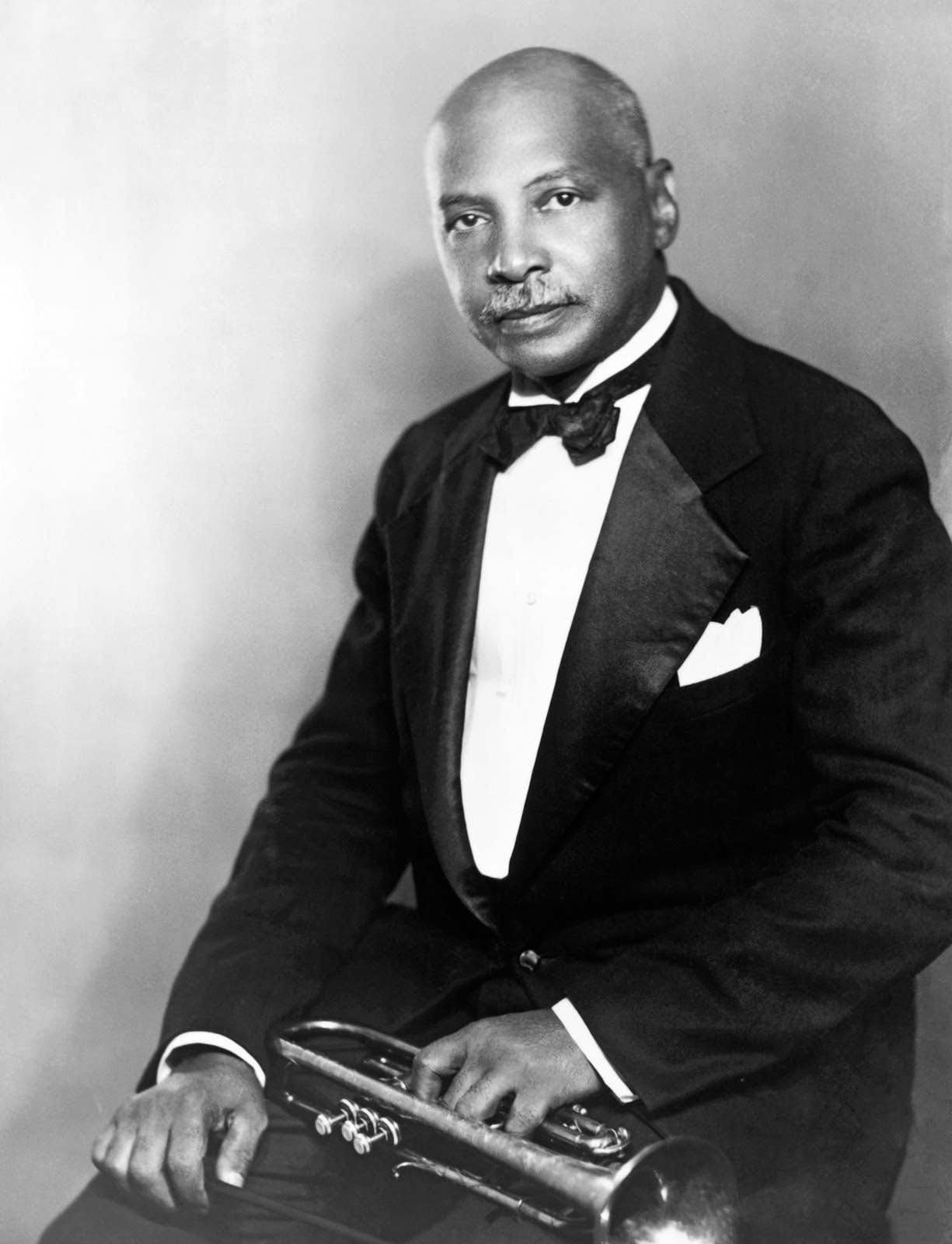
While photographic evidence of Joseph C. Smith's Orchestra is scarce, we can extrapolate their likely aesthetic from the broader trends of the late 1910s and early 1920s. Their image, undoubtedly, was carefully curated to reflect the modernity and sophistication of their music. The band's visual presentation was as important as their musical one, contributing to the overall experience they offered to their audiences.
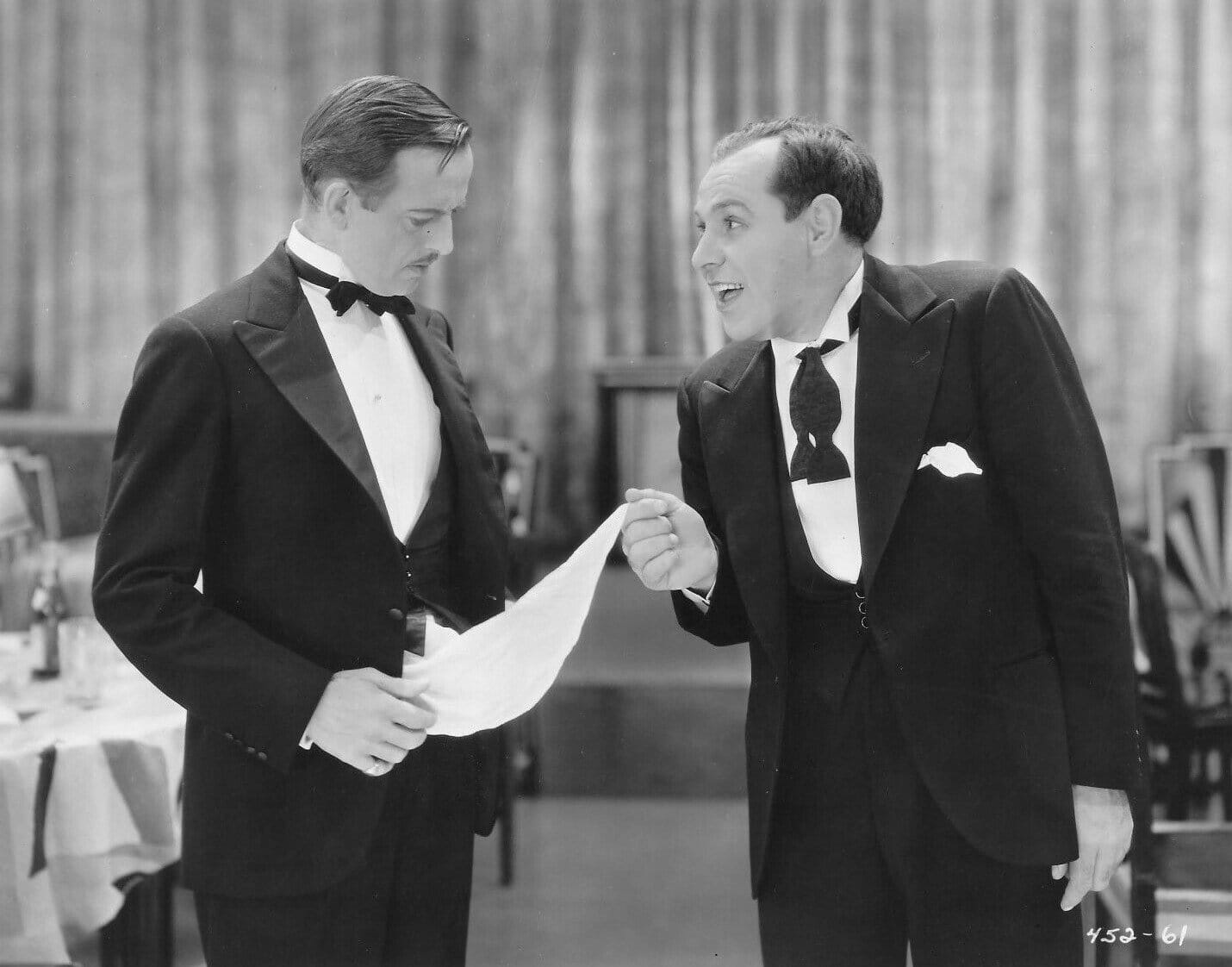
In the early part of the decade, their attire likely leaned towards more formal styles. Expect to see smart, tailored suits in darker colors, complete with vests, ties, and polished shoes. Clean-shaven faces and neatly groomed hair would have been the norm, projecting an image of respectability and professionalism. As the decade progressed and the Roaring Twenties approached, their style likely evolved in tandem with the changing fashions.
The shift towards looser-fitting clothing and a more relaxed aesthetic would have been reflected in their wardrobe choices. The restrictive Edwardian silhouettes were giving way to more comfortable and dance-friendly styles. Suits might have become slightly less structured, with softer fabrics and wider lapels. The emphasis shifted from rigid formality to a more stylish and contemporary look. This evolution mirrored the changing social mores, as young people began to reject the constraints of previous generations and embrace a more liberated lifestyle.
While direct evidence is lacking, it's plausible that members of the orchestra, particularly the younger musicians, might have incorporated subtle elements of dandyism into their appearance. A brightly colored tie, a pocket square, or a stylish hat could have added a touch of individuality and flair. The goal was to project an image of youthful exuberance and sophistication, appealing to the increasingly style-conscious audiences who flocked to dance halls and nightclubs.
The orchestra's "look" also extended beyond their clothing. Their stage presence and demeanor were carefully crafted to create an atmosphere of excitement and entertainment. They were performers, not just musicians, and they understood the importance of engaging with their audience. Their performances were likely energetic and visually appealing, with members moving and interacting with each other to create a dynamic and captivating show. The visual aspect of their performance was crucial in enhancing the overall experience and contributing to their popularity.
Engineering & Sound Production Analysis
Understanding the recording process of Joseph C. Smith's Orchestra requires a grasp of the technological limitations and innovations of the acoustic era. Unlike modern recording, which relies on electronic amplification and manipulation, acoustic recording depended entirely on capturing sound vibrations directly onto a physical medium. This meant that the arrangement, instrumentation, and microphone placement were all critical factors in determining the quality of the final recording.
The recording process typically involved a large horn, or megaphone, into which the musicians would play. The sound waves would then vibrate a diaphragm connected to a cutting stylus, which would etch grooves onto a rotating wax disc. The louder and more direct the sound, the deeper the grooves. This process required careful balancing of the different instruments to ensure that each was adequately captured without overwhelming the others.
Smith's Orchestra's recordings demonstrate a relatively clear and balanced sound for the time, indicating that they possessed a good understanding of the acoustic recording process. Their arrangements were likely tailored to the limitations of the technology, with emphasis placed on instruments that projected well and careful consideration given to the dynamic range of the ensemble. The placement of the musicians around the recording horn was also crucial, with louder instruments positioned further away and softer instruments placed closer. This delicate balancing act required skill and experience to achieve a satisfactory result.
The acoustic recording process also influenced the style of music that was recorded. Complex harmonies and subtle nuances were often lost, so the focus was typically on strong melodies and clear rhythmic patterns. The lack of amplification also meant that louder instruments, such as brass and percussion, tended to dominate the recordings, while softer instruments, such as strings and woodwinds, could be easily overwhelmed. Smith's Orchestra's arrangements likely took these limitations into account, emphasizing the strengths of the recording process while minimizing its weaknesses.
Despite the technological limitations, the recordings of Joseph C. Smith's Orchestra provide valuable insights into the musical soundscape of the late 1910s. They offer a glimpse into the popular music of the era, the instrumentation of dance bands, and the recording techniques that were used to capture it. While the sound quality may not be comparable to modern recordings, the historical significance of these recordings cannot be overstated.
Cultural Impact & Legacy
Joseph C. Smith's Orchestra played a significant role in shaping the cultural landscape of the late 1910s and early 1920s. Their music was not just entertainment; it was a reflection of the changing social norms and the growing desire for liberation and self-expression. As a leading dance band of the era, they helped to popularize new dance crazes, such as the foxtrot, and contributed to the growing popularity of dance halls and nightclubs.
Their music provided the soundtrack for a generation that was eager to embrace new experiences and break free from the constraints of the past. The energy and excitement of their music mirrored the optimism and forward-looking spirit of the era. They helped to create a sense of community and shared experience, bringing people together on the dance floor and fostering a sense of camaraderie.
Smith's Orchestra also played a role in bridging the gap between ragtime and early jazz. While they weren't at the forefront of musical innovation, they helped to introduce elements of ragtime to a wider audience and paved the way for the emergence of jazz as a dominant musical force. Their recordings and performances helped to popularize syncopated rhythms and improvisational techniques, laying the groundwork for the jazz revolution that was about to unfold.
Their legacy extends beyond their musical contributions. They were also pioneers in the entertainment industry, demonstrating the power of music to shape social trends and influence popular culture. Their success as a dance band helped to establish the importance of music as a form of entertainment and social interaction. They paved the way for future generations of musicians and entertainers, demonstrating the potential for music to be a powerful force for change.
Critical Reception (Then vs Now)
During their active years, Joseph C. Smith's Orchestra generally received positive reviews from critics and audiences alike. Contemporary reviewers praised their tight ensemble playing, their ability to create exciting dance music, and their skillful arrangements. They were recognized as one of the leading dance bands of the era, and their recordings were widely popular.
However, it's important to note that some traditionalists may have viewed their incorporation of ragtime elements as a deviation from established musical norms. In the early 20th century, there was often a divide between those who embraced new musical styles and those who preferred more traditional forms of music. Some critics may have felt that Smith's Orchestra's music was too commercial or that it lacked the artistic depth of classical music.
Today, Smith's Orchestra is primarily remembered by music historians and enthusiasts of early jazz and popular music. Their recordings are often studied as examples of the musical styles and recording techniques of the late 1910s. While they may not be as widely known as some of the later jazz icons, their contributions to the development of American popular music are undeniable.
Modern critics and historians recognize the importance of Smith's Orchestra as a transitional ensemble that helped to bridge the gap between ragtime and jazz. They acknowledge their skillful arrangements, their tight ensemble playing, and their role in popularizing new dance crazes. While their music may not be considered cutting-edge by today's standards, it is appreciated for its historical significance and its contribution to the evolution of American popular music.
Conclusion
Joseph C. Smith's Orchestra may not be a household name, but their impact on the musical and cultural landscape of the late 1910s and early 1920s is undeniable. They were more than just a dance band; they were architects of a new sound, innovators who adapted to rapidly changing tastes and played a pivotal role in popularizing the foxtrot and other dance crazes that swept the nation. Their music provided the soundtrack for a generation that was eager to embrace new experiences and break free from the constraints of the past. By skillfully blending ragtime influences with emerging popular song forms, Smith's Orchestra crafted a sound that was both energetic and sophisticated for its time. They stand as a testament to the power of music to shape social trends and influence popular culture, solidifying their place as pioneers of the Roaring Twenties sound.