Comprehensive Introduction
Joseph "King" Oliver stands as a monumental figure in the genesis of jazz music. Born in 1881 in either Abend, Louisiana or near Donaldsonville, his exact birthdate shrouded in the mists of early 20th-century record-keeping, Oliver’s life was a testament to the transformative power of music. More than just a performer, he was a bandleader, composer, and mentor who shaped the very DNA of early jazz, leaving an indelible mark on the American musical landscape. His influence, particularly his nurturing of a young Louis Armstrong, cemented his place as a pivotal figure in the transition of jazz from a regional phenomenon to a national sensation. 1910-1919 To truly appreciate the 1910-1919 Music Era, one must understand the impact of this artist.
Oliver’s journey began in the vibrant, culturally rich crucible of New Orleans. Immersed in the sounds of brass bands, ragtime, and the blues, he absorbed the musical currents that defined the city's unique soundscape. He started playing cornet in his youth, honing his skills in various bands and social clubs, gradually rising through the ranks to become a respected and sought-after musician. His charismatic personality and natural leadership abilities soon propelled him to the forefront of the New Orleans jazz scene. By the late 1910s, he had earned the moniker "King" Oliver, a title that reflected his status as a reigning monarch of the city’s musical landscape.
However, the story of King Oliver is not just a tale of individual success but a reflection of the broader social and economic forces that shaped the lives of African Americans in the Jim Crow South. The Great Migration, the mass movement of African Americans from the rural South to the industrial North, played a crucial role in Oliver's career trajectory. Driven by the promise of better opportunities and escaping the oppressive conditions of the South, Oliver followed the migratory currents to Chicago, a city that was rapidly becoming a major hub for jazz music. It was in Chicago that Oliver would achieve his greatest success, forming his legendary Creole Jazz Band and solidifying his legacy as a pioneering figure in the history of American music.
In-depth Analysis of Musical Style/Evolution
King Oliver's musical style was deeply rooted in the New Orleans tradition, characterized by collective improvisation, polyphonic textures, and a strong emphasis on blues tonality. Unlike later jazz styles that emphasized individual virtuosity, Oliver's music prioritized ensemble playing, where each instrument contributed to the overall sound in a complex and interwoven tapestry. This collective approach created a vibrant and energetic sound that was both danceable and intellectually stimulating.
One of Oliver's defining characteristics was his innovative use of mutes. He experimented with a variety of objects, from plungers to bottles, to alter the timbre of his cornet, creating a range of expressive effects that added depth and nuance to his playing. These mutes allowed him to mimic the human voice, evoke different emotions, and create a distinctive sound that became his signature. His "wa-wa" effect, achieved by manipulating a plunger mute, was particularly influential, inspiring countless cornet and trumpet players who followed in his footsteps.
The Creole Jazz Band, formed in Chicago in 1922, was the culmination of Oliver's musical vision. This ensemble, which included a young Louis Armstrong on second cornet, epitomized the New Orleans style of collective improvisation. The band's recordings, though limited by the technology of the time, are invaluable documents of early jazz. They showcase the interplay between Oliver and Armstrong, their cornet lines weaving around each other in a dynamic and symbiotic relationship. These recordings also highlight the contributions of other key members, such as Johnny Dodds on clarinet, Honore Dutrey on trombone, and Lil Hardin Armstrong on piano, each of whom brought their unique talents to the ensemble.
While Oliver remained largely committed to the New Orleans style throughout his career, his music did evolve over time. In the late 1920s, as jazz began to embrace more structured arrangements and individual solos, Oliver experimented with incorporating these elements into his music. However, he never fully abandoned his roots, maintaining a strong connection to the collective improvisation and bluesy feel that defined his early work. This resistance to change would ultimately contribute to his declining popularity in the swing era, but it also ensured that his music retained its unique character and authenticity.
The 'Look': Fashion & Aesthetics Deep Dive
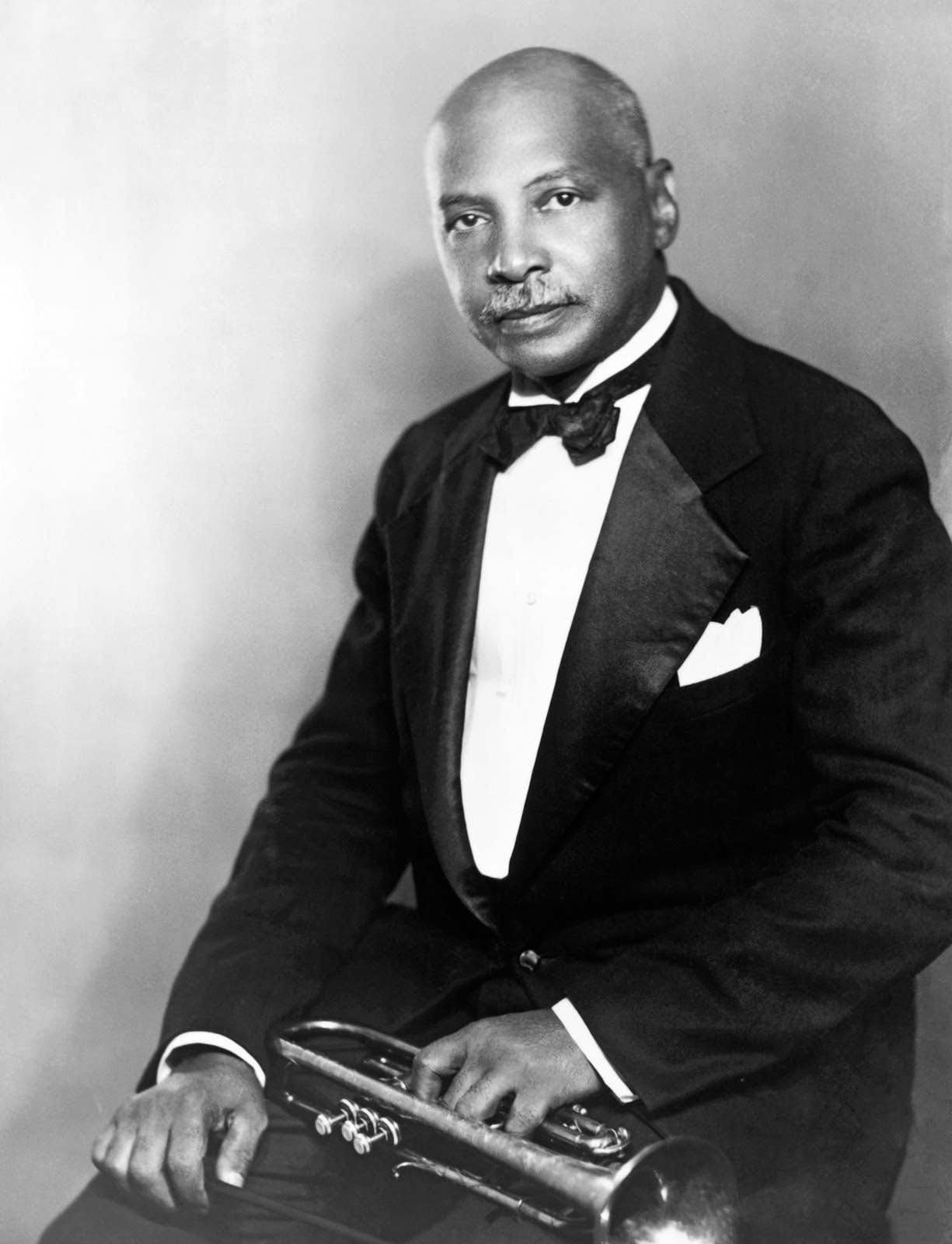
King Oliver's presentation was as carefully crafted as his music. In an era when jazz was striving for respectability, Oliver understood the importance of projecting a professional and polished image. He and his Creole Jazz Band consistently appeared in tailored suits, vests, and ties, conveying a sense of seriousness and dedication to their craft.
This sartorial choice was not merely a matter of personal preference but a strategic decision aimed at challenging the prevailing stereotypes associated with jazz music. In the early 20th century, jazz was often viewed as a lowbrow form of entertainment, associated with brothels and gambling dens. By presenting themselves in a respectable and dignified manner, Oliver and his bandmates sought to elevate the perception of jazz and demonstrate its artistic merit. Their attire communicated a message of professionalism and competence, signaling to audiences that they were not just entertainers but skilled musicians worthy of recognition and respect.
The attention to detail extended beyond clothing. Oliver and his bandmates maintained a clean-cut appearance, with neatly groomed hair and polished shoes. This meticulous attention to detail reinforced their image of professionalism and competence. Photographs from the era reveal a band that was not only musically talented but also visually appealing, further enhancing their appeal to a broader audience.
Furthermore, the adoption of formal attire served as a form of resistance against the racial discrimination prevalent during the Jim Crow era. By presenting themselves as polished and respectable individuals, Oliver and his bandmates challenged the racist stereotypes that sought to denigrate and marginalize African Americans. Their sartorial choices became a subtle but powerful statement of pride and self-determination, demonstrating that African Americans were capable of achieving excellence in all fields, including music.
Engineering & Sound Production Analysis
Recording technology in the 1920s presented significant challenges for musicians like King Oliver. The acoustic recording process, which relied on capturing sound vibrations through a large horn, placed severe limitations on the types of music that could be effectively recorded. The dynamic range was limited, and certain instruments, particularly drums and bass, were difficult to capture accurately. Furthermore, the recording process required musicians to carefully balance their performance volume and instrument placement to achieve a cohesive and listenable recording.
Despite these limitations, King Oliver's Creole Jazz Band managed to produce recordings that capture the energy and vibrancy of their live performances. The band's success can be attributed to their careful attention to microphone placement and their ability to adapt their playing style to the constraints of the recording technology. They understood that certain instruments, such as the cornet and clarinet, were more easily captured by the acoustic horn, while others, such as the drums, needed to be played more subtly to avoid overpowering the recording.
The recordings of the Creole Jazz Band offer valuable insights into the sonic characteristics of early jazz. The polyphonic textures, with multiple instruments improvising simultaneously, are clearly audible, although the overall sound quality is somewhat compressed and muffled compared to modern recordings. The interplay between Oliver and Armstrong's cornets is particularly evident, their contrasting tones and improvisational styles creating a dynamic and engaging listening experience.
It's important to consider the context of these recordings when evaluating their sonic qualities. While they may not meet the standards of modern high-fidelity recordings, they represent a remarkable achievement given the limitations of the technology. They provide a crucial window into the sound world of early jazz, allowing us to appreciate the artistry and innovation of King Oliver and his Creole Jazz Band.
Cultural Impact & Legacy
King Oliver's cultural impact extends far beyond his musical contributions. He played a crucial role in popularizing jazz music and establishing it as a legitimate art form. His Creole Jazz Band's recordings helped to disseminate the New Orleans style of jazz to a wider audience, paving the way for the genre's national and international success.
Oliver's mentorship of Louis Armstrong is perhaps his most enduring legacy. He recognized Armstrong's extraordinary talent early on and provided him with opportunities to develop his skills and gain valuable experience. Armstrong, in turn, went on to become one of the most influential figures in the history of jazz, shaping the genre's evolution and inspiring generations of musicians. Without Oliver's guidance and support, Armstrong's career might have taken a very different trajectory.
Furthermore, Oliver's success as a bandleader and composer helped to break down racial barriers in the music industry. He demonstrated that African American musicians were capable of achieving artistic and commercial success, challenging the prevailing stereotypes and paving the way for future generations of black artists. His example inspired countless musicians to pursue their dreams, regardless of the obstacles they faced.
Oliver's music continues to be celebrated and studied today. His recordings are essential listening for anyone interested in the history of jazz, and his influence can be heard in the work of countless musicians across a wide range of genres. He remains a towering figure in the history of American music, a true pioneer who helped to shape the sound of the 20th century.
Critical Reception (Then vs Now)
During his peak in the 1920s, King Oliver was widely lauded as one of the leading figures in jazz music. Critics praised his innovative use of mutes, his strong ensemble playing, and his ability to create a vibrant and energetic sound. His Creole Jazz Band was considered one of the most important and influential ensembles of the era.
However, Oliver's critical reception began to decline in the late 1920s and early 1930s, as jazz music underwent significant changes. The rise of swing music, with its emphasis on structured arrangements and individual solos, led to a shift in musical tastes. Some critics felt that Oliver clung too tightly to the New Orleans style and failed to adapt to the changing musical landscape. They argued that his music sounded dated and lacked the sophistication of the swing bands that were gaining popularity.
In retrospect, Oliver's resistance to change can be seen as both a strength and a weakness. While it may have contributed to his declining popularity in the short term, it also ensured that his music retained its unique character and authenticity. Today, Oliver is recognized as a crucial figure in the development of jazz, and his recordings are considered essential documents of early jazz history. Critics now appreciate his pioneering spirit, his innovative use of mutes, and his enduring influence on generations of musicians.
The modern perspective on King Oliver emphasizes his role as a foundational figure. He is no longer judged solely by his inability to adapt to the swing era but rather celebrated for his contributions to the birth of jazz. His mentorship of Louis Armstrong is also viewed as a testament to his generosity and vision. Contemporary critics recognize that Oliver's music, while rooted in the past, continues to resonate with audiences today, offering a glimpse into the origins of one of America's most important art forms.
Conclusion
King Oliver's story is a powerful reminder of the transformative power of music and the enduring legacy of early jazz. From his humble beginnings in the culturally rich environment of New Orleans to his rise as a leading figure in the Chicago jazz scene, Oliver's life was a testament to his passion, dedication, and innovative spirit. His contributions as a bandleader, composer, and mentor shaped the very DNA of jazz music, leaving an indelible mark on the American musical landscape.
While his career may have been overshadowed by the rise of swing music, Oliver's influence continues to be felt today. His recordings remain essential listening for anyone interested in the history of jazz, and his mentorship of Louis Armstrong stands as a testament to his generosity and vision. King Oliver was more than just a musician; he was a cultural icon, a pioneer who helped to pave the way for future generations of African American artists. His legacy endures as a symbol of creativity, resilience, and the enduring power of music to transcend boundaries and unite people.