A Figure Shrouded in Contradiction: Introduction to Lew Dockstader
Lew Dockstader, born George Alfred Clapp in Hartford, Connecticut, in 1856, remains a complex and troubling figure in the history of American entertainment. He rose to prominence as one of the most celebrated minstrel performers of the late 19th and early 20th centuries. However, his fame is inextricably linked to minstrelsy itself – a deeply racist and exploitative form of entertainment that caricatured and dehumanized African Americans. Understanding Dockstader requires grappling with this inherent contradiction: he was a talented performer who achieved widespread popularity while simultaneously perpetuating harmful stereotypes that inflicted lasting damage. His career offers a stark reminder of the pervasive racism embedded within American popular culture and the enduring need for critical examination of our entertainment history. 1900-1909 Few artists better represent the spirit of the 1900-1909 Music Era.
Dockstader’s journey into minstrelsy began in the 1870s. He initially performed under various stage names before adopting “Lew Dockstader,” a moniker that would become synonymous with a particular style of minstrel performance known for its supposed refinement and relatively less overtly offensive humor – at least compared to some of his contemporaries. This perceived "refinement," however, did not absolve him of the inherent racism embedded in the practice of blackface and the performance of stereotypical characters. His success reflects the tastes and prejudices of a society deeply divided along racial lines, a society that found entertainment in the mockery and subjugation of an entire group of people.
Deconstructing the Melodies: In-depth Analysis of Musical Style and Performance
Dockstader's musical repertoire consisted primarily of popular songs of the day, comedic monologues, and dialect-driven humor. The minstrel show format, within which he operated, typically followed a standardized structure. This often involved a "walk-around," a series of jokes and musical numbers, and concluding with a "plantation scene" that romanticized the antebellum South and further reinforced racial stereotypes. While Dockstader did not compose most of the material he performed, he was known for his delivery and stage presence, which elevated the songs and comedic bits to a level that resonated with audiences. He possessed a baritone voice that, while not exceptionally powerful by modern standards, was well-suited to the popular tunes of the era. The recordings of his voice, though rudimentary, reveal a clarity and projection that must have been amplified significantly in live performances.
His success also hinged on his ability to incorporate topical humor and current events into his routines. This made his performances feel fresh and relevant, attracting audiences eager for both entertainment and social commentary – albeit commentary filtered through the lens of racial prejudice. Dockstader was a master of improvisation and ad-libbing, allowing him to connect with his audience on a personal level. He could tailor his jokes and stories to the specific location and demographics of his audience, further enhancing his appeal. While it is difficult to assess the full extent of his improvisational skills based on the limited archival material available, contemporary accounts suggest that it was a key component of his success.
However, it's crucial to remember that his musical style, while technically proficient, was inextricably bound to the performance of blackface and the perpetuation of harmful stereotypes. The songs he sang, even those that might seem innocuous on the surface, were often delivered with exaggerated dialect and gestures that reinforced racist caricatures. The humor he employed relied heavily on portraying African Americans as lazy, ignorant, and childlike. Therefore, any analysis of Dockstader's musical style must acknowledge the ethical implications of his performances and the damage they inflicted on the African American community.
The 'Look': Fashion & Aesthetics Deep Dive
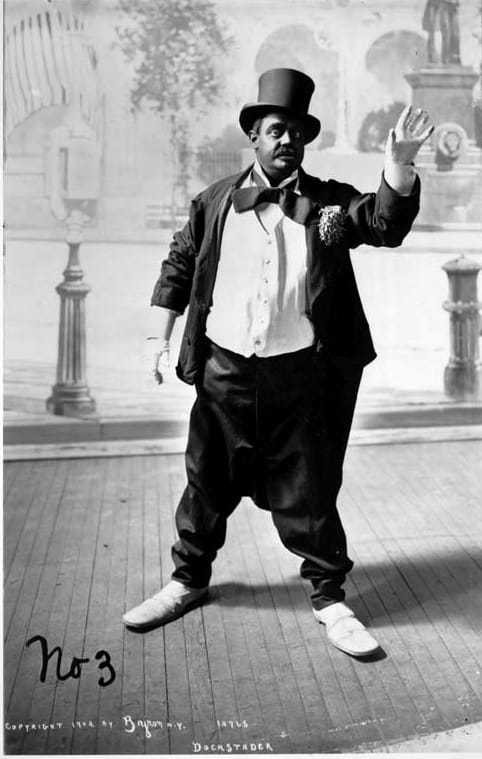
Lew Dockstader's on-stage "look" was a carefully constructed performance of racial otherness, a visual representation of the dehumanizing stereotypes at the heart of minstrelsy. Blackface makeup, applied liberally, was the most recognizable and offensive element. This involved darkening his skin with burnt cork and exaggerating his lips and eyes, creating a grotesque caricature of African American features. The costume further amplified this effect, often consisting of tattered clothing, oversized shoes, and other items designed to portray the character as foolish and inept.
This "look" was not merely a superficial element of the performance; it was integral to the entire act. The blackface makeup served as a visual signifier, instantly signaling to the audience that they were about to witness a comedic portrayal of African Americans. The exaggerated features and ridiculous clothing reinforced the existing prejudices and stereotypes, creating a sense of superiority among white audiences. It allowed them to laugh at the expense of a marginalized group, further solidifying the racial hierarchy of the time.
While variations existed within minstrelsy, Dockstader's costume often incorporated elements of "dandyism," ironically contrasting the supposed simplicity and ignorance of the black character with elaborate attire, highlighting the perceived absurdity of black aspiration. The careful construction of this image underscores the deliberate nature of minstrelsy’s racist caricature. It was not simply an innocent form of entertainment but a calculated performance of racial difference designed to reinforce existing power structures. The "look" was a tool of oppression, a visual embodiment of the systemic racism that permeated American society.
Echoes of the Past: Engineering & Sound Production Analysis
The technology available during Dockstader's career severely limited the fidelity of recorded sound. The recordings that survive today, primarily on wax cylinders and early gramophone records, offer only a faint echo of his original performances. These recordings are often scratchy, distorted, and lacking in dynamic range. However, they still provide valuable insights into Dockstader's vocal delivery and comedic timing. His voice, as captured on these early recordings, reveals a clear enunciation and a good sense of rhythm. He understood how to use pauses and changes in tone to create comedic effect, even within the limitations of the technology.
The lack of sophisticated amplification technology meant that Dockstader relied heavily on his own vocal projection to reach the back of the theater. This required a strong diaphragm and careful breath control. The fact that he was able to sustain a successful career for several decades suggests that he possessed these skills in abundance. Furthermore, the limited recording technology emphasizes the importance of live performance. Dockstader's stage presence, his ability to connect with his audience, and his improvisational skills were all crucial to his success. These elements are largely absent from the recordings, making it difficult to fully appreciate the impact of his performances.
Analyzing the technical limitations of the era also highlights the ingenuity of performers like Dockstader. They had to adapt their performances to the available technology, maximizing their impact within the constraints of the medium. They were pioneers in the art of recorded sound, even though their work is now viewed through a critical lens due to its problematic content. Examining these early recordings provides a valuable window into the history of sound engineering and the evolution of performance techniques.
A Stain on the Cultural Fabric: Cultural Impact & Legacy
Lew Dockstader's cultural impact is undeniable, though deeply problematic. He was a hugely popular entertainer in his time, drawing large crowds and earning considerable wealth. He helped to solidify the minstrel show as a dominant form of entertainment in American society. However, his success came at the expense of African Americans, who were routinely subjected to racist caricatures and dehumanizing stereotypes in his performances. The minstrel show, and figures like Dockstader, played a significant role in perpetuating racial prejudice and reinforcing existing power structures.
The legacy of minstrelsy extends far beyond the stage. The stereotypes and caricatures that were popularized in these shows seeped into the broader culture, influencing attitudes and perceptions about African Americans for generations. These stereotypes continue to resonate in subtle and not-so-subtle ways, contributing to systemic racism and inequality. Dockstader, as one of the most prominent minstrel performers of his era, bears a significant responsibility for this harmful legacy. While he may have been seen as a harmless entertainer by some, his performances had a real and lasting impact on the African American community.
It is important to acknowledge the historical context in which Dockstader operated, but this does not excuse his participation in a racist and exploitative form of entertainment. He had a choice, and he chose to profit from the degradation of others. His legacy serves as a cautionary tale about the dangers of unchecked prejudice and the importance of critically examining the entertainment we consume. Understanding his impact requires a frank and honest assessment of the historical context and the enduring consequences of minstrelsy.
Then and Now: Critical Reception Through the Ages
During his lifetime, Lew Dockstader was largely celebrated as a talented and popular entertainer. He received positive reviews for his comedic timing, his vocal delivery, and his ability to connect with his audience. The racist content of his performances was either ignored or actively embraced by many white Americans, who found entertainment in the mockery and subjugation of African Americans. Critics of the time often focused on the technical aspects of his performances, praising his skill and professionalism without addressing the ethical implications of his work.
Today, Dockstader's work is viewed with far greater scrutiny and condemnation. The racist stereotypes and caricatures that were once considered harmless entertainment are now recognized as deeply offensive and harmful. Scholars and critics alike have denounced minstrelsy as a tool of oppression and a significant contributor to systemic racism. Dockstader's legacy is now tarnished by his participation in this exploitative form of entertainment. His performances are seen as a reflection of the pervasive racism of the era and a reminder of the lasting damage inflicted on the African American community.
The shift in critical reception reflects a broader societal shift in attitudes towards race and racism. What was once considered acceptable or even humorous is now recognized as deeply offensive and morally reprehensible. This change in perspective underscores the importance of historical context and the need to critically examine the entertainment we consume. Dockstader's career serves as a reminder that entertainment can be both a reflection of and a contributor to societal prejudices. His work is now studied not as a celebration of talent but as a cautionary tale about the dangers of unchecked racism and the importance of ethical considerations in art and entertainment.
Conclusion: A Complicated Legacy
Lew Dockstader's career embodies a complex and unsettling chapter in American entertainment history. He was a talented performer who achieved widespread popularity, but his success was built upon the deeply problematic foundation of minstrelsy. His performances, while entertaining to some, perpetuated harmful stereotypes and contributed to the systemic oppression of African Americans. Understanding Dockstader requires acknowledging this inherent contradiction and grappling with the ethical implications of his work.
His legacy serves as a reminder of the pervasive racism that was embedded within American popular culture and the enduring need for critical examination of our entertainment history. By acknowledging the problematic aspects of Dockstader's career, we can gain a deeper understanding of the historical context in which he operated and the lasting impact of minstrelsy on American society. His story is not simply a celebration of talent but a cautionary tale about the dangers of unchecked prejudice and the importance of ethical considerations in art and entertainment. He remains a figure of controversy, his name forever linked to the deeply troubling legacy of minstrelsy and the enduring struggle for racial justice in America.