Comprehensive Introduction
Lillian Russell, born Helen Louise Leonard in Clinton, Iowa, in 1860, was more than just a singer; she was a phenomenon. She embodied the opulence and allure of the Gilded Age, a period of unprecedented industrial growth and social transformation in the United States. As a celebrated actress and singer, Russell captivated audiences with her beauty, her voice, and her larger-than-life persona. Her career, primarily spanning the late 19th and early 20th centuries, saw her become one of the most recognizable and highest-paid entertainers of her time. Russell's influence extended beyond the stage; she shaped fashion trends, epitomized ideal beauty standards, and became a symbol of American success and glamour. Her life, filled with professional triumphs and personal dramas, provides a fascinating glimpse into the cultural landscape of a rapidly changing America. 1900-1909 Few artists better represent the spirit of the 1900-1909 Music Era.
Russell’s journey from a musically inclined child in Iowa to a leading lady on the New York stage is a testament to her talent, ambition, and the opportunities available to women in the burgeoning entertainment industry. Her early training in music, coupled with her natural charisma, set the stage for her meteoric rise to fame. She navigated a world of demanding audiences, ruthless critics, and the constant pressure of maintaining her public image. Yet, she persevered, leaving behind a legacy that continues to intrigue and inspire.
In-depth Analysis of Musical Style/Evolution
Lillian Russell’s musical style was rooted in the operetta and light opera traditions of the late 19th century. She possessed a clear, powerful soprano voice, notable for its range, agility, and captivating timbre. Her performances were characterized by her precise diction, graceful phrasing, and an ability to connect with audiences on an emotional level. Russell’s training provided her with a solid foundation in classical vocal technique, which she adapted to the more accessible and popular forms of musical theater.
Early in her career, Russell primarily performed in productions that showcased her vocal prowess. Operettas like Johann Strauss Jr.'s "The Grand Duchess of Gerolstein" became synonymous with her name. Her ability to deliver complex vocal passages with seemingly effortless grace, combined with her striking stage presence, made her a favorite among theatergoers. She possessed a talent for imbuing her characters with both humor and pathos, making her performances both entertaining and emotionally resonant. As her career progressed, Russell’s repertoire expanded to include more dramatic roles, further demonstrating her versatility as a performer.
While Russell was not known for composing her own music, her interpretation and performance of existing works were highly influential. She had a keen ear for melody and rhythm, and she often worked closely with composers and conductors to refine her performances. Her distinctive vocal style influenced a generation of singers and helped to popularize operetta and light opera among American audiences. By embracing these accessible musical forms, Russell played a crucial role in bridging the gap between high art and popular entertainment.
The 'Look': Fashion & Aesthetics Deep Dive
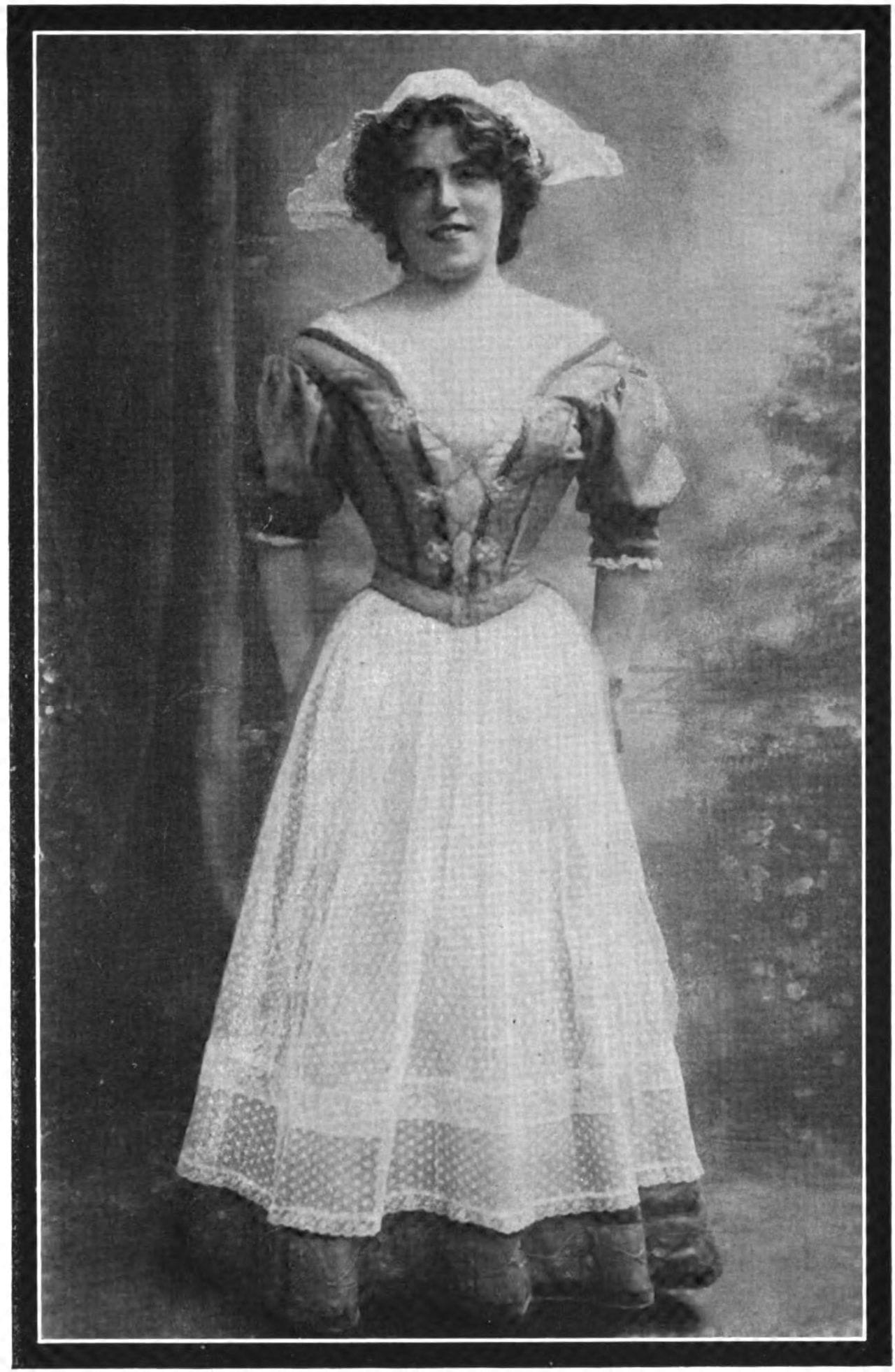
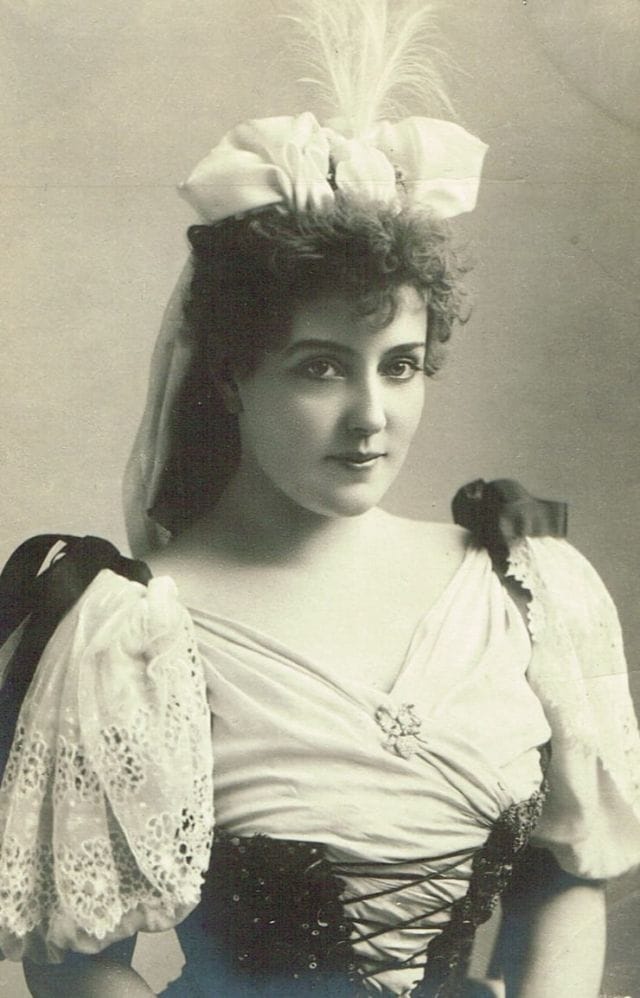
Lillian Russell was not just a singer; she was a style icon. Her image was carefully cultivated and widely disseminated, making her one of the most recognizable faces in America. She epitomized the ideal of feminine beauty during the Gilded Age: a curvaceous figure, a radiant complexion, and an air of effortless elegance. Her fashion choices were meticulously documented and widely imitated, setting trends that influenced women across the nation. Russell understood the power of image and used her clothing and accessories to enhance her stage presence and solidify her status as a cultural icon.
Her signature look involved elaborate gowns that accentuated her hourglass figure. These gowns were often adorned with luxurious fabrics, intricate embroidery, and copious amounts of lace and beading. Russell favored rich colors and dramatic silhouettes that commanded attention and emphasized her femininity. Jewelry was another essential element of her style. Diamonds, pearls, and other precious stones were strategically incorporated into her ensembles, adding to the overall sense of opulence and glamour. She was known for wearing extravagant hats, often adorned with feathers, ribbons, and flowers, which further enhanced her statuesque appearance. Russell’s fashion choices were not simply about aesthetics; they were a statement of her success and her position as a leading figure in the entertainment industry.
Beyond clothing and jewelry, Russell’s beauty regimen was equally influential. She was known for her flawless complexion and her carefully styled hair. Her hair, typically worn in elaborate updos, was a testament to the artistry of hairdressers of the era. Russell’s makeup, though subtle by modern standards, was designed to enhance her natural features and create a sense of timeless beauty. Her image was carefully controlled and marketed, appearing on postcards, advertisements, and magazine covers, solidifying her status as a cultural icon and a symbol of American beauty.
Engineering & Sound Production Analysis
In the era before widespread electronic sound amplification, Lillian Russell's vocal power was a remarkable feat of natural talent and rigorous training. She commanded large theaters without the aid of microphones or loudspeakers, relying solely on her breath control, vocal technique, and the acoustic properties of the performance space. Her ability to project her voice clearly and effectively across vast distances was a testament to her mastery of vocal engineering, albeit in a pre-technological sense.
Russell’s vocal projection was not simply about volume; it was about clarity and resonance. She possessed a deep understanding of how to use her diaphragm and vocal cords to produce a tone that could carry across a room without sounding strained or forced. Her ability to sustain notes, execute complex vocal runs, and maintain her pitch with accuracy, all while projecting her voice to the back of the theater, was a marvel of vocal technique. She would have worked closely with vocal coaches and conductors to optimize her sound production, taking into consideration the acoustic properties of each venue.
The architecture of theaters during the Gilded Age also played a crucial role in sound production. Many theaters were designed with features that enhanced acoustics, such as curved ceilings, ornate plasterwork, and strategically placed reflecting surfaces. Russell would have been acutely aware of these acoustic properties and would have adapted her performance accordingly. While she did not have access to modern sound reinforcement technology, her vocal prowess, combined with the carefully designed acoustics of the theaters in which she performed, allowed her to captivate audiences and solidify her reputation as a vocal phenomenon.
Cultural Impact & Legacy
Lillian Russell's cultural impact extended far beyond the stage. She became a symbol of American success, beauty, and glamour during a period of rapid social and economic change. Her image was widely disseminated, making her one of the most recognizable figures in the United States. Russell's influence on fashion, beauty standards, and popular entertainment was profound and enduring.
She was a pioneer for women in the entertainment industry, demonstrating that women could achieve financial independence and professional success in a field that was traditionally dominated by men. Her high earnings and her extravagant lifestyle challenged societal norms and inspired other women to pursue their dreams. Russell’s embrace of a more voluptuous figure also challenged prevailing beauty standards, offering an alternative to the more slender ideal that was beginning to emerge. She became a role model for women who wanted to embrace their curves and celebrate their femininity.
Beyond her influence on fashion and beauty, Russell also played a role in shaping popular culture. Her performances helped to popularize operetta and light opera among American audiences, making these forms of entertainment more accessible and appealing to a wider range of people. Her success as a performer paved the way for other women to pursue careers in musical theater and entertainment. Her legacy continues to inspire artists and performers today, reminding us of the power of talent, ambition, and a captivating stage presence.
Critical Reception (Then vs Now)
Lillian Russell enjoyed widespread public adoration during her career. Audiences flocked to see her performances, captivated by her beauty, her voice, and her charismatic stage presence. Her popularity was undeniable, and she consistently sold out theaters wherever she performed. However, critical reception to her work was more mixed. While some critics praised her vocal abilities and her captivating stage presence, others found her performances lacking in dramatic depth.
Some critics argued that Russell relied too heavily on her physical appearance and that her acting skills were not as refined as her singing. They suggested that her performances were more about spectacle than substance and that she prioritized glamour over artistic interpretation. However, even her detractors acknowledged her undeniable star power and her ability to connect with audiences on an emotional level. The fact that she consistently packed theaters, despite the occasional critical reservations, suggests that her appeal transcended purely artistic considerations.
In retrospect, Lillian Russell’s contributions to American entertainment are more fully appreciated. While some critics may have dismissed her as a mere "pretty face," her impact on fashion, beauty standards, and popular culture is undeniable. She was a trailblazer for women in the entertainment industry, demonstrating that women could achieve financial independence and professional success. Her vocal abilities, though perhaps not as technically refined as some of her contemporaries, were undeniably captivating and contributed to the popularization of operetta and light opera. Today, Russell is remembered as a symbol of the Gilded Age, a cultural icon whose influence continues to resonate more than a century after her death.
Conclusion
Lillian Russell was more than just a beautiful singer; she was a cultural phenomenon. She embodied the opulence and glamour of the Gilded Age, captivating audiences with her beauty, her voice, and her larger-than-life persona. Her influence extended beyond the stage, shaping fashion trends, epitomizing ideal beauty standards, and paving the way for women in the entertainment industry. While critical reception to her work was mixed during her lifetime, her legacy as a cultural icon and a symbol of American success is undeniable. Lillian Russell’s story serves as a reminder of the power of talent, ambition, and a captivating stage presence, and her influence continues to resonate in the world of entertainment today.