A Glimpse into the Gilded Age: Introducing Lulu Glaser
Lulu Glaser, a name that once echoed through the grand theaters and captivated audiences of the early 20th century, may be less familiar today. Yet, during her reign, she was a true star, a leading lady of operetta and musical comedy whose charm and talent illuminated the American stage. This biography seeks to resurrect her story, exploring her meteoric rise, dissecting her musical style, examining her influence on the fashion of the era, and ultimately, understanding her lasting legacy in the annals of American theatrical history. 1900-1909 Historically, they are inseparable from the identity of the 1900-1909 Music Era.
Born in Allegheny, Pennsylvania, on June 2, 1874, Glaser’s early life was steeped in music. Her mother, an accomplished pianist, recognized and nurtured her daughter's innate talent from a young age. Lulu began vocal training early, revealing a natural soprano voice ideally suited to the burgeoning world of light opera. This early exposure and diligent training laid the foundation for her future success, shaping her vocal prowess and stage presence. While details about her early formal education are scant, it is clear that her artistic development was prioritized, positioning her perfectly for the opportunities that would soon arise.
Glaser’s professional career began in the late 1890s, quickly catapulting her into the limelight. She joined the Bostonians, a renowned light opera company, and made her debut in 1891. This formative experience allowed her to hone her skills alongside seasoned performers, solidifying her stagecraft and building a loyal following. It was a period of intense learning and rapid growth, transforming the young Lulu Glaser into a confident and captivating performer ready to command the stage on her own terms.
The Evolution of a Musical Style: From Operetta to Musical Comedy
Lulu Glaser’s musical style was firmly rooted in the operetta tradition, a genre characterized by its lighthearted narratives, melodic scores, and emphasis on vocal display. However, her career also coincided with the rise of musical comedy, a more distinctly American form that incorporated popular music styles and emphasized humor and spectacle. Glaser skillfully navigated this transition, blending the elegance of operetta with the playful energy of musical comedy to create a unique performance style that resonated with audiences.
Her soprano voice was her defining instrument. Described as bright, clear, and agile, it was perfectly suited to the demands of operetta. She possessed a remarkable ability to execute challenging vocal passages with apparent ease, imbuing each note with warmth and personality. While not known for dramatic depth or complex vocal artistry, she was revered for her charming delivery and ability to connect with audiences on an emotional level. Her phrasing was impeccable, her diction clear, and her stage presence undeniably magnetic.
Key to her success was her repertoire. She starred in numerous productions, many of which were specifically tailored to showcase her talents. Productions like "Erminie," "The Merry Widow Burlesque," and "Dolly Varden" became synonymous with her name. These operettas and musical comedies featured catchy melodies, witty lyrics, and plots that, while often simple, provided ample opportunities for Glaser to showcase her comedic timing and vocal prowess. She was particularly adept at delivering light, humorous songs, often peppered with playful banter and endearing characterizations. Her musical choices reflected a shrewd understanding of her audience’s tastes and desires, ensuring her continued popularity and box office success.
Beyond the specific scores, Glaser infused her performances with a personal touch. While adhering to the conventions of the genre, she brought a unique energy and vitality to each role, imbuing her characters with a relatable charm. This ability to connect with audiences on a personal level was a key ingredient in her enduring appeal.
The 'Look': Fashion & Aesthetics Deep Dive
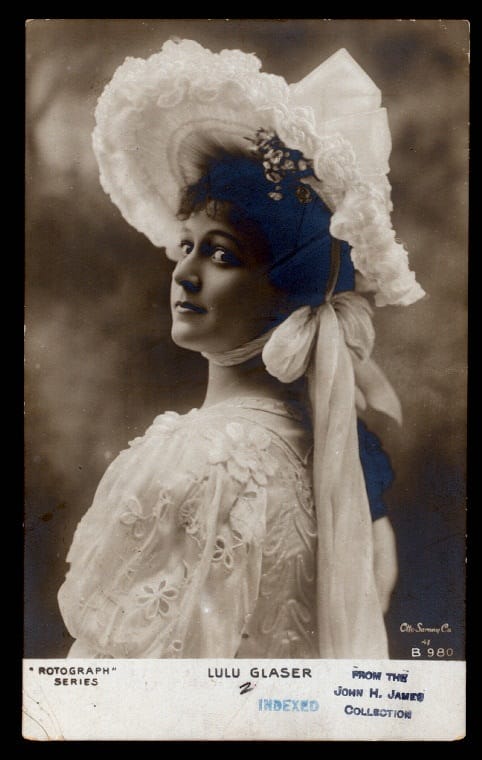
Lulu Glaser was not just a musical performer; she was a fashion icon, embodying the ideals of the Gibson Girl aesthetic that defined the turn of the century. Her image was carefully crafted to project an image of youthful exuberance, refined elegance, and all-American charm. Her influence extended beyond the stage, shaping fashion trends and inspiring women across the country.
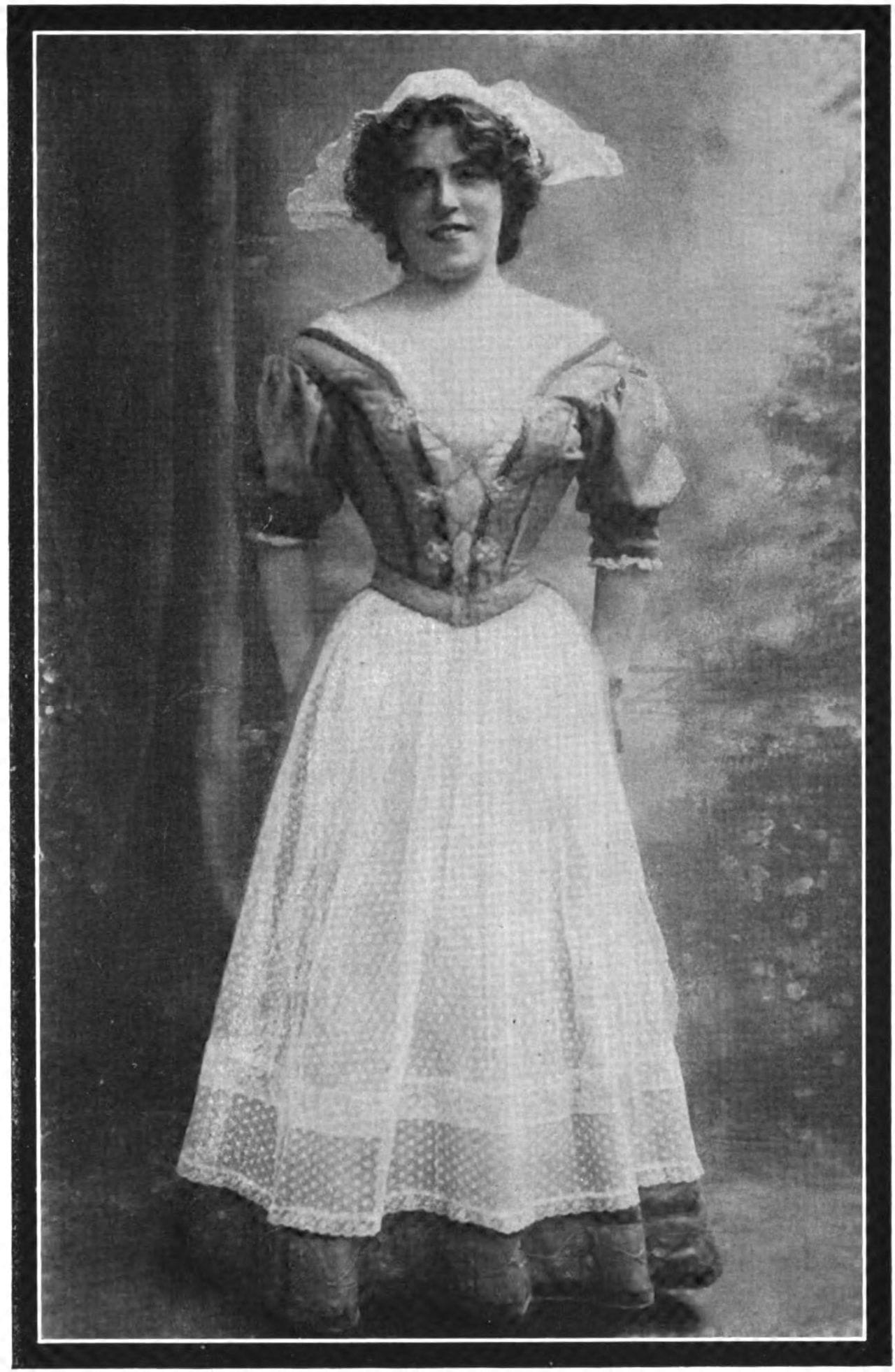
The Gibson Girl, popularized by illustrator Charles Dana Gibson, represented the ideal of feminine beauty in the early 1900s: tall, slender, with an hourglass figure, and a confident, independent spirit. Glaser perfectly embodied this ideal, possessing the graceful physique and radiant beauty that defined the era. She favored elegant gowns that accentuated her figure, often featuring high necklines, puffed sleeves, and intricate embellishments. Corsets were, of course, essential to achieving the desired silhouette. Her gowns were typically made of luxurious fabrics such as silk, satin, and velvet, reflecting her status as a leading lady.
Hats were another crucial element of Glaser’s signature style. She sported elaborate creations adorned with feathers, ribbons, and flowers. These hats were not merely accessories; they were statements, adding a touch of drama and personality to her overall look. Her choice of headwear often influenced popular trends, inspiring women to embrace bolder and more extravagant hat styles.
Her stage costumes were particularly noteworthy. While reflecting the fashions of the day, they were also designed to enhance her performance. Bright colors, shimmering fabrics, and playful details were incorporated to capture the light and create a sense of visual spectacle. She often incorporated elements of popular styles into her stage costumes, directly influencing what her audience would then purchase and wear, further cementing her trendsetter status. Through costume, she amplified the character's personality, ensuring that her appearance contributed to the overall narrative of the performance.
Engineering & Sound Production Analysis: A Voice Amplified
While modern sound recording technology was still in its infancy during Lulu Glaser’s prime, the principles of sound production and vocal projection were well understood and meticulously applied in theatrical settings. Glaser’s success relied not only on her natural talent but also on her technical skill and the acoustic properties of the theaters in which she performed.
Historical accounts consistently praise Glaser's excellent breath control and vocal projection. In an era before microphones, these skills were paramount. She had to be able to project her voice clearly and powerfully enough to reach the back rows of large theaters without straining or losing clarity. This required disciplined training and a deep understanding of vocal technique. Her breath control allowed her to sustain notes, execute complex vocal runs, and deliver long passages without fatigue. Her projection, in turn, ensured that her voice carried effectively throughout the performance space.
The design of the theaters themselves also played a crucial role. The ornate interiors, high ceilings, and carefully angled walls were designed to maximize acoustic resonance, amplifying the voices of the performers and creating a rich, immersive sound experience. Lulu Glaser understood how to use this to her advantage, projecting her voice strategically to leverage the theater's natural acoustics. She utilized a deep understanding of stage placement and projection techniques to ensure every audience member could hear her performance.
Recordings of Lulu Glaser are rare, making a detailed analysis of her vocal technique challenging. However, surviving sheet music and contemporary reviews offer valuable insights. The scores reveal the range and complexity of her repertoire, while the reviews provide anecdotal evidence of her vocal power and clarity. It’s likely that she worked closely with vocal coaches and musical directors to refine her technique and ensure that her voice was perfectly suited to the demands of the stage.
Cultural Impact & Legacy: More Than Just Entertainment
Lulu Glaser’s impact extended beyond the realm of mere entertainment. She was a cultural figure who helped shape the tastes and aspirations of her era. Her success as a female performer in a male-dominated industry challenged traditional gender roles and inspired other women to pursue careers in the arts. She was a symbol of the changing times, embodying the growing independence and ambition of women in the early 20th century.
Her popularity helped to popularize operetta and musical comedy, genres that provided a welcome escape from the social and political anxieties of the time. Her performances offered audiences a lighthearted and optimistic vision of the world, reinforcing values of love, friendship, and happiness. She became a household name, her image gracing magazines, newspapers, and promotional materials. She endorsed products, appeared in advertisements, and even inspired fashion trends. In short, she was a cultural icon who permeated all aspects of popular culture.
While her name may not be as widely recognized today, her legacy lives on in the history of American musical theater. She paved the way for future generations of female performers, demonstrating that women could achieve success and recognition on the stage. Her contribution to the development of musical comedy as a distinctively American art form is also undeniable. She helped to shape the genre's conventions, influencing its style, humor, and overall aesthetic. Her contributions, though often overlooked, are undeniably interwoven into the fabric of American theatrical history.
Critical Reception: Then vs Now
During her career, Lulu Glaser enjoyed widespread critical acclaim and popular adoration. Contemporary critics consistently praised her vivacious stage presence, comedic timing, and charming soprano voice. Her ability to connect with audiences was particularly lauded, with many reviewers noting her infectious enthusiasm and genuine warmth. She was often described as a "sparkling" or "radiant" performer, capturing the essence of her captivating personality.
However, some critics dismissed her material as light and frivolous, arguing that her performances lacked intellectual depth or artistic ambition. These criticisms often reflected the prevailing biases of the time, which tended to undervalue popular entertainment and favor more serious or highbrow forms of art. Some critics also suggested that her success was due more to her beauty and charm than to her actual talent. However, her undeniable popularity with audiences cemented her status as a leading lady, regardless of these dissenting voices.
In retrospect, Lulu Glaser's critical reception is more nuanced. While her contributions to the development of American musical theater are now recognized, she is often overshadowed by more celebrated figures. Modern scholars acknowledge her talent and influence but also acknowledge the limitations of her repertoire and the biases of her time. We can now appreciate her contributions within the context of her era, acknowledging both her strengths and weaknesses.
Today, it’s easier to see past the potential "frivolity" some critics once pointed to and appreciate the sheer skill and artistry involved in delivering performances that consistently delighted audiences. Her ability to command the stage, project her voice without amplification, and infuse her roles with genuine personality is a testament to her talent and dedication.
Conclusion: Remembering a Star
Lulu Glaser was more than just a performer; she was a cultural icon, a fashion trendsetter, and a pioneer for women in the arts. Her story offers a fascinating glimpse into the world of early 20th-century American theater, revealing the tastes, values, and aspirations of a bygone era. While her name may not be as familiar as some of her contemporaries, her contributions to the development of musical comedy and her influence on the fashion of the time are undeniable.
By exploring her life and career, we gain a deeper appreciation for the rich history of American entertainment and the remarkable women who helped to shape it. Lulu Glaser, the sparkling star of the early 1900s stage, deserves to be remembered, not just for her talent and beauty, but for her enduring legacy as a cultural force who helped to define an era.