Comprehensive Introduction
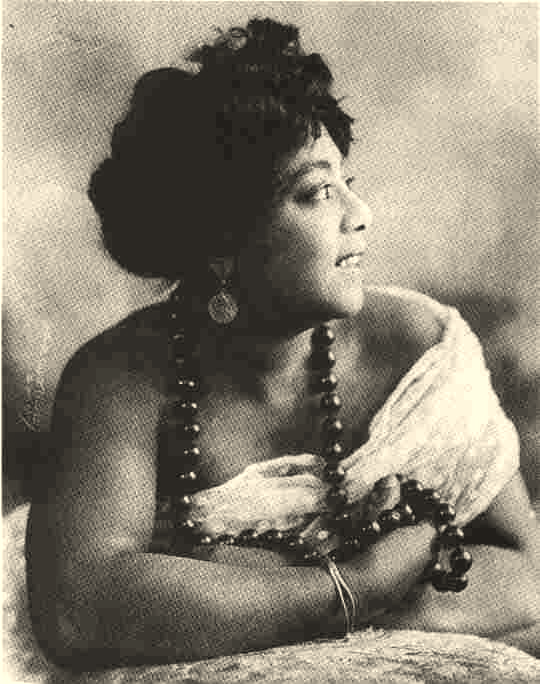
Mamie Smith, though her most significant recordings and widespread recognition arrived in the 1920s, stands as a pivotal figure bridging the gap between late 19th-century vaudeville and the burgeoning blues and jazz scenes of the early 20th century. While the precise details of her activities in the 1900s are not extensively documented through recordings or comprehensive historical accounts, understanding her early career trajectory and the cultural context in which she operated is crucial to appreciating her later groundbreaking achievements. Born Mamie Robinson around 1883 (exact dates vary depending on the source), her entry into the entertainment world occurred in her teenage years, performing as a dancer in various traveling troupes. This formative period laid the groundwork for her later vocal prowess and stage presence. It's important to remember that the entertainment landscape of the early 1900s was vastly different; vaudeville reigned supreme, offering a diverse mix of acts, from singers and dancers to comedians and acrobats. Within this vibrant, though often racially segregated, environment, Smith honed her skills, learning to connect with audiences and navigate the complex social dynamics of the time. 1900-1909 A cornerstone of the 1900-1909 Music Era, their influence echoes to this day.
Although the exact repertoire she performed during this early period remains somewhat obscure, it would undoubtedly have included popular songs of the era, possibly incorporating elements of ragtime, early blues influences, and the sentimental ballads that were common fare. Her exposure to various musical styles and performance techniques during this time undoubtedly shaped her later approach to the blues, imbuing it with a theatrical flair that set her apart. Furthermore, understanding the limitations and prejudices faced by African American performers in the early 20th century is essential to appreciating Smith's determination and ambition. The entertainment industry, like much of American society, was deeply segregated, with limited opportunities for black artists to achieve mainstream success. It was within this challenging environment that Mamie Smith began to build her career, laying the foundation for her eventual breakthrough and the subsequent rise of female blues singers in the recording industry.
In-depth Analysis of Musical Style/Evolution
While concrete recordings from the 1900-1909 period are unavailable to analyze Mamie Smith's specific musical style at that time, inferences can be drawn from the musical landscape of the era and the documented trajectory of her career. Vaudeville was a melting pot of musical genres, and Smith's performances likely incorporated a range of styles, from popular Tin Pan Alley tunes to embryonic forms of blues and ragtime. She would have been exposed to and influenced by the prevailing trends in popular music, adapting her style to suit the tastes of her audiences. It is likely that she possessed a versatile vocal style, capable of delivering both upbeat, danceable numbers and more emotionally resonant ballads. Given her later success with the blues, it is reasonable to assume that she was already experimenting with blues phrasing and vocal techniques during this early period, even if these elements were not yet fully developed.
Furthermore, the influence of ragtime, with its syncopated rhythms and infectious melodies, would have been undeniable. Ragtime was immensely popular in the early 1900s, and its influence can be heard in many early jazz recordings. It is highly probable that Smith incorporated ragtime elements into her performances, whether through her vocal delivery or the accompaniment of the musicians she worked with. Her later recordings demonstrate a clear understanding of musical structure and arrangement, suggesting that she had already developed a solid foundation in musical theory and practice during her formative years. Moreover, the development of the blues itself during this period is crucial to understanding Smith's musical evolution. The blues was emerging as a distinct genre, evolving from African American folk traditions and work songs. Although it is impossible to say with certainty whether Smith was already performing blues songs in their fully formed state during the 1900s, it is highly likely that she was familiar with the underlying musical principles and the emotional content that would later define the blues genre.
Ultimately, Mamie Smith's early musical style was likely a blend of popular song, ragtime influences, and nascent blues elements, all delivered with a theatrical flair honed through years of vaudeville performance. This eclectic mix of influences would later coalesce into her signature style, which helped to popularize the blues on a national scale and pave the way for countless other female blues singers.
The 'Look': Fashion & Aesthetics Deep Dive
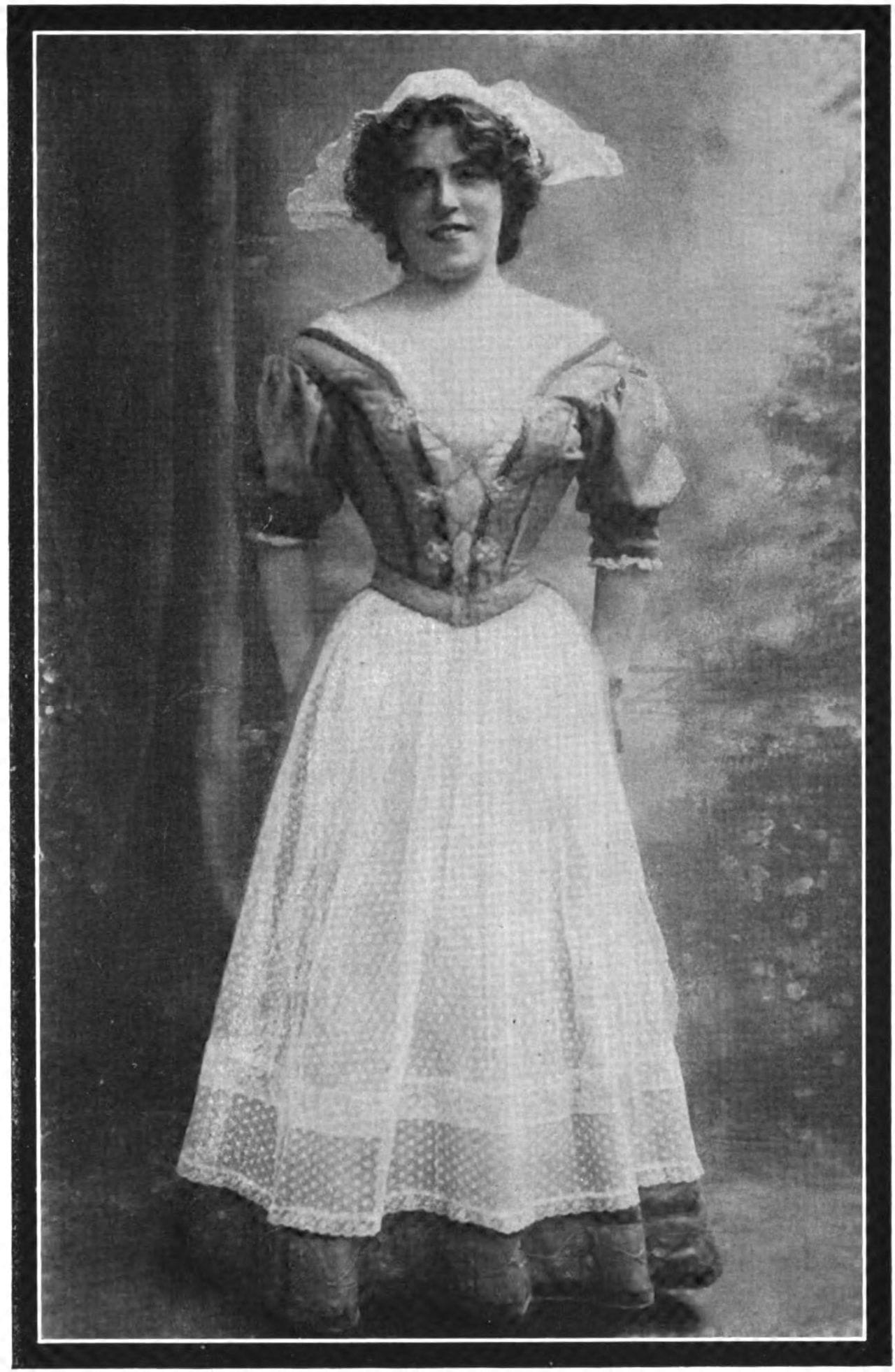
Though specific documentation of Mamie Smith's stage attire from the 1900s is scarce, understanding the fashion and aesthetic conventions of the vaudeville era provides valuable insight. Vaudeville performers were expected to present a polished and glamorous image, reflecting the aspirations of their audiences. For female performers like Smith, this typically meant elaborate gowns, stylish headwear, and carefully applied makeup. The "Gibson Girl" look, popularized by illustrator Charles Dana Gibson, was still prevalent, characterized by a tall, slender figure, a high neckline, and an upswept hairstyle. However, vaudeville fashion also incorporated elements of theatricality, with performers often wearing costumes designed to enhance their stage presence and create a sense of spectacle.
It is likely that Smith's early stage attire reflected these trends, featuring long, flowing gowns adorned with sequins, beads, or other embellishments. Headwear, such as hats, turbans, or elaborate hair ornaments, would have been an essential part of her look, adding to her overall sense of glamour and sophistication. Makeup would have been used to accentuate her features and create a strong visual impact under the bright stage lights. Given the racial segregation of the time, it is important to consider how Smith may have navigated the complex social dynamics of the vaudeville stage through her appearance. While she undoubtedly sought to emulate the glamorous image of white female performers, she also likely incorporated elements of her own cultural identity into her style, subtly challenging prevailing norms and asserting her presence as a black woman in a predominantly white entertainment world.
Furthermore, the practical considerations of vaudeville performance would have influenced her choice of attire. Costumes needed to be durable, comfortable, and easy to move in, allowing Smith to execute her dance steps and vocal performances without restriction. The overall aesthetic was one of refined elegance blended with a touch of theatrical extravagance, designed to captivate audiences and create a memorable visual experience. The fashion of the time was an integral part of the performance, contributing to the overall atmosphere and enhancing the performer's connection with the audience.
Engineering & Sound Production Analysis
Because the period under consideration predates Mamie Smith's groundbreaking recordings, direct analysis of her sound production within a recorded context is impossible. However, extrapolations can be made based on the technological limitations and acoustic environments of the time. Vaudeville stages lacked sophisticated sound reinforcement systems, meaning that performers had to rely on their natural vocal projection to reach the audience. Smith, as a seasoned vaudeville performer, would have developed strong vocal control and projection techniques to ensure that her voice carried effectively throughout the theater. She would have learned to use her diaphragm to maximize her lung capacity and project her voice without straining her vocal cords.
The acoustic characteristics of vaudeville theaters also would have influenced Smith's vocal delivery. These theaters often had live acoustics, with sound reverberating off the walls and ceilings. This meant that performers had to be careful to enunciate clearly and avoid singing too loudly, which could result in a distorted or muddy sound. Furthermore, the absence of microphones meant that instrumental accompaniment had to be carefully balanced to avoid overpowering the singer's voice. Orchestras or small ensembles would have been positioned strategically on the stage to ensure that the sound was evenly distributed throughout the theater. Although details of her performance locations are sparse for this early period, we can extrapolate from the performance spaces of the time, assuming certain conventions such as the depth of the stage, proximity to the audience, and the general volume requirements for musical performance.
While specific sound engineering techniques were not yet in play, the very principles of live performance in such venues demanded a careful understanding of vocal and instrumental balance, acoustic awareness, and the projection of sound. These demands likely contributed significantly to the development of Smith's vocal technique and her ability to connect with audiences on an emotional level. In essence, her voice was the primary instrument, expertly crafted to overcome the limitations of the era and resonate with the listeners in a powerful and engaging way.
Cultural Impact & Legacy
Although Mamie Smith's most significant contributions to music history occurred later, her activities in the 1900s laid the groundwork for her eventual cultural impact and enduring legacy. By performing in vaudeville theaters and building a following, she helped to create a space for black female performers in the entertainment industry. She defied racial and gender stereotypes, demonstrating that African American women could be successful and respected entertainers. Her early career paved the way for other female blues singers, such as Bessie Smith, Ma Rainey, and Ida Cox, who would go on to achieve even greater fame and influence.
Furthermore, Smith's exposure to various musical styles and performance techniques during this early period shaped her later approach to the blues. She brought a theatrical flair and a sense of showmanship to her performances, which helped to popularize the blues on a national scale. Her recordings, which began in 1920, were among the first commercially successful recordings by a black female singer, opening up new opportunities for other African American artists. In essence, her early career provided the vital experience and stage presence that enabled her to become a pioneering force in the recording industry. She not only shattered racial barriers but also established a new paradigm for female performers in popular music.
Mamie Smith's cultural impact extends beyond her musical achievements. She became a symbol of black empowerment and a role model for aspiring female performers. Her success demonstrated that it was possible to overcome adversity and achieve one's dreams, regardless of race or gender. Her legacy continues to inspire artists and performers today, who look to her as a pioneer and a trailblazer. She demonstrated that the combination of talent, perseverance, and a willingness to challenge the status quo can have a profound impact on the world.
Critical Reception (Then vs Now)
Given the historical context, direct critical reception from Mamie Smith's earliest performance period is limited. Newspaper reviews and anecdotal accounts, if they existed, likely focused on the overall vaudeville show rather than individual performers, particularly African American ones. Mainstream critical attention was largely reserved for white entertainers. However, word-of-mouth and local popularity would have been crucial to her success, as audiences responded to her talent and stage presence. It is reasonable to assume that she garnered positive attention from within the African American community, where her performances would have been viewed as a source of pride and inspiration.
In contrast, modern critical reception of Mamie Smith focuses on her groundbreaking role in popularizing the blues and paving the way for future generations of female artists. She is now recognized as a pioneer who challenged racial and gender barriers and helped to shape the sound of American music. Music historians and critics celebrate her versatility, her stage presence, and her contributions to the development of the blues genre. Her recordings are considered essential listening for anyone interested in the history of American music. The modern perspective emphasizes her importance as a cultural icon and a symbol of black empowerment.
The shift in critical reception reflects a growing awareness of the contributions of African American artists to American culture and a greater appreciation for the challenges they faced. While Smith's early performances may have gone largely unnoticed by the mainstream press, her legacy has been reassessed and celebrated in recent years. Her story serves as a reminder of the importance of recognizing and honoring the contributions of all artists, regardless of their race or gender.
Conclusion
While concrete documentation of Mamie Smith's career during the 1900s remains limited, it is crucial to acknowledge this formative period as the foundation upon which her later success was built. Her years spent honing her craft on the vaudeville circuit, navigating the complexities of a racially segregated entertainment industry, and absorbing a diverse range of musical influences, all contributed to her development as a performer and a cultural figure. Understanding this early context allows us to appreciate the magnitude of her later achievements and her enduring legacy as a pioneer of the blues and a trailblazer for female artists. Her early work, though less documented, was essential in her development. The 1900s were her training ground, shaping her into the icon she would become.
Mamie Smith's story is not just a story of musical talent; it is a story of resilience, determination, and the power of art to transcend social barriers. By acknowledging her early struggles and triumphs, we can gain a deeper understanding of her significance and her lasting impact on American music and culture. Her contributions continue to resonate today, inspiring artists and challenging us to create a more inclusive and equitable world.