A Voice from the Golden Dawn of Tango
Manuel Romain, a name perhaps less widely known today than some of his contemporaries, was nonetheless a vital figure in the burgeoning world of Argentine tango during the 1910s. This was a period of intense creative ferment, as tango was transforming from a marginalized dance of the Buenos Aires underworld into a nationally and internationally recognized art form. Romain's contributions as a singer helped to define the very sound of early tango, imbuing it with the characteristic passion, drama, and melancholy that would become its hallmarks. His voice, resonant and emotionally charged, captured the spirit of a city grappling with rapid social and economic change, a city where the longing for love, the sting of betrayal, and the bittersweet memories of the past found their most eloquent expression in the music of the tango. 1910-1919 A cornerstone of the 1910-1919 Music Era, their influence echoes to this day.
While precise biographical details about Romain's early life remain somewhat scarce, his emergence as a popular performer coincided with tango's ascent to respectability. He was part of a generation of artists who helped to bridge the gap between the tango's origins in the brothels and working-class neighborhoods of Buenos Aires and its eventual acceptance by the city's elite. Through his recordings and live performances, Romain brought tango to a wider audience, solidifying its place in the cultural landscape of Argentina and paving the way for future generations of tango singers.
In-depth Analysis of Musical Style/Evolution
Romain's musical style was firmly rooted in the early traditions of tango, characterized by its simplicity and directness. Unlike later tango singers who adopted more elaborate vocal techniques and dramatic interpretations, Romain's approach was more understated, allowing the inherent emotion of the music to speak for itself. His delivery was passionate but controlled, conveying a sense of vulnerability and authenticity that resonated deeply with his audiences.
His repertoire consisted primarily of classic tangos from the era, songs that told stories of love, loss, and the struggles of everyday life. Many of these songs were characterized by their melancholic melodies and poignant lyrics, reflecting the often-harsh realities of urban life in Buenos Aires. Romain's voice, with its rich timbre and expressive phrasing, brought these stories to life, transforming them into powerful emotional experiences for the listener. He navigated the subtle nuances of the lyrics with skill, emphasizing key words and phrases to maximize their emotional impact. It wasn't about showing off vocal pyrotechnics; it was about channeling the heart and soul of the tango.
The instrumentation typically accompanying Romain's vocals would have been relatively sparse, often featuring a bandoneon, guitar, and perhaps a violin. These instruments provided a simple but effective backdrop for his voice, allowing it to remain the focal point of the performance. The rhythmic structure of the music was also relatively straightforward, reflecting the danceable nature of early tango. This stripped-down approach, devoid of the more complex arrangements that would characterize later tango styles, allowed Romain's vocal performance to truly shine, showcasing his ability to convey complex emotions through simple and direct means. His influence can be heard in the later singers who also prioritized emotive delivery and a close connection to the lyric.
The 'Look': Fashion & Aesthetics Deep Dive
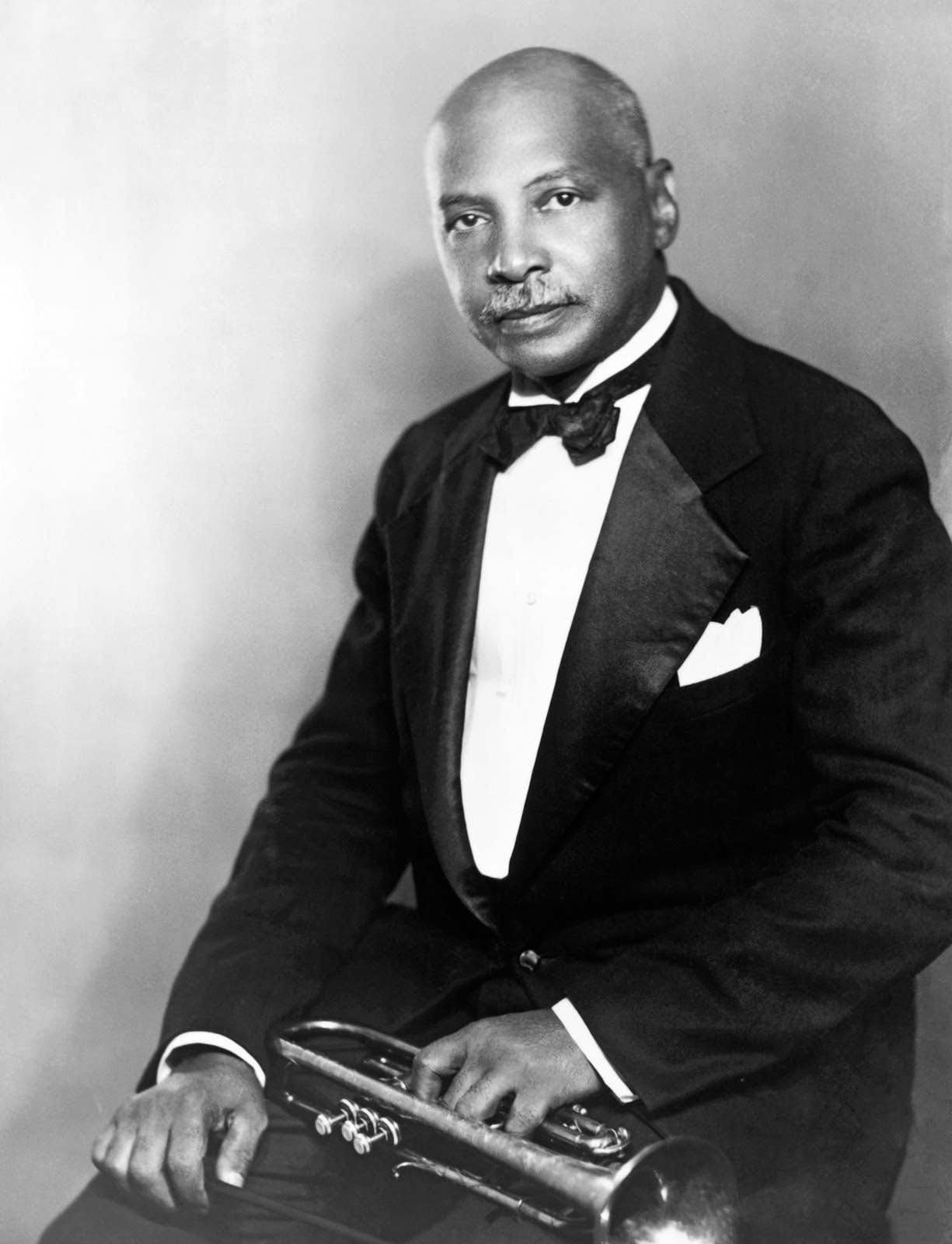
Manuel Romain was undoubtedly a dapper figure, reflecting the sophisticated elegance that was becoming increasingly associated with the tango scene of the 1910s. The photographs and descriptions available paint a picture of a man who took pride in his appearance, understanding the importance of visual presentation in shaping his public image.
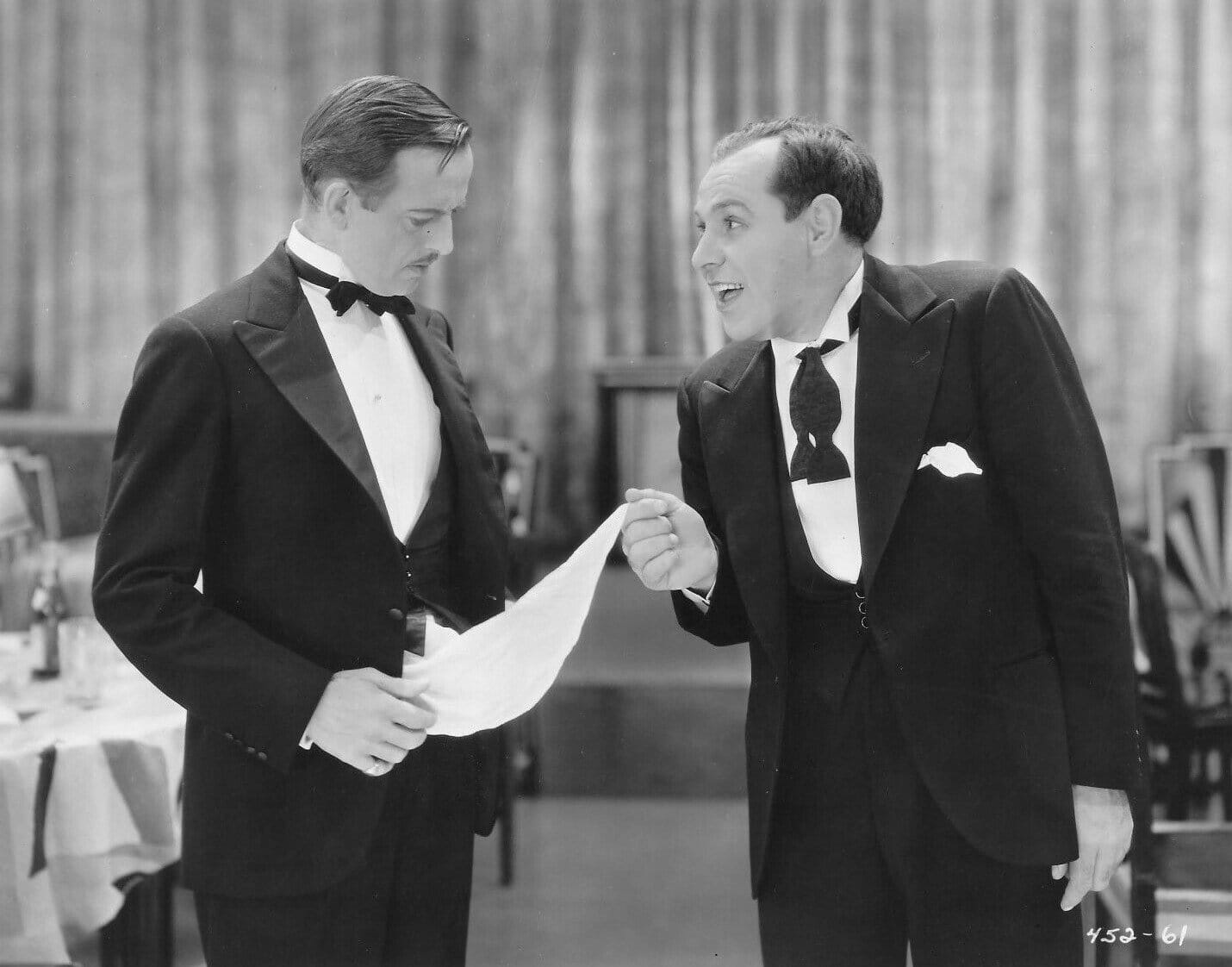
His typical attire likely consisted of tailored suits in dark colors such as black, navy, or charcoal gray. These suits, often featuring a three-piece design, would have been impeccably fitted, emphasizing his silhouette and projecting an image of confidence and refinement. A crisp white shirt and a carefully chosen bow tie completed the look, adding a touch of formality and elegance. The bow tie, rather than a traditional necktie, was a common accessory for men of the era, adding a touch of playful sophistication to the overall ensemble.
Beyond the clothing itself, Romain's grooming and posture would have contributed significantly to his overall aesthetic. His hair would have been neatly styled, perhaps with a touch of pomade to keep it in place. A well-groomed mustache, a popular facial hair style of the time, may have added to his air of sophistication. His posture, upright and confident, would have projected an image of self-assurance and authority, commanding attention both on and off the stage. He understood that the image was part of the performance, enhancing the overall experience for the audience. This careful attention to detail reflected the growing professionalization of the tango scene and the desire of its performers to be seen as respectable artists.
Engineering & Sound Production Analysis
It is crucial to remember the limitations of recording technology during Manuel Romain's era. The early 1910s represented a very primitive stage in sound recording, primarily relying on acoustic methods. This meant that Romain would have likely recorded directly onto wax or shellac discs, using a purely mechanical process. He would have sung into a large horn, which concentrated the sound waves and vibrated a stylus that cut the grooves into the recording medium.
Given these constraints, the quality of Romain's recordings is remarkable. The clarity and resonance of his voice are testament to both his vocal talent and the skill of the recording engineers. While the recordings may lack the dynamic range and frequency response of modern recordings, they nonetheless capture the essence of his performance with remarkable fidelity. The simplicity of the recording process also highlights the raw emotion and authenticity of his performances, allowing his voice to shine through without the artificial enhancements of modern production techniques.
Furthermore, the acoustic nature of the recordings provides a valuable glimpse into the performance spaces of the time. The subtle reverberation and ambient noise captured in the recordings offer a sense of atmosphere, transporting the listener back to the smoky cafes and dance halls of early 20th-century Buenos Aires. These recordings are not just documents of Romain's vocal talent; they are sonic snapshots of a bygone era, offering a unique window into the world of early tango. The limitations of the technology, paradoxically, contribute to the power and immediacy of the listening experience.
Cultural Impact & Legacy
Manuel Romain's contribution to the cultural landscape of Argentina during the 1910s cannot be overstated. He was a vital part of the tango's transformation from a marginalized form of entertainment to a nationally recognized and celebrated art form. Through his recordings and live performances, he helped to popularize tango among a wider audience, solidifying its place in the cultural identity of Argentina.
His passionate and expressive vocal style helped to define the very sound of early tango, influencing generations of singers to come. His interpretations of classic tangos captured the spirit of the era, reflecting the hopes, dreams, and struggles of a rapidly changing society. His songs provided the soundtrack for countless couples exploring the passionate and intimate movements of early tango, contributing to the dance's growing popularity and cultural significance.
While his name may not be as instantly recognizable as some of the later tango legends, Manuel Romain played a crucial role in laying the foundation for their success. He was a pioneer, a trailblazer who helped to pave the way for the golden age of tango that would follow in the decades to come. His legacy lives on in the recordings that preserve his voice and his contribution to the rich and vibrant history of Argentine tango. He helped elevate tango to a symbol of national identity, a source of pride and passion for the Argentine people.
Critical Reception (Then vs Now)
While specific critical reviews from the time are scarce, due to the limited availability of journalistic archives and the ephemeral nature of performance reviews in the early 20th century, there is ample evidence to suggest that Manuel Romain was well-regarded by the Argentine public. He was a popular and respected performer within Buenos Aires' thriving musical landscape, drawing crowds to his live performances and selling records to a growing fan base.
The lack of detailed critical analysis from the era does not diminish his significance. In the absence of formal reviews, we can infer his popularity from the sheer volume of recordings he made and the frequency with which his name appears in advertisements and performance listings of the time. He was clearly a sought-after performer, suggesting that his talent and artistry were appreciated by audiences.
Today, Manuel Romain is remembered as an important figure in the early development of tango. While he may not be as widely known as some of the later tango stars, his contributions are recognized by music historians and tango enthusiasts alike. His recordings are valued for their historical significance and for the glimpse they offer into the world of early tango. He is seen as a key figure in the evolution of tango singing, a bridge between the raw, unrefined styles of the genre's origins and the more polished and sophisticated approaches that would emerge later. He is an integral part of the narrative of tango, a voice that helped to shape its identity and secure its place in the cultural history of Argentina.
Conclusion
Manuel Romain's story is a testament to the power of music to capture the spirit of a time and place. As a prominent tango singer in the 1910s, he played a vital role in shaping the sound and identity of this iconic Argentine art form. His passionate vocals, combined with his stylish presentation, helped to elevate tango from the margins of society to the center stage of Argentine culture. While the limitations of early recording technology present challenges to fully appreciating his artistry, the recordings that survive offer a valuable glimpse into his talent and the vibrant world of early tango.
His legacy extends beyond his individual performances. He helped to pave the way for future generations of tango singers, influencing their styles and inspiring them to continue exploring the emotional depths of the genre. He is a crucial link in the chain of tango history, a reminder of the humble beginnings from which this globally recognized art form emerged. Manuel Romain's voice may not be as widely celebrated as some of his contemporaries, but his contribution to the rich tapestry of Argentine tango remains undeniable. He was a voice of his time, a voice that helped to define the sound of tango, and a voice that continues to resonate with those who appreciate the history and artistry of this timeless music.