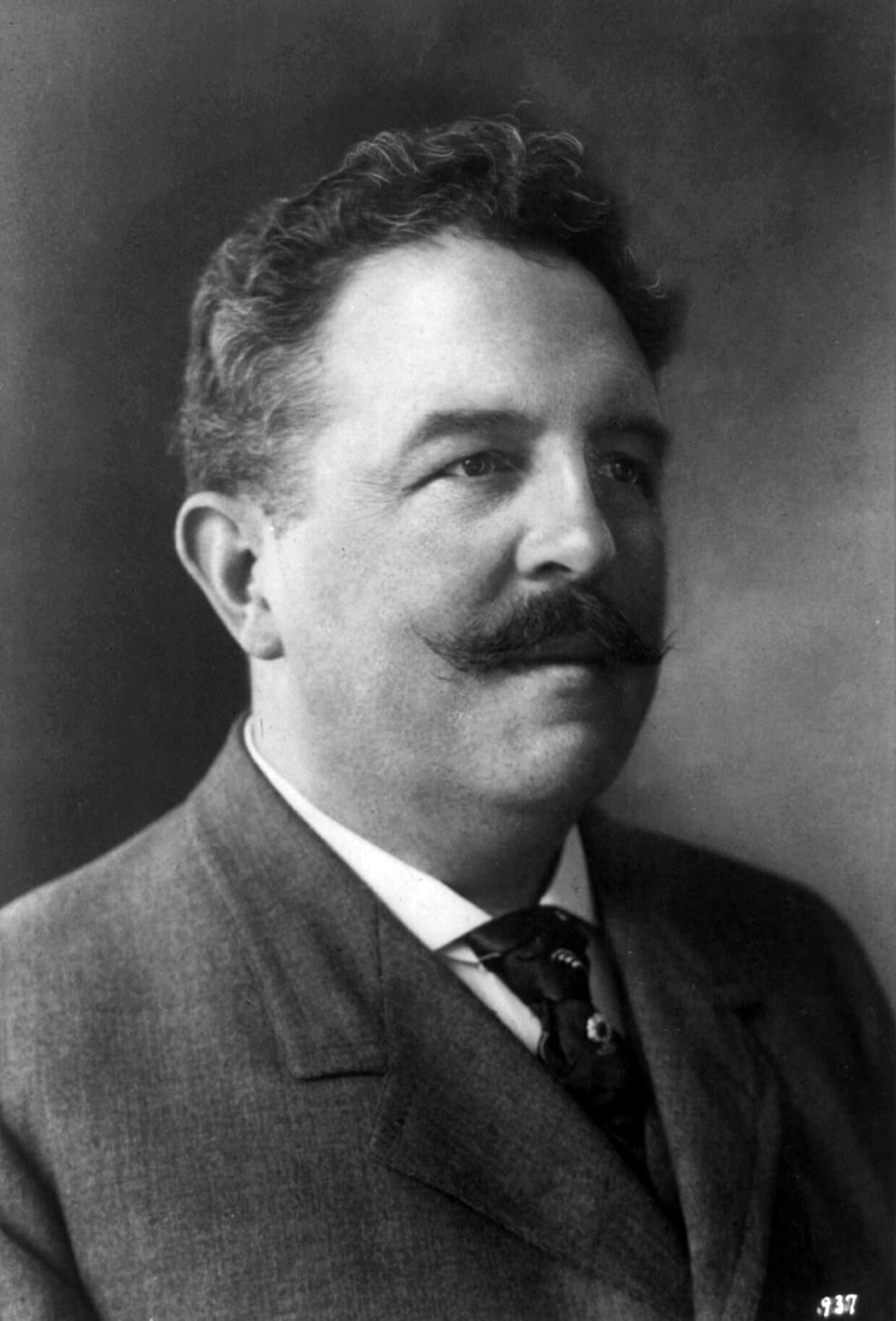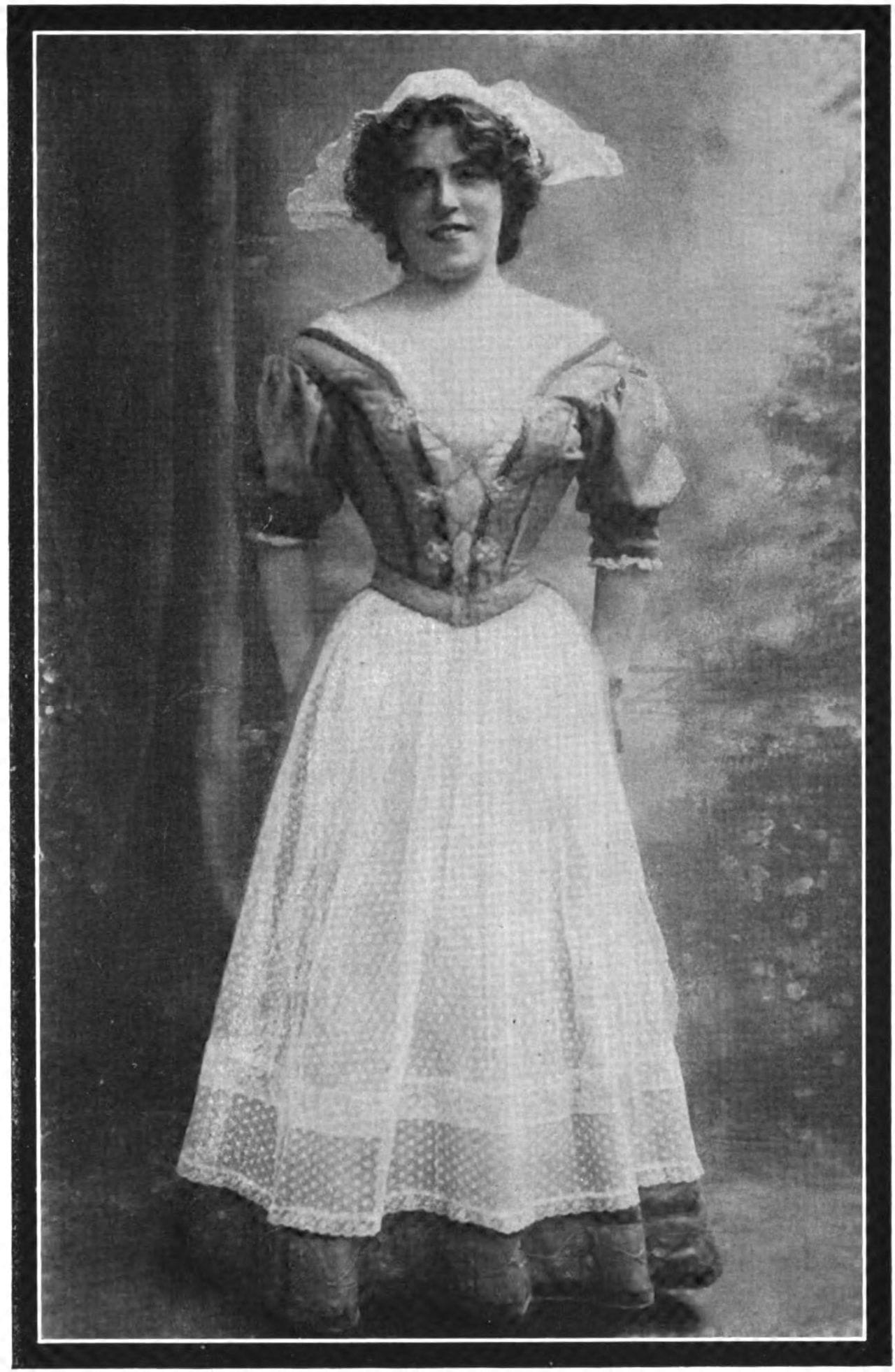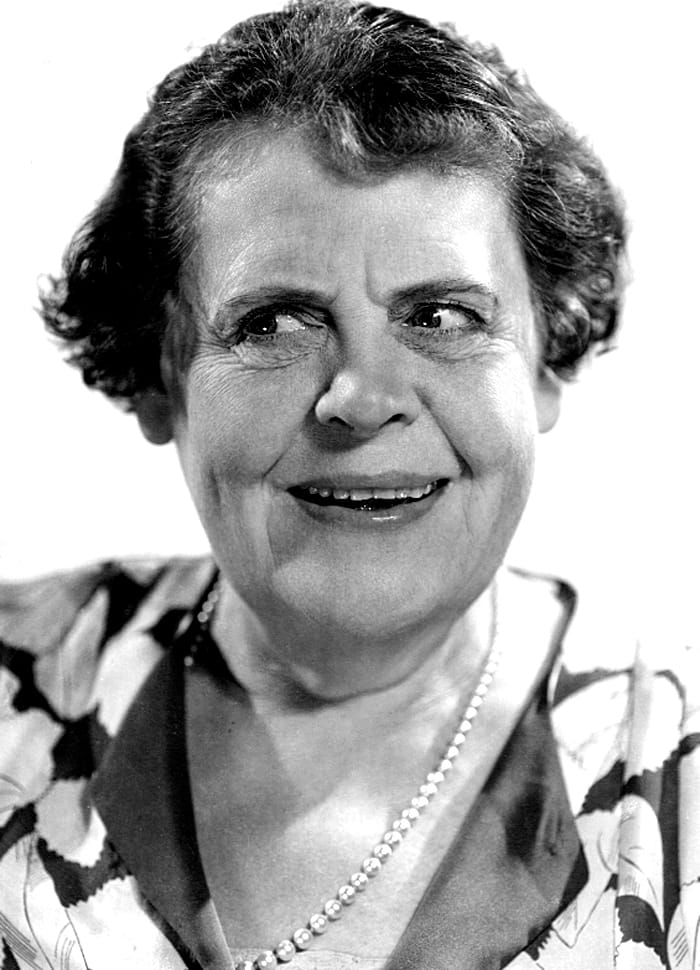
Before the advent of “talkies” catapulted her to international fame, Marie Dressler was a reigning queen of vaudeville and a familiar face in the burgeoning world of silent film. Born Leila Marie Koerber in Cobourg, Ontario, Canada, in 1868, Dressler's journey to stardom was a testament to her unyielding spirit, innate comedic talent, and shrewd understanding of the evolving entertainment landscape of the late 19th and early 20th centuries. Her story is not just one of personal triumph, but also a reflection of the cultural shifts that defined an era, marking the transition from the music hall to the motion picture palace. 1900-1909 Their unique style helped define the boundaries of the 1900-1909 Music Era.
From Cobourg to Center Stage: The Early Years
Driven by a desire to escape a life of poverty, Dressler began her theatrical career at the remarkably young age of 14. She initially toured with a traveling opera company, honing her vocal skills and stage presence. However, it was in vaudeville that Dressler truly found her niche. She quickly recognized the power of humor and developed a distinctive comedic style characterized by its broad physical comedy, sharp wit, and ability to connect with audiences from all walks of life. These early experiences in vaudeville provided the bedrock for her later success, instilling in her a relentless work ethic and a deep understanding of what captivated audiences.
In-depth Analysis of Musical Style/Evolution
While Marie Dressler is primarily remembered for her comedic acting, her vaudeville roots were deeply intertwined with music. She frequently integrated musical numbers into her acts, demonstrating a versatility that extended beyond simple jokes and slapstick. Her musical style was less about technical virtuosity and more about character-driven expression. Songs were often employed to enhance comedic scenarios or to offer satirical commentary on social norms. Dressler didn’t possess a classically trained voice, but she wielded her naturally powerful voice with confidence and charisma, projecting it effectively even in large theaters that lacked sophisticated amplification. The songs she performed, often specially written for her by various composers, mirrored the comedic slant of her performances. These weren't operatic arias; they were lighthearted tunes designed to elicit laughter and reinforce the humorous personas she embodied. As her career progressed, and her act became more refined, her musical numbers became more integrated into the overall comedic narrative, solidifying her reputation as a complete entertainer capable of engaging audiences on multiple levels.
The 'Look': Fashion & Aesthetics Deep Dive
Marie Dressler’s stage persona was inextricably linked to her fashion choices. She understood the power of visual comedy and meticulously crafted a "look" that amplified her comedic impact. In the early 1900s, this often meant embracing exaggerated silhouettes and extravagant accessories. Voluminous dresses, often adorned with ruffles, ribbons, and other embellishments, were a staple of her wardrobe. Elaborate hats, sometimes bordering on the absurd, further accentuated her larger-than-life characters. This was not about high fashion in the traditional sense; it was about creating a visual spectacle that immediately signaled to the audience that they were in for a comedic experience. Her choices were deliberate; they were designed to draw attention and to prepare the audience for laughter. She used clothing to create memorable characters, often playing against conventional notions of beauty and elegance. Dressler’s commitment to her aesthetic, combined with her inherent talent, created a persona that was instantly recognizable and deeply appealing to audiences. She wasn't afraid to make herself the butt of the joke, using fashion as a tool to further enhance the comedic impact of her performances. In many ways, her fashion sense anticipated the self-deprecating humor that would become a hallmark of later female comedians.
Engineering & Sound Production Analysis
Marie Dressler’s career flourished during a period of significant technological advancement in sound production. While she achieved superstardom after the advent of sound in film, her earlier vaudeville days relied on more rudimentary forms of amplification. The challenge for performers like Dressler was to project their voices effectively in large theaters without the benefit of modern sound systems. Accounts from the era suggest that Dressler possessed an exceptionally strong and clear voice, capable of filling a room with relative ease. Her performance style likely incorporated techniques to maximize projection, such as clear enunciation, controlled breathing, and strategic use of pauses. While she didn't benefit from the sophisticated microphones and sound mixing of today, Dressler's natural talent and stagecraft allowed her to command audiences and deliver her comedic lines and songs with impact. It's also likely that theaters of the time were designed to optimize acoustics, with architectural features intended to amplify sound. In essence, Dressler's success in vaudeville was a testament to her ability to work within the limitations of the available technology and to leverage her natural talents to overcome those limitations.
Cultural Impact & Legacy
Marie Dressler's impact on popular culture extended far beyond her individual performances. She helped to shape the comedic landscape of the early 20th century, paving the way for future generations of female comedians. In an era when women were often relegated to stereotypical roles, Dressler challenged expectations by portraying strong, independent, and often unconventional characters. She demonstrated that women could be funny, intelligent, and capable of commanding an audience. Her success in vaudeville, followed by her transition to silent film, made her a household name and a role model for aspiring performers. Her legacy also lies in her ability to bridge the gap between vaudeville and film. She brought the energy, spontaneity, and direct audience connection of vaudeville to the silver screen, infusing her film roles with a unique blend of humor and pathos. While the specifics of her vaudeville performances are now lost to time, her influence can still be felt in the spirit of many contemporary comedians who embrace physical comedy, character-driven humor, and a willingness to subvert expectations. Her later success in sound films, earning an Academy Award for her performance in "Min and Bill" (1930), cemented her place in cinematic history.
Critical Reception (Then vs Now)
Marie Dressler's early vaudeville performances received a varied critical reception. Some critics lauded her comedic timing, her ability to connect with audiences, and her overall stage presence. They praised her for her originality and her willingness to push boundaries. Others, however, found her style too broad or exaggerated. Some critics felt that her physical comedy was sometimes over the top, and that her character work lacked subtlety. These criticisms often reflected the differing tastes of the time, with some preferring a more refined and understated style of humor. However, even those who were initially critical often acknowledged Dressler's undeniable talent and her ability to captivate an audience. Today, Dressler's vaudeville performances are viewed through a different lens. Modern critics recognize her as a trailblazer who defied gender stereotypes and helped to shape the comedic landscape of the early 20th century. Her broad physical comedy is now appreciated as a form of artistic expression, and her willingness to challenge conventions is seen as a sign of her originality. While some may still find her style somewhat dated, there is a general consensus that Dressler was a gifted performer who deserves to be remembered for her contributions to the world of entertainment.
Conclusion
Marie Dressler's journey from a struggling teenager to a celebrated star of vaudeville and silent film is a remarkable story of talent, perseverance, and adaptability. She was a pioneer who helped to redefine the role of women in comedy and entertainment, proving that women could be funny, intelligent, and capable of captivating audiences of all ages. Her ability to seamlessly transition between vaudeville and film, and her enduring legacy as a comedic icon, are a testament to her extraordinary talent and her profound impact on popular culture. Though her early vaudeville acts are now historical artifacts, her spirit of innovation and her commitment to entertaining audiences continue to inspire performers today. Marie Dressler was more than just a comedienne; she was a cultural force who helped to shape the entertainment landscape of the early 20th century.