Marion Harris, though often overshadowed by later blues and jazz icons, stands as a pivotal figure in the popularization of these genres during the formative years of the 1910s. A white singer who embraced and interpreted blues and early jazz with remarkable success, Harris navigated the complex cultural landscape of the era, leaving behind a discography that showcases a unique vocal talent and a keen understanding of the burgeoning musical trends. Her journey, from vaudeville stages to recording studios, offers a fascinating glimpse into the evolution of American popular music and the cross-cultural exchange that shaped its development.
Comprehensive Introduction
Born Mary Ellen Harrison in Indiana in 1896, Marion Harris began her career in the vibrant world of vaudeville. This diverse and often raucous entertainment landscape provided a fertile ground for young performers to hone their skills and connect with a wide audience. It was here that Harris first began to experiment with different musical styles, absorbing the sounds of ragtime, popular song, and, crucially, the emerging blues. Unlike many of her contemporaries who stuck rigidly to established Tin Pan Alley formulas, Harris demonstrated a willingness to embrace new sounds, a quality that would define her career. 1910-1919 A cornerstone of the 1910-1919 Music Era, their influence echoes to this day.
Her recording career took off in the late 1910s, a period of significant change in the music industry. The rise of commercial recordings allowed artists to reach audiences far beyond the confines of the vaudeville circuit. Harris quickly capitalized on this opportunity, signing with Victor Talking Machine Company, one of the leading record labels of the time. Her early recordings, while rooted in popular song, began to incorporate blues inflections and phrasing, setting her apart from other female vocalists of the era. It was this distinctive blend of styles that earned her the moniker "The Queen of the Blues," a title that, while perhaps problematic in retrospect, speaks to the impact she had on popularizing the genre.
In-depth Analysis of Musical Style/Evolution
Marion Harris's musical style can be characterized by its unique blend of popular song structures with blues sensibilities. She wasn't a traditional blues singer in the mold of Bessie Smith or Ma Rainey, but she possessed a remarkable ability to interpret blues material and adapt it to a wider audience. Her phrasing, characterized by subtle slides and bends, echoed the vocal techniques of blues singers, while her song selection often leaned towards themes of heartbreak, longing, and resilience, common in the blues tradition. A crucial element in her success was her ability to navigate the complexities of performing a Black genre as a white woman, acknowledging the roots of the music while also making it accessible to a broader, predominantly white, audience.
Key to understanding Harris's stylistic evolution is examining her discography. Early recordings showcase her mastery of popular song, with clear diction and a focus on melody. As her career progressed, however, the influence of blues became increasingly evident. Songs like "I Ain't Got Nobody Much" (also known as "I Ain't Got Nobody") and "After You've Gone" demonstrate this shift, with Harris incorporating blues inflections and improvisational elements into her vocal delivery. These songs weren't simply covers; they were interpretations that reflected her understanding and appreciation of the blues idiom. She also recorded original compositions that incorporated blues elements, further solidifying her position as a significant interpreter of the genre. Her piano accompaniment, often simplistic, was usually handled by capable session musicians, and added another layer to the musicality, supporting her vocals without overshadowing them.
Her approach to song selection was also significant. She often chose songs that were already popular but imbued them with her unique vocal style, adding a bluesy edge that distinguished them from other versions. This shrewd understanding of the popular music market, combined with her genuine appreciation for the blues, allowed her to carve out a unique niche for herself.
The 'Look': Fashion & Aesthetics Deep Dive
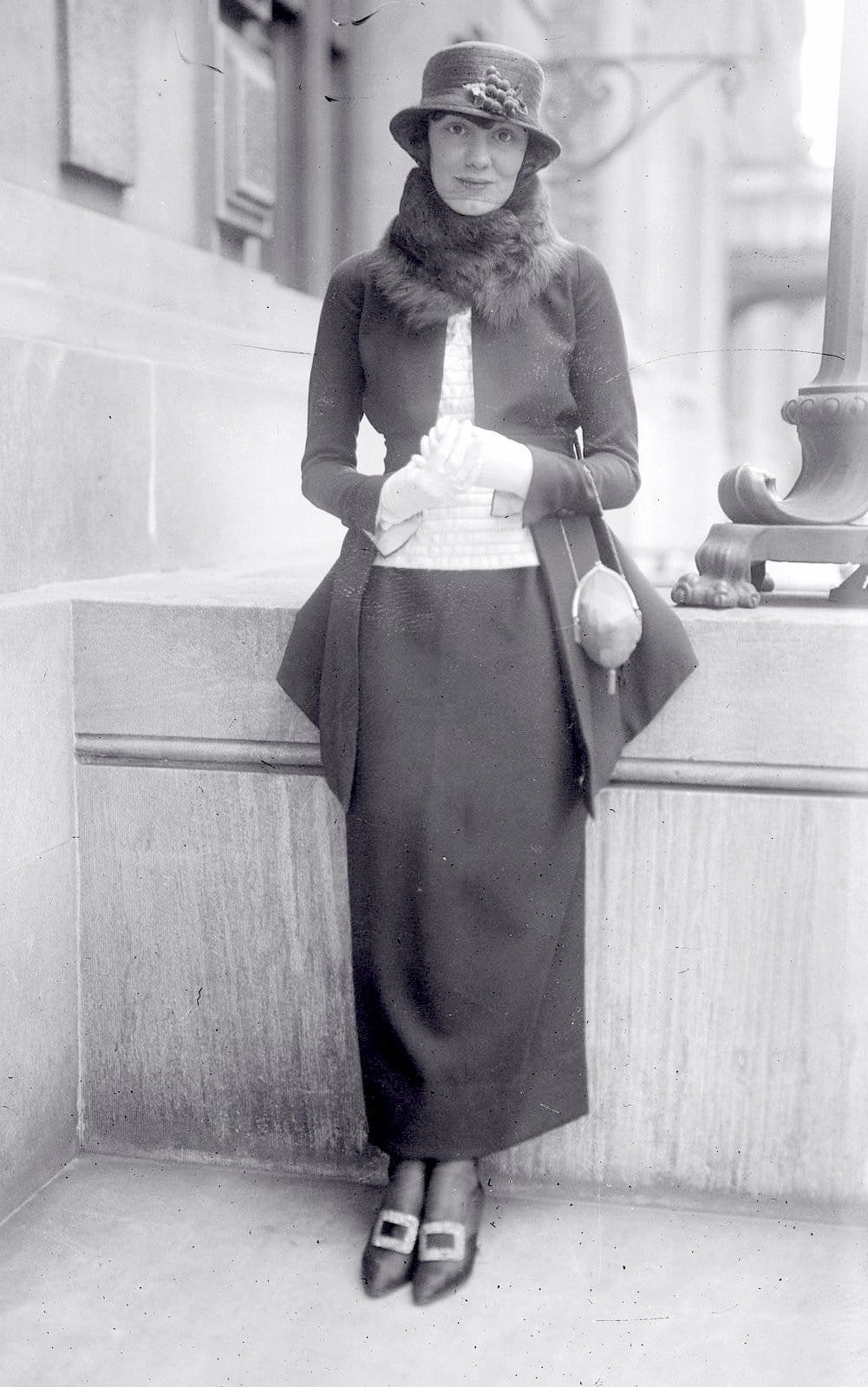
While not known for flamboyant or outrageous fashion choices, Marion Harris possessed a subtle charm and elegance in her presentation. In an era defined by evolving fashion trends, Harris embraced contemporary styles while maintaining a sophisticated and approachable stage presence. Her clothing choices reflected the changing silhouettes of the 1910s, moving away from the restrictive corsets of earlier decades towards looser, more flowing dresses. These dresses often featured delicate embellishments such as lace, beading, and embroidery, adding a touch of glamour without overwhelming her overall look.
Photographs from the period reveal Harris's preference for elegant, floor-length gowns made from fabrics like silk and chiffon. These materials draped beautifully, accentuating her figure and creating a sense of movement. Her hairstyles were also characteristic of the era, often featuring soft waves and curls arranged in a fashionable updo. She frequently accessorized with delicate jewelry, such as pearl necklaces and drop earrings, adding subtle touches of elegance to her ensemble. Her overall look was one of refined sophistication, conveying a sense of confidence and poise that complemented her vocal talent.
Her aesthetic choices were also carefully considered to appeal to a broad audience. She avoided overtly sexualized or provocative styles, opting instead for a look that was both elegant and respectable. This was a strategic decision, as it allowed her to connect with a wider range of listeners, including those who might have been wary of more overtly sexual performers. By presenting herself as a refined and respectable artist, Harris was able to bridge the gap between the emerging blues genre and the more established world of popular song.
Engineering & Sound Production Analysis
Marion Harris's recordings offer a valuable insight into the early days of sound engineering and production. The acoustic recording techniques prevalent in the 1910s presented both limitations and opportunities for artists. Unlike modern recording methods, which rely on microphones and electronic amplification, acoustic recording involved capturing sound directly onto a wax or shellac disc using a mechanical process. This meant that the sound quality was often raw and unfiltered, emphasizing the natural timbre of the voice and the acoustic properties of the recording space. Harris's recordings benefited from this emphasis on natural sound, allowing her vocal nuances and phrasing to shine through.
The simple arrangements used in her recordings also played a crucial role in highlighting her vocal talent. Typically, she was accompanied by a small ensemble of musicians, often featuring piano, banjo, and occasionally drums. These instruments provided a supportive backdrop for her vocals, without overwhelming the overall sound. The sparse instrumentation allowed her expressive delivery and nuanced phrasing to take center stage, ensuring that her voice remained the focal point of the recording.
The limitations of acoustic recording also forced artists to develop unique vocal techniques. Singers had to project their voices directly into a recording horn, requiring precise control and projection. Harris mastered this technique, demonstrating a remarkable ability to modulate her voice and convey emotion within the constraints of the recording process. The absence of electronic amplification also meant that singers had to rely on their natural vocal power to be heard clearly. This emphasis on vocal projection contributed to the raw and unfiltered quality of her recordings, adding to their unique charm and character.
Cultural Impact & Legacy
Marion Harris's cultural impact lies in her role as a key popularizer of blues and early jazz music to a wider audience. While she was not the first white performer to embrace these genres, she was arguably one of the most successful in bridging the gap between Black musical traditions and mainstream popular culture. Her recordings introduced blues sensibilities to listeners who might not have otherwise been exposed to this music, contributing to its growing popularity and acceptance.
Her influence can be seen in the subsequent wave of white singers who followed in her footsteps, further popularizing blues and jazz. While her appropriation of blues material has been subject to criticism (see below), there is no denying the impact she had on shaping the musical landscape of the 1910s and 1920s. Her recordings continue to be studied and appreciated by music historians and enthusiasts alike, offering a valuable glimpse into the evolution of American popular music.
Beyond her direct influence on other performers, Harris also played a role in challenging racial barriers in the music industry. While she was a white performer singing music rooted in Black culture, she did so with a genuine appreciation and respect for the genre. Her success helped to pave the way for other artists, both Black and white, to cross cultural boundaries and experiment with different musical styles. She opened a door that had been, until then, largely closed.
Critical Reception (Then vs Now)
Marion Harris's critical reception was mixed during her lifetime. On one hand, she was widely praised for her vocal talent, her expressive delivery, and her ability to connect with audiences. Critics lauded her interpretations of popular songs and her ability to infuse them with a bluesy edge. Her success in popularizing blues music also earned her considerable acclaim.
However, her appropriation of blues material also drew criticism. Some argued that as a white performer singing music rooted in Black culture, she was exploiting a genre that was not her own. These criticisms were particularly acute in the context of racial segregation and inequality that characterized the era. While Harris may have had genuine respect for the blues, her success also came at a time when Black artists were often denied opportunities and recognition. This historical context cannot be ignored when evaluating her career.
In contemporary assessments, Harris's legacy is viewed with a more nuanced perspective. While her appropriation of blues material remains a point of contention, she is also recognized for her role in popularizing the genre and introducing it to a wider audience. Music historians acknowledge her talent and her contribution to the evolution of American popular music, while also acknowledging the complex cultural dynamics that shaped her career. The modern view acknowledges the historical context and cultural sensitivities inherent in her position as a white woman performing blues music while still granting her credit for her talent and widespread appeal.
Conclusion
Marion Harris occupies a unique and somewhat controversial place in the history of American popular music. Her success as a white singer interpreting blues material raises complex questions about cultural appropriation and the relationship between race and music. However, her undeniable talent, her shrewd understanding of the popular music market, and her role in popularizing blues music cannot be ignored. Her recordings offer a valuable glimpse into the early days of the music industry and the evolution of American popular music. By examining her life and career, we gain a deeper understanding of the complex cultural dynamics that shaped the musical landscape of the 1910s and beyond, cementing her legacy as a pivotal, if complicated, figure in the development of early jazz and blues.