Morton Harvey, a name perhaps unfamiliar to many modern music enthusiasts, holds a significant place in the annals of American popular music history. Flourishing during the 1910s, a pivotal decade bridging the gap between vaudeville traditions and the burgeoning jazz age, Harvey was a prolific recording artist, leaving behind a substantial discography of ragtime, early jazz-infused numbers, and sentimental ballads. While biographical details about his life remain somewhat scarce, his recordings offer a valuable window into the musical tastes and performance styles of a bygone era, solidifying his position as a key figure in the early recording industry. 1910-1919 This career stands as a testament to the diverse sounds of the 1910-1919 Music Era.
A Prolific Voice in a Nascent Industry: Comprehensive Introduction
The early 20th century witnessed an explosion in the availability and popularity of recorded music. The gramophone, a relatively new invention, brought music into homes and public spaces, transforming entertainment consumption. Artists like Morton Harvey were at the forefront of this revolution, contributing significantly to the development of a commercial recording industry. Unlike later artists who benefited from established promotional networks and detailed biographies, Harvey's story is pieced together from his recordings, period advertisements, and the occasional mention in trade publications. This makes the task of reconstructing his career both challenging and rewarding. What is known is that he recorded extensively for major labels of the time, including Victor and Columbia, suggesting a level of popularity and commercial success. His repertoire reflected the diverse tastes of the American public, ranging from upbeat ragtime tunes that mirrored the energetic spirit of the era to more sentimental songs that resonated with the emotional sensibilities of the day. He was a musical chameleon, adapting his vocal style to suit the demands of each genre, demonstrating versatility that contributed to his widespread appeal.
The context of his career is also vital to understanding his impact. The United States was undergoing rapid social and technological change. Mass immigration, urbanization, and industrialization were transforming the cultural landscape. Music, more accessible than ever before through recordings, became a powerful force in shaping national identity and providing a shared experience for a diverse population. Harvey's recordings, distributed nationally, played a role in this process, helping to define the sound of American popular music in the pre-jazz era. His contributions must be seen as part of a larger cultural movement, one in which technology and artistry combined to create a new form of mass entertainment.
Ragtime Rhythms and Early Jazz Influences: In-depth Analysis of Musical Style/Evolution
Morton Harvey's musical style was firmly rooted in the ragtime tradition that swept the nation in the early 1900s. Ragtime, with its syncopated rhythms and lively melodies, represented a departure from the more formal musical styles of the late 19th century. Harvey's renditions of ragtime tunes captured the infectious energy of the genre, showcasing his ability to articulate complex rhythms and deliver lyrics with clarity and enthusiasm. These recordings offer a valuable glimpse into the popular music of the time, revealing the elements that resonated with audiences and contributed to ragtime's widespread appeal.
However, Harvey's repertoire was not limited to ragtime alone. He also recorded early jazz-influenced songs, reflecting the gradual evolution of American popular music. While these recordings may not be considered "pure" jazz by later standards, they demonstrate the growing influence of improvisation and syncopation on popular music. Harvey's vocal delivery often incorporated elements of phrasing and ornamentation that were characteristic of early jazz singers, suggesting an awareness of the changing musical landscape. His ability to bridge the gap between ragtime and early jazz contributed to his popularity, allowing him to appeal to a wider audience with diverse musical tastes.
The arrangements in Harvey’s recordings are also noteworthy. While he was primarily a vocalist, the instrumental accompaniment provided a crucial element to the overall sound. Typical arrangements featured piano, banjo, and sometimes brass instruments, creating a lively and engaging backdrop for Harvey's vocals. These arrangements were relatively simple by modern standards, but they effectively conveyed the energy and spirit of the music. Moreover, these instrumental arrangements laid a foundation for the jazz ensembles that would dominate popular music in the decades to come. The blending of ragtime rhythms with nascent jazz instrumentation underscores Harvey’s role as a transitional figure in American music history.
The 'Look' of an Early Recording Star: Fashion & Aesthetics Deep Dive
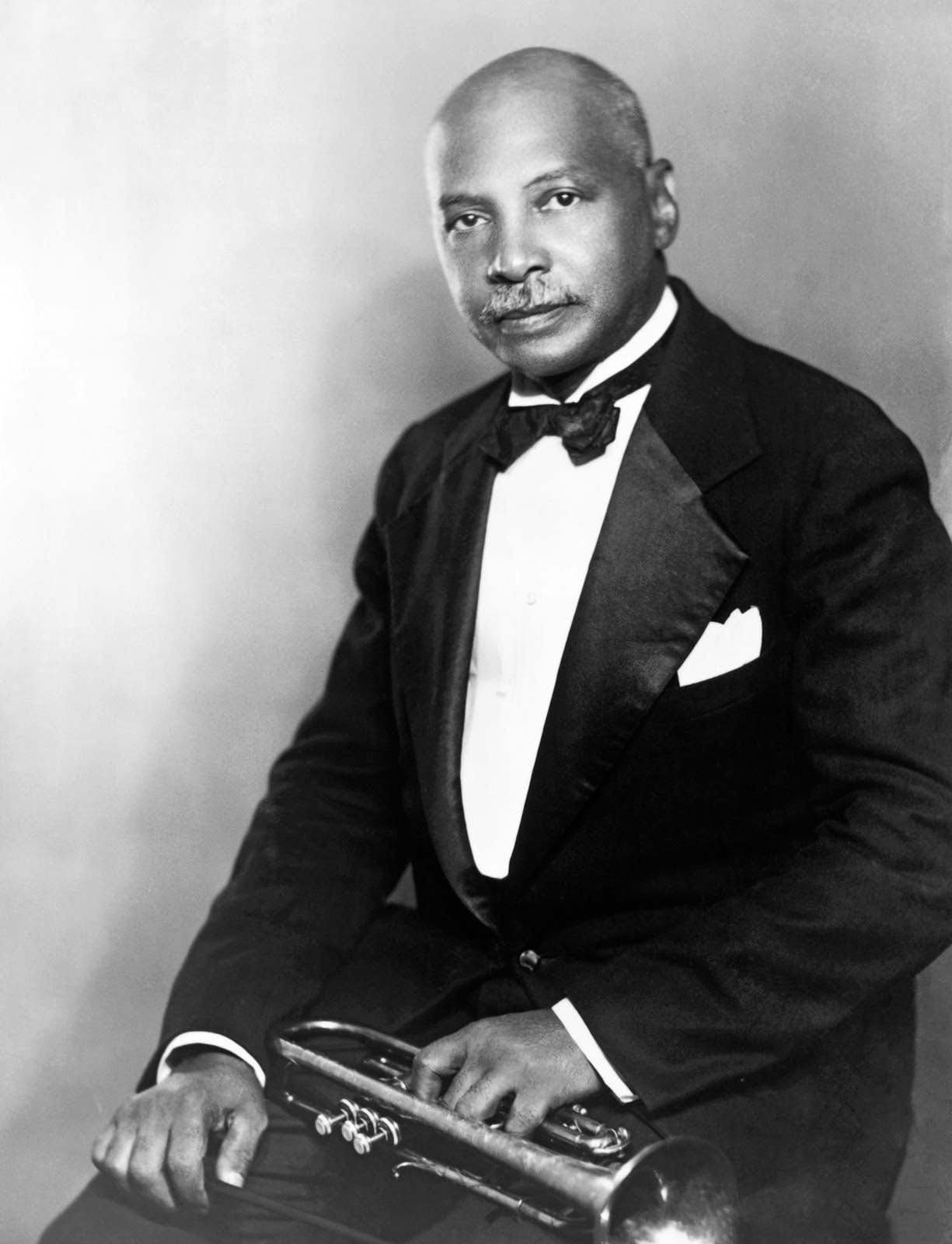
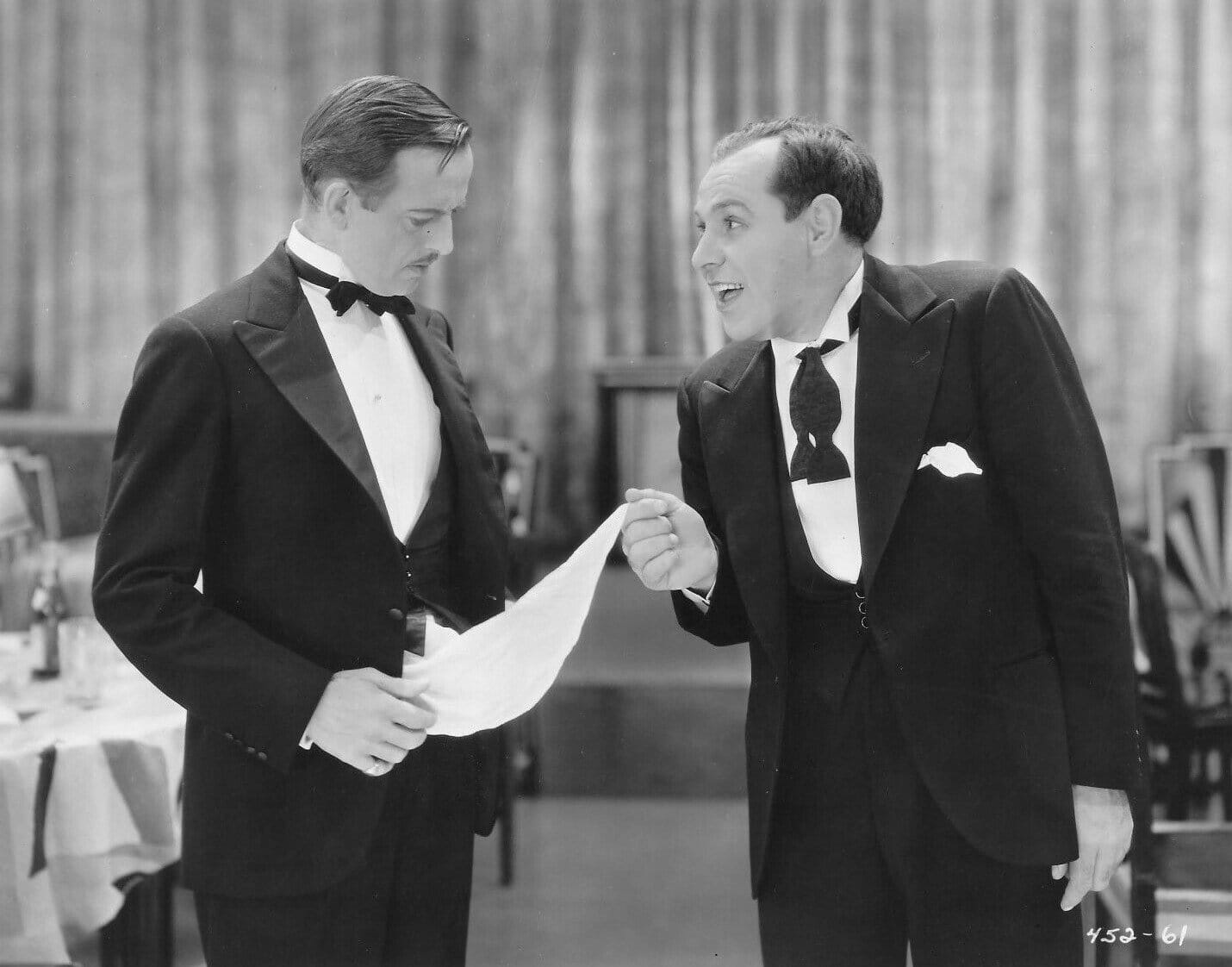
While photographic evidence of Morton Harvey is limited, we can infer aspects of his visual presentation from the prevailing fashion trends of the 1910s and the image cultivated by early recording artists. The era was marked by a sense of formality and respectability, which was reflected in the clothing worn by performers. Men typically sported neatly tailored suits, often in dark colors like navy or gray, paired with crisp white shirts and ties. The tie was an essential accessory, often featuring patterns or textures that added a touch of personality to the otherwise conservative attire. Hair was typically short and well-groomed, often parted neatly to the side.
This emphasis on formal attire served several purposes. First, it conveyed a sense of professionalism and seriousness, reinforcing the idea that recording artists were respectable members of society. In the early days of the recording industry, it was important to overcome any skepticism about the new technology and the people who were involved in it. Second, formal attire helped to distinguish performers from the general public, creating a sense of glamour and mystique. The "look" of an early recording star was carefully crafted to project an image of success and sophistication.
Although specific details about Harvey's personal style are unknown, it is likely that he adhered to these general trends. He would have presented himself as a respectable and accomplished performer, both in promotional materials and in any live appearances he may have made. This attention to visual presentation was an important aspect of building a successful career in the early recording industry, contributing to the overall appeal of the artist and their music.
Capturing Sound in its Infancy: Engineering & Sound Production Analysis
Morton Harvey's recordings were made during a period of rapid technological advancement in the field of sound recording. The acoustic recording process, which was used throughout the 1910s, relied on capturing sound vibrations through a horn and transferring them directly to a recording medium, typically a wax or shellac disc. This process was inherently limited in its ability to capture the full range of frequencies and dynamics, requiring artists to adapt their vocal and instrumental styles to suit the limitations of the technology.
Harvey's vocal clarity is a testament to the demands of acoustic recording. He had to project his voice with sufficient volume and clarity to ensure that it was properly captured by the recording horn. This required a different approach to singing than what might be used in a live performance with amplification. He likely focused on precise enunciation and controlled dynamics, minimizing any extraneous noises or movements that could interfere with the recording process. The intimacy of his recordings is a direct result of this technique, creating a sense of immediacy and connection with the listener.
Furthermore, the limitations of acoustic recording also influenced the arrangements used in Harvey's recordings. Instruments had to be carefully positioned and balanced to ensure that they were properly captured by the recording horn. The use of microphones and amplification was not yet possible, so engineers had to rely on their expertise and intuition to achieve the best possible sound quality. The fact that Harvey's recordings still sound relatively clear and engaging today is a testament to the skill of the recording engineers who worked with him.
Shaping the Soundtrack of an Era: Cultural Impact & Legacy
Morton Harvey's cultural impact lies in his contribution to the burgeoning American popular music scene during a period of significant social and technological change. His prolific recording output provided entertainment for a growing audience of record buyers, helping to establish the commercial viability of the recording industry. His recordings also helped to shape the musical tastes of the American public, popularizing ragtime, early jazz, and sentimental ballads.
Harvey's music served as a soundtrack for the social dances and gatherings of the time. His recordings likely inspired couples to waltz, two-step, and rag to the popular tunes of the era. In an age before radio and widespread access to live music, recordings played a crucial role in shaping social and cultural trends. Harvey's music helped to define the sound of American leisure and entertainment, contributing to the development of a shared national culture.
While his name may not be as widely recognized as some of his contemporaries, Harvey's recordings offer a valuable glimpse into the musical landscape of the early 20th century. He was a key figure in the transition from vaudeville traditions to the jazz age, helping to pave the way for the development of modern popular music. His legacy lies in his contribution to the establishment of the recording industry and his role in shaping the musical tastes of a generation.
Then and Now: Critical Reception
Information regarding the specific critical reception of Morton Harvey during his active period is limited due to the nature of record-keeping practices at the time. Reviews of individual recordings were less common than general assessments of an artist's popularity and commercial success. However, his prolific recording output and the fact that he recorded for major labels suggest that he was well-received by the record-buying public.
Contemporary sources, such as advertisements and trade publications, likely emphasized Harvey's popularity and the appeal of his music. The focus would have been on promoting his recordings and encouraging consumers to purchase them. It is unlikely that detailed critical analyses of his vocal style or musical arrangements would have been published.
In retrospect, Harvey is now viewed as an important figure in the history of American popular music. Music historians and enthusiasts recognize his contribution to the development of the recording industry and his role in popularizing ragtime and early jazz. His recordings are now valued as historical documents, offering insights into the musical tastes and performance styles of a bygone era. While he may not be considered a groundbreaking innovator, his consistency and versatility as a recording artist have earned him a place in the annals of American music history. Modern listeners can appreciate his music for its historical significance and its ability to transport them back to a time when the recording industry was still in its infancy.
Conclusion
Morton Harvey's career, though perhaps less documented than many later artists, serves as a vital illustration of the evolving landscape of popular music in the early 20th century. His contributions to ragtime, early jazz, and the emerging recording industry cement his legacy as a key figure in American music history. By examining his music, the fashion of the time, the engineering limitations, and his cultural impact, we gain a richer understanding of a transformative era. While specific critical analyses from his time may be scarce, his prolific output and current recognition validate his importance. Morton Harvey's recordings offer a valuable window into a bygone era, reminding us of the roots of modern popular music and the pioneers who helped shape its development.