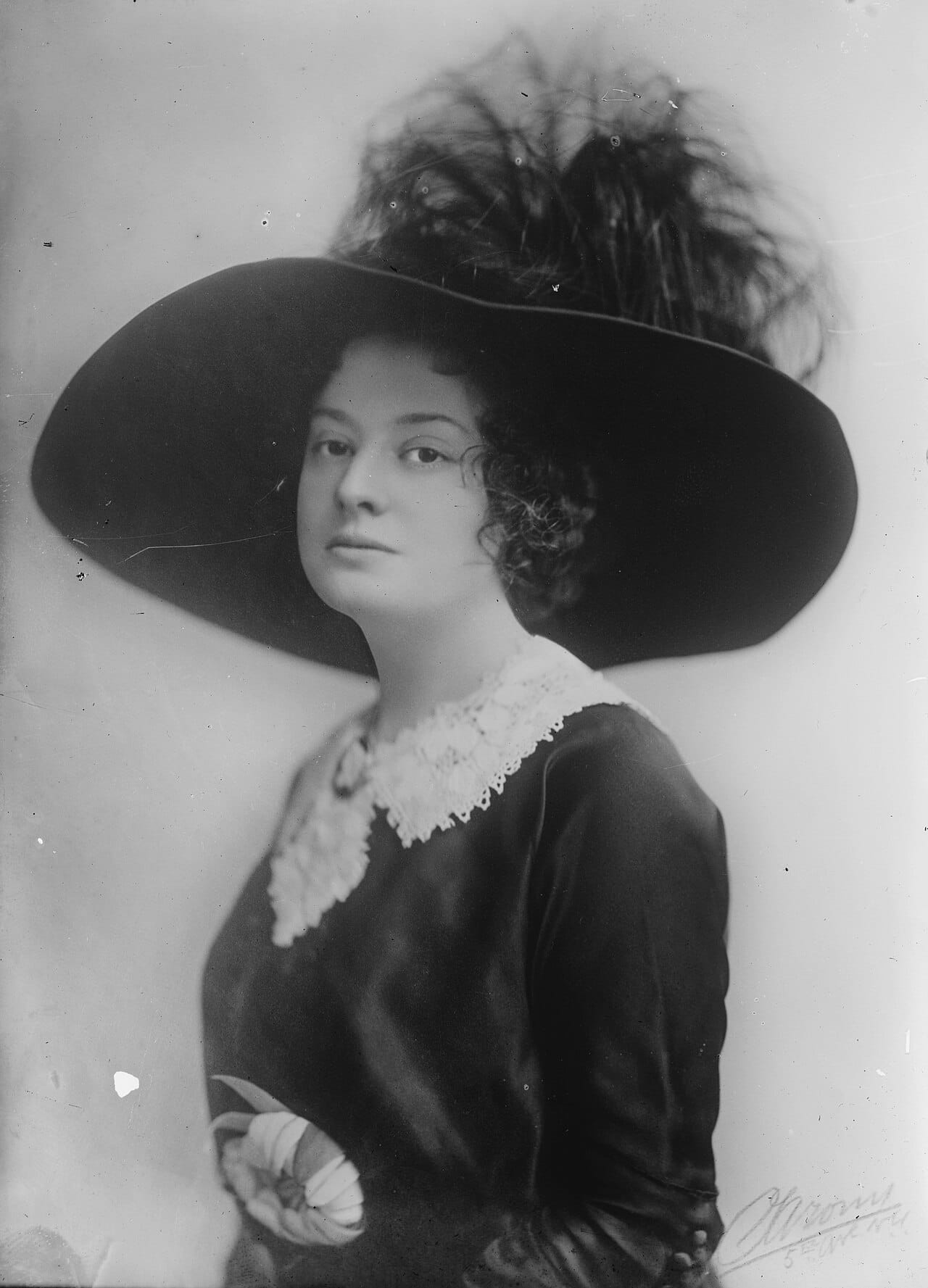
Nora Bayes, a name synonymous with the vibrant and rapidly changing American entertainment landscape of the 1910s, was more than just a singer; she was a force of nature. A headliner on the vaudeville circuit, a recording star, and a personality that captivated audiences with her wit, energy, and genuine warmth, Bayes left an indelible mark on the popular culture of her era. This biography delves into the life and career of this extraordinary performer, exploring her musical style, her impact on fashion, the challenges of early sound recording, and her enduring legacy. 1910-1919 This career stands as a testament to the diverse sounds of the 1910-1919 Music Era.
From Milwaukee to Broadway: The Making of a Star
Born in Milwaukee, Wisconsin, in 1880 as Dora Goldberg, Nora Bayes's journey to stardom began early. Driven by an innate talent and a relentless ambition, she started performing as a child, honing her skills in local theaters and quickly attracting attention for her powerful voice and magnetic stage presence. Bayes's early career was a whirlwind of touring and performing, typical of the vaudeville circuit, which served as a crucial training ground for countless entertainers. She adopted the stage name "Nora Bayes" and gradually developed her unique style, a blend of heartfelt ballads, comedic timing, and an undeniable connection with her audience. It wasn't long before her talent propelled her from the Midwest to the bright lights of Broadway.
Her Broadway debut marked a turning point in her career. The success she achieved on the New York stage solidified her reputation and opened doors to recording contracts and national tours. Bayes became a household name, her image gracing magazine covers and her voice filling theaters and parlors across the country. This period saw her star rise meteorically, solidifying her position as one of the leading entertainers of the decade.
A Musical Chameleon: In-depth Analysis of Musical Style & Evolution
Nora Bayes's versatility was a key component of her success. She wasn't confined to a single genre; instead, she skillfully navigated the diverse musical landscape of the 1910s. Her repertoire included popular tunes that quickly became national hits, lively ragtime numbers that reflected the era's burgeoning energy, and sentimental ballads that resonated with audiences seeking emotional connection. "Has Anybody Here Seen Kelly?," arguably her most famous song, is a perfect example of her ability to deliver a catchy, upbeat performance that left audiences humming for days. "Shine On, Harvest Moon," co-written with her then-husband Jack Norworth, remains a timeless classic, showcasing her talent for crafting memorable melodies and heartfelt lyrics. The song's enduring popularity speaks volumes about its emotional depth and universal appeal.
Beyond these signature tunes, Bayes's musical performances were defined by her exceptional vocal control and her ability to connect emotionally with her audience. Her diction was impeccable, ensuring that every word was clear and understandable, a crucial factor in an era before sophisticated sound amplification. Furthermore, she possessed a remarkable talent for conveying a wide range of emotions through subtle vocal inflections and nuanced phrasing. Whether she was delivering a lighthearted comedy number or a poignant love song, Bayes's performances were always genuine and engaging.
Her musical evolution mirrored the changing tastes of the American public. As popular music shifted from the structured formality of earlier decades to the more syncopated rhythms of ragtime and early jazz, Bayes adapted her style accordingly. She embraced new musical trends, incorporating elements of these emerging genres into her performances while retaining her distinctive vocal style. This willingness to experiment and evolve contributed significantly to her enduring popularity.
The 'Look': Fashion & Aesthetics Deep Dive
Nora Bayes was a style icon in her own right, reflecting and shaping the evolving fashions of the 1910s. Her public persona was carefully crafted, projecting an image of elegance, sophistication, and modern independence. Her wardrobe choices reflected this image, featuring tailored suits, elaborate hats, and sophisticated gowns that captured the spirit of the era. She understood the power of fashion as a form of self-expression and used it to enhance her stage presence and connect with her audience.
Bayes's preference for tailored suits and practical yet stylish attire demonstrated a departure from the more restrictive fashions of previous generations. These choices reflected the growing independence of women in the early 20th century, who were increasingly entering the workforce and demanding greater social and political rights. By embracing a more modern and functional wardrobe, Bayes helped to redefine the image of the contemporary woman.
Her elaborate hats, often adorned with feathers, ribbons, and other embellishments, were another signature element of her style. Hats were an essential accessory for women during this period, and Bayes's extravagant headwear became a symbol of her glamour and sophistication. She understood the importance of creating a visually striking image, and her carefully chosen hats helped to draw attention to her face and enhance her overall stage presence.
Beyond her clothing, Bayes's overall aesthetic was one of understated elegance. She avoided excessive makeup and jewelry, preferring a more natural and refined look. This emphasis on simplicity and sophistication further enhanced her image as a modern and independent woman. Her aesthetic choices helped to establish her as a role model for women across the country, who admired her confidence, style, and unwavering commitment to her career.
Engineering & Sound Production Analysis: Capturing the Voice
Recording technology in the 1910s was still in its infancy, presenting significant challenges for engineers attempting to capture the nuances of live performance. Acoustic recording, the primary method used during this period, relied on mechanical processes to translate sound waves into physical grooves on a wax disc. This process was inherently limited in its ability to accurately reproduce the full range of sound, often resulting in recordings that sounded tinny or muffled. Despite these limitations, recordings of Nora Bayes provide valuable insights into her vocal abilities and performance style.
Bayes's impeccable diction was a crucial asset in the recording studio. Because the microphones of the era were relatively insensitive, clear articulation was essential for ensuring that words were captured accurately. Her precise enunciation allowed her voice to project effectively, even through the limitations of acoustic recording. Furthermore, her ability to convey emotion through subtle vocal inflections was crucial for creating engaging and expressive performances.
The recording engineers of the time recognized Bayes's talent and worked diligently to optimize the recording process for her voice. They experimented with microphone placement and recording techniques to capture the nuances of her performance. While the technology of the era prevented them from fully reproducing the richness and depth of her live performances, the recordings that survive offer a tantalizing glimpse into her extraordinary vocal abilities.
It's important to acknowledge the context of these early recordings. They are not perfect representations of Bayes's voice. The dynamic range is compressed, and the frequency response is limited. However, these recordings are invaluable historical documents, providing a direct link to a bygone era of entertainment. They allow us to hear, albeit imperfectly, the voice that captivated audiences a century ago and to appreciate the artistry and skill of both the performer and the engineers who worked to capture her sound.
Cultural Impact & Legacy: More Than Just a Singer
Nora Bayes's cultural impact extended far beyond her musical performances. She was a symbol of the modern woman, embodying the spirit of independence, ambition, and self-expression that defined the early 20th century. Her success on the vaudeville stage and in the recording studio helped to pave the way for future generations of female entertainers. She challenged traditional gender roles and demonstrated that women could achieve success in the entertainment industry on their own terms.
Her high-profile marriage to and subsequent divorce from Jack Norworth, a fellow performer, also garnered significant media attention and shaped public perception of her personal life. Their collaboration on "Shine On, Harvest Moon" cemented their place in popular culture history, but their turbulent relationship provided fodder for gossip columns and further solidified Bayes's image as a strong and independent woman who was not afraid to defy societal expectations.
Bayes's influence can be seen in the countless performers who followed in her footsteps. She helped to establish the vaudeville stage as a legitimate platform for female entertainers and inspired women to pursue their dreams of a career in the arts. Her legacy as a trailblazer and a cultural icon continues to resonate today.
Critical Reception (Then vs Now): A Timeless Performer
During her lifetime, Nora Bayes received generally positive reviews for her energetic performances and charismatic stage presence. Critics praised her vocal abilities, her comedic timing, and her ability to connect with audiences on an emotional level. Some critics, however, occasionally found her style overly sentimental, reflecting the shifting tastes of the era. The focus on emotionality, while appreciated by many, was also starting to give way to more detached and ironic performance styles.
Today, Nora Bayes is remembered as a pivotal figure in the history of American popular music. Her recordings are cherished by collectors and music historians, and her story continues to inspire those interested in the early days of the entertainment industry. While her style may seem somewhat dated to modern ears, her talent and her influence remain undeniable. Contemporary listeners can appreciate the historical context of her performances and recognize her contributions to the development of American musical theater and popular music.
Modern critics and historians often focus on her role as a strong female figure in a male-dominated industry, and praise her business acumen in managing her own career. The analysis shifts from simple performance review to an understanding of her broader cultural impact.
Conclusion: An Enduring Star
Nora Bayes was a true original, a star who shone brightly during a pivotal era in American entertainment history. Her talent, her charisma, and her unwavering commitment to her craft made her one of the most beloved performers of her time. While the technology of the era limited the ability to fully capture her performances, the recordings and historical accounts that survive offer a compelling glimpse into her extraordinary life and career. Nora Bayes's legacy as a trailblazer, a style icon, and a gifted entertainer continues to inspire and captivate audiences today. She remains a vital figure in understanding the evolution of American popular culture and the enduring power of live performance.