Comprehensive Introduction
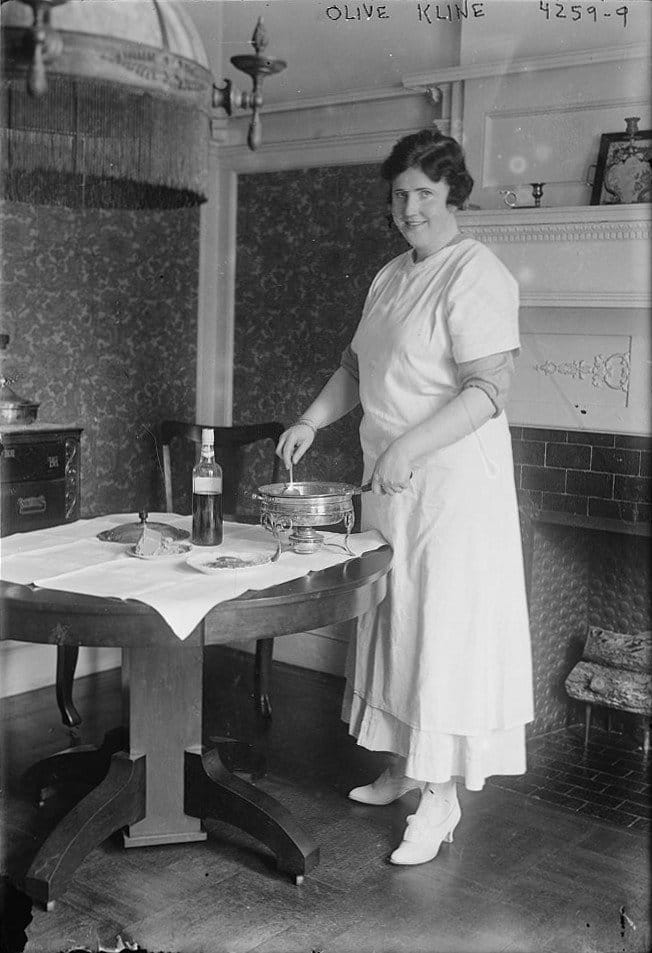
In the annals of early 20th-century American music, many voices have faded into obscurity, their stories untold, their contributions largely forgotten. Among these nearly lost figures stands Olive Kline, a soprano whose career flourished during the pivotal decade of the 1910s. Kline's name may not resonate with contemporary audiences, yet her performances, captured on fragile wax cylinders and early gramophone records, offer a vital window into the musical tastes, cultural sensibilities, and technological limitations of a bygone era. This biography aims to resurrect Kline's story, exploring her musical style, stage presence, and the impact she had on the burgeoning entertainment landscape of her time. More than just a singer, Olive Kline was a reflection of the era, embodying the elegance and societal expectations placed upon women in the arts, while navigating the nascent and rapidly evolving world of recorded music. 1910-1919 This career stands as a testament to the diverse sounds of the 1910-1919 Music Era.
Kline's career unfolded against a backdrop of significant social and technological change. The United States was experiencing rapid industrialization, urbanization, and a growing middle class with increased leisure time. This created a demand for accessible entertainment, and the music industry responded with a proliferation of vaudeville shows, musical revues, and, crucially, the expanding availability of recorded music. It was in this environment that Olive Kline carved out her niche, appealing to audiences with her clear soprano voice and repertoire of sentimental ballads and light opera selections. While she may not have achieved superstardom on the scale of some of her contemporaries, her work provides invaluable insights into the musical landscape of the period and the evolving role of women in the entertainment industry.
In-depth Analysis of Musical Style/Evolution
Olive Kline's musical style was firmly rooted in the traditions of late 19th and early 20th-century popular song. Her repertoire consisted primarily of sentimental ballads, drawing-room songs, and selections from light operas and musical comedies. While she may not have been an innovator in terms of musical genre, she excelled at interpreting these songs with a clear, expressive soprano voice. Her phrasing was meticulous, her diction precise, and her ability to convey emotion through song was a hallmark of her performances.
Examining her recorded output reveals a keen understanding of what appealed to her audience. Songs like "A Bird in a Gilded Cage," a melancholic ballad about lost freedom and unfulfilled dreams, resonated deeply with listeners, particularly women, who often faced limited opportunities and societal constraints. Kline's rendition of this song likely emphasized its inherent pathos, highlighting the protagonist's sense of longing and resignation. Similarly, her performances of light opera selections showcased her vocal agility and ability to navigate complex melodies with grace and precision. While information on her specific operatic roles is scarce, the evidence suggests she favored works that were accessible and emotionally engaging, rather than avant-garde or experimental.
It's crucial to consider the performative context of Kline's music. Her songs were not just isolated recordings; they were part of a broader entertainment ecosystem that included live performances in theaters and musical revues. This meant that her vocal style had to be adaptable to both the intimacy of a recording session and the demands of a larger stage. Her stage presence, while not heavily documented, likely played a significant role in her overall appeal. Visual evidence, such as photographs and illustrations from the period, suggests that she moved gracefully and expressively, using subtle gestures and facial expressions to enhance the emotional impact of her songs. The combination of her vocal talent and stage presence likely contributed to her success in attracting and retaining audiences.
The 'Look': Fashion & Aesthetics Deep Dive
Olive Kline's image was carefully cultivated to embody the sophisticated elegance of the early 20th century, aligning perfectly with the "Gibson Girl" aesthetic that dominated popular fashion. Her style choices were not merely personal preferences; they were a conscious reflection of the societal expectations placed upon women in the entertainment industry. Kline's clothing, hair, and accessories all contributed to a carefully constructed persona that projected both refinement and accessibility.
High-necked gowns were a staple of Kline's wardrobe, reflecting the modesty and decorum that were considered essential for female performers. These gowns were often made of luxurious fabrics such as silk and lace, and were adorned with intricate embellishments such as embroidery, beading, and ribbons. The high necklines were typically softened with delicate lace collars or jabots, adding a touch of femininity to the overall look. The silhouettes of her gowns were generally figure-flattering, accentuating the waist and creating a graceful, hourglass shape. While not overtly revealing, these gowns were designed to showcase Kline's figure in a tasteful and elegant manner.
Elaborate hats were another defining feature of Kline's style. These hats were often large and dramatic, adorned with feathers, flowers, ribbons, and other embellishments. They served not only as a fashion statement but also as a means of drawing attention to her face and enhancing her stage presence. The choice of hat styles likely varied depending on the occasion and the specific song she was performing, but they consistently reflected the prevailing fashion trends of the era. Her hair was typically styled in an updo, often incorporating curls and waves to frame her face. This hairstyle was considered fashionable and sophisticated, and it helped to create a polished and refined appearance. Kline's overall look was one of understated glamour, projecting an image of both talent and respectability, key attributes for a successful female performer in the 1910s.
Engineering & Sound Production Analysis
Understanding the technical limitations of early recording technology is crucial to appreciating Olive Kline's recorded work. Her recordings were made during a period of rapid innovation in audio technology, when the industry was transitioning from acoustic recording to electrical recording. Kline's likely employed acoustic recording methods, which involved her singing directly into a large horn connected to a diaphragm. The vibrations of the diaphragm were then used to cut grooves into a wax cylinder or disc. This process was highly sensitive to environmental noise and required performers to project their voices with considerable force.
The acoustic recording process presented numerous challenges for singers. They had to position themselves carefully in relation to the recording horn to achieve optimal sound quality. The limited dynamic range of the recording equipment meant that they had to control their vocal dynamics carefully, avoiding sudden bursts of volume that could distort the recording. The absence of microphones and amplification also meant that they had to rely solely on their natural vocal power to project their voices into the recording horn. Considering these limitations, Kline's vocal clarity and projection on her recordings are particularly impressive.
The sound quality of Kline's recordings reflects the technological constraints of the era. They often exhibit a limited frequency range, with a noticeable emphasis on the midrange frequencies. This can result in a somewhat "thin" or "nasal" sound quality, particularly when compared to modern recordings. However, despite these limitations, Kline's voice comes through with remarkable clarity and presence. Her recordings offer a valuable glimpse into the early days of audio technology and provide a testament to the ingenuity and skill of the engineers and performers who worked during this period. The "imperfections" themselves become part of the historical fabric, reminding us of the journey toward modern recording fidelity.
Cultural Impact & Legacy
Olive Kline's cultural impact, while perhaps not on a grand, headline-grabbing scale, is significant in its representation of the popular music and entertainment landscape of the 1910s. She contributed to the soundtrack of a generation, providing entertainment during a period of significant social and cultural change. As a performer in musical revues and a recording artist, she helped to shape the tastes and preferences of her audience. Her choice of sentimental ballads and light opera selections reflected the prevailing cultural values of the time, appealing to audiences who sought comfort, escapism, and emotional connection through music.
Furthermore, Kline's career serves as a case study in the opportunities and limitations faced by women in the entertainment industry during the early 20th century. She was able to achieve a degree of success and recognition through her talent and hard work, but she also had to navigate the societal expectations and constraints that were placed upon female performers. Her image was carefully cultivated to project an image of respectability and refinement, and her repertoire was largely confined to genres that were considered appropriate for women. Despite these limitations, she was able to carve out a niche for herself and make a lasting contribution to the musical landscape of her time.
While her name may not be widely known today, Olive Kline's legacy lives on through her recordings and the historical record of her performances. Her work provides valuable insights into the musical tastes, cultural sensibilities, and technological limitations of the early 20th century. Rediscovering her story is not only an act of historical preservation but also a reminder of the diverse and often overlooked contributions of women to the arts. Her recordings serve as a tangible link to the past, allowing us to hear the voice of a bygone era and appreciate the talent and artistry of a forgotten star.
Critical Reception (Then vs Now)
Contemporary reviews of Olive Kline's performances and recordings often praised her vocal clarity, diction, and stage presence. Critics noted her ability to convey emotion through song and her skillful interpretation of sentimental ballads and light opera selections. Her voice was often described as being "pure," "sweet," and "expressive." While some critics found her song choices to be overly sentimental or predictable, they generally acknowledged her talent and her ability to connect with audiences.
However, it's important to recognize that these reviews were often filtered through the prevailing cultural biases of the time. Female performers were frequently judged on their appearance and demeanor as much as their talent, and their artistic expression was often constrained by societal expectations. Some critics may have overlooked or downplayed the challenges that Kline faced as a woman in the entertainment industry, or they may have failed to fully appreciate the nuances and complexities of her performances. It is likely that expectations were different and gender played a significant role.
Modern analyses of Kline's work offer a more nuanced and critical perspective. Scholars and historians are now more likely to consider the social and cultural context in which she operated, and they are more attuned to the constraints that were placed upon female performers. They may also be more critical of the sentimental nature of her repertoire, recognizing that it reflected the prevailing tastes of the time but also potentially limited her artistic expression. Despite these critical perspectives, Kline's talent and contribution to the musical landscape of the early 20th century remain undeniable. Her recordings continue to be studied and appreciated for their historical significance and their insights into the musical tastes and cultural sensibilities of a bygone era.
Conclusion
Olive Kline's story is a testament to the enduring power of music and the importance of preserving and rediscovering the voices of the past. While she may not be a household name today, her contributions to the entertainment landscape of the 1910s were significant. As a singer, performer, and embodiment of the "Gibson Girl" aesthetic, she helped to shape the tastes and preferences of her audience and provided entertainment during a period of significant social and cultural change.
By examining her musical style, stage presence, and the technical limitations of early recording technology, we gain a deeper understanding of the challenges and opportunities faced by female performers in the early 20th century. Her story also reminds us of the importance of considering the social and cultural context in which art is created and consumed. Olive Kline's legacy lives on through her recordings, providing a valuable link to the past and inspiring future generations of musicians and scholars. Rediscovering her story is not just an act of historical preservation; it is an act of celebrating the diversity and richness of the American musical heritage.