The Original Dixieland Jass Band (ODJB), a group of white musicians from New Orleans, occupies a complicated and often controversial position in the history of jazz. While they are undeniably credited with making the first commercially released jazz recordings in 1917, their claim to the mantle of "creators of jazz" has been fiercely contested, sparking decades of debate about appropriation, race, and the very definition of this uniquely American art form. This biography delves into the band's formation, musical innovations (or lack thereof, according to some), impact on popular culture, and the lasting criticisms leveled against them, offering a nuanced perspective on their place in the jazz pantheon. 1910-1919 To truly appreciate the 1910-1919 Music Era, one must understand the impact of this artist.
In-depth Analysis of Musical Style/Evolution
The ODJB's musical style was rooted in the vibrant and diverse musical landscape of New Orleans in the early 20th century. Band members – cornetist Nick LaRocca, trombonist Eddie Edwards, clarinetist Larry Shields, pianist Henry Ragas (later replaced by Tony Sbarbaro), and drummer Tony Spargo (also known as Tony Sbarbaro) – drew inspiration from ragtime, brass band music, and the burgeoning sounds of the city's Black communities. However, their interpretation and presentation of these influences differed significantly from the music being created by African American musicians at the time.
Their signature sound was characterized by a high-energy, ensemble-driven approach, prioritizing collective improvisation over individual solos. Tunes like "Livery Stable Blues" and "Dixieland Jass Band One-Step" feature a raucous, almost chaotic blend of interwoven melodies and rhythmic interplay. LaRocca's cornet typically carried the main melody, while Edwards' trombone provided humorous "smears" and glissandos, and Shields' clarinet weaved in and out with counter-melodies. The rhythm section, led by Ragas's ragtime-influenced piano and Spargo's steady drumming, provided a solid foundation for the collective improvisation.
It's important to note that the ODJB's "improvisation" was often more structured and pre-arranged than the spontaneous, blues-infused improvisations that characterized the music of Black jazz musicians. While they left room for individual expression, their performances were often based on established patterns and riffs. This distinction is crucial in understanding the criticisms leveled against them. They popularized a diluted version of jazz, stripped of its deep emotional and cultural roots, for a predominantly white audience.
The band's evolution was limited. After their initial success, they largely stuck to their established formula, producing more of the same energetic, if somewhat simplistic, tunes. While they experimented with different arrangements and incorporated new elements, they never truly broke free from their original sound, which ultimately contributed to their decline in popularity as jazz continued to evolve in the hands of more innovative musicians.
The 'Look': Fashion & Aesthetics Deep Dive
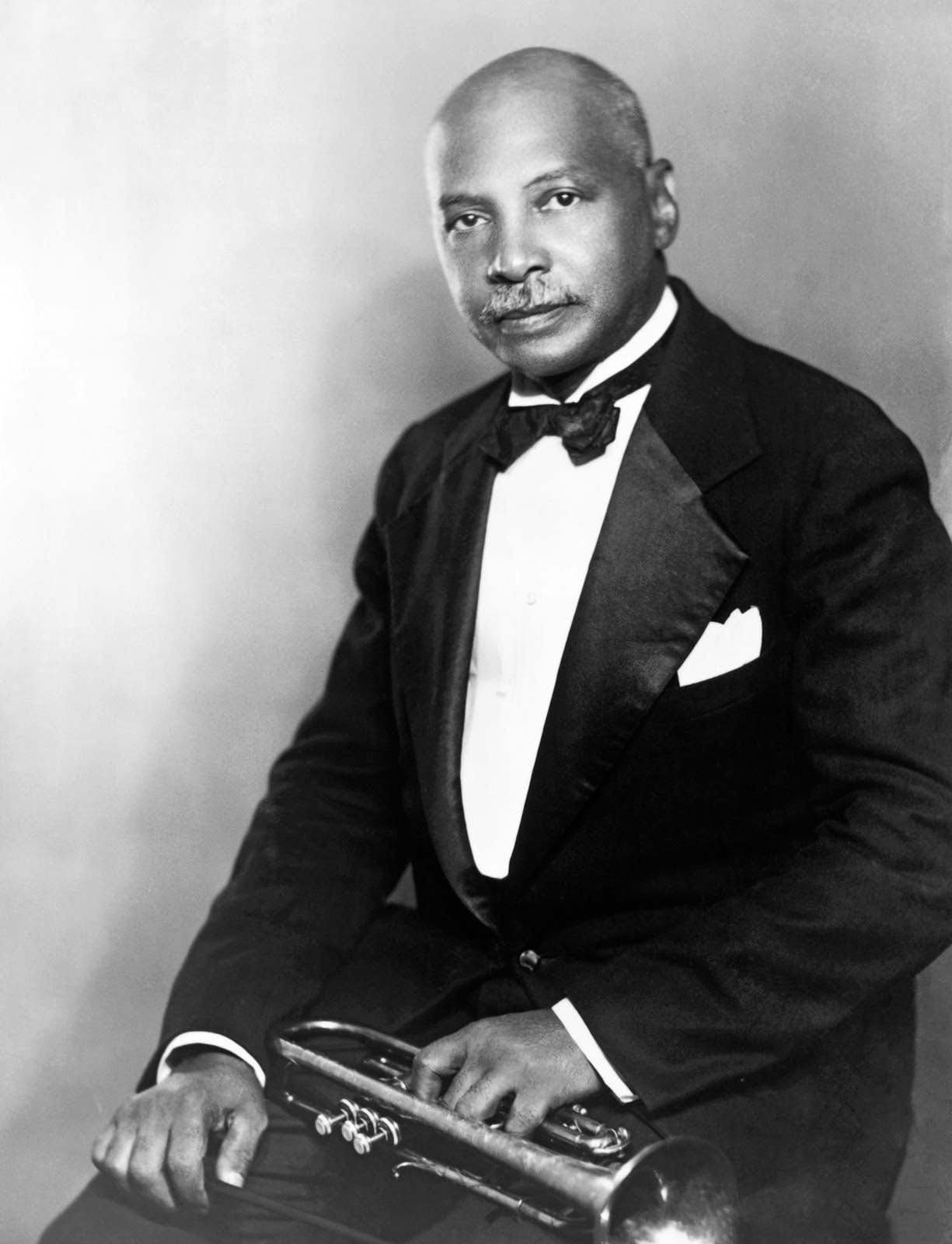
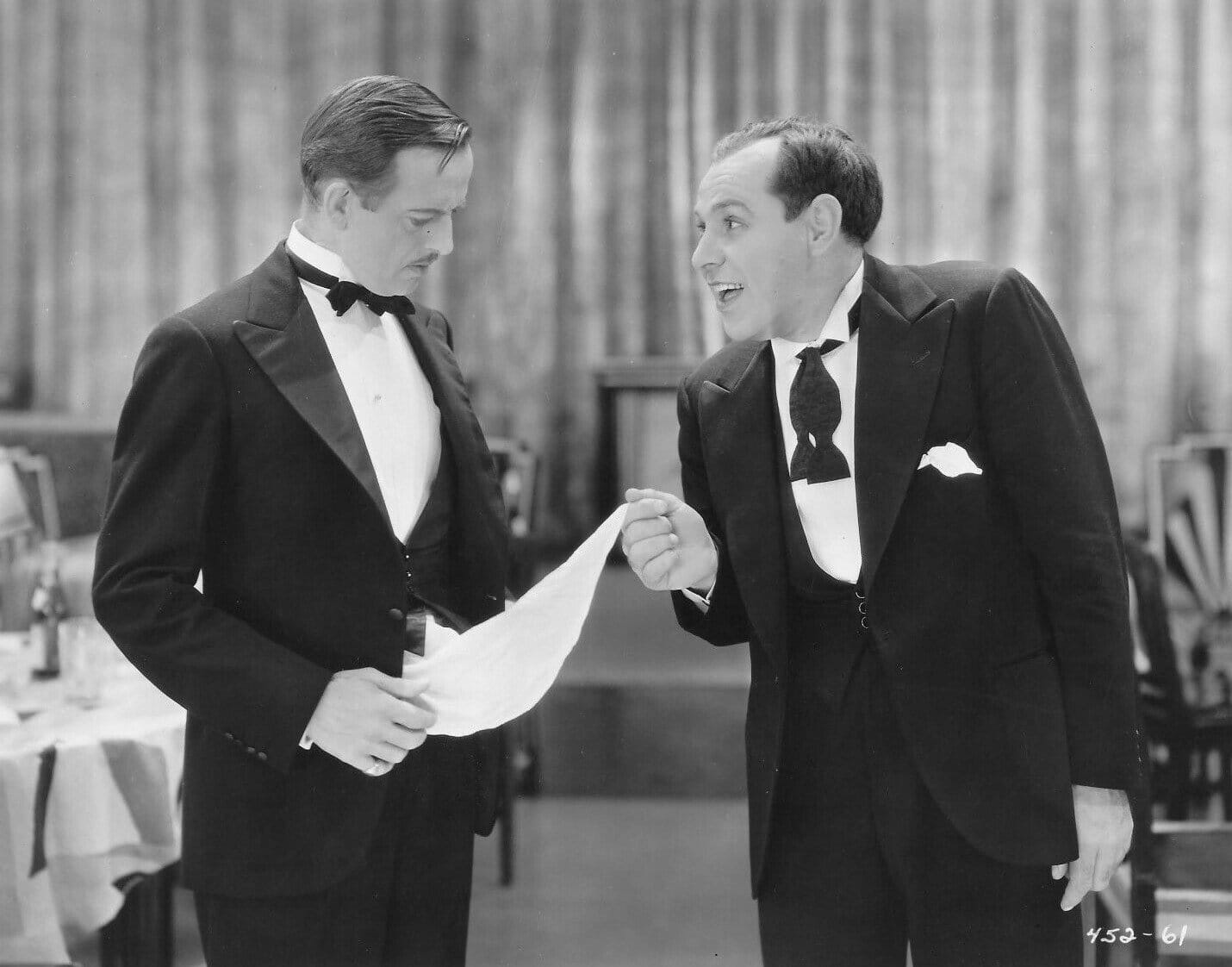
The ODJB understood the importance of visual presentation in shaping their image and appealing to a wider audience. While not uniformly consistent, their stage attire generally leaned towards formal wear, reflecting a desire to present jazz as a respectable and legitimate form of entertainment. In an era where jazz was still considered by some to be lowbrow or even immoral, this conscious effort to present themselves as refined was a strategic move.
Typical attire often included suits or tuxedos, complete with vests, ties, and polished shoes. However, they occasionally incorporated more playful elements, such as straw hats or colorful vests, adding a touch of whimsy to their otherwise formal appearance. These additions hinted at the rebellious spirit of jazz while still maintaining a veneer of respectability.
Their image was carefully crafted to appeal to a broad audience, including those who might have been hesitant to embrace jazz due to its association with African American culture and the perceived looseness of its performance style. By presenting themselves as clean-cut and professional, the ODJB helped to normalize jazz for a white audience and pave the way for its wider acceptance.
Beyond clothing, their stage presence was characterized by energetic performances and a sense of playful showmanship. They were keen to engage with their audience, often incorporating humorous gestures and exaggerated facial expressions into their performances, further solidifying their appeal as entertainers.
Engineering & Sound Production Analysis
The early recordings of the ODJB offer a fascinating glimpse into the limitations of acoustic recording technology in the 1910s. Unlike modern recording techniques that rely on microphones and amplifiers, acoustic recording required the band to perform directly into a large recording horn, which captured the sound vibrations and etched them onto a wax disc.
This process placed significant constraints on the band's performance. They had to huddle tightly around the horn, carefully balancing the volume of each instrument to ensure that it was adequately captured. This often meant that the louder instruments, such as the cornet and trombone, had to be positioned further away from the horn, while the quieter instruments, such as the piano and clarinet, had to be closer.
The limitations of acoustic recording also impacted the overall sound quality of the recordings. The dynamic range was limited, meaning that the recordings couldn't capture the full range of loud and soft sounds. The frequency response was also limited, resulting in a sound that was often thin and tinny compared to modern recordings.
Despite these limitations, the ODJB's early recordings are invaluable historical documents that provide a unique insight into the sound of early jazz. The raw, unfiltered quality of the recordings captures the energy and excitement of their performances in a way that more polished recordings might not. The imperfections and limitations of the technology also add to the charm and authenticity of these early jazz recordings.
Cultural Impact & Legacy
The cultural impact of the ODJB, despite the controversies surrounding them, is undeniable. Their 1917 recordings of "Livery Stable Blues" and "Dixieland Jass Band One-Step" were a commercial sensation, introducing jazz to a vast audience and sparking a nationwide craze for the new music. While not the originators of jazz, they were instrumental in popularizing it, paving the way for other musicians and bands to follow.
Their success helped to break down barriers between different musical genres and to challenge the prevailing cultural norms of the time. Jazz, with its improvisational spirit and infectious rhythms, represented a new form of expression that resonated with a generation eager to embrace change.
The ODJB's influence extended beyond the realm of music. Their performances helped to fuel the growing popularity of jazz-influenced social dances, transforming dance floors across the nation into vibrant spaces of improvisational movement and high energy. They also inspired countless other musicians to explore the possibilities of jazz, contributing to its rapid evolution and diversification.
However, their legacy is inextricably linked to the issue of appropriation. The ODJB's appropriation of Black musical traditions, particularly their claim to be the "creators of jazz," has been a source of controversy and criticism for decades. Their success, achieved in a racially segregated society, highlights the systemic inequalities that have plagued the music industry throughout its history.
Critical Reception (Then vs Now)
The critical reception of the ODJB has evolved dramatically over time. In the 1910s and 1920s, they were widely celebrated as pioneers of jazz, lauded for their energetic performances and their role in popularizing the new music. Many critics overlooked or downplayed the contributions of African American musicians, perpetuating the myth that the ODJB were the sole creators of jazz.
However, as jazz scholarship has deepened and as the contributions of Black musicians have been more fully recognized, the ODJB's reputation has suffered. Modern critics generally acknowledge their role in popularizing jazz but also emphasize the importance of understanding their music within the context of racial appropriation and systemic inequality.
Today, the ODJB are often viewed as a problematic but historically significant band. Their music is still enjoyed by some, but it is now understood as a diluted and commercialized version of the jazz being created by Black musicians at the time. Their legacy serves as a cautionary tale about the dangers of cultural appropriation and the importance of recognizing the true origins of jazz.
Contemporary jazz historians and critics emphasize the importance of centering the contributions of African American musicians in the narrative of jazz history. Figures like Buddy Bolden, Jelly Roll Morton, and Louis Armstrong, who were creating groundbreaking music in New Orleans before the ODJB, are now recognized as the true pioneers of jazz.
Conclusion
The Original Dixieland Jass Band remains a complex and controversial figure in the history of jazz. While they undeniably played a role in popularizing the genre and introducing it to a wider audience, their claim to be the "creators of jazz" is a fallacy rooted in racial appropriation and a disregard for the contributions of African American musicians. Their music, while energetic and entertaining, lacked the depth, emotional complexity, and improvisational brilliance of the music being created by Black jazz musicians at the time.
Their legacy serves as a reminder of the importance of understanding the historical context in which music is created and consumed, and of recognizing the systemic inequalities that have shaped the music industry. While the ODJB's music may still be enjoyed by some, it is crucial to acknowledge their place in jazz history with a critical eye, recognizing both their contributions and their limitations, and always centering the voices and experiences of the African American musicians who truly gave birth to jazz.