Comprehensive Introduction
Before he became a household name, before the extravagant stage shows and the self-proclaimed, and often contested, title of "King of Jazz," Paul Whiteman was forging his path in the musically fertile landscape of the 1910s. This was a period of significant transformation in American music, a decade bridging the gap between the structured formality of late 19th-century orchestras and the burgeoning improvisational energy of early jazz. Understanding Whiteman's development during this formative era is crucial to comprehending his later impact, and controversies, surrounding his role in popularizing, and arguably, commercializing, jazz music. Whiteman's journey began not in the smoky backrooms of New Orleans, but in the concert halls and dance venues of Denver and beyond, laying the groundwork for an ambitious career that would forever alter the soundscape of American popular music. 1910-1919 This career stands as a testament to the diverse sounds of the 1910-1919 Music Era.
Born in Denver, Colorado, in 1890, Paul Whiteman's initial musical education was steeped in the European classical tradition. His father, Wilburforce James Whiteman, was a superintendent of music for the Denver public schools, ensuring that young Paul received rigorous training on the violin and viola. This early immersion in classical repertoire provided Whiteman with a solid foundation in musical theory, orchestration, and performance practice, skills that would later prove invaluable in his innovative arrangements and large-scale orchestral productions. However, the rigid structure of classical music ultimately proved too constricting for Whiteman's restless spirit, leading him to explore the more liberating possibilities of popular music.
The 1910s witnessed a seismic shift in social and cultural norms, particularly in the realm of entertainment. The rise of dance halls, vaudeville theaters, and burgeoning recording industry created unprecedented opportunities for musicians who could cater to the public's growing appetite for accessible and engaging music. Whiteman, sensing this shift, began to experiment with incorporating elements of popular dance music into his performances. His early ensembles, often contracted for society gatherings and public events, featured a blend of waltzes, foxtrots, and other popular dance rhythms, reflecting the diverse tastes of the era. This period was not just about playing music; it was about understanding the evolving needs and desires of a rapidly changing audience. This is how he began developing a keen understanding of audience psychology and the market forces that would ultimately shape his career.
In-depth Analysis of Musical Style/Evolution
Whiteman's musical style in the 1910s was characterized by a distinct blend of formality and innovation. Grounded in classical training, he brought a level of precision and sophistication to popular music that was relatively uncommon at the time. This translated into carefully crafted arrangements, tight ensemble playing, and a focus on melodic clarity. However, unlike many of his contemporaries who adhered strictly to traditional orchestrations, Whiteman began to experiment with incorporating elements of syncopation and nascent jazz idioms into his arrangements.
This "proto-jazz" sound was not yet the fully formed, improvisational style that would later define the genre. Instead, it was a carefully controlled and somewhat diluted version, designed to appeal to a broader audience accustomed to more conventional musical forms. Syncopation, a key element of ragtime and early jazz, was introduced in subtle ways, adding a rhythmic complexity that set Whiteman's music apart from standard dance fare. He used techniques like off-beat accents and rhythmic variations to create a sense of energy and excitement, without alienating listeners unfamiliar with more radical musical experimentation. He was, in essence, strategically injecting doses of “new” within the familiar framework of existing popular styles.
The instrumentation of Whiteman's early orchestras also reflected this hybrid approach. While standard dance bands typically featured a core of brass, woodwinds, and rhythm instruments, Whiteman often augmented his ensembles with additional strings and percussion, creating a richer and more textured sound. This allowed him to explore a wider range of musical colors and dynamics, enhancing the emotional impact of his performances. Furthermore, he wasn't afraid to experiment with unusual instrument combinations, often incorporating instruments like the harp or accordion to add a unique sonic flavor to his arrangements.
It's important to note that during this period, Whiteman's focus was not solely on jazz. His repertoire encompassed a wide range of genres, including waltzes, tangos, and light classical pieces. This eclecticism was a deliberate strategy, aimed at appealing to a diverse audience and securing lucrative engagements. However, it also reflected Whiteman's genuine curiosity and desire to explore the full spectrum of musical possibilities. He viewed himself not simply as a dance band leader, but as a musical innovator who could bridge the gap between different musical worlds.
The 'Look': Fashion & Aesthetics Deep Dive
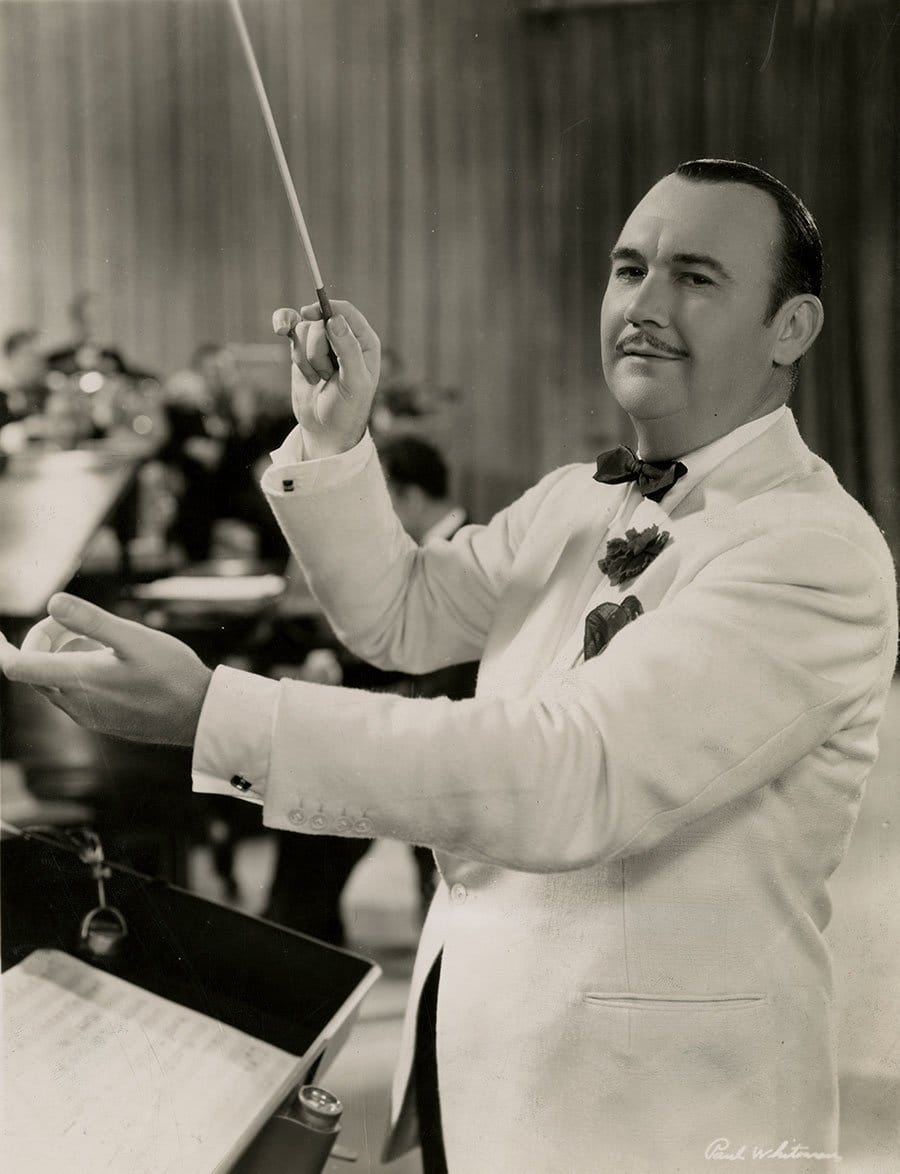
In the 1910s, visual presentation was paramount, particularly for musicians seeking to establish themselves in the burgeoning entertainment industry. Paul Whiteman understood this implicitly, and his sartorial choices reflected a commitment to projecting an image of respectability, professionalism, and sophistication. His preferred attire during this period was formal and traditional, aligning with the expectations of the audiences he sought to attract.
Sharp suits were a staple of Whiteman's wardrobe, typically tailored from high-quality fabrics in dark, muted colors such as navy blue, charcoal grey, or deep brown. These suits were meticulously fitted, accentuating his physique and conveying an air of authority and confidence. The cut of the suits was generally classic, featuring structured shoulders, a tailored waist, and straight-legged trousers. This adherence to established sartorial norms was crucial for reassuring potential clients and audiences that Whiteman was a serious and reliable musician.
Accessories played a key role in completing Whiteman's ensemble. Crisp white shirts, often adorned with starched collars and cuffs, provided a clean and polished contrast to the dark suits. Ties were typically silk or satin, featuring subtle patterns or solid colors that complemented the overall aesthetic. Pocket squares, often folded in a classic square or puff style, added a touch of elegance and refinement. Shoes were invariably polished leather oxfords or dress boots, further reinforcing the image of professionalism and attention to detail.
Beyond clothing, Whiteman paid close attention to his grooming. His hair was neatly styled and carefully maintained, often parted and slicked back with pomade. He was clean-shaven, presenting a youthful and approachable appearance. This meticulous attention to personal grooming was essential for projecting an image of respectability and trustworthiness, particularly when dealing with affluent clients and discerning audiences.
The overall aesthetic was one of understated elegance and refined sophistication. Whiteman understood that his appearance was a visual representation of his musical values: precise, polished, and carefully crafted. This commitment to visual presentation played a significant role in establishing his credibility and attracting the attention of key players in the entertainment industry, paving the way for his future success.
Engineering & Sound Production Analysis
The 1910s represented the dawn of the recording era, a period characterized by technological limitations and innovative solutions. Paul Whiteman's early recordings, while constrained by the available technology, offer valuable insights into his understanding of sonic balance and his efforts to capture the breadth and energy of his orchestra.
Acoustic recording, the dominant method of the time, relied on capturing sound vibrations directly onto a master disc. This process involved directing sound waves into a large horn, which vibrated a diaphragm connected to a cutting stylus. The stylus then etched the vibrations onto a rotating wax or shellac disc. This process was inherently limited in its ability to capture the full frequency range and dynamic range of a musical performance.
Despite these limitations, Whiteman demonstrated a keen awareness of microphone placement and ensemble arrangement to optimize the recording process. He likely experimented with positioning his musicians in relation to the recording horn to achieve a balanced sound. Louder instruments, such as brass and percussion, were likely placed further away from the horn, while quieter instruments, such as strings and woodwinds, were positioned closer. This careful arrangement helped to prevent distortion and ensure that all instruments were audible in the final recording.
Furthermore, Whiteman's arrangements were likely adapted to suit the constraints of acoustic recording. He may have emphasized melodic clarity and simplified complex harmonies to ensure that the music translated effectively through the recording process. He may have also reduced the overall dynamic range of his performances to avoid overloading the recording equipment. These adaptations, while necessary, undoubtedly shaped the sound of Whiteman's early recordings.
It is also important to consider the limitations of the playback equipment available at the time. Early phonographs were often equipped with relatively crude speakers that lacked the ability to reproduce the full frequency range of the recordings. This meant that listeners were only hearing a limited representation of Whiteman's music. Despite these limitations, the novelty of recorded music was undeniable, and Whiteman's early recordings played a significant role in popularizing his music and expanding his audience beyond the confines of live performances.
Cultural Impact & Legacy
While Paul Whiteman's later career would cement his place in the history of popular music, his activities in the 1910s laid the essential groundwork for his future success and cultural impact. His early efforts to blend classical training with popular dance music reflected a broader trend in American culture – the search for a distinct national identity that incorporated both European traditions and uniquely American sensibilities.
Whiteman's orchestras provided a crucial link between the formal concert halls and the increasingly popular dance venues. By incorporating elements of syncopation and early jazz into his arrangements, he helped to bridge the gap between these two worlds, appealing to a broader audience that was eager for new and exciting musical experiences. His performances at society gatherings and public events helped to popularize new dance crazes and shape the social landscape of the era.
Furthermore, Whiteman's early recordings played a vital role in disseminating his music to a wider audience. The burgeoning recording industry offered unprecedented opportunities for musicians to reach listeners beyond their immediate geographic location. Whiteman capitalized on this opportunity, using his recordings to build a national following and establish himself as a prominent figure in the popular music scene. These recordings served as a crucial marketing tool, generating interest in his live performances and solidifying his reputation as a musical innovator.
It is important to acknowledge that Whiteman's role in the popularization of jazz is complex and often controversial. While he undoubtedly contributed to the genre's widespread appeal, he also faced criticism for appropriating black musical traditions and diluting their authenticity. However, his early efforts to blend different musical styles and appeal to a broad audience cannot be ignored. His orchestras provided a platform for many talented musicians, and his innovative arrangements helped to shape the sound of American popular music in the decades that followed.
Critical Reception (Then vs Now)
Critical reception to Paul Whiteman's early work in the 1910s was largely positive, albeit within the context of the prevailing musical tastes and critical standards of the time. Reviewers generally praised his musical skill, his ability to lead a tight and well-rehearsed orchestra, and the popularity of his performances for social events. He was often lauded for his ability to provide both lively and elegant music, catering to the diverse tastes of his audience.
Contemporary observers recognized the limitations of the existing recording technology in fully capturing the energy and nuances of his live performances. However, they still acknowledged the quality of his recorded music and its appeal to a broad audience. Reviews often focused on the danceability of his music and its suitability for social gatherings. He was seen as a provider of entertainment, a skilled craftsman who could deliver music that pleased both the ear and the feet.
In contrast, contemporary assessments of Whiteman's early work are often more nuanced and critical. While acknowledging his musical skill and his role in popularizing certain musical styles, modern critics often point to the appropriation of black musical traditions and the dilution of jazz's improvisational spirit. He is sometimes seen as a symbol of the commercialization of jazz, a figure who profited from the creativity of black musicians while denying them proper recognition and compensation.
However, a balanced perspective requires acknowledging the historical context in which Whiteman operated. The 1910s were a period of profound social and cultural inequalities, and Whiteman's actions must be understood within that framework. While his appropriation of black musical traditions is undeniably problematic, it is also important to recognize that he did provide opportunities for some black musicians and that his music did contribute to the broader dissemination of jazz idioms. A modern understanding of Whiteman’s early work demands a critical and historically informed assessment, acknowledging both his contributions and his limitations.
Conclusion
The decade of the 1910s represents a crucial chapter in the evolution of Paul Whiteman, the musician. It was a time of learning, experimentation, and adaptation. While the "King of Jazz" persona would solidify later, the foundations for his future success were firmly established during this period. He honed his musical skills, developed a keen understanding of audience preferences, and built a reputation as a reliable and innovative entertainer.
His early efforts to blend classical training with popular dance music foreshadowed his later attempts to "symphonize" jazz, a project that would both define and complicate his legacy. His attention to visual presentation and his savvy use of the burgeoning recording industry reflected his understanding of the importance of marketing and promotion in the rapidly evolving entertainment landscape. Ultimately, Paul Whiteman’s journey in the 1910s showcases a musician skillfully navigating the currents of a changing musical world, setting the stage for his controversial, yet undeniably impactful, reign in the decades to come.