Before the advent of Hollywood's silver screen dominance, a different kind of stage held sway over the entertainment landscape: vaudeville. A melting pot of song, dance, comedy, and novelty acts, vaudeville was the proving ground for countless performers, some of whom transitioned to greater fame, while others, equally talented, faded from the collective memory. Polly Moran belongs to the latter category. Though relatively unknown today, during the early 1900s, she was a vibrant presence in the bustling world of vaudeville, captivating audiences with her energetic performances and distinctive charm. Unearthing her story requires piecing together fragments from historical records, anecdotes, and the broader context of the era, allowing us to appreciate her contribution to this vital form of entertainment and her place within the cultural fabric of the time. 1900-1909 Few artists better represent the spirit of the 1900-1909 Music Era.
In-depth Analysis of Musical Style/Evolution
While concrete details regarding Polly Moran's specific musical repertoire remain scarce, we can infer its nature based on the characteristics of vaudeville music at the turn of the century. Vaudeville was, above all, a popular entertainment form, meaning its musical content was largely dictated by the tastes of the masses. Expect to find ragtime influences, catchy melodies, and sentimental ballads forming the backbone of her act. These songs, often performed with theatrical flair, were designed to be instantly engaging and memorable. Humor played a critical role in vaudeville, and many songs would have incorporated comedic elements, be it through witty lyrics, exaggerated delivery, or satirical commentary on contemporary life.
Given the absence of extensive recorded material, it is difficult to trace a clear evolution in Moran's musical style. However, vaudeville was a dynamic environment, and performers constantly adapted their acts to stay relevant and competitive. It is likely that Moran's act evolved over time, incorporating new songs, comedic bits, and potentially even elements from emerging musical styles. The success of a vaudeville performer hinged on their ability to connect with audiences, and this required a constant process of refinement and innovation. Did she try her hand at operetta parodies, or perhaps more risqué numbers? Sadly, these questions remain tantalizing mysteries for now, but delving further into contemporary playbills and theater reviews could potentially shed light on the specific nuances of her performances.
The 'Look': Fashion & Aesthetics Deep Dive
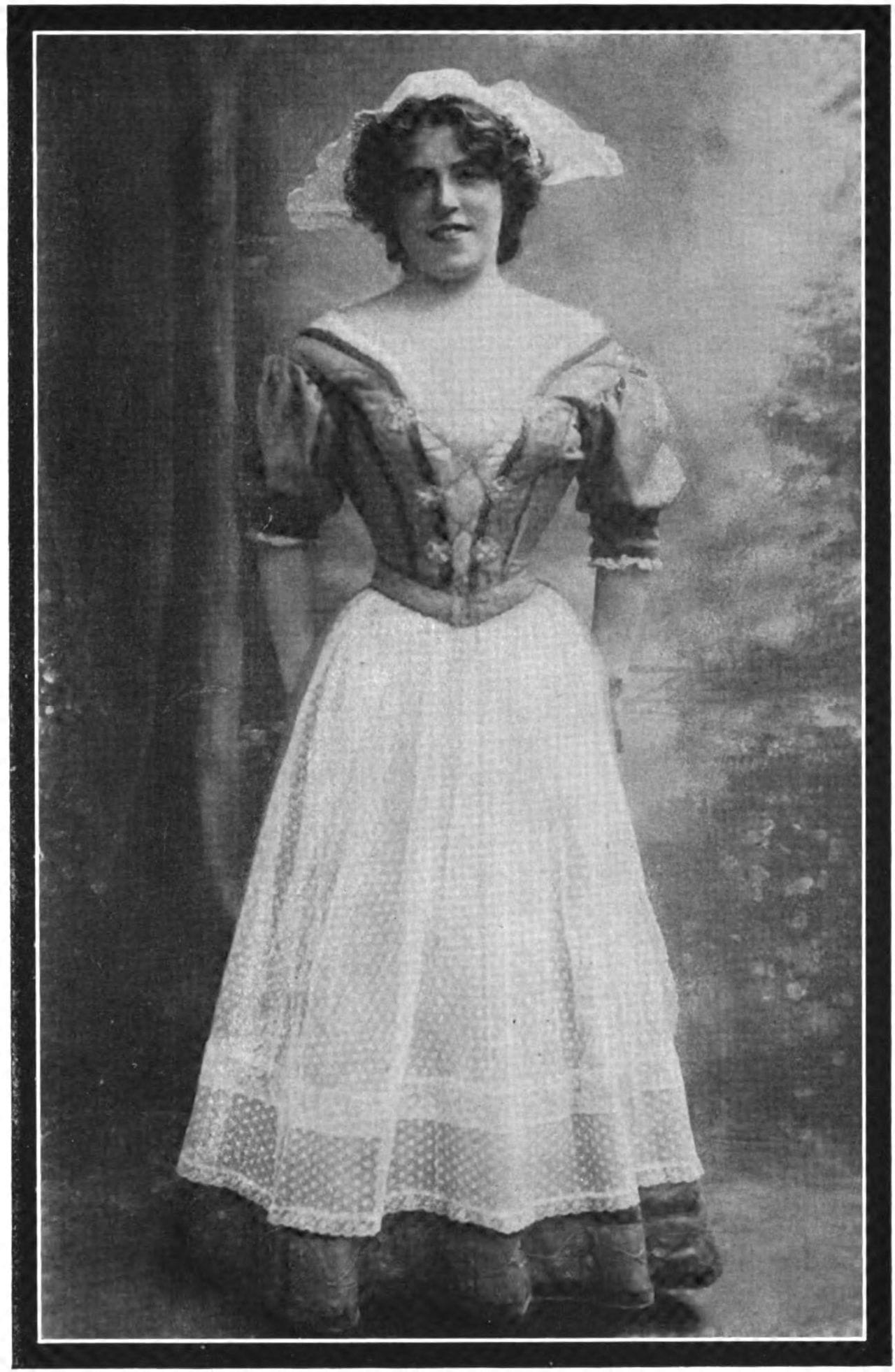
The visual presentation of a vaudeville performer was just as important as their talent. Polly Moran, like her contemporaries, would have carefully crafted her on-stage persona through her costume, makeup, and overall aesthetic. While precise details of her attire are elusive, we can reconstruct a likely image based on the fashion trends and performance conventions of the time. The costumes would have been designed to be eye-catching and expressive, often incorporating bright colors, bold patterns, and theatrical embellishments. Dresses were likely shorter than everyday wear, allowing for greater freedom of movement during dance numbers and comedic routines.
Makeup played a crucial role in enhancing facial features and projecting character under the bright stage lights. Performers often used heavy makeup to exaggerate their expressions and ensure they were visible even from the back of the theater. Hairstyles were typically elaborate, often incorporating wigs, extensions, and intricate arrangements. The overall effect would have been one of heightened theatricality, designed to captivate the audience and contribute to the immersive experience of the vaudeville show. Beyond clothing, accessories also played a vital role. Hats, gloves, and jewelry could all be used to enhance the character being portrayed and add visual interest to the performance. Given the comedic nature of vaudeville, it's highly probable that Moran's look occasionally included intentionally outlandish or exaggerated elements, enhancing the humor of her act.
Engineering & Sound Production Analysis
The early 1900s were a period of rapid technological advancement, but sound recording technology was still in its infancy during the peak of Polly Moran's vaudeville career. If any recordings of her performances exist, they would have been made using acoustic recording methods. This process involved capturing sound waves directly onto a master recording, typically a wax cylinder or disc, using a large horn that focused the sound onto a diaphragm. The limitations of this technology are significant. Sound quality would have been considerably lower than modern recordings, with a limited frequency range and a tendency to distort loud sounds.
Acoustic recording techniques favored clarity in vocals and prominent instruments, as these were the easiest to capture effectively. Complex arrangements and subtle nuances in instrumentation would have been difficult to reproduce accurately. As such, recordings from this era often sound somewhat "thin" and lack the depth and richness of later recordings. If Moran did record, her voice would have needed to be powerful and clear to project effectively into the recording horn. The accompanying musicians would have had to carefully balance their instruments to ensure they were audible without overpowering the vocals. Understanding these limitations provides a valuable context for appreciating any existing recordings of vaudeville performers from this era, including the possibility of unearthing previously unknown recordings of Polly Moran.
Cultural Impact & Legacy
Polly Moran's cultural impact, while perhaps not widely recognized today, should be viewed within the context of the broader vaudeville phenomenon. Vaudeville was a powerful force in shaping popular culture in the early 20th century. It provided a platform for diverse voices and perspectives, reflecting the social and cultural landscape of the time. Vaudeville acts often addressed topical issues, satirized social norms, and celebrated the diversity of American life. Performers like Moran helped to popularize new musical styles, comedic trends, and fashion sensibilities, influencing the tastes and attitudes of audiences across the country.
Although she isn't a household name, Moran, as a participant in the vaudeville scene, contributed to its vibrant energy and lasting legacy. The skills honed on the vaudeville stage—improvisation, comedic timing, musical versatility, and the ability to connect with a live audience—proved invaluable for many performers who later transitioned to film, radio, and television. Vaudeville laid the groundwork for many of the entertainment forms we enjoy today, and performers like Polly Moran played a crucial role in shaping its development. By studying her career and the broader context of vaudeville, we gain a deeper appreciation for the roots of modern entertainment and the contributions of those who helped to create it. The spirit of vaudeville – its eclecticism, its accessibility, and its sheer energy – continues to resonate in contemporary performance, even if the names of some of its brightest stars have been largely forgotten.
Critical Reception (Then vs Now)
Assessing Polly Moran's critical reception during her vaudeville years presents a significant challenge due to the limited availability of archival materials. Unlike film or literature, vaudeville performances were ephemeral events, leaving behind few tangible traces beyond playbills, posters, and occasional reviews in local newspapers. These reviews, if they exist, would have likely focused on the overall quality of the show rather than providing in-depth analysis of individual performers. However, the primary indicator of success for a vaudeville performer was arguably audience popularity. If Moran was consistently booked at reputable theaters and drew enthusiastic crowds, it suggests that she was well-received by audiences.
Today, the "critical reception" of Polly Moran rests more on historical reconstruction and informed speculation than on concrete reviews. Based on the available evidence and the broader context of vaudeville, it is reasonable to assume that she was a respected and talented performer who contributed to the vibrant entertainment scene of her time. Re-evaluating figures like Moran is important because it helps us to broaden our understanding of entertainment history and recognize the contributions of those who may have been overlooked by mainstream narratives. Her story serves as a reminder that talent and dedication are not always rewarded with lasting fame, and that there are countless unsung heroes who have enriched our cultural landscape.
Conclusion
Polly Moran's story, though fragmented and incomplete, offers a fascinating glimpse into the world of vaudeville and the lives of the performers who brought joy and entertainment to audiences in the early 20th century. While the specifics of her act and her personal journey remain somewhat shrouded in mystery, we can piece together a picture of a talented and engaging performer who made a significant contribution to this vital form of entertainment. By examining her career within the context of vaudeville's cultural landscape, we can appreciate her role in shaping popular tastes and laying the groundwork for future generations of performers. Further research and archival discoveries may yet shed more light on her life and work, ensuring that her name is not entirely forgotten.