Era:
Raymond Hitchcock, a name perhaps less familiar to contemporary audiences than those of Chaplin or Keaton, nevertheless held a significant place in the comedic landscape of the early 20th century. A star of vaudeville, Broadway, and early cinema, Hitchcock carved out a niche for himself as a purveyor of sophisticated wit and charming absurdity. His career, flourishing primarily in the 1910s, offers a fascinating glimpse into the evolving tastes and entertainment preferences of a rapidly changing America. He wasn’t just a comedian; he was a personality, an embodiment of a particular type of urbanity that resonated deeply with theatergoers and record buyers alike. This biography delves into the life and career of Raymond Hitchcock, exploring his musical style, stage presence, cultural impact, and enduring legacy as a key figure in the transition from vaudeville to modern entertainment. 1910-1919 To truly appreciate the 1910-1919 Music Era, one must understand the impact of this artist.
A Star is Born: From Theater to Vaudeville and Beyond
Raymond Crane Hitchcock was born in Auburn, New York, in 1865. While details of his early life are somewhat scarce, it's clear he gravitated towards the performing arts from a young age. He began his career in stock theater, honing his acting skills and developing the comedic timing that would later become his trademark. The late 19th and early 20th centuries were a golden age for live entertainment, and Hitchcock quickly found success in the burgeoning vaudeville circuit. Vaudeville, a diverse and eclectic form of entertainment, provided him with a platform to showcase his multifaceted talents. He wasn't just a stand-up comedian; he was an actor, a singer (of sorts), and a master of physical comedy, all rolled into one. This versatility allowed him to thrive in the fast-paced, demanding world of vaudeville, where performers needed to constantly innovate to keep audiences engaged. His success in vaudeville quickly propelled him to the Broadway stage, where he further solidified his reputation as a leading comedic actor.
In-depth Analysis of Musical Style/Evolution: Witty Patter and Light Operetta
While not a classically trained vocalist, Raymond Hitchcock's musical contributions were integral to his comedic performances. He understood the power of song to enhance humor and engage audiences. His musical style leaned heavily on light operetta and humorous novelty songs, perfectly tailored to his comedic timing and persona. He wasn't aiming for vocal virtuosity; instead, he focused on delivering witty lyrics with impeccable diction and a knowing wink. Think of it as proto-musical comedy – the songs were there to serve the jokes and the story, not the other way around. Hitchcock often incorporated "patter songs" into his routines – rapid-fire delivery of clever lyrics, often with a satirical or observational bent. These songs allowed him to showcase his sharp wit and connect with audiences on a more intellectual level. He would often collaborate with talented songwriters and composers of the era, ensuring that his musical numbers were both entertaining and well-crafted. The arrangements were typically simple and straightforward, emphasizing the clarity of his vocals and the humor of the lyrics. Orchestral accompaniment was common, adding a touch of sophistication to his performances. It's important to remember that Hitchcock's musical style was not about pushing boundaries or experimenting with new sounds. It was about providing a polished and entertaining complement to his comedic routines, and in that, he succeeded admirably.
The 'Look': Fashion & Aesthetics Deep Dive – The Dapper Gentleman
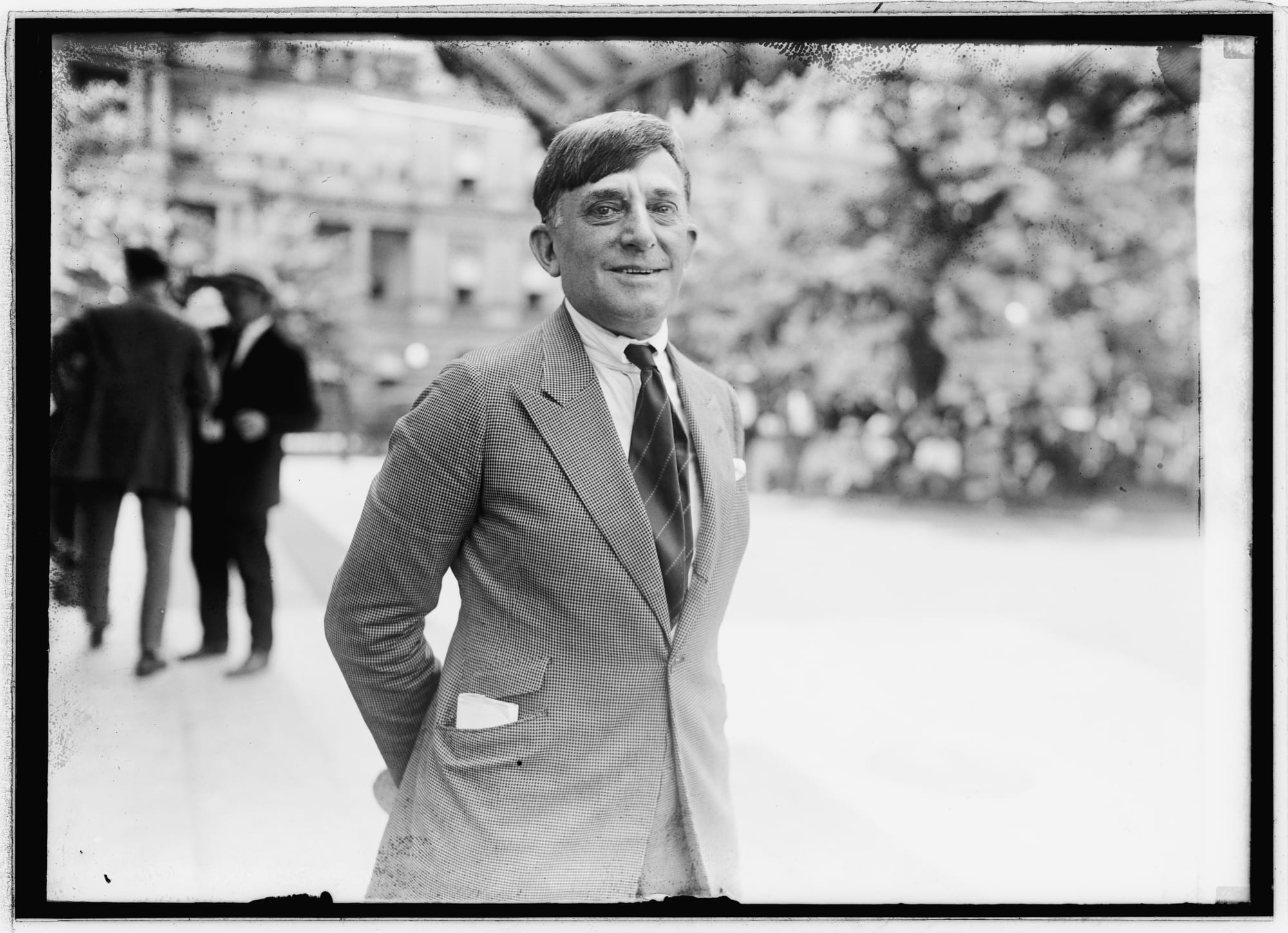
Raymond Hitchcock's image was as carefully constructed as his comedic routines. He cultivated a persona of the dapper, middle-aged gentleman, a look that resonated with audiences of the time. His fashion choices reflected the sophisticated attire of the era, with tailored suits, crisp shirts, and perfectly knotted ties being his signature. The mustache, neatly groomed and impeccably maintained, was a crucial element of his overall look. It added a touch of gravitas and sophistication to his comedic persona, suggesting a man of experience and worldliness. Hitchcock understood the importance of presentation, and he meticulously crafted his appearance to enhance his stage presence. He wasn't a flamboyant dresser; his style was understated and elegant, reflecting the values of respectability and refinement that were prized in early 20th-century society. He helped popularize the image of the "older man" as a figure of charm and wit, challenging the stereotype of aging as a decline in attractiveness and vitality. His sartorial choices projected an image of success and sophistication, further enhancing his appeal to audiences who aspired to a similar lifestyle. In an era where visual media was rapidly gaining influence, Hitchcock understood the power of image, and he used his fashion sense to create a lasting impression.
Engineering & Sound Production Analysis: Capturing the Comedic Spirit
Recordings of Raymond Hitchcock are, understandably, limited by the technological constraints of the early 20th century. However, even within these limitations, they provide valuable insights into his performance style and the engineering techniques used to capture his comedic spirit. Early recording methods, such as acoustic recording, required performers to project their voices directly into a horn, which presented challenges for capturing the nuances of his delivery. Despite these challenges, engineers managed to capture clear vocals and arrangements that emphasized his comedic timing. The focus was on clarity and audibility, ensuring that his witty lyrics and spoken asides were easily understood by listeners. The arrangements were often simplified for recording purposes, with fewer instruments used to avoid overwhelming the limited recording equipment. Early microphone technology was primitive compared to modern standards, meaning that sound levels had to be carefully managed to avoid distortion. Engineers relied on strategic placement of microphones and performers to achieve the best possible sound quality. The recordings themselves offer a glimpse into the soundscapes of the era, with the distinct crackle and hiss of early recording technology adding a layer of historical authenticity. While not high-fidelity by today's standards, these recordings serve as valuable documents of Hitchcock's talent and the ingenuity of early sound engineers.
Cultural Impact & Legacy: A Pioneer of Sophisticated Humor
Raymond Hitchcock's cultural impact extended beyond his immediate success on stage and record. He played a significant role in shaping the landscape of American comedy, bridging the gap between vaudeville and modern entertainment. His sophisticated brand of humor, characterized by witty wordplay and observational satire, appealed to a broad audience, transcending social class and demographic boundaries. He helped to elevate comedy from mere slapstick to a more intellectual and nuanced art form. Hitchcock's influence can be seen in the work of later comedians who adopted a similar style, such as Bob Hope and Jack Benny. He paved the way for a more sophisticated and literate form of comedy that would become a staple of American entertainment. Beyond comedy, Hitchcock's success helped legitimize vaudeville as a legitimate form of artistic expression. He demonstrated that vaudeville could be more than just a collection of cheap thrills; it could be a platform for intelligent and engaging entertainment. While his name may not be as widely recognized today as those of other comedic giants, Raymond Hitchcock's contribution to American culture remains significant. He was a pioneer of sophisticated humor, a master of stagecraft, and a true entertainer who left an indelible mark on the world of comedy.
Critical Reception (Then vs Now): A Charming Presence, Enduring Appeal
During his lifetime, Raymond Hitchcock garnered widespread acclaim for his comedic timing, charming stage presence, and ability to connect with audiences. Critics consistently praised his performances for their entertainment value and his ability to deliver witty lines with impeccable delivery. While his work was not always considered high art, it was universally recognized as being highly entertaining and skillfully crafted. Contemporary reviews often highlighted his "effortless charm" and his ability to make audiences laugh without resorting to vulgarity or cheap gags. He was seen as a refined and sophisticated comedian, a welcome contrast to some of the more boisterous and lowbrow performers of the era. Looking back today, Hitchcock's work still holds up surprisingly well. While some of the references and cultural context may be unfamiliar to modern audiences, the underlying wit and humor remain timeless. His performances offer a valuable glimpse into the entertainment preferences of the early 20th century and provide a fascinating perspective on the evolution of American comedy. Although not as readily accessible as the work of some of his contemporaries, Hitchcock's recordings and surviving film appearances offer a compelling case for his enduring appeal and historical significance. His brand of sophisticated humor, while perhaps understated by today's standards, continues to resonate with those who appreciate wit, intelligence, and a touch of old-fashioned charm.
Conclusion: An Enduring Legacy of Laughter
Raymond Hitchcock's career, though primarily centered in the 1910s, stands as a testament to the enduring power of wit and charm. He was a master of his craft, seamlessly blending music, comedy, and stage presence to create a unique and unforgettable entertainment experience. While his name might not be as instantly recognizable as some of his contemporaries, his influence on American comedy and popular culture remains significant. He helped elevate the art of vaudeville, paving the way for a more sophisticated and nuanced form of humor that would become a staple of American entertainment. He was a pioneer in his own right, a dapper gentleman who brought laughter and joy to audiences across the country. Raymond Hitchcock's legacy lives on through his recordings, his surviving film appearances, and the enduring appreciation of those who recognize his contribution to the rich tapestry of American entertainment history. He reminds us that even in a rapidly changing world, the power of a well-timed joke and a charming personality will always have a place in our hearts.
© Music Artist Vault. All rights reserved.