Richard Jose, a name perhaps less familiar today than Enrico Caruso or John McCormack, nevertheless carved a significant niche for himself in the early years of the 20th-century recording industry. As a popular tenor, Jose's recordings of sentimental ballads and light operatic fare found a wide audience, making him a household name in many homes equipped with the latest gramophones and phonographs. His story is not just one of vocal talent, but also a fascinating glimpse into the nascent world of commercial music recording and the evolving tastes of a rapidly changing society. This biography will delve into Jose's life, musical style, the technology that captured his voice, and his lasting impact on the landscape of popular music. 1900-1909 Within the broader context of the 1900-1909 Music Era, their work remains timeless.
A Voice for a New Era: Musical Style and Evolution
Richard Jose's musical style was firmly rooted in the popular vocal tradition of his time. He was a tenor, a voice type prized for its clarity, range, and emotional expressiveness. His repertoire consisted primarily of ballads, sentimental songs, and lighter selections from operas and operettas. Songs like "Silver Threads Among the Gold," arguably his most famous recording, exemplify his approach: a clear, slightly vibrato-laden tenor voice delivering a melody ripe with nostalgia and sentimentality. He also found success with "Goodbye, My Lady Love," showcasing a more playful side to his vocal persona.
Jose’s singing style prioritized clarity and diction, crucial for a listening public that was still getting accustomed to the imperfect sound quality of early recordings. He projected his voice with considerable power, a necessity given the limitations of acoustic recording. But this power was always controlled, channeled into conveying the emotional core of each song. His phrasing was deliberate, drawing out the pathos of ballads and adding a touch of operatic flair to his more classical interpretations.
While it's difficult to trace a distinct "evolution" in Jose's musical style across his relatively short recording career, his choice of repertoire does offer some insight into the changing musical landscape. He continued to perform and record songs that resonated with audiences during the transition from the Victorian era to the Edwardian era, and on into the first decade of the 20th century. This period saw a growing demand for lighter, more accessible forms of entertainment, and Jose's selection of sentimental songs and popular melodies catered directly to this trend. He wasn’t necessarily pushing the boundaries of musical innovation, but rather solidifying his position as a reliable interpreter of popular taste.
The 'Look': Fashion & Aesthetics Deep Dive
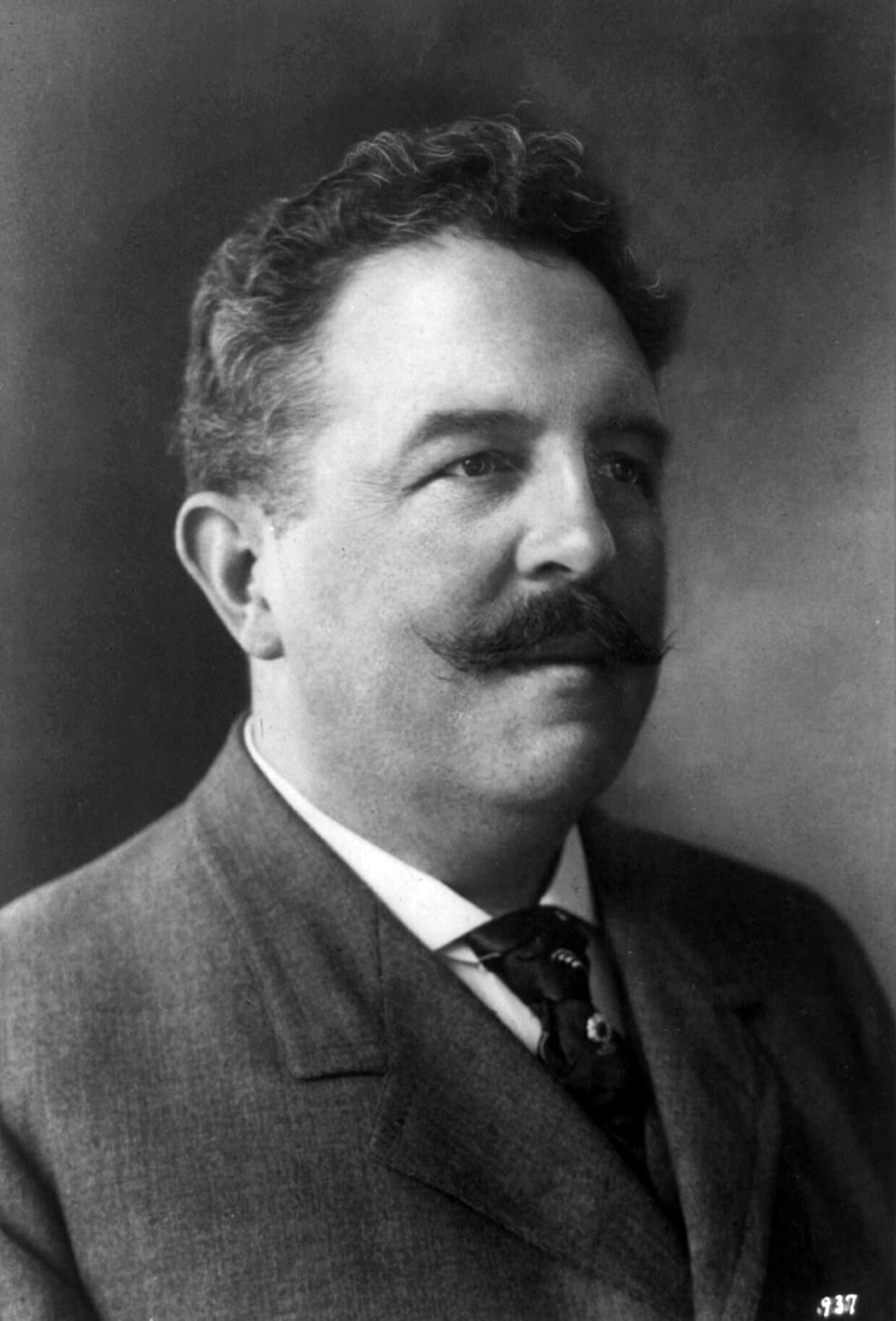
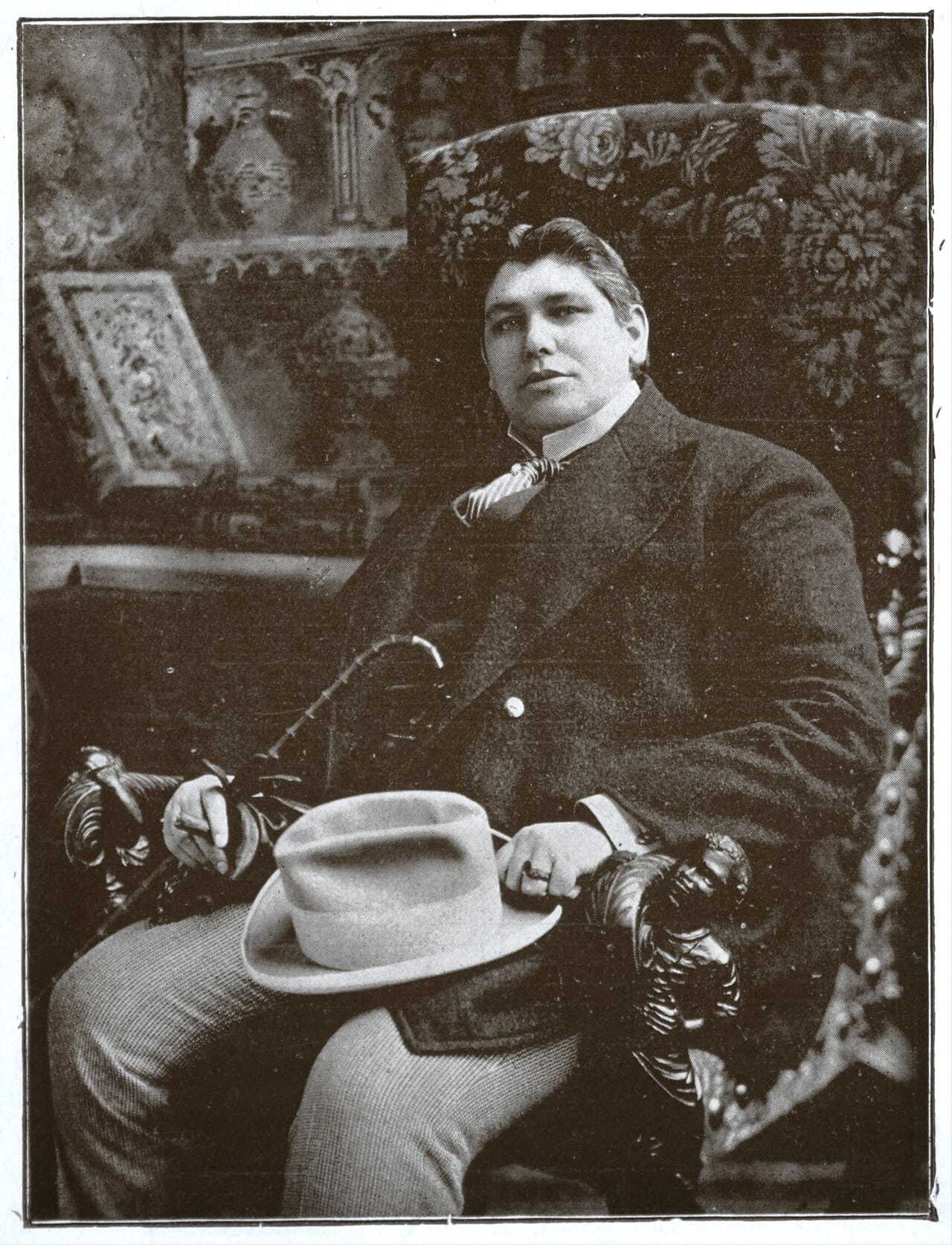
While audio recordings are what remain of Richard Jose's legacy, considering his visual presentation provides a more complete picture of the artist and his place in society. Though detailed information on his personal style is scarce, we can infer much from surviving photographs and the prevailing fashion norms for concert singers of the period.
Jose likely adhered to the formal attire expected of male performers during the early 20th century. Suits were undoubtedly a staple of his wardrobe, likely consisting of dark, well-tailored ensembles. The cut would have been relatively conservative, reflecting the sartorial standards of the time: high-buttoned jackets, often with a vest, and neatly pressed trousers. Shirts would have been starched and collared, often worn with a tie or cravat. Accessories, such as pocket watches and cufflinks, would have added a touch of understated elegance.
His photographs convey an image of dignity and professionalism. He presents himself as a serious artist, befitting the tenor tradition. There is a conscious effort to project an air of respectability, aligning with the expectations of his audience. This visual presentation contributed to his overall persona, reinforcing the idea of him as a cultured and refined entertainer, capable of delivering both the emotional weight of ballads and the artistic demands of operatic excerpts.
Ultimately, Jose's "look" was one of polished respectability, a visual embodiment of the musical values he represented. It was a style that resonated with his audience, reinforcing his position as a purveyor of refined and emotionally resonant entertainment.
Engineering & Sound Production Analysis
Richard Jose’s recordings offer a fascinating case study in the early days of sound recording technology. He recorded almost exclusively using the acoustic method, which preceded the advent of electrical recording in the mid-1920s. This method relied entirely on mechanical principles: sound waves were captured by a large horn, which vibrated a diaphragm connected to a stylus. The stylus then etched a groove onto a rotating wax cylinder or disc. The resulting recording was, therefore, a direct physical representation of the sound waves.
The limitations of this technology were considerable. The dynamic range was narrow, meaning that the difference between the loudest and quietest sounds that could be accurately recorded was limited. Orchestral accompaniment had to be carefully arranged to avoid overpowering the singer's voice. Microphone placement was crucial; singers and musicians had to be positioned strategically in front of the recording horn to achieve optimal balance. The frequency range was also limited, meaning that very high and very low frequencies were often lost or distorted. Certain instruments, like drums, were notoriously difficult to record accurately using the acoustic method.
Despite these limitations, Jose's recordings are a testament to the ingenuity of early recording engineers. His powerful and clear tenor voice was well-suited to the acoustic process. Engineers likely worked closely with him to optimize his vocal projection and diction for the recording horn. Careful attention was paid to the arrangement of the accompanying orchestra, ensuring that it supported the vocal line without overwhelming it. The fact that his voice comes through so clearly, even after over a century, speaks to both his vocal power and the skill of the recording engineers.
Listening to Jose’s recordings today provides a unique window into the past. The inherent imperfections of the acoustic recording process – the surface noise, the limited frequency range, the somewhat muffled sound – are all part of the experience. They serve as a reminder of the technological limitations of the era and highlight the remarkable achievements of the artists and engineers who worked within those constraints.
Cultural Impact & Legacy
Richard Jose’s popularity in the early 20th century highlights the evolving cultural landscape of the time. As the recording industry grew, artists like Jose brought music into homes that previously had limited access to live performances. His commercially successful records made him a familiar voice in households across America and beyond. He contributed to the democratization of music, making it more accessible to a wider audience.
His choice of repertoire also reflects the prevailing cultural values of the period. The sentimental ballads and light operatic selections resonated with an audience that valued emotion, nostalgia, and traditional forms of entertainment. Songs like "Silver Threads Among the Gold" tapped into a deep vein of sentimentality, evoking images of aging, love, and family. These themes were central to the cultural consciousness of the time, and Jose’s ability to convey them through his music contributed to his widespread appeal.
While Jose is not as widely remembered today as some of his contemporaries, his recordings remain a valuable historical document. They offer insights into the musical tastes, cultural values, and technological capabilities of the early 20th century. They also serve as a reminder of the important role that artists like Jose played in shaping the nascent recording industry and bringing music into the lives of millions.
His legacy, therefore, is not just one of individual artistic achievement, but also one of cultural significance. He was a key figure in the popularization of recorded music, helping to pave the way for the mass entertainment industry that would come to dominate the 20th century.
Critical Reception (Then vs Now)
During his recording career, Richard Jose received a mixed but generally positive critical reception. Contemporary reviews often praised his vocal clarity, powerful projection, and emotional delivery. Critics noted his ability to connect with audiences through his interpretations of sentimental ballads and popular operatic excerpts. His diction was also frequently commended, a crucial aspect given the limitations of early recording technology. However, some critics found his repertoire somewhat sentimental or lacking in artistic depth. His focus on popular appeal was sometimes seen as a compromise of artistic integrity.
Modern assessments of Jose's work tend to be more contextualized. Historians and musicologists recognize the limitations of the acoustic recording process and the cultural context in which he operated. His choice of repertoire is understood as a reflection of the prevailing musical tastes of the time, rather than a personal artistic failing. His vocal technique is appreciated for its clarity and power, particularly given the challenges of recording technology.
Furthermore, contemporary audiences are more likely to recognize the historical significance of his recordings. They are viewed as valuable documents of the early recording industry, offering insights into the musical practices and cultural values of the early 20th century. While his music may not appeal to all modern listeners, his contribution to the popularization of recorded music is undeniable.
Ultimately, the critical reception of Richard Jose has evolved over time. While some contemporary critics may have been dismissive of his focus on popular appeal, later assessments have recognized his historical significance and the technical skill that he brought to his recordings. He is now viewed as an important figure in the early history of recorded music, a tenor who helped to bring music into the homes of millions and shape the cultural landscape of the 20th century.
Conclusion
Richard Jose's story is a testament to the power of voice and the transformative impact of early recording technology. As a popular tenor, he captured the hearts of audiences with his clear, expressive singing and his selection of sentimental ballads and light operatic fare. His recordings, while limited by the technology of the time, remain a valuable historical document, offering insights into the musical tastes, cultural values, and technological capabilities of the early 20th century. While he may not be a household name today, his contribution to the popularization of recorded music and his role in shaping the nascent recording industry cannot be denied. He was a voice for a new era, a tenor who helped to bring music into the lives of millions and pave the way for the mass entertainment industry that would come to dominate the 20th century. His legacy lives on through his recordings, a reminder of a time when music was a cherished commodity and the human voice held a special power to move and inspire.