Era:
Introduction: The Last of the Red Hot Mamas Arrives
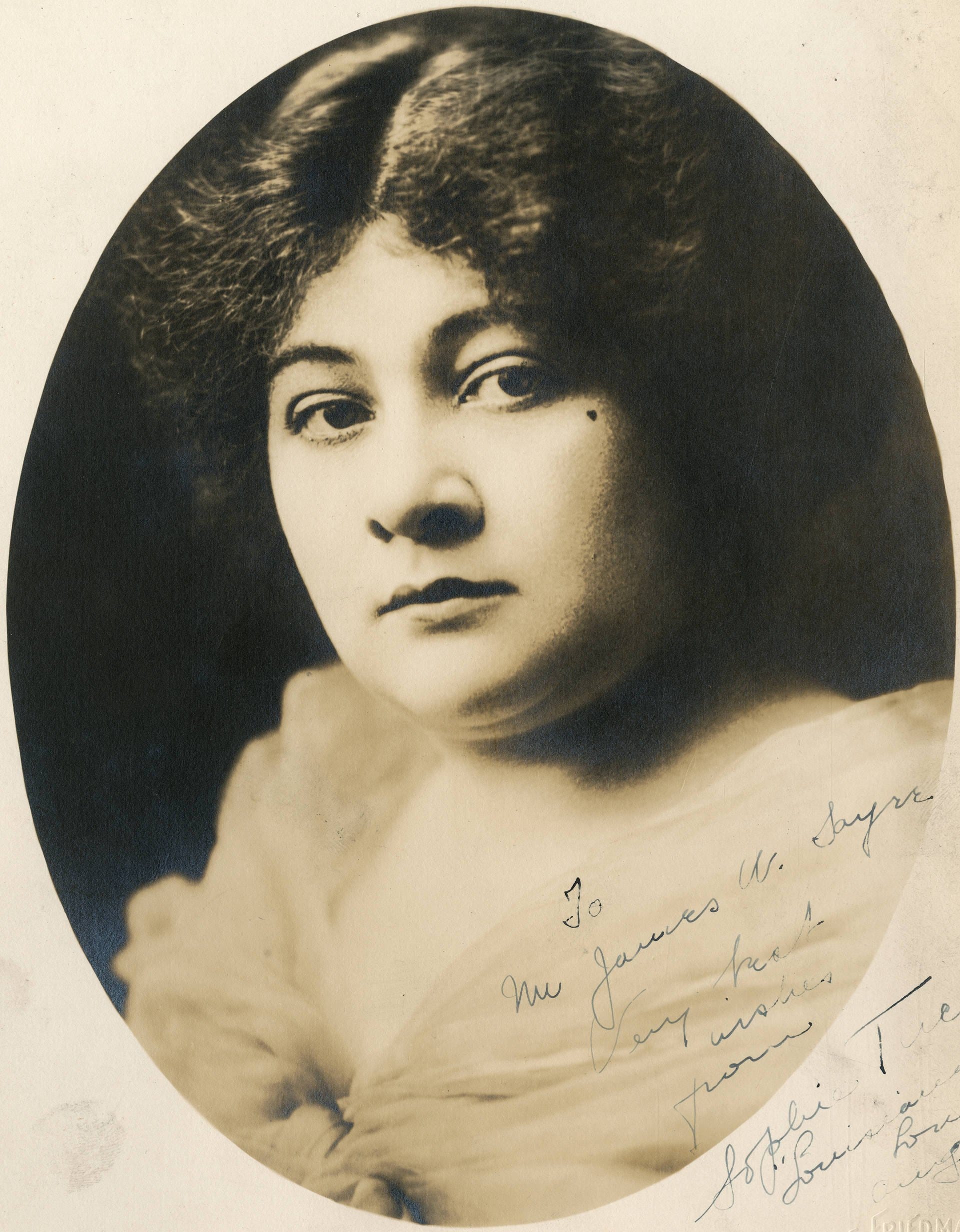
Sophie Tucker, a name synonymous with brassy vocals, unapologetic sexuality, and an indomitable spirit, reigned supreme as one of the most popular and influential entertainers of the early 20th century. Emerging from the vibrant world of vaudeville, Tucker transcended the limitations placed upon women in the 1910s, carving a niche for herself with her bold performances and even bolder personality. More than just a singer, she was a force of nature, a savvy businesswoman, and a champion for female empowerment at a time when such advocacy was far from mainstream. This biography delves into the life and career of the "Last of the Red Hot Mamas," exploring her musical evolution, distinctive style, cultural impact, and enduring legacy. 1910-1919 A cornerstone of the 1910-1919 Music Era, their influence echoes to this day.
In-depth Analysis of Musical Style/Evolution: From Vaudeville to Jazz Infusion
Sophie Tucker's musical journey was a reflection of the changing landscape of American popular music. Starting in the rough-and-tumble world of vaudeville, she honed her skills as a performer, learning to command attention and connect with audiences through sheer force of personality. Her early repertoire consisted of popular songs of the day, often infused with comedic elements and exaggerated expressions. However, it was her embrace of blues and burgeoning jazz influences that truly set her apart.
Tucker’s signature sound developed as a powerful blend of vaudeville showmanship and the raw emotionality of the blues. Her vocal delivery was anything but subtle. She possessed a robust, resonant voice, capable of both delicate phrasing and booming pronouncements. Unlike the trained operatic voices that dominated some corners of the entertainment world, Tucker’s voice was earthy and relatable, imbued with a palpable sense of lived experience. She didn’t just sing a song; she lived it on stage, drawing the audience into her world of heartbreak, longing, and unbridled joy.
Hits like "Some of These Days" became her calling card, showcasing her ability to belt out a tune with unmatched passion. This particular song, initially performed by Shelton Brooks, became indelibly linked with Tucker's persona. Her interpretation was far more than a mere cover; she infused it with her own unique brand of energy and pathos, transforming it into an anthem of resilience and survival. Other notable songs included "My Yiddishe Mama," a sentimental tribute to her Jewish heritage that resonated deeply with immigrant communities, and more risqué numbers that celebrated female desire and independence.
As jazz began to take hold, Tucker incorporated elements of syncopation and improvisation into her performances. While she wasn't a jazz singer in the strictest sense, her willingness to experiment and adapt her style kept her music fresh and relevant. She collaborated with jazz musicians, incorporating their improvisational skills into her arrangements and creating a sound that was both familiar and innovative. This fusion of vaudeville tradition and jazz innovation cemented her position as a leading figure in American popular music.
The 'Look': Fashion & Aesthetics Deep Dive
Sophie Tucker understood the power of image. Her stage presence was carefully constructed to project confidence, glamour, and a touch of rebelliousness. Her fashion choices played a vital role in creating this persona. She favored bold and extravagant outfits that accentuated her figure and commanded attention.
Large hats were a staple of her wardrobe, often adorned with feathers, sequins, and other eye-catching embellishments. These weren't just mere accessories; they were symbols of her status and power, crowning her as the queen of the stage. Furs were another signature element, draping her in luxury and conveying an air of sophistication. These weren't subtle additions; they were bold statements of affluence and success, reflecting the rewards of her hard work and talent.
Her gowns were equally lavish, often featuring intricate beading, shimmering fabrics, and plunging necklines. These were designed to showcase her figure and exude sensuality. Unlike the demure and restrictive fashions that were often prescribed for women at the time, Tucker's clothing celebrated her curves and projected an image of unapologetic sexuality. She embraced her body and refused to conform to societal expectations, becoming a role model for women who dared to challenge conventional norms.
Beyond the specific garments, Tucker's overall aesthetic was one of confidence and self-assurance. She knew how to work the stage, using her body language and gestures to captivate the audience. Her expressive eyes, infectious smile, and dynamic movements all contributed to her magnetic presence. She was a master of self-presentation, carefully crafting her image to reinforce her message of female empowerment and personal freedom.
Engineering & Sound Production Analysis
Analyzing the engineering and sound production of Sophie Tucker's recordings requires an understanding of the technological limitations of the era. The 1910s were a time of rapid innovation in recording technology, but the process was still relatively primitive compared to modern standards. Acoustic recording methods were the norm, meaning that singers and musicians had to perform directly into a large horn that channeled sound vibrations onto a stylus, which then etched grooves onto a wax disc.
Given these limitations, the primary focus of producers was on capturing the clarity and power of Tucker's vocals. Complex instrumentation and elaborate arrangements were often sacrificed in favor of a clear and direct sound. Microphones were still in their infancy, and the dynamic range of the recording equipment was limited. This meant that producers had to carefully balance the levels to prevent distortion and ensure that Tucker's voice remained the dominant element in the mix.
The recordings often feature a sparse arrangement, typically consisting of a piano, drums, and perhaps a few other instruments. The emphasis was on creating a solid rhythmic foundation for Tucker's vocals, allowing her to showcase her phrasing and emotional delivery. While the sound quality may seem dated by today's standards, these recordings offer a valuable glimpse into the raw energy and excitement of Tucker's stage persona.
The limitations of the recording technology also forced Tucker to adapt her performance style. She had to project her voice with considerable force and control to ensure that it registered properly on the recording equipment. This likely contributed to the powerful and assertive quality that became her trademark. Despite the technological constraints, Tucker's recordings managed to capture the essence of her live performances, preserving her legacy for future generations.
Cultural Impact & Legacy
Sophie Tucker's cultural impact extended far beyond the realm of entertainment. She became a symbol of female empowerment, challenging societal norms and inspiring women to embrace their sexuality and pursue their ambitions. Her unapologetic celebration of female desire was particularly groundbreaking, especially in an era when women were often relegated to passive and subservient roles.
Tucker's success as a businesswoman was also remarkable. She managed her own career, negotiated contracts, and invested wisely, becoming a wealthy and independent woman at a time when few women had such opportunities. She served as a role model for aspiring female entrepreneurs, demonstrating that women could succeed in the business world on their own terms.
Her influence can be seen in the work of subsequent generations of female performers, from Mae West to Bette Midler. These artists all drew inspiration from Tucker's bold and provocative style, pushing the boundaries of what was considered acceptable for women in entertainment. She paved the way for these artists to express themselves freely and challenge conventional expectations.
Tucker's legacy also extends to the broader cultural landscape. She helped to popularize blues and jazz music, bringing these genres to a wider audience. Her recordings and performances contributed to the development of American popular music, shaping the sound of the 20th century. She remains an icon of American entertainment, celebrated for her talent, her resilience, and her unwavering commitment to her own unique vision.
Critical Reception (Then vs Now)
During her lifetime, Sophie Tucker faced both adulation and criticism. She was celebrated for her vivacious personality, powerful vocals, and captivating stage presence. Audiences flocked to her performances, drawn to her energy and her ability to connect with them on a deeply emotional level. Critics praised her talent and her ability to transform even the most mundane songs into unforgettable experiences.
However, she also faced criticism for the suggestive nature of her songs and stage presence. Some critics found her performances to be vulgar and inappropriate, particularly in an era when societal expectations for women were highly restrictive. Her unapologetic celebration of female sexuality was seen as a challenge to traditional values, and she was often accused of being too provocative.
In retrospect, Tucker's work is viewed in a much more positive light. Historians and critics now recognize her as a pioneer of female empowerment, a trailblazer who challenged societal norms and paved the way for future generations of female performers. Her willingness to embrace her sexuality and express herself freely is seen as a courageous act, and her contributions to American popular music are widely celebrated.
While some of her songs may seem dated or even offensive by modern standards, it's important to remember the historical context in which they were created. Tucker was working in a time of significant social change, and her music reflected the evolving attitudes towards women and sexuality. Her legacy as a groundbreaking artist and a champion of female empowerment remains secure, and her influence can still be felt in the work of contemporary performers.
Conclusion: The Enduring Flame of the Red Hot Mama
Sophie Tucker was more than just an entertainer; she was a cultural icon who defied expectations and transformed the landscape of American popular music. From her humble beginnings in vaudeville to her reign as the "Last of the Red Hot Mamas," she captivated audiences with her powerful voice, her magnetic stage presence, and her unwavering commitment to her own unique vision. Her legacy as a pioneer of female empowerment and a trailblazer of American entertainment endures, inspiring generations of performers to embrace their individuality and challenge the status quo. Sophie Tucker's flame continues to burn brightly, reminding us of the power of music, the importance of self-expression, and the enduring spirit of the Red Hot Mama.
© Music Artist Vault. All rights reserved.