In the nascent years of the 20th century, a time of immense social and technological transformation, the Haydn Quartet emerged as a significant force in the world of chamber music. Though their name might not resonate as readily as some of their more prominently recorded contemporaries, their dedication to the classical repertoire and their passionate performances left an indelible mark on the musical landscape of the era. This deep dive explores the quartet's musical style, aesthetic choices, engagement with early recording technology, cultural impact, and critical reception, both during their active period and in retrospect, shedding light on their contributions to the evolution of chamber music performance. 1900-1909 Their contributions were pivotal to the evolution of the 1900-1909 Music Era.
In-depth Analysis of Musical Style and Evolution
The Haydn Quartet’s musical identity was firmly rooted in the classical tradition. Their name itself signaled a profound reverence for Joseph Haydn, the "father of the string quartet," and their repertoire reflected this admiration. They were known for their meticulously crafted interpretations of Haydn's quartets, bringing a fresh vitality to these cornerstones of the chamber music canon. Alongside Haydn, the quartet regularly performed works by Mozart and early Beethoven, forming a core repertoire that showcased their technical precision and interpretive depth.
However, the Haydn Quartet was not merely a museum piece, rigidly adhering to historical performance practice as it would later be understood. While grounded in the classics, they subtly incorporated contemporary harmonic language and performance techniques into their renditions. This delicate balance allowed them to honor the composers' intentions while simultaneously engaging with the evolving musical sensibilities of the early 20th century. Accounts suggest they experimented with varying vibrato, phrasing, and dynamic contrasts, adding a layer of expressive nuance that differentiated their performances from a purely academic exercise.
The quartet's commitment to chamber music extended beyond performance. They actively cultivated an intimate atmosphere during their salon performances, fostering a direct connection with their audiences. This approach was instrumental in nurturing a renewed appreciation for chamber music, particularly among those who may have been more accustomed to larger orchestral concerts or operatic productions. Their dedication to the genre helped solidify chamber music’s place as a vital form of musical expression in an era dominated by grand spectacle.
The 'Look': Fashion & Aesthetics Deep Dive
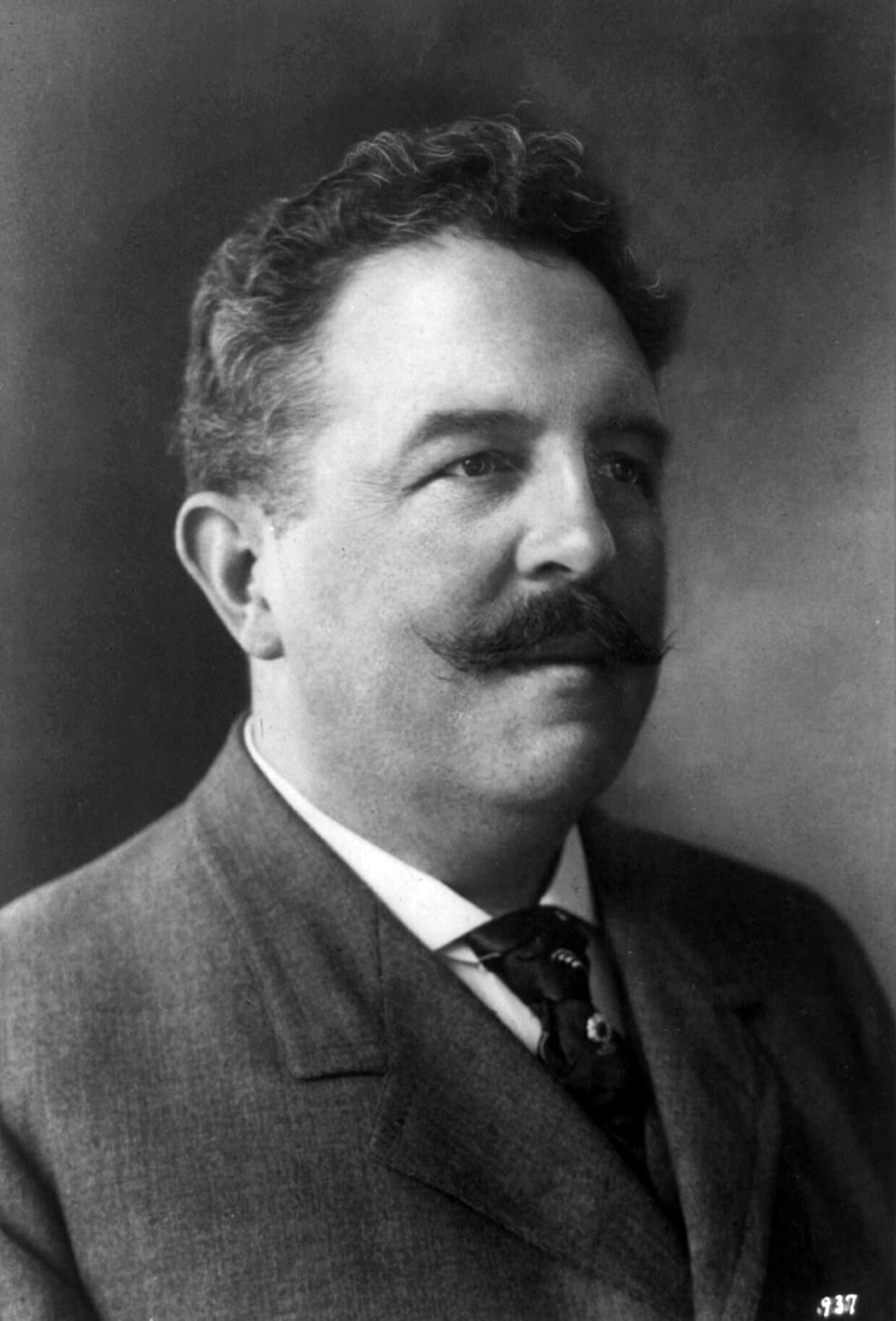
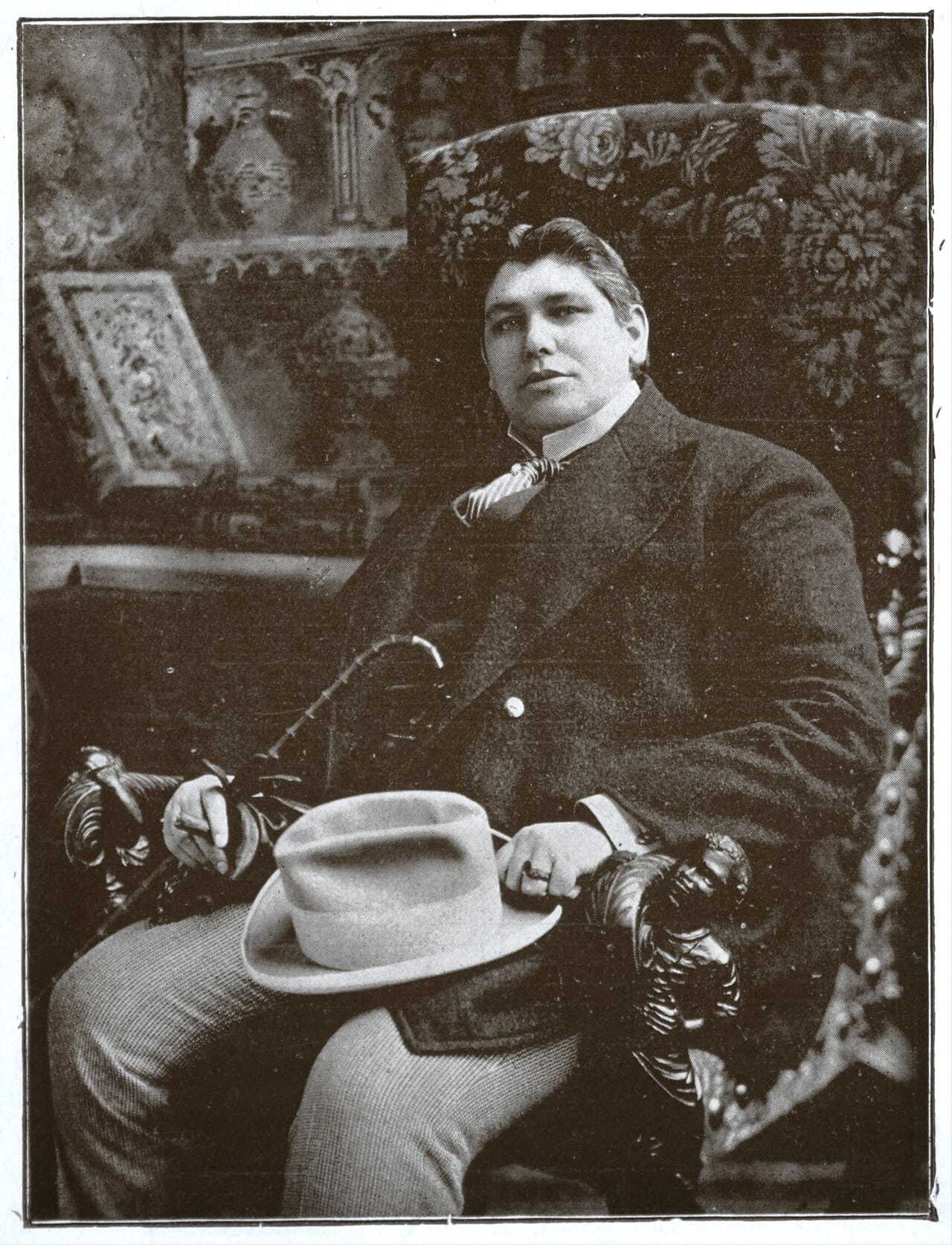
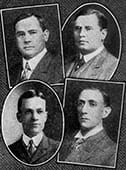
While definitive visual records of The Haydn Quartet are scarce, existing evidence and contemporary accounts offer glimpses into their aesthetic presentation. In an era defined by formality and social decorum, the quartet adhered to the sartorial standards expected of classical musicians. They favored the formal attire typical of the period, which emphasized respectability and a seriousness befitting their chosen repertoire. This generally meant dark suits, crisp white shirts, and meticulously tied bow ties.
Though uniformity was undoubtedly present, subtle variations likely reflected the individual personalities of the ensemble members. Newspaper sketches and anecdotal descriptions hint at these nuanced differences, perhaps expressed through a unique bow tie pattern, an ornate lapel pin, or the cut of a jacket. These small details served as subtle expressions of individuality within the confines of the quartet's collective identity.
Beyond clothing, the quartet's overall aesthetic extended to the performance space itself. Salon settings, favored for their intimacy, offered a stark contrast to the grand concert halls typically associated with orchestral music. These smaller venues allowed for a closer connection between the performers and the audience, fostering a sense of shared experience. The Haydn Quartet likely contributed to the aesthetic of these spaces through their choice of lighting, floral arrangements (if any), and the careful positioning of themselves within the room to maximize acoustic resonance and visual engagement.
Engineering & Sound Production Analysis
The early 1900s marked a pivotal era in the development of sound recording technology. The Haydn Quartet, like many musicians of the time, cautiously embraced these nascent innovations. Their recordings, though limited in fidelity by modern standards, provide invaluable insights into their performance style and the challenges of early sound production.
The limitations of acoustic recording – relying solely on the power of sound waves to vibrate a diaphragm connected to a stylus – inevitably impacted the quartet's approach to recording. They likely had to adjust their playing dynamics, emphasizing certain instruments to ensure a balanced sound capture. Loud passages might have been tempered, while quieter sections were projected with greater force. The recording process itself would have been physically demanding, requiring the musicians to maintain a fixed position and project their sound directly into the recording horn.
Despite these technical hurdles, the available recordings of The Haydn Quartet offer compelling evidence of their musical prowess. They capture the raw energy and spontaneity of their live performances, showcasing the nuanced interplay between the instruments. The subtle inflections of each player, the precise intonation, and the overall rhythmic cohesion are all discernible, even through the inherent limitations of the recording medium. These recordings serve as vital historical documents, providing a tangible connection to the quartet's sound world and the performance practices of the early 20th century.
Cultural Impact & Legacy
The Haydn Quartet's cultural impact, while perhaps less widely celebrated than that of some of their contemporaries, was significant within the context of early 20th-century chamber music. Their dedication to the classical repertoire helped to solidify the enduring relevance of Haydn, Mozart, and Beethoven in a rapidly changing musical landscape. They served as important advocates for chamber music, bringing it to a wider audience through their salon performances and recordings.
The quartet’s influence extended beyond simply preserving the classical tradition. By incorporating contemporary elements into their interpretations, they helped to bridge the gap between the past and the present, demonstrating that classical music could remain vital and relevant in the modern era. They fostered a deeper appreciation for the expressive possibilities of chamber music, inspiring other musicians and composers to explore the genre's potential.
While their recordings may not be as widely available or celebrated as those of some better-known ensembles, the Haydn Quartet's contribution to the evolution of chamber music performance should not be overlooked. Their legacy lies in their passionate commitment to the classical repertoire, their innovative interpretations, and their dedication to fostering a deeper appreciation for chamber music among audiences in the early 1900s.
Critical Reception (Then vs Now)
Contemporary reviews of The Haydn Quartet frequently highlighted their technical proficiency and their unwavering commitment to authentic performance practice. Critics praised their precise intonation, their balanced ensemble playing, and their ability to bring a fresh perspective to well-known works. They were often lauded for their ability to capture the spirit of the composers while simultaneously infusing their performances with their own unique personality.
However, some contemporary critics occasionally expressed a desire for greater exploration of modern composers and contemporary repertoire. While acknowledging the quartet's mastery of the classical tradition, they suggested that venturing beyond the established canon would further enhance their artistic credibility and relevance. This criticism reflects the broader tension within the musical world of the early 20th century, as composers and performers grappled with the legacy of the past and the possibilities of the future.
In retrospect, The Haydn Quartet's contribution is viewed with a greater sense of historical perspective. Their dedication to the classical repertoire is now seen as a valuable contribution to the preservation and promotion of these enduring works. Their recordings, despite their technical limitations, are recognized as important historical documents, offering insights into the performance practices and musical tastes of the early 1900s. While they may not have achieved the widespread fame of some of their contemporaries, their influence on the evolution of chamber music is undeniable.
Conclusion
The Haydn Quartet stands as a testament to the enduring power of chamber music in the early 20th century. Their passionate interpretations of Haydn, Mozart, and Beethoven, combined with their subtle incorporation of contemporary musical sensibilities, helped to bridge the gap between the classical tradition and the modern era. Their commitment to intimate salon performances fostered a renewed appreciation for chamber music, while their embrace of early recording technology ensured that their musical legacy would endure. Though their name may not be as widely recognized as some of their contemporaries, The Haydn Quartet remains a vital part of the rich tapestry of early 20th-century musical history, a group of dedicated musicians whose contributions deserve to be remembered and celebrated.